
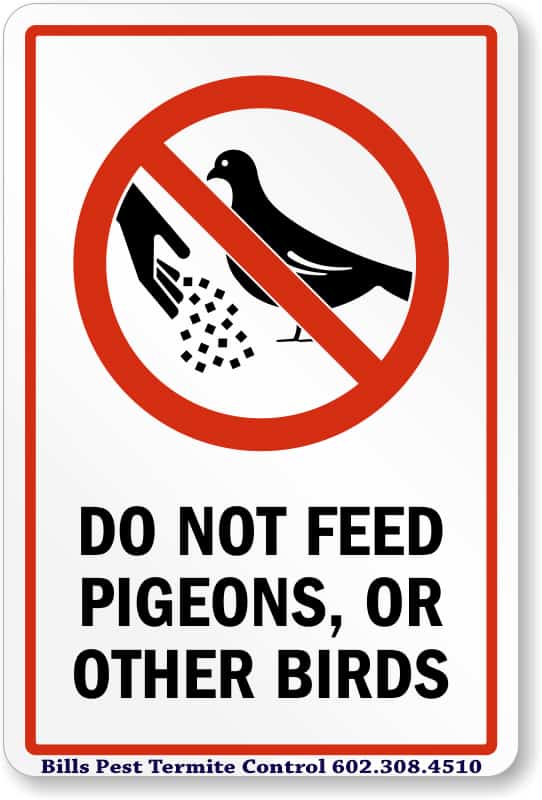
Have you ever tossed breadcrumbs to a flock of birds and felt a sense of joy as they eagerly pecked at the ground? It’s a simple pleasure that many of us share.
But what if I told you that feeding the birds might not be as harmless as it seems? This might be surprising, but the act of feeding birds can have consequences that aren’t immediately obvious. You might wonder why something so seemingly innocent could be a problem.
By understanding the reasons behind this, you can make more informed choices that benefit not just the birds, but the entire ecosystem. Let’s uncover why you might want to think twice before scattering those crumbs, and how your actions can make a real difference.
Health Risks For Birds
Feeding birds might seem kind, but it poses real health risks for them. Birds gathering in one place can spread diseases fast. Handouts often lack the right nutrients. Birds may start relying on humans and lose natural habits. These risks harm birds more than help.
Disease Spread Among Birds
Birds crowding feeders share germs easily. Diseases like salmonella and avian pox pass quickly. Dirty feeders become breeding grounds for bacteria. Sick birds can infect healthy ones nearby. This illness spread can cause bird population drops.
Nutritional Imbalances
Human food often lacks essential nutrients for birds. Bread, for example, fills but offers no real nutrition. Birds eating poor diets become weak and sick. They miss out on vitamins and minerals from natural food. Poor nutrition affects their feathers, flight, and survival.
Dependency On Humans
Birds fed by humans lose natural foraging skills. They wait for easy food instead of finding their own. This dependency affects their survival if food stops. They may also lose fear of humans, risking harm. Wild birds thrive best on their natural diet and habits.

Credit: www.amazon.com
Impact On Local Wildlife
Feeding birds might seem kind, but it can harm local wildlife in many ways. This simple act changes how animals behave and interact with their environment. It can cause problems for birds and other creatures nearby.
Disrupting Natural Behavior
Birds rely on finding food naturally. Feeding them can make them lazy or dependent. They may stop searching for insects, seeds, or berries on their own. This weakens their survival skills over time. Young birds learn less about foraging and may struggle to live without human help.
Attracting Predators
Food left out for birds can attract unwanted visitors. Predators such as cats, rats, and larger birds often come near feeders. This puts smaller birds at risk of being caught. Predators learn where to find easy meals, increasing danger for local wildlife. The balance of the ecosystem can be upset.
Competition Among Species
Feeding birds can cause fights between different species. Some birds are stronger and take more food than others. Smaller or shy species may get less or none at all. This creates unfair competition and stress. It can reduce the diversity of birds seen in one area.
Environmental Concerns
Feeding birds might seem like a kind gesture, but it brings several environmental concerns you might not have considered. These issues affect more than just the birds themselves—they can disrupt entire ecosystems and local habitats. Understanding these impacts can help you make choices that protect nature rather than unintentionally harm it.
Litter And Pollution
Leftover bird food often ends up scattered on the ground, attracting pests and creating waste. This litter can pollute nearby water sources, especially if the food contains harmful additives or mold. Have you noticed how discarded bread crumbs near parks attract rats or insects? This pollution creates an unhealthy environment for both wildlife and humans.
Overpopulation Issues
When you feed birds regularly, you unintentionally encourage larger groups than the local environment can support naturally. Overcrowding leads to increased competition for nesting sites and food resources. This imbalance can spread diseases quickly and push out native species that rely on the same habitat.
Damage To Vegetation
Birds drawn to feeders often gather in large numbers, which can damage plants and trees through excessive pecking and droppings. This can stunt plant growth and reduce natural food sources for other wildlife. Have you ever seen a garden patch stripped bare after a flock visits? Such damage disrupts local ecosystems and reduces biodiversity.

Credit: www.wmtw.com
Safety Hazards For Humans
Feeding birds may seem harmless, but it poses real safety risks for people. Birds can carry germs and cause allergies. Leftover food can attract pests. Property can also suffer damage. Understanding these hazards helps keep your home and family safe.
Allergies And Health Risks
Birds often carry mites, ticks, and bacteria. Their droppings can spread diseases like histoplasmosis. These germs affect lungs and skin. People with allergies or weak immune systems face higher risks. Feeding birds close to homes raises chances of exposure.
Property Damage
Birds can cause costly damage to buildings. Their droppings are acidic and harm paint and wood. Nests block gutters and vents. Birds peck on roofs and siding. Repairing this damage takes time and money.
Attracting Unwanted Animals
Leftover bird food attracts rats, raccoons, and squirrels. These animals spread diseases and destroy gardens. They may enter homes looking for food. Inviting them increases risks to people and pets.
Better Ways To Support Birds
Supporting birds goes beyond simply feeding them. There are more effective and healthier ways to help birds thrive in your area. By focusing on creating a welcoming environment, you can make a lasting impact on their well-being and natural behaviors.
Creating Bird-friendly Habitats
Think about the birds you see in your neighborhood. What draws them to certain spots? It’s often the availability of shelter and nesting areas. You can add native plants that provide cover and safe nesting sites.
Try planting shrubs, trees, and flowers that attract insects and offer protection from predators. Adding a small water feature can also encourage birds to visit regularly. These natural elements create a supportive environment where birds can live comfortably.
Providing Natural Food Sources
Instead of relying solely on feeders, offer birds natural food sources. Planting seed-bearing flowers and berry-producing shrubs gives birds a variety of choices that suit their diets. Native plants often attract the insects birds need for protein, especially during breeding season.
Have you noticed how birds seem more active around diverse plant life? This variety helps maintain their health and encourages natural foraging behavior. You can also avoid processed birdseed mixes that might not be as nutritious or safe.
Using Safe Feeding Practices
If you do feed birds, safety should be your priority. Use clean feeders and place them where cats and other predators can’t reach. Regularly wash feeders to prevent disease spread among visiting birds.
Offer fresh, appropriate food items such as unsalted nuts or specific seeds suited to local bird species. Avoid bread or processed snacks that can harm their health. Thoughtful feeding supports birds without creating dependency or risk.
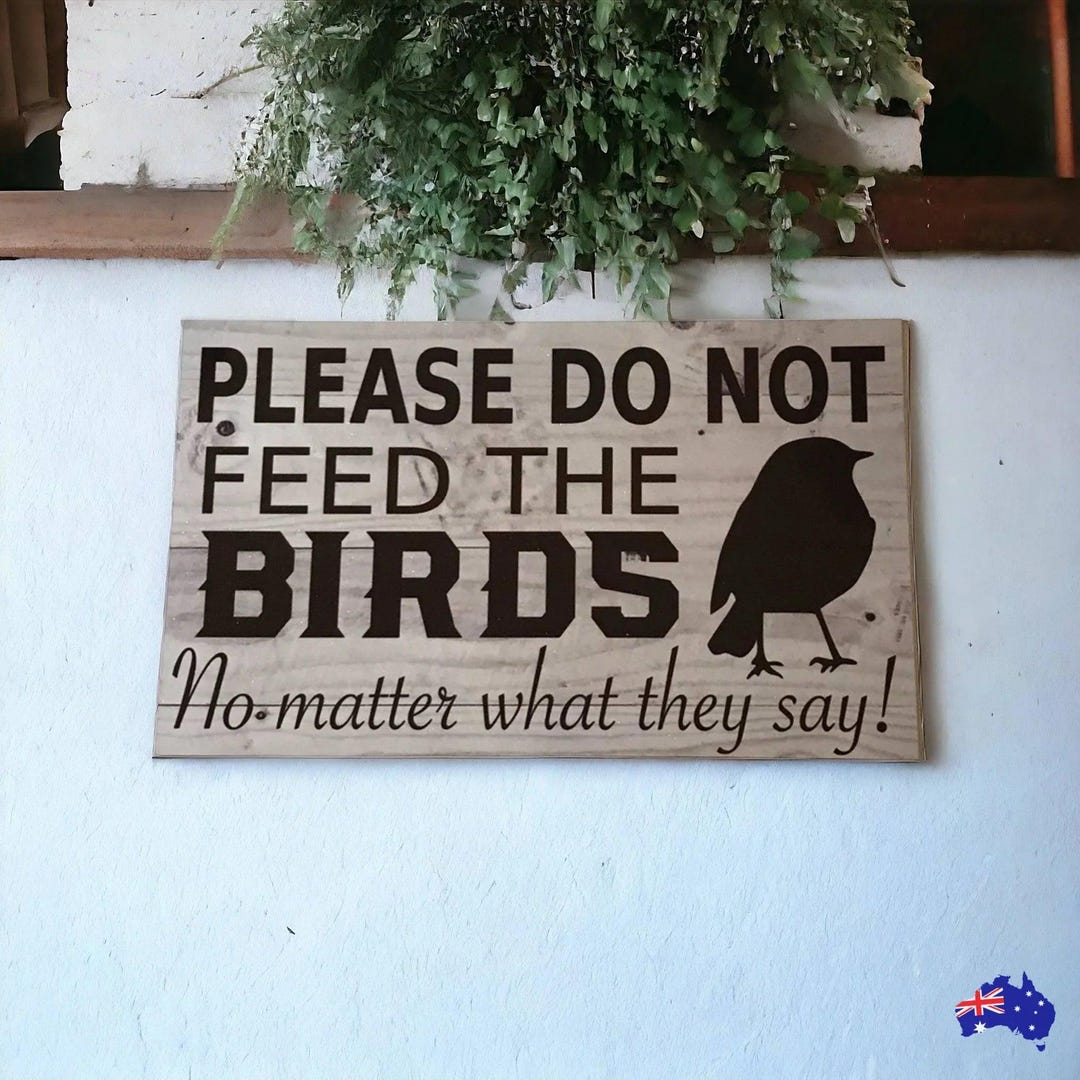
Credit: www.etsy.com
Frequently Asked Questions
Why Should We Avoid Feeding Wild Birds?
Feeding wild birds can disrupt their natural foraging habits. It may cause dependency on humans and reduce survival skills. Unnatural food can harm their health and increase disease spread. It’s best to let birds find food naturally to support ecosystem balance.
How Does Feeding Birds Affect Their Health?
Human food often lacks essential nutrients birds need. Feeding birds unhealthy food can cause malnutrition and illness. Leftover food attracts pests and spreads diseases. Birds eating processed foods may suffer digestive problems and weakened immunity.
Can Feeding Birds Harm Local Ecosystems?
Yes, feeding birds can alter natural behaviors and population dynamics. It may attract invasive species, outcompeting native birds. Overcrowding around feeders increases disease risk and stress. This disrupts the balance of local ecosystems and biodiversity.
What Are Safer Alternatives To Feeding Birds?
Plant native trees and shrubs that provide natural food and shelter. Use bird feeders sparingly with appropriate seeds if needed. Maintain clean feeding areas to prevent disease. Support bird conservation by preserving natural habitats instead of feeding.
Conclusion
Feeding birds may seem kind but can cause harm. It changes their natural habits and diet. Birds might become dependent on humans for food. This can affect their health and safety. Wild birds do best when left to find food themselves.
Protect their natural way of life. Let birds stay wild and healthy. Remember, helping nature means not interfering too much. Respect wildlife by observing, not feeding. This keeps birds safe and free.