
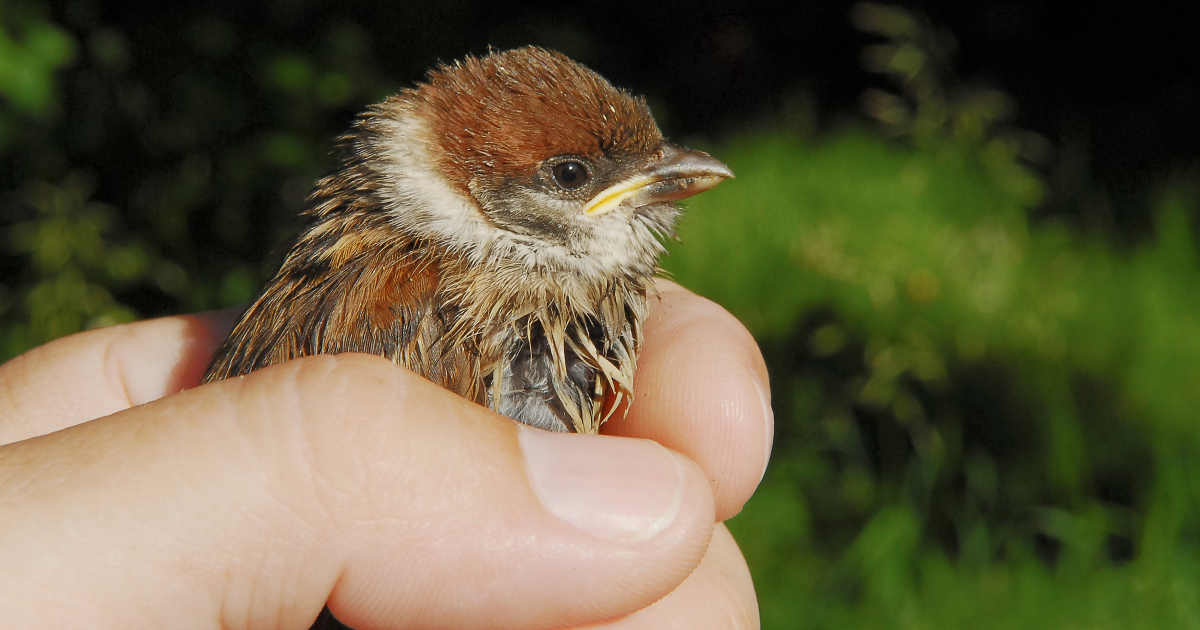
Are you caring for a fledgling bird and wondering how often you should feed it? Getting the feeding schedule right is crucial for your little bird’s health and growth.
Too little food can leave it weak, while too much might cause problems you don’t want to face. You’ll discover exactly how often to feed your fledgling, what signs to watch for, and simple tips to keep your bird strong and happy.
Keep reading to make sure your feathered friend gets the best start in life.

Credit: www.reddit.com
Feeding Frequency Basics
Feeding a fledgling bird requires close attention to its changing needs. The frequency of feeding directly impacts its growth and survival. Understanding the basics helps you provide the right care at the right time.
Newly Hatched Birds
Newly hatched birds need feeding very often—about every 15 to 20 minutes during daylight hours. Their tiny stomachs can’t hold much, so frequent small meals are essential. I once cared for a hatchling that needed feeding almost nonstop; missing a feeding even briefly caused it to become weak quickly.
Keep feedings consistent and gentle. Use a syringe or dropper to deliver food carefully, mimicking how parent birds feed. The goal is to keep the baby bird warm, full, and hydrated as much as possible.
Growth Stage Changes
As the fledgling grows, feeding frequency naturally decreases. Around one to two weeks old, the bird can go longer between meals, typically every 30 to 60 minutes. You’ll notice the bird eating more food per feeding, so adjust portion sizes accordingly.
During this stage, watch how the bird responds. If you see it struggling to eat or seeming less active, it might need more frequent feedings. Have you observed how your bird’s appetite changes day by day?
Signs Of Hunger
Recognizing when your fledgling is hungry is crucial. Common signs include wide-open mouth gaping, soft chirping, and restless movements. Sometimes, the bird might even peck gently at your finger or the feeding tool.
Watch carefully—if your bird refuses food or seems sleepy, it might be full or unwell. Feeding on demand, while noting these hunger cues, helps prevent overfeeding or underfeeding. How well can you read your bird’s signals?
Choosing The Right Food
Choosing the right food for a fledgling bird is crucial for its growth. Young birds need a balanced diet to develop strong bones, feathers, and muscles. Feeding the proper food supports their immune system and energy levels. The right food also mimics what they would eat in the wild, promoting natural development.
Nutritional Needs
Fledgling birds require high protein for muscle growth. Proteins also help repair tissues and build feathers. Calcium is vital for strong bones and beaks. Vitamins A and D support vision and overall health. Energy comes from carbohydrates and fats. Water is essential to keep them hydrated and healthy.
Safe Food Options
Offer soft foods easy to swallow. Examples include:
- Insects like mealworms or crickets
- Mashed fruits such as bananas or berries
- Soft, cooked grains like rice or oats
- Specialized bird formulas from pet stores
These foods provide nutrients without choking risks. Always check the food is fresh and clean.
Avoiding Harmful Foods
Certain foods can harm fledgling birds. Avoid:
- Raw meat or fish
- Foods with salt, sugar, or spices
- Chocolate, caffeine, and alcohol
- Avocado and onions, which are toxic
Never feed wild birds bread or processed foods. These can cause malnutrition or illness.
Feeding Techniques
Feeding a fledgling bird requires patience and care. The right techniques ensure the bird gets enough nutrition and stays healthy. Proper feeding also helps build trust between you and the bird. Understanding different methods can improve feeding success and keep the baby bird safe.
Hand-feeding Tips
Hold the bird gently but firmly to avoid injury. Use soft, slow movements to prevent startling it. Offer small amounts of food frequently to match its tiny stomach. Watch the bird’s cues to know when it is full. Never force food into the mouth as this can cause choking.
Using Feeding Tools
Use a syringe or small spoon designed for birds. These tools help control food quantity and speed. Choose the right size to fit the bird’s beak comfortably. Warm the food slightly to make it more appealing. Clean tools before and after each feeding to avoid germs.
Maintaining Cleanliness
Keep the feeding area clean to prevent infections. Wash your hands before feeding the bird. Change feeding cloths and towels regularly. Dispose of leftover food properly to avoid attracting pests. Clean the bird’s beak gently after feeding to remove residue.
Credit: www.kwikpets.com
Monitoring Health And Development
Keeping a close eye on your fledgling bird’s health and development is essential. It helps you adjust feeding schedules and ensures your bird is growing strong. Regular monitoring also alerts you to any early signs of trouble, so you can act quickly.
Weight Tracking
Weigh your fledgling daily using a small, accurate scale. Record the weight at the same time each day to spot trends. Healthy fledglings generally gain weight steadily; a sudden drop or plateau can signal a problem.
Tracking weight helps you decide if you need to feed more or less. I once missed a weight drop in my baby finch, which led to a vet visit that could have been avoided. Don’t ignore these numbers—they tell a vital story.
Behavioral Cues
Watch how your fledgling acts between feedings. Is it alert and responsive or unusually quiet and lethargic? Healthy birds usually chirp, stretch their wings, and move around eagerly.
Notice if your bird refuses food or looks weak after eating. These signs often mean illness or stress. Behavioral changes can happen fast, so stay attentive and responsive to your bird’s mood and activity.
When To Seek Help
If your fledgling shows any signs of illness—such as breathing difficulty, persistent weight loss, or refusal to eat—contact a vet immediately. Early intervention can save lives.
Don’t wait for symptoms to worsen. If you’re unsure about your bird’s condition, it’s better to ask a professional than guess. Your quick action could make all the difference in your fledgling’s survival and well-being.
Transitioning To Independence
Transitioning a fledgling bird to independence is a delicate phase that requires patience and attention. As the bird grows, your role shifts from frequent feeder to gentle guide, helping it learn to find food on its own. This stage is essential for the bird’s survival skills and confidence, so knowing how and when to adjust your care is crucial.
Reducing Feeding Frequency
Start by gradually decreasing how often you feed your fledgling. Instead of feeding every 20-30 minutes, stretch the time between meals to 45 minutes or an hour. This encourages the bird to feel hungrier and more motivated to look for food itself.
You might notice your bird becoming more active and alert as it waits longer between feedings. This is a good sign that it’s adapting well. But watch closely—if the bird shows signs of weakness, you may need to slow down the reduction.
Encouraging Self-feeding
Place soft, easy-to-handle food in a shallow dish near the bird. Offer small insects or soft fruits that it can peck at independently. You can even mimic natural behavior by scattering a few food items around to spark curiosity.
Try to feed alongside your fledgling without forcing it. Let your bird watch and learn from you. This hands-off approach boosts confidence and helps build essential foraging skills.
Preparing For Release
Before releasing your fledgling, ensure it can find and eat food without help. Spend time outside with the bird in a safe, enclosed area. This gives it a chance to practice flying and foraging in a natural setting.
Ask yourself: does your bird respond quickly to food and move confidently? If yes, it’s likely ready to take on the world. If not, more time and support may be needed to strengthen its independence.
Credit: wildbloo.com
Frequently Asked Questions
How Often Should You Feed A Fledgling Bird Daily?
Feed fledgling birds every 20 to 30 minutes during daylight hours. This frequent feeding supports their fast growth and energy needs. As they grow, feeding intervals can gradually increase.
What Foods Are Best For Feeding Fledgling Birds?
Offer soft, protein-rich foods like insects, soaked dog food, or specialized bird formula. Avoid processed human foods. Proper nutrition ensures healthy development and strong feathers.
How To Tell If A Fledgling Bird Is Hungry?
Signs include open mouth, chirping, and restless behavior. If the bird shows interest and begs, it likely needs feeding. Monitor closely to avoid overfeeding.
Can Fledgling Birds Feed Themselves?
Fledglings start learning to feed themselves around 10 to 14 days old. Initially, they rely on parents or caregivers. Gradual encouragement helps them become independent.
Conclusion
Caring for a fledgling bird requires patience and attention. Feedings should be frequent. Every 3-4 hours during daylight is ideal. Pay close attention to the bird’s behavior. Signs of hunger include chirping and open mouths. Always use the right food for the species.
Avoid giving water directly. This can cause harm. Ensure the bird is warm and safe. Keep the environment calm. Over time, the bird will grow stronger. Soon, it will learn to eat on its own. Your care makes a difference.
It’s a rewarding experience.