
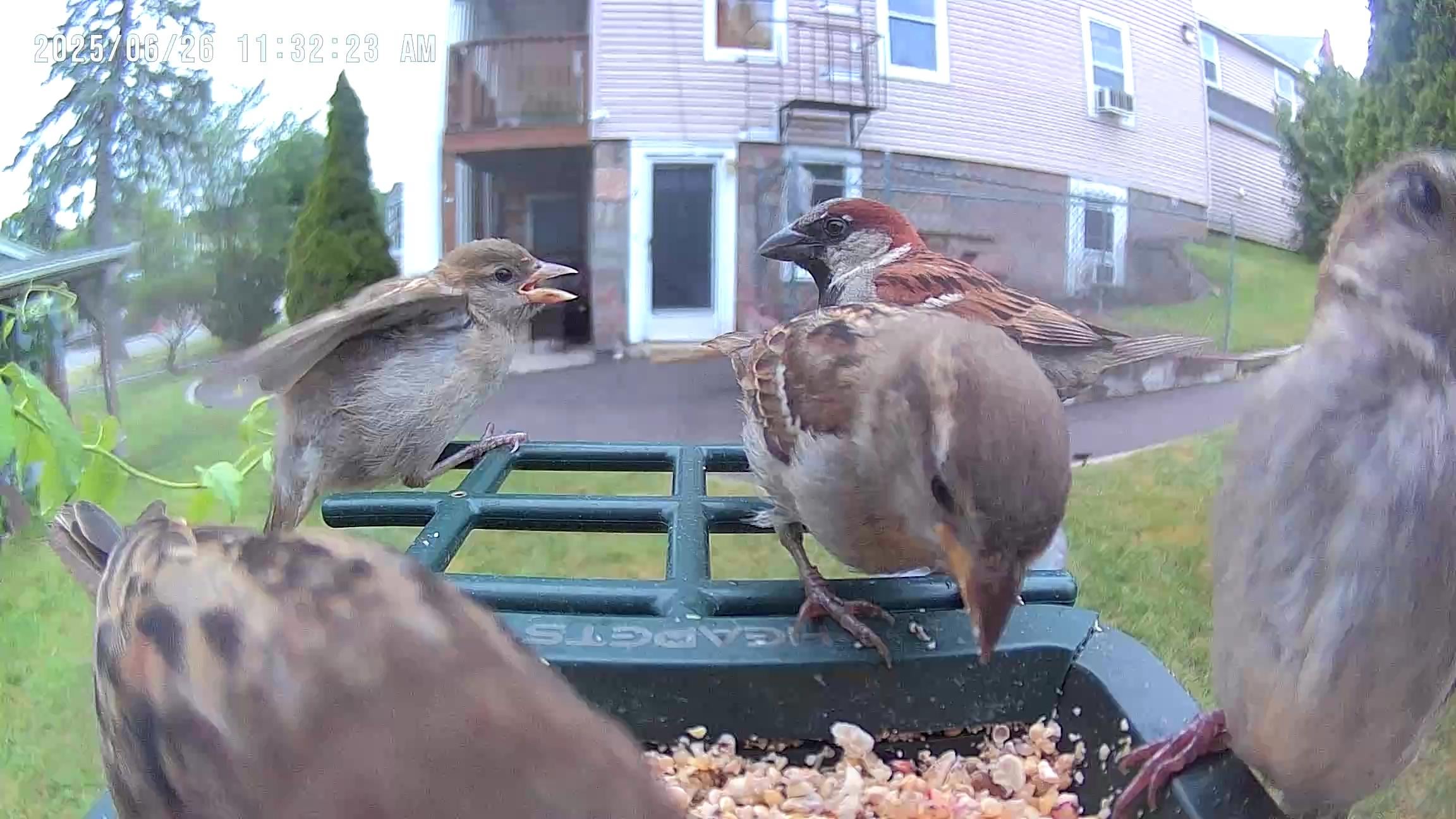
Are you wondering why birds are ignoring the sunflower seeds in your bird feeder? You’re not alone.
It can be frustrating to fill your feeder, only to see no feathered visitors. But don’t give up just yet. Understanding what’s going on can help you attract more birds and enjoy their lively presence. Keep reading to discover the surprising reasons behind this and how you can turn your feeder into a popular spot for your local birds.

Credit: www.reddit.com
Common Bird Preferences
Birds have different tastes and habits when it comes to feeding. Understanding their preferences helps explain why sunflower seeds might be ignored. Birds choose food based on taste, size, and ease of eating. Some seeds attract certain species more than others. Knowing these preferences can improve your chances of attracting birds to your feeder.
Favorite Seeds For Different Birds
Different bird species prefer different seeds. Here are some favorites:
- Finches:Love nyjer and small millet seeds.
- Cardinals:Prefer sunflower seeds and safflower.
- Sparrows:Enjoy millet and cracked corn.
- Woodpeckers:Choose suet and sunflower seeds.
- Doves:Like cracked corn and millet.
Choosing the right seed mix can attract more birds to your feeder.
Sunflower Seeds Appeal
Sunflower seeds are popular for many birds. Their high oil content gives energy. Black oil sunflower seeds have thin shells, easy to crack. This makes them a favorite for many small and large birds.
However, some birds may avoid sunflower seeds if other seeds are nearby. Also, spoiled or moldy seeds can repel birds. Freshness matters to keep birds interested.
Seasonal Changes In Diet
Birds change their diet through seasons. In spring and summer, they eat more insects and fruits. During fall and winter, seeds and nuts become crucial for energy.
Birds may ignore sunflower seeds if natural food is abundant. During migration, their preferences may shift. Offering a variety of seeds can meet these changing needs.

Credit: www.reddit.com
Feeder Placement Issues
Feeder placement plays a big role in whether birds visit your feeder or not. Even the best sunflower seeds won’t attract birds if the feeder is in the wrong spot. Birds need a safe, comfortable place to feed. A poorly placed feeder can scare them away or make the food hard to find. Understanding placement issues helps create a welcoming environment for birds.
Optimal Feeder Locations
Choose a spot where birds can easily see and reach the feeder. Place it near trees or shrubs for quick cover. Avoid open areas with no shelter. Keep feeders at least 5 feet off the ground to reduce risk from ground predators. Make sure the feeder is visible from a distance but not too exposed.
Avoiding Predators And Disturbances
Birds avoid feeders near places where cats, squirrels, or other predators lurk. Keep feeders away from busy walkways or noisy areas. Loud sounds and constant movement scare birds away. Check for nearby branches or ledges where predators can hide. A safe zone encourages birds to stay longer and feed comfortably.
Sunlight And Shelter Factors
Place feeders where sunlight warms the area during cooler months. Morning sun is best to dry dew and keep seeds fresh. Avoid spots with harsh afternoon sun that can spoil seeds quickly. Ensure the feeder has some shelter from strong wind and rain. A sheltered feeder protects birds and keeps food in good condition.
Seed Quality Concerns
Seed quality plays a big role in attracting birds to your feeder. Poor quality seeds can turn birds away. Birds prefer fresh, clean, and well-stored sunflower seeds. Seeds that are old or damaged lose their appeal quickly. Paying attention to seed quality helps keep your feeder busy with visitors.
Freshness And Storage
Fresh seeds have a strong, natural smell. Old seeds may smell stale or musty. Store seeds in a cool, dry place to keep them fresh longer. Avoid places with heat or sunlight. Use airtight containers to protect seeds from moisture. Fresh seeds look plump and whole, not shriveled or broken.
Seed Types And Conditions
Black oil sunflower seeds attract the most birds. They have thin shells and high oil content. Avoid mixed seed blends that contain fillers birds don’t like. Seeds with shells that are too hard may be ignored. Clean seeds free from dust and debris invite more birds. Check the seed package for quality labels or certifications.
Avoiding Mold And Pests
Moldy seeds can harm birds and repel them. Mold often grows on seeds kept in damp places. Check seeds regularly for white or green spots. Pests like insects or rodents can infest seed bags. Use sealed containers to keep pests out. Replace seeds if you see signs of mold or bugs.
Competing Food Sources
Birds have many choices when it comes to finding food, and your sunflower seeds are just one option among many. If you notice birds avoiding your feeder, competing food sources might be the reason. Understanding what else is around can help you figure out why your feeder isn’t their favorite spot.
Natural Food Availability
Wild birds often find plenty of natural food nearby, like berries, insects, or seeds from native plants. If these natural options are abundant, they might skip your feeder altogether. Have you checked if there are fruiting trees or blooming plants in your yard or nearby areas?
In my backyard, I once noticed birds ignoring my feeder during late summer because the berry bushes were full and easy to access. This made me realize how important the season and natural food abundance are for attracting birds to feeders.
Neighboring Feeders And Plants
Birds can be picky, and they tend to visit feeders that offer a better mix of food or are in quieter, safer spots. If your neighbors have feeders stocked with a variety of seeds or suet, birds might prefer those instead. Do you know what types of feeders your neighbors use?
Sometimes, the placement of your feeder matters too. If it’s too exposed or near busy pathways, birds might choose feeders hidden in bushes or closer to cover. Try observing where birds are most active in your neighborhood to get clues.
Impact Of Weather On Food Choices
Weather conditions affect what birds eat. During cold spells, they often seek high-energy foods like sunflower seeds, but in warmer weather, they might prefer insects or fruits. Are you offering the right food for the current season?
After a rainy week, I noticed fewer birds at my feeder because insects were plentiful and easy to catch. This showed me that weather changes can shift their feeding habits quickly. Adjusting your feeder’s offerings seasonally can keep birds coming back.
Feeder Design And Accessibility
Birds need a feeder that fits their needs to enjoy sunflower seeds. The design and accessibility of your feeder affect how often birds visit. Small details can make a big difference in attracting different bird species. Understanding feeder style and ease of access helps create a bird-friendly spot.
Feeder Style Preferences
Birds prefer feeders that match their feeding habits. Tube feeders work well for small birds like finches. Platform feeders attract a wider variety of birds, including larger species. Some birds like suet feeders for high-energy food. The style of the feeder should fit the birds common in your area.
Ease Of Access For Different Birds
Birds have different ways of landing and eating. Perches that are too small or too large can keep birds away. Position feeders at a height safe from predators. Make sure the feeder openings allow easy access to the seeds. A feeder that is hard to reach will discourage birds from visiting.
Avoiding Seed Waste
Seed waste happens when birds cannot eat comfortably. Spilled seeds attract unwanted pests like squirrels. Choose feeders with seed trays or guards to catch dropped seeds. Keep the feeding area clean to avoid mold and bacteria. Proper feeder design helps keep seeds fresh and reduces waste.
Behavioral Factors
Understanding why birds ignore sunflower seeds in your feeder involves looking at their behavior. Birds have unique habits and preferences that affect their feeding choices. These habits shape when and how they visit feeders.
Bird Habits And Feeding Times
Birds follow daily routines for feeding. Some species prefer early mornings or late afternoons. Others feed sporadically throughout the day. If your feeder is empty during peak times, birds may avoid it. Different birds like different seeds. Some might favor sunflower seeds, while others look for insects or berries. Knowing local bird habits helps attract the right visitors.
Impact Of Human Activity
Birds react to human presence near feeders. Frequent movement or noise can scare them away. Loud sounds or sudden actions cause stress. Birds may avoid feeders in busy areas. Placing feeders in quiet, safe spots encourages visits. Sometimes, pets like cats or dogs disturb birds. Keeping feeders away from pets helps birds feel secure.
Learning And Adaptation
Birds learn from their environment. If they find food sources easy and safe, they return often. If sunflower seeds are hard to access or spoiled, birds avoid them. Some birds observe others and change their feeding spots. Over time, they adapt to new feeders and food types. Patience is key for birds to accept your feeder.

Credit: www.reddit.com
Frequently Asked Questions
Why Aren’t Birds Eating Sunflower Seeds From My Feeder?
Birds may avoid seeds if they are old, moldy, or wet. Fresh, high-quality seeds attract more birds. Also, feeder placement and seed type affect bird visits.
Can Feeder Location Affect Bird Interest In Sunflower Seeds?
Yes, placing feeders in safe, quiet, and visible spots encourages bird visits. Avoid windy or noisy areas to make birds feel secure while feeding.
Do All Birds Prefer Sunflower Seeds In Feeders?
No, not all birds like sunflower seeds. Some species prefer different seeds like millet or nyjer. Offering mixed seeds attracts a wider variety of birds.
How Does Seed Freshness Impact Bird Feeder Usage?
Fresh seeds are more appealing to birds. Old or stale seeds lose taste and nutrition, deterring birds from feeding at your feeder.
Conclusion
Understanding why birds avoid your feeder requires patience and observation. Consider the seed quality. Fresh seeds attract more birds. Evaluate the feeder location too. A safe, quiet spot works best. Check for potential predators nearby. They scare birds away. Clean your feeder regularly.
Dirty feeders can repel birds. Vary seed types occasionally. Some birds prefer different seeds. Watch for changes in bird activity. Adapt accordingly. With time and adjustments, birds will visit. Enjoy their presence and the joy they bring. Your backyard can become a bird haven.
Just a few simple tweaks needed.