
Have you ever noticed your bird feeder running empty faster than you expected? It might seem like a small detail, but understanding how often your bird feeder needs refilling can make a big difference.
Whether you’re a casual bird watcher or a dedicated feeder enthusiast, knowing when and why your feeder empties helps you keep your feathered visitors happy and healthy. You’ll discover the key factors that affect your bird feeder’s emptying rate—and how you can make the most of every seed.
Keep reading to learn how to keep your backyard buzzing with life!
Credit: www.wildbirdsuets.com
Bird Feeder Basics
Understanding the basics of bird feeders helps you keep them full and inviting. Bird feeders attract different birds depending on their design and the food offered. Knowing which feeder suits your backyard birds and what food they prefer improves your feeding experience. This knowledge also explains why some feeders empty faster than others.
Types Of Bird Feeders
- Tube Feeders:Cylindrical shape, good for small songbirds.
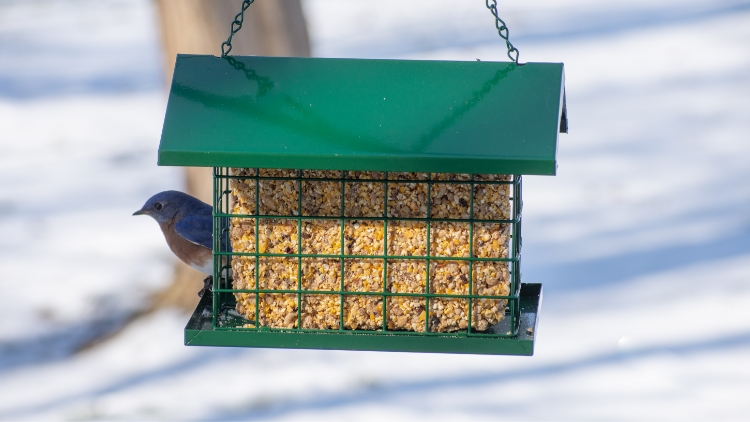
- Hopper Feeders:Box-like, hold large quantities of seed.
- Platform Feeders:Flat surface, attracts many bird types.
- Suction Cup Feeders:Stick to windows for close-up bird watching.
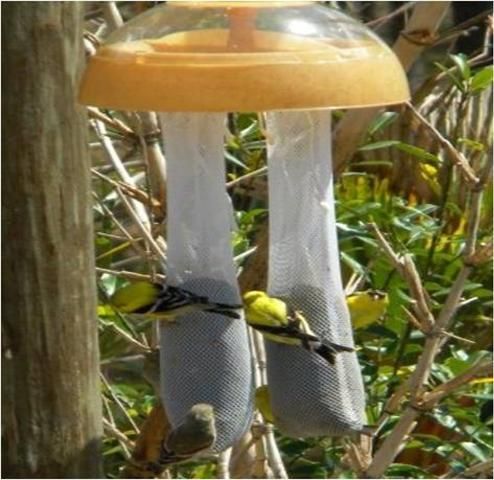
- Niger Seed Feeders:Specialized for tiny seeds, attracts finches.
Common Bird Food Varieties
- Black Oil Sunflower Seeds:Popular, high energy, suits many birds.
- Nyjer (Thistle) Seeds:Loved by finches and small birds.
- Peanuts:Good for woodpeckers and jays.
- Safflower Seeds:Favored by cardinals, less eaten by squirrels.
- Suet:High-fat, perfect for winter feeding.
Factors Affecting Feeder Use
- Bird species in your area determine seed preference.
- Season changes influence bird feeding habits.
- Weather impacts how often birds visit feeders.
- Location of feeder affects bird access and safety.
- Competition from squirrels or other wildlife can empty feeders fast.
Feeder Emptying Patterns
Understanding your bird feeder’s emptying patterns can help you provide the best care for your feathered visitors. How often your feeder runs dry depends on several factors, including how many birds visit, the time of year, and the types of birds feeding. Observing these patterns can save you from frequent refills and ensure the birds don’t go hungry.
Daily Consumption Rates
Bird feeders often empty at different speeds depending on the number of visitors and their appetite. If you notice your feeder is emptying every day, it’s a sign that your garden attracts many hungry birds. Keep a daily log for a week to see if the emptying is consistent or varies by day.
Think about your own experience: have you ever refilled the feeder in the morning only to find it empty by afternoon? This quick turnover means you might want to increase the seed quantity or add more feeders to spread the crowd.
Seasonal Variations
The amount of food birds consume changes with the seasons. During colder months, birds need more energy to stay warm, so feeders empty faster. In spring and summer, natural food sources like insects and berries are plentiful, so your feeder might last longer.
Have you noticed your feeder empties faster in winter? That’s normal. To support birds through harsh weather, consider offering high-energy seeds like sunflower or safflower during colder periods.
Impact Of Bird Species
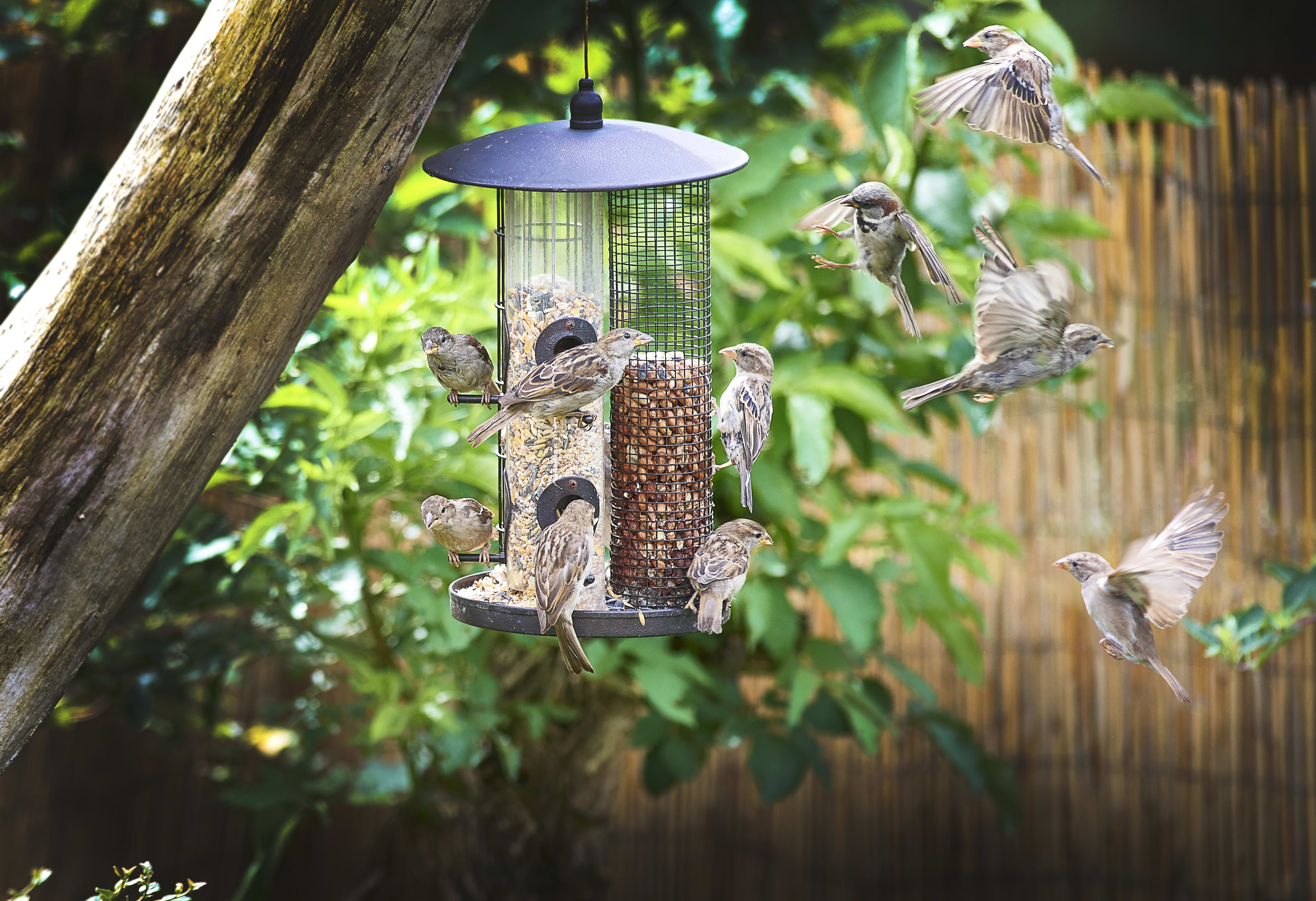
Different bird species consume varying amounts of seed. Larger birds like jays and doves eat more than small finches or chickadees. If your feeder attracts big eaters, expect it to empty quicker.
Pay attention to which birds visit your feeder most often. You might spot a difference in how fast the feeder empties when a flock of sparrows arrives versus a few cardinals. Adjust the seed type and quantity based on the species you want to attract and support.
Environmental Influences
Your bird feeder’s emptying rate depends heavily on environmental factors. These influences shape how often you need to refill and what kind of visitors you attract. Understanding these can help you maintain a healthy, lively feeding spot.
Weather Effects
Weather plays a huge role in bird feeding habits. On cold or rainy days, birds rely more on feeders since natural food becomes scarce. You might notice your feeder empties faster during harsh weather.
Conversely, in mild weather, birds often find enough food on their own, so your feeder may last longer. Have you tracked how your feeder’s emptying varies with the seasons? This insight can help you plan refills better.
Predators And Competitors
Predators like cats or hawks can scare birds away, reducing feeder visits. But competitors such as squirrels or larger birds can gobble up seeds quickly, leaving little for smaller species. I once saw squirrels clear a feeder in under an hour!
Consider adding squirrel-proof guards or placing feeders where predators have less access. Have you noticed any particular animals dominating your feeder? Managing these visitors can extend feeding opportunities for your target birds.
Human Activity Nearby
Birds are sensitive to noise and movement around their feeding areas. Frequent human activity might make them cautious or drive them away temporarily. If your feeder is near a busy walkway, refills might be less frequent as fewer birds visit.
Try placing feeders in quieter spots or adding some shelter to make birds feel safer. Does your feeder’s popularity drop when people are around? Adjusting placement could improve how often your feeder is used.
Credit: edis.ifas.ufl.edu
Monitoring Feeder Activity
Monitoring your bird feeder’s activity is key to understanding how often it empties and what that means for your local bird population. Observing this can help you adjust feeding times, choose better seed types, and even spot changes in bird behavior. It’s not just about filling the feeder; it’s about learning from it.
Tools And Techniques
You don’t need fancy gear to keep track of your feeder. A simple notebook or a smartphone app can help you jot down observations. Some bird watchers use motion-activated cameras to capture feeding times without disturbing the birds.
Binoculars are handy for spotting which birds visit and when. You might also use a kitchen timer or set alarms to check the feeder at regular intervals. These small tools make it easier to collect consistent data.
Recording And Analyzing Data
Write down the time you refill the feeder and note when it’s empty again. Track the types of birds you see and how many come each day. Over a few weeks, patterns will start to emerge.
Try creating a simple table:
| Date | Time Refilled | Time Empty | Bird Species Noted | Number of Visitors |
|---|---|---|---|---|
| April 10 | 8 AM | 2 PM | Finch, Sparrow | 15 |
| April 11 | 8 AM | 12 PM | Finch, Blue Jay | 20 |
Interpreting Feeding Trends
Notice if your feeder empties faster on certain days or times. Is it busier in the morning or afternoon? These clues tell you when birds rely most on your feeder.
If you see a sudden increase in visitors, it might mean local natural food sources are low. Or, if certain species disappear, consider if the seed type still suits them. Are you ready to adapt your feeding strategy based on what you find?
Optimizing Feeder Usage
Optimizing your bird feeder usage can make a noticeable difference in how often it goes empty. The right approach ensures you attract more birds without constantly refilling. It also helps maintain a healthy feeding routine for your feathered visitors.
Placement Tips
Where you place your feeder affects how quickly birds find and use it. Position your feeder near natural cover like trees or shrubs to provide birds with shelter and safety. Avoid placing it too close to windows to prevent collisions.
Think about visibility from your usual vantage points. If you enjoy watching birds from your porch or window, place the feeder within easy sight. You might be surprised how small changes in placement can boost feeder visits.
Feeding Schedules
Setting a feeding schedule helps you keep track of when your feeder empties and when birds are most active. Birds tend to visit feeders early in the morning and late afternoon.
Try refilling your feeder during these peak times to ensure food is available when they arrive. Also, observe if certain days see more activity; this can guide your refill frequency. Have you noticed patterns in your bird visitors’ habits?
Choosing The Right Feed
Selecting the right seed mix can influence how fast your feeder empties. Different bird species prefer different seeds, so tailor your mix to attract the birds you want to see.
Black oil sunflower seeds attract a wide variety of birds and are often eaten quickly. If you want to attract finches, add nyjer seeds to the mix. Offering fresh, high-quality feed keeps birds coming back regularly and reduces waste.
Unexpected Findings
Studying bird feeders reveals surprising behaviors and interactions. These unexpected findings show how dynamic and lively local bird populations can be. They also highlight the delicate balance within ecosystems around feeders.
Unusual Bird Behavior
Birds often act in ways not commonly seen away from feeders. Some species become more aggressive, defending the feeder as their own food source. Others may wait patiently or take turns feeding. These behaviors show how feeders influence social habits.
Feeder Sharing Among Species
Different bird species often share feeders peacefully. Small songbirds and larger birds might eat side by side. This sharing helps maintain harmony and reduces fights. It also increases chances for birdwatchers to see diverse species at once.
Impact On Local Ecosystem
Feeders affect more than just birds. They attract insects, squirrels, and sometimes even predators. This creates a small, busy ecosystem around the feeder. Understanding this impact helps protect local wildlife and maintain nature’s balance.
Credit: dengarden.com
Frequently Asked Questions
How Often Should I Refill My Bird Feeder?
Refill your bird feeder every 2 to 3 days. This frequency prevents seed spoilage and keeps birds returning regularly. Adjust refills based on bird activity and weather conditions to maintain a fresh food supply.
What Factors Affect Bird Feeder Emptying Speed?
Bird feeder emptying depends on bird population, seed type, and feeder location. High bird traffic and preferred seeds empty feeders faster. Weather and season also influence feeding frequency and seed consumption rates.
How Can I Tell If My Bird Feeder Needs Refilling?
Check if the seed level is below half. Observe bird activity; increased visits often mean the feeder is nearly empty. Regular monitoring ensures your feeder is always stocked and inviting to birds.
Does Feeder Design Impact How Fast It Empties?
Yes, feeder design affects seed accessibility and spillage. Open feeders may empty faster due to easy access and waste. Tube feeders control seed flow, often lasting longer between refills.
Conclusion
Keeping your bird feeder filled brings joy and life to your garden. Birds rely on it for food, especially in colder months. Check it regularly to ensure it’s not empty. A consistent food supply keeps birds returning. Observe your feeder’s usage to understand patterns.
This helps in maintaining a steady flow of visitors. Clean your feeder often to prevent disease. A clean, full feeder attracts more birds. Enjoy watching their colorful visits. Engage with nature daily through this simple act. Your efforts support local wildlife.
Happy bird watching!