
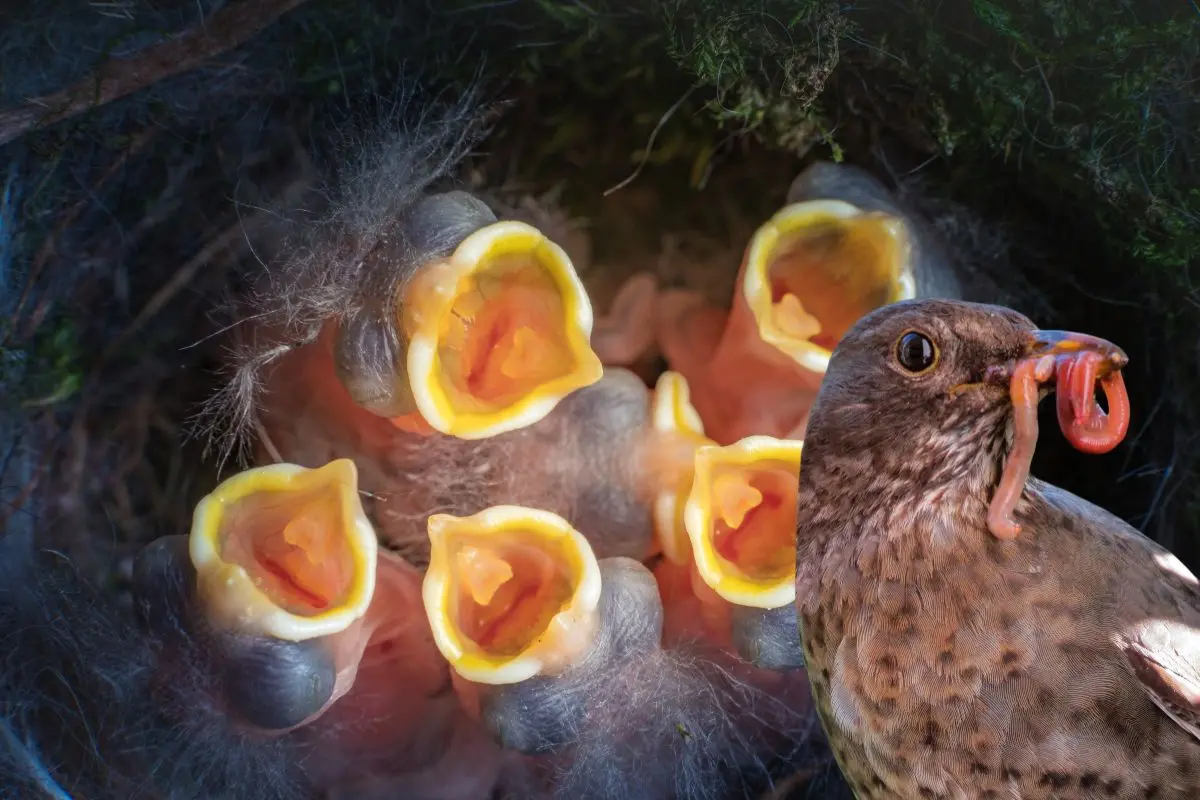
You’ve just found a tiny bird that has just hatched, and now you’re wondering what to feed it. It’s natural to feel unsure or worried—after all, this little life depends on you for survival.
Feeding a newly hatched bird the right food at the right time can make all the difference in helping it grow strong and healthy. You’ll discover simple, effective tips to nourish your feathered friend properly. Keep reading, because the wrong choice could harm the bird, while the right one will give it the best start possible.
Your care matters more than you think.
Newborn Bird Needs
Newborn birds have very specific needs that you must meet to help them grow strong and healthy. These tiny creatures depend entirely on you for their nutrition, warmth, and hydration. Understanding these needs is crucial if you find yourself caring for a bird that just hatched.
Nutritional Requirements
Newborn birds require a diet rich in protein and essential nutrients to support rapid growth. You should feed them a formula specifically designed for baby birds, which often includes finely ground seeds, insects, and vitamins.
Avoid giving adult bird food as it may lack the nutrients needed at this stage. Feeding frequency matters too—newborns typically need to be fed every 15 to 20 minutes during daylight hours. Have you thought about how you’ll keep up with such a demanding schedule?
Hydration Essentials
Hydration is just as important as nutrition for a hatchling’s survival. They get most of their water from their food, so the feeding mixture should be moist but not watery.
Be careful not to give plain water directly, as this can cause choking. Instead, ensure the formula contains enough moisture to keep the bird hydrated throughout the day. How will you monitor if your bird is getting enough fluids?
Temperature And Comfort
Newborn birds cannot regulate their body temperature and rely on external warmth to stay alive. Keep the environment around 95°F (35°C) initially, then gradually reduce the temperature as the bird grows.
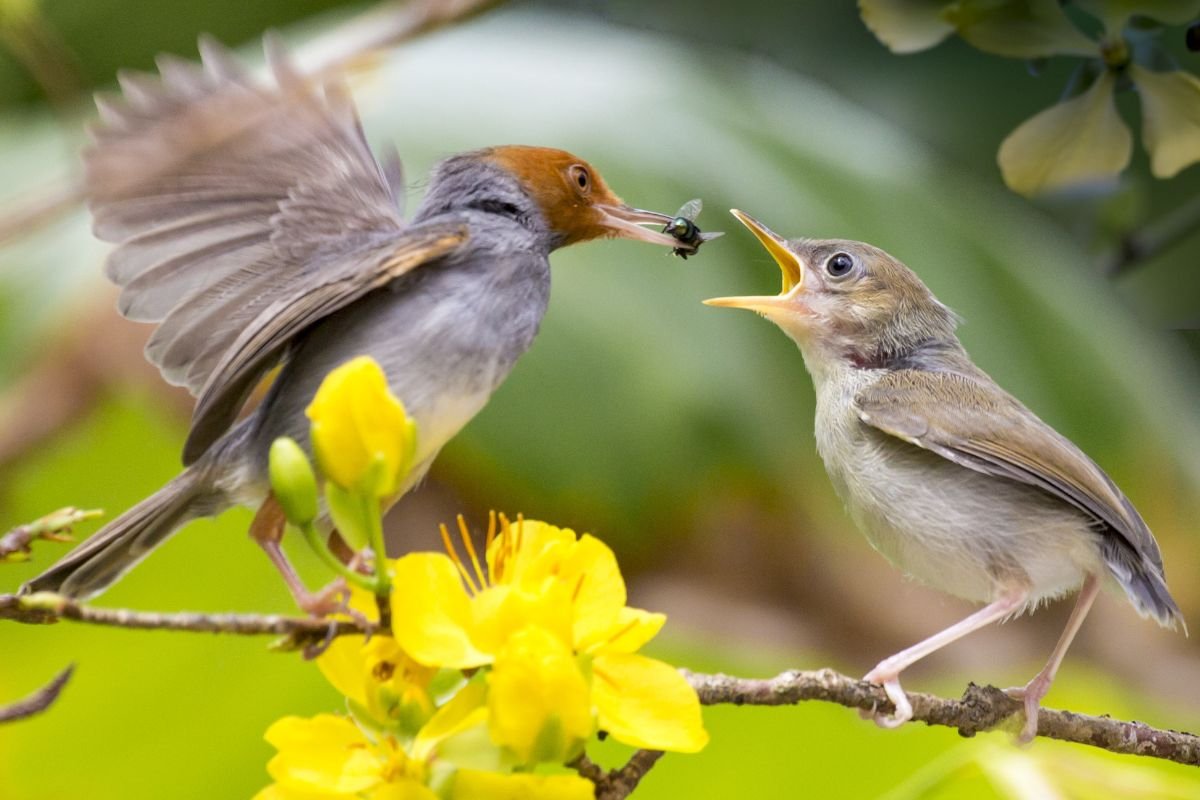
Using a heat lamp or a warm box can provide consistent heat, but always watch for overheating signs. Think about how you can create a safe, cozy space that mimics the warmth a mother bird provides.
Credit: wildbloo.com
Safe Feeding Options
Feeding a bird that just hatched requires care and attention. Choosing the right food helps the bird grow strong and healthy. Safe feeding options provide essential nutrients and support early development. Avoiding unsafe foods is critical to prevent health problems.
Commercial Formulas
Commercial formulas are made to meet baby birds’ nutritional needs. These ready-to-use products save time and reduce mistakes in mixing. They contain proteins, vitamins, and minerals essential for growth. Many formulas come in powder form to mix with warm water. Follow the package instructions carefully for best results.
Homemade Mixtures
Homemade mixtures give control over ingredients but require precision. Common ingredients include boiled eggs, soaked dog biscuits, and baby cereal. Blend all components to a smooth, soft texture. Keep the mixture warm before feeding. Fresh preparation is important to avoid bacteria growth. Use clean utensils and bowls for hygiene.
Avoiding Harmful Foods
Some foods can harm hatchlings and must be avoided. Never feed salt, sugar, or processed human food. Avoid milk and bread as these are hard to digest. Do not give seeds or nuts to very young birds. Avoid raw meat or fish, which can carry bacteria. Always ensure food is fresh and free from mold.
Feeding Techniques
Feeding a bird that just hatched requires careful attention to techniques that ensure its safety and healthy growth. The way you feed your tiny feathered friend can make a big difference in how well it thrives during those critical first days. Let’s look at some key feeding techniques that will help you provide the best care possible.
Proper Feeding Tools
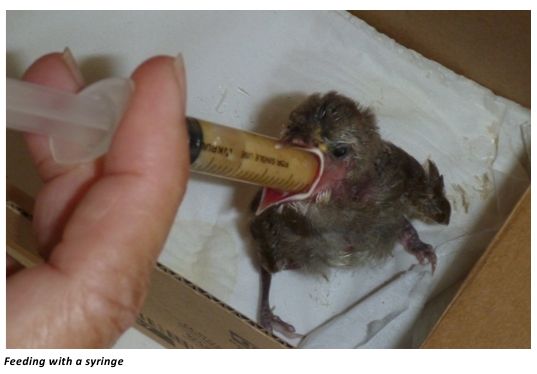
Choosing the right tools is crucial for feeding a hatchling bird safely. A small, soft-tipped syringe or a dropper works well to deliver food gently without harming the fragile beak and mouth. Avoid using spoons or forks, as they can be too sharp or large for the bird’s tiny mouth.
Many bird enthusiasts recommend using a 1 ml syringe because it gives you control over the amount of food given. You can also soften the food to a semi-liquid state, making it easier for the bird to swallow. Have you checked if your feeding tool is clean and free of sharp edges? That’s a simple step that often gets overlooked but is essential to prevent injury or infection.
Feeding Frequency
Newly hatched birds need frequent feedings—usually every 15 to 20 minutes during daylight hours. Their tiny stomachs process food quickly, so regular meals keep their energy up and support steady growth. If you miss a feeding, the bird can become weak and stressed, which puts its health at risk.
As the bird grows, you can gradually space out the feeding intervals. But early on, consistency is key. Are you prepared to feed your hatchling around the clock if necessary? It’s demanding, but vital for the bird’s survival.
Feeding Position
How you hold the bird during feeding affects its ability to swallow safely. The bird should be held upright or slightly tilted forward to mimic the natural position when the parent bird feeds its chicks. This helps prevent aspiration—when food accidentally enters the lungs, which can cause serious problems.
Support the bird gently with one hand, using your fingers to keep it steady but not squeezed. A steady position reduces stress and makes feeding smoother for both you and the hatchling. Have you noticed how a calm feeding environment improves the bird’s willingness to eat? Sometimes, simple adjustments in positioning can make all the difference.

Credit: www.amazon.ca
Monitoring Growth And Health
Monitoring the growth and health of a newly hatched bird is vital for its survival and development. Careful observation helps catch any problems early. It ensures the bird receives proper nutrition and care. This section covers key signs and methods to track the bird’s progress effectively.
Weight Tracking
Regularly weighing the bird shows if it is growing well. Use a small, precise scale designed for tiny animals. Record the weight daily at the same time to notice trends. A steady weight gain indicates good health. Sudden weight loss or no gain signals a problem. Keep a simple chart to track changes over days and weeks.
Signs Of Malnutrition
Watch for physical signs that suggest poor nutrition. A thin body or sunken eyes can mean malnutrition. Feathers may look dull or grow slowly. The bird might have swollen joints or a weak stance. Poor appetite or refusal to eat also indicates issues. Early detection allows for quick dietary adjustments.
Behavioral Indicators
Changes in behavior reveal the bird’s health status. A healthy hatchling is active and alert. It calls for food and responds to sounds. Lethargy or constant sleeping may signal illness. Unusual quietness or restlessness needs attention. Observing behavior helps catch problems before they worsen.
Common Challenges
Feeding a newly hatched bird comes with a unique set of challenges that can quickly overwhelm even experienced caregivers. These tiny creatures are extremely vulnerable, and their survival depends heavily on your attention to detail and timely intervention. Understanding these common obstacles can help you prepare and respond effectively to your bird’s needs.
Refusal To Eat
Newborn birds may refuse food for several reasons, including stress, illness, or unfamiliarity with the feeding process. This can be frustrating and worrying, but patience is key. Try different feeding techniques, like adjusting the temperature or texture of the food, and observe closely to see what triggers a response.
Have you noticed that sometimes a simple change, like using a smaller syringe or softer food, makes a big difference? Keep experimenting gently until you find what works. If refusal continues beyond a few hours, it’s critical to seek advice from a vet, as this can quickly become life-threatening.
Dehydration Risks
Dehydration is a silent threat to hatchlings because they can’t communicate their discomfort. Birds this young lose water rapidly, especially if they aren’t feeding properly. You must provide fluids alongside nutrition, but be careful to avoid overhydrating, which can cause choking or aspiration.
To balance hydration, offer small amounts of water or electrolyte solutions using a dropper between feedings. Watch for signs like sunken eyes or lethargy, which indicate dehydration. Acting early can prevent serious complications and improve your bird’s chances of thriving.
Handling Illness
Illness in a hatchling can escalate quickly, often triggered by stress or improper feeding. Common symptoms include lethargy, unusual droppings, or difficulty breathing. Keeping a clean environment and monitoring your bird closely helps catch illness early.
If you spot any warning signs, don’t hesitate to contact a specialist. Quick treatment could be the difference between recovery and permanent harm. Remember, your vigilance is the best defense your hatchling has against illness.
Credit: besgroup.org
When To Seek Veterinary Help
Knowing when to seek veterinary help for a newly hatched bird can make a huge difference in its survival and health. You might feel confident caring for the chick, but certain signs and routine checks should never be ignored. Understanding these moments ensures your little bird gets the expert care it needs before problems get worse.
Emergency Symptoms
Some symptoms need immediate veterinary attention. If your chick shows difficulty breathing, persistent lethargy, or refuses to eat for more than a few hours, these are red flags. Sudden swelling, bleeding, or abnormal droppings also demand urgent care.
Have you noticed any strange noises from your bird’s throat or a swollen belly? These might seem minor but can quickly turn serious. Acting fast can save your chick’s life.
Routine Checkups
Even if your chick appears healthy, scheduling regular vet visits is crucial. Routine checkups help catch hidden issues early, like parasites or nutritional deficiencies. Your vet can also guide you on proper feeding schedules and environmental care.
Think about how often you check your own health—newborn birds need similar attention. These visits build a baseline for your bird’s growth and development, so you know what’s normal and when to worry.
Specialist Referrals
Sometimes, your regular vet might recommend seeing a specialist. Exotic bird vets or avian specialists have deeper knowledge about delicate chicks and rare conditions. They can provide advanced diagnostics and tailored treatments.
If your chick has ongoing issues like developmental delays or persistent infections, don’t hesitate to ask for a referral. Getting expert advice early can prevent long-term problems and improve your bird’s quality of life.
Frequently Asked Questions
What Is The Best Food For A Newly Hatched Bird?
Newly hatched birds need high-protein, easily digestible food. Soft insects, boiled eggs, or commercial hand-feeding formula work best. Avoid solid foods until their digestive system matures.
How Often Should I Feed A Bird That Just Hatched?
Feed hatchlings every 15 to 20 minutes during daylight. Young birds have fast metabolisms and need frequent feeding to grow healthy and strong.
Can I Feed A Hatched Bird With Homemade Food?
Yes, but ensure homemade food is nutritious and soft. Mix boiled egg yolk, baby cereal, and water. Avoid seasoning and hard textures to prevent choking.
When Can A Hatched Bird Start Eating Solid Food?
Start introducing soft solids after 10-14 days. Gradually add finely chopped fruits, vegetables, and seeds. Observe the bird’s response and adjust feeding accordingly.
Conclusion
Feeding a newly hatched bird is crucial for its survival. Choose the right food to support its growth. Use a mixture of crushed seeds and insects. Ensure the food is fresh and easy to digest. Hydration is vital, but avoid direct water.
Instead, provide moisture-rich foods. Monitor the bird’s response to the diet. Adjust as needed for its health. Always research specific needs for the bird species. Seek advice from experts if unsure. Proper care ensures the bird thrives. Your commitment makes all the difference in its early life.