
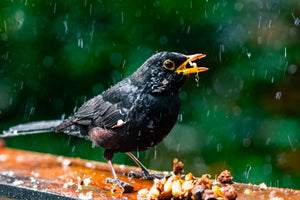
Have you ever noticed how birds struggle to find food when it rains? If you love watching birds and want to help them through wet weather, knowing how to feed birds in the rain is key.
You might think it’s too tricky or that birds don’t need your help, but the truth is, a little effort from you can make a big difference. In this guide, you’ll discover simple, effective ways to keep your feathered friends fed and safe, even on the wettest days.
Keep reading to learn how you can become a hero to your backyard birds when the rain starts falling.
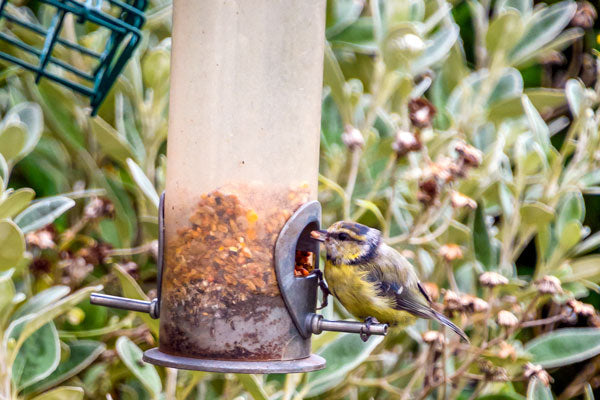
Credit: www.wigglywigglers.co.uk
Choosing The Right Feeder
Choosing the right feeder is key to feeding birds during rain. Not all feeders protect seeds and birds well from wet weather. A good feeder keeps food dry and safe for birds to eat. It also helps birds feel secure while they feed. This section explains what to look for in a feeder for rainy days.
Types Of Weatherproof Feeders
- Covered feeders with roofs shield seeds from rain.
- Tube feeders with small openings limit water entry.
- Squirrel-proof feeders often have built-in covers.
- Hopper feeders store seeds inside a covered container.
- Platform feeders with overhead shelters offer extra protection.
Materials That Withstand Rain
- Plastic feeders resist rust and are easy to clean.
- Metal feeders made of stainless steel last longer outdoors.
- Wood feeders with waterproof coatings blend well with nature.
- Acrylic feeders are clear and keep seeds visible and dry.
Placement For Shelter
- Place feeders under tree branches to reduce rain exposure.
- Mount feeders near walls or fences for wind protection.
- Avoid open areas where rain hits directly from above.
- Use umbrellas or small roofs above feeders for extra cover.

Credit: www.livingwithbirds.com
Selecting Suitable Bird Food
Selecting the right bird food makes feeding birds in the rain easier and more effective. Wet weather can spoil some foods quickly. Choosing food that stays fresh and tasty helps birds stay healthy and visit often. Focus on options that resist moisture, avoid mold, and attract birds active in rainy weather. This approach keeps feeders clean and birds happy.
Moisture-resistant Seeds
Seeds with hard shells handle rain better. They do not get soggy fast. Sunflower seeds, safflower seeds, and peanuts work well. These seeds keep their shape and nutrients even when wet. Offering moisture-resistant seeds reduces waste and mess. Birds prefer seeds they can eat easily without slipping or rotting.
Avoiding Mold-prone Options
Some bird foods spoil quickly in damp conditions. Soft grains and bread fall into this group. Mold grows fast on wet, soft foods. Mold can harm birds’ health. Avoid feeding bread, crackers, or wet mixes during rain. Keep feeders clean and dry. Replace any wet food to prevent mold growth and bird sickness.
Food That Attracts Rainy Day Birds
Certain birds visit feeders more in rain. These birds like high-energy, easy-to-find foods. Black oil sunflower seeds attract many types. Suet cakes provide energy and stay firm in wet weather. Peanuts offer protein and fat. These foods help birds stay warm and active in rain. Choose foods that suit local rainy day birds for best results.
Maintaining Feeders During Rain
Keeping your bird feeders in good shape during rainy days is key to attracting and supporting your feathered friends. Wet conditions can quickly spoil food and create a messy, unhealthy environment for birds. Paying attention to maintenance ensures that the food stays fresh and your feeders remain a safe spot for birds to visit even on gloomy days.
Keeping Food Dry
Moisture is the enemy of bird food. Wet seeds can clump together, mold, and become inedible. To keep food dry, place feeders under eaves or tree branches that provide natural shelter.
You can also use feeders with built-in covers or add small waterproof roofs. Another trick is to line tray feeders with a mesh bottom so water drains away quickly. Have you noticed how birds avoid soggy seeds? That’s your cue to improve protection.
Cleaning Tips To Prevent Spoilage
Rain can cause leftover food to rot and attract bacteria. Clean your feeders regularly to stop this from happening. Use a solution of one part white vinegar to four parts water to scrub feeders clean.
Rinse well and dry before refilling. Avoid harsh chemicals that might harm birds. Keeping feeders spotless not only extends their life but also keeps birds healthy. How often do you check your feeders for mold or mildew?
Refilling Strategies In Wet Weather
Refill feeders more often during rainy spells to replace spoiled seeds. Smaller, more frequent refills help ensure birds always find fresh, dry food. Avoid overfilling trays where water can accumulate and ruin the seeds.
Try using seed mixes that resist moisture better, like safflower or peanuts. Watch how birds react to your refilling routine and adjust accordingly. Could a little extra effort on your part make a big difference in their survival during wet weather?
Creating Shelter And Comfort
Feeding birds in the rain requires more than just putting out food. Birds need shelter and comfort to feel safe while they eat. Creating a protected space can keep them dry and encourage frequent visits to your feeder.
Natural Cover And Plantings
Using natural cover like dense shrubs and trees offers birds a place to hide from rain and predators. Evergreen trees are especially good because they provide year-round shelter. Have you noticed how birds flock under pine branches during a downpour? That’s their way of staying dry and secure.
Add some native bushes near your feeding spot to create a natural canopy. It’s a simple way to support local wildlife while protecting your feathered friends.
Diy Rain Shields
You can easily build rain shields to keep feeders dry. A clear plastic umbrella or a shallow dish mounted above the feeder works well. Make sure the shield is wide enough to cover the feeding area without blocking access.
I once attached a piece of corrugated plastic above my feeder, and the difference was immediate. Birds stayed longer and returned more often, even during heavy rain. What materials do you have around that could serve as a rain guard?
Safe Perching Spots
Birds need dry, stable perches to rest while they eat. Wet or slippery perches can discourage them from stopping by. Adding rough wood or textured materials gives birds a better grip, especially in wet conditions.
Consider installing perches near your feeder that are sheltered or partially covered. This small change can make your feeding station much more inviting on rainy days.
Monitoring Bird Behavior
Monitoring bird behavior during rainy weather is key to understanding their needs and adjusting your feeding routine effectively. Birds often change their habits when the skies open up, and paying close attention can help you provide better care. Observing subtle clues can make the difference between a well-fed visitor and one struggling to find food.
Signs Of Hunger In Rainy Weather
Birds tend to show clear signs when they’re hungry, even in the rain. You might notice more frequent visits to your feeder or birds lingering longer than usual. Look for increased activity like persistent pecking or calling sounds near feeding spots.
Sometimes, birds fluff their feathers to stay warm but still come back repeatedly to check for food. This behavior signals they need extra energy to combat the cold and wet conditions. Have you noticed if your garden birds act more restless on rainy days?
Adjusting Feeding Times
Rain can disrupt birds’ usual feeding patterns, so try offering food during breaks in the weather. Early mornings and late afternoons often work best when rain pauses. Birds may avoid feeders during heavy downpours but return quickly once it lessens.
Consider extending feeding hours or topping up your feeders more frequently. This gives hungry birds better chances to refuel when conditions improve. Have you experimented with different feeding schedules to see what your local birds prefer?
Encouraging Frequent Visits
To invite more birds during rainy spells, keep your feeder sheltered and dry. Place feeders under eaves or trees that provide natural cover. Wet food can spoil quickly, so use feeders that protect seeds from moisture.
Adding high-energy foods like suet or nuts can also attract birds seeking extra calories. Watching them return often not only helps them survive but also gives you rewarding moments outdoors. What changes can you make today to help your feathered friends stay nourished in the rain?

Credit: www.arkwildlife.co.uk
Frequently Asked Questions
How Can I Keep Bird Food Dry In The Rain?
Use covered feeders or place feeders under shelter like trees or porch roofs. Waterproof seed trays also work well.
What Types Of Bird Food Are Best During Rain?
High-fat seeds like sunflower and peanuts provide energy. Avoid wettable foods like bread that spoil quickly.
How Often Should I Clean Feeders In Rainy Weather?
Clean feeders every 3-4 days to prevent mold and bacteria growth. Wet conditions increase contamination risk.
Can Birds Find Natural Food During Heavy Rain?
Rain reduces insect activity and seed availability. Supplemental feeding helps birds maintain energy in wet weather.
Conclusion
Feeding birds in the rain is simple with the right steps. Ensure bird food stays dry. Use covered feeders to protect seeds. Position feeders under trees for added shelter. Choose high-energy foods like suet. Birds need extra energy in wet conditions.
Regular checks keep food fresh and safe. Clean feeders to prevent mold and bacteria. Enjoy the sight of grateful birds visiting. They bring joy, even on rainy days. Your efforts help them thrive. Keep your bird-friendly space inviting and safe.
Happy birdwatching, rain or shine!