
Have you ever found a tiny baby bird fallen from its nest and wondered, “What do I feed this little nestling?” It’s natural to want to help, but feeding a baby bird isn’t as simple as offering just any food. Giving the wrong meal can harm its chances of survival.
If you want to make sure your feathered friend grows strong and healthy, you need to know exactly what to feed a nestling baby bird—and how to do it right. Keep reading, and you’ll discover easy, practical tips that could save a life.
Credit: besgroup.org
Identifying A Nestling Bird
Spotting a nestling bird can be tricky if you don’t know what to look for. These tiny birds are at a vulnerable stage, often hidden in nests and looking very different from adult birds. Identifying them correctly is key to knowing how to care for them or decide if they need help.
Characteristics Of Nestlings
Nestlings usually have soft, sparse feathers or are sometimes completely bare-skinned. Their eyes might be closed or just starting to open, and they often have large, prominent beaks compared to their head size.
Unlike fledglings, nestlings can’t hop or flutter away yet. They rely heavily on their parents for warmth and food. You might notice them opening their mouths wide and making soft begging calls when they sense movement.
Have you ever seen a tiny bird that looks almost helpless? That’s a nestling—usually less than two weeks old and totally dependent on care.
Common Nestling Species
Different bird species have distinct nestling appearances. Here are a few you might come across:
| Species | Appearance | Key Traits |
|---|---|---|
| American Robin | Pinkish skin with sparse gray down feathers | Wide yellow gape and closed eyes during early days |
| House Sparrow | Grayish skin with some down feathers | Big beak and frequent loud begging calls |
| Blue Jay | Mostly bare with few fluffy feathers | Large head and bright yellow mouth lining |
Knowing these differences helps you understand what you’re seeing and how urgent the situation might be. What would you do if you found a nestling that looked weak or injured?
Safe Handling Practices
Handling a nestling baby bird requires care and caution. Safe handling ensures the bird stays healthy and unharmed. It also helps protect the person caring for the bird. Proper techniques reduce the risk of injury or stress to the baby bird.
When To Intervene
Intervene only if the nestling is in danger or abandoned. Avoid touching the bird if the parents are nearby. Look for signs of injury or extreme weakness. If the nest is destroyed or the bird falls, it may need help. Contact a wildlife expert before moving the bird.
Minimizing Stress
Keep handling brief and gentle. Use soft gloves or a clean cloth to hold the bird. Handle the nestling in a quiet, calm place. Avoid loud noises and sudden movements. Keep the bird warm but not overheated. Return the bird to its nest quickly if safe to do so.
Diet Basics For Nestlings
Feeding a nestling baby bird is a delicate task that demands understanding their specific dietary needs. These tiny creatures rely entirely on you for nourishment during their early days. Providing the right food helps them grow strong feathers, develop muscles, and boost their immune system.
Nutritional Needs
Nestlings require a high-protein diet to support rapid growth. Protein is essential for building tissues and developing organs. Insects like mealworms, crickets, and finely chopped earthworms are excellent sources of protein.
Along with protein, they need fats for energy. Small amounts of soft fruits and soaked dog kibble can provide fats and carbs. Calcium is another key nutrient for bone development; crushed eggshells or calcium supplements help meet this need.
Have you ever wondered why birds seem so eager to be fed? Their tiny bodies burn energy quickly, so they need frequent meals—sometimes every 15 to 20 minutes during daylight hours.
Foods To Avoid
Not all foods are safe for nestlings, even if they seem healthy. Avoid feeding bread or milk—these can cause digestive issues and malnutrition. Salt, sugar, and processed foods are harmful and should never be given.
Raw meat and seasoned foods are risky because they may contain bacteria or spices that upset a baby bird’s stomach. Also, avoid feeding whole seeds or nuts, which can be choking hazards or difficult to digest.
It’s tempting to share what you eat, but remember: what’s good for you isn’t always good for a nestling. Your careful choices can make the difference between life and death for these fragile birds.
Best Food Options
Feeding a nestling baby bird requires careful attention to its nutritional needs. The best food options focus on providing high protein and easy-to-digest nutrients. Choosing the right food can make a big difference in the bird’s growth and survival chances.
Insects And Protein Sources
Baby birds need a lot of protein to grow strong feathers and muscles. Live insects like mealworms, crickets, and small caterpillars are excellent choices because they closely mimic what parent birds naturally feed their young.
You can also offer soft-bodied insects to prevent choking. Avoid hard or sharp-shelled insects that could harm the nestling’s delicate mouth.
Don’t forget about other protein sources such as finely chopped boiled eggs or small bits of cooked chicken. These provide essential amino acids and are easy for the baby bird to digest.
Commercial Bird Food Alternatives
If live insects aren’t available, commercial bird foods designed for baby birds can be a helpful alternative. Look for formulas labeled for nestlings or hand-feeding, as they contain balanced nutrients tailored for young birds.
Mix dry powders with water to create a soft, porridge-like consistency. This makes feeding easier and reduces the risk of choking.
Always check the ingredients to avoid fillers or artificial additives that could harm the baby bird. Have you ever tried feeding a baby bird with store-bought food? Your experience can guide you in choosing the best brand.
Feeding Techniques
Feeding a nestling baby bird requires care and attention to ensure its health and growth. Proper feeding techniques help mimic what parent birds do in nature. It involves the right tools, safe handling, and correct timing. Understanding these steps makes feeding easier and safer for the bird.
How To Feed Safely
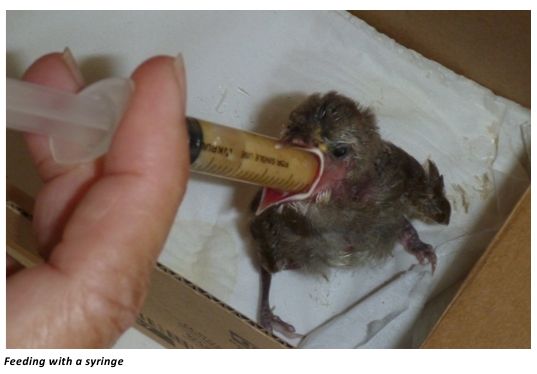
Use a small, soft tool like a dropper or tiny spoon for feeding. Avoid using large or sharp objects that can hurt the baby bird’s mouth. Warm the food to match the bird’s body temperature before feeding. Always wash your hands before and after feeding. Hold the bird gently and steady to prevent injury. Feed the bird slowly to avoid choking or aspiration. Stop feeding if the bird shows signs of distress or discomfort.
Feeding Frequency And Amounts
Feed the nestling every 20 to 30 minutes during daylight hours. Young birds need frequent meals because they grow quickly. Start with small amounts of food for each feeding. Watch the bird’s crop (a small pouch in its throat) to know when it is full. Avoid overfeeding to prevent health problems. As the bird grows, reduce feeding frequency and increase food amount gradually. Keep feeding regular until the bird can eat on its own.
Credit: www.petsradar.com
Hydration Tips
Keeping a nestling baby bird hydrated is vital for its survival and growth. These tiny birds cannot drink water like adults. They rely on careful feeding and moisture-rich food to stay hydrated. Understanding how to provide water safely and spotting dehydration signs can save their lives.
Providing Water Safely
Never give water directly to a nestling. This can cause choking or aspiration. Instead, offer moisture through their food. Soft insects like mealworms or soaked cat food work well. Use a small dropper or syringe to add tiny water drops to their mouth if needed.
Keep water clean and fresh. Use lukewarm water, not cold. Avoid force-feeding water as it can harm the bird. Always handle the bird gently and calmly during feeding.
Signs Of Dehydration
- Dry, wrinkled skin around the eyes and beak
- Weakness or lethargy
- Sunken eyes
- Slow movements or unresponsiveness
- Sticky or dry mouth inside the beak
Spotting these signs early is crucial. If a nestling shows dehydration symptoms, increase moisture in its food immediately. Seek help from a wildlife rehabilitator if possible.
Monitoring Growth And Health
Monitoring the growth and health of a nestling baby bird is crucial for its survival. Careful observation helps detect problems early. Healthy growth means the bird is getting the right food and care. Keep track of size, weight, and behavior daily. Small changes can signal health issues that need attention.
Tracking Development Milestones
Watch for key signs as the bird grows. Nestlings should start to grow feathers within a week. Weight gain is steady and visible. The bird’s eyes open around 5 to 7 days old. Movements become stronger and more coordinated over time. Note if the bird shows energy and interest in food. A healthy bird will react to sounds and light.
- Feather growth begins by day 7
- Eye opening between days 5 and 7
- Steady weight gain each day
- Increased activity and alertness
When To Seek Veterinary Help
Some signs mean immediate care is needed. Lack of weight gain for several days is a warning. Weakness or constant sleeping may show illness. If the bird refuses food or vomits, act fast. Swollen eyes, wounds, or abnormal breathing require a vet. Early help increases chances of recovery. Never delay if the bird seems very weak or injured.
Preparing For Fledging
Preparing a nestling baby bird for fledging is a crucial phase in its development. This stage requires careful attention to gradually shift from total dependence to budding independence. Your role is to guide and support the young bird as it learns essential survival skills.
Encouraging Independence
Encouraging independence means allowing the bird to start feeding itself while still providing help when needed. You can offer food in small, manageable pieces placed near the nestling to stimulate natural foraging behavior.
Try stepping back a little during feeding times. Notice if the bird attempts to pick up food on its own. This practice builds confidence and prepares it for life outside the nest.
Have you observed how quickly a baby bird reacts when given the chance to feed independently? It’s remarkable how fast they catch on when you provide the right conditions.
Supporting Flight Skills
Flight practice is essential before a bird can leave the nest safely. You can help by creating a safe, enclosed space where the young bird can flap and glide without risk.
Encourage short flights by positioning perches at varying heights. This setup challenges the fledgling to strengthen its wings and balance.
Watch for signs of fatigue or frustration and give rest breaks. Supporting their physical development with patience leads to stronger, more confident flyers ready for the wild.

Credit: www.green-feathers.co.uk
Frequently Asked Questions
What Is The Best Food For Nestling Baby Birds?
Nestling baby birds need protein-rich foods like insects, worms, and soft fruits. Avoid bread or milk, as they are harmful. Feeding them a diet similar to what their parents provide ensures healthy growth and development.
How Often Should You Feed A Nestling Bird?
Nestling birds require feeding every 15 to 20 minutes during daylight hours. Frequent feeding mimics natural parental care and supports their rapid growth. Be consistent but gentle to avoid stressing the baby bird.
Can I Feed A Baby Bird With Milk Or Bread?
No, milk and bread are unsafe for baby birds. Milk can cause digestive issues, and bread lacks essential nutrients. Instead, offer protein-rich foods like insects or specialized bird formulas recommended by wildlife experts.
How To Prepare Food For Orphaned Nestling Birds?
Mash soft insects, boiled eggs, or use commercial bird formula for feeding. Ensure the food is moist and easy to swallow. Avoid feeding solid or hard pieces that can choke the baby bird.
Conclusion
Feeding a nestling requires care and understanding. Choose soft, nutritious foods. Insects and berries work well. Avoid giving bread or milk. Consistency in feeding times is important. Use small, frequent meals. Watch for signs of health and growth. It’s crucial to mimic natural feeding patterns.
Seek guidance if unsure. Patience and attention ensure the baby bird thrives. With these simple steps, you help nurture a healthy life. Remember, every small effort counts in nature’s cycle.