
Are you wondering why birds won’t come to your window bird feeder, no matter how long you wait? You’ve set it up, filled it with seeds, and hoped for a lively visit, but the birds just stay away.
It’s frustrating, right? The good news is, you’re not alone—and there are simple reasons behind this problem that you can fix. You’ll discover what might be stopping birds from visiting your feeder and how to attract them so you can enjoy their beauty right outside your window.
Keep reading, because the answer is easier than you think.

Credit: www.reddit.com
Common Bird Feeder Issues
Many people wonder why birds avoid their window feeders. Several common issues can cause this problem. Understanding these problems helps attract more birds. Some mistakes are easy to fix. Others require changing habits or equipment.
Location Problems
Placement matters a lot for bird feeders. Birds need a safe, quiet spot. Avoid busy areas with heavy foot traffic or loud noises. Too close to windows may scare birds. They might see their reflection and think it is a rival. Place feeders near trees or shrubs for cover. This gives birds a quick escape from predators.
Feeder Type Mismatch
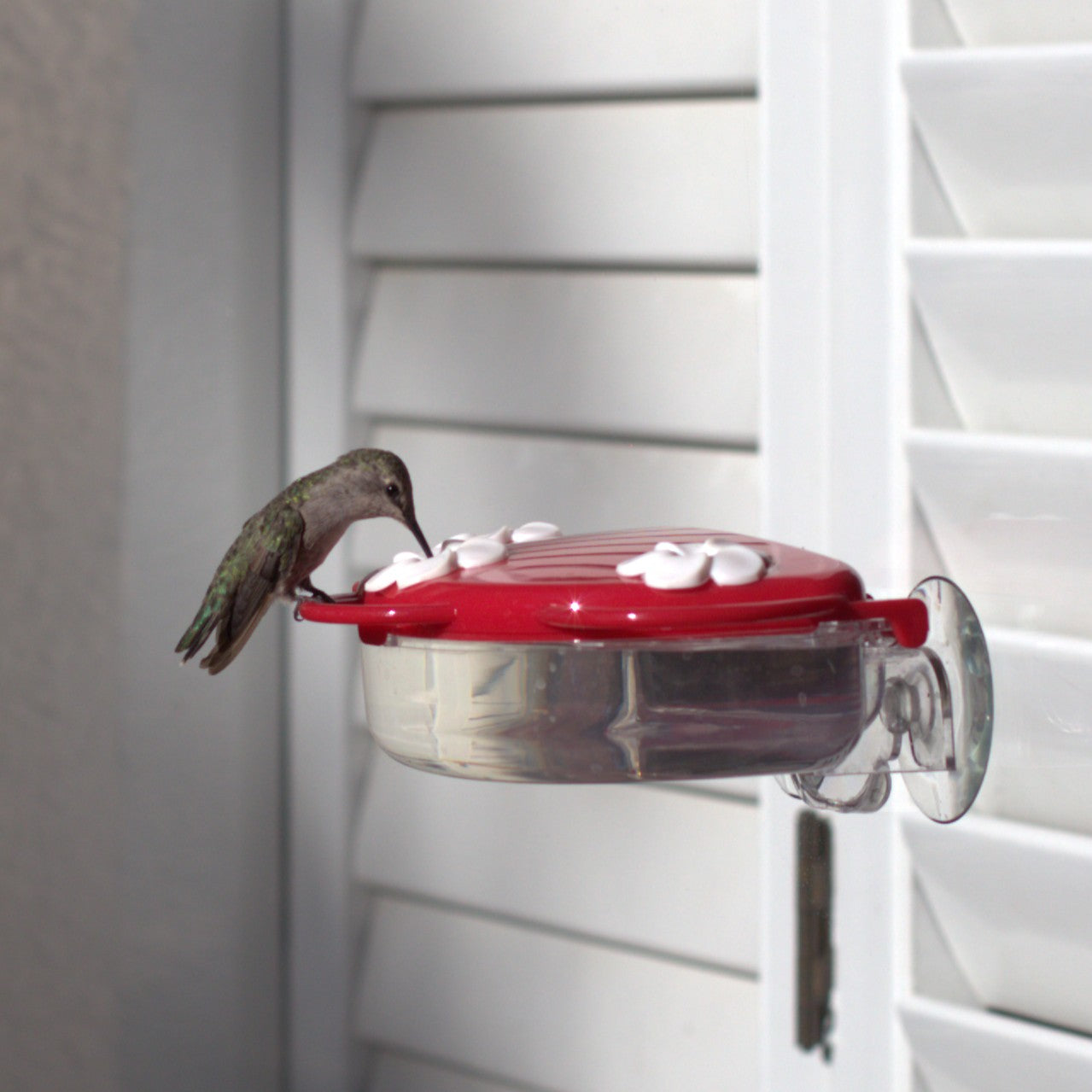
Different birds prefer different feeders. Tube feeders attract small songbirds. Platform feeders serve larger birds like jays and doves. Hummingbirds need nectar feeders. Using the wrong type can keep birds away. Match your feeder style to the birds in your area. This increases your chances of visits.
Food Selection Errors
Birds are picky about food. Some seeds attract many birds; others do not. Black oil sunflower seeds are popular for many species. Avoid cheap mixed seeds with fillers like red millet. These waste space and do not feed birds well. Suet attracts woodpeckers and nuthatches. Keep food fresh and dry to avoid mold.
Maintenance And Cleanliness
Dirty feeders repel birds. Old food can mold and spread disease. Clean feeders regularly with warm water and mild soap. Rinse well and dry completely. Remove any leftover seeds or droppings. Clean feeders keep birds healthy and eager to return.

Credit: www.reddit.com
Environmental Factors
Environmental factors play a big role in whether birds feel safe and comfortable visiting your window bird feeder. Sometimes, it’s not about the food or feeder design but what’s happening around it. Understanding these factors can help you create a more inviting spot for feathered visitors.
Predators Nearby
Birds are always on alert for predators like cats, hawks, or even neighborhood dogs. If these threats are too close, birds will avoid your feeder no matter how tasty the seeds are. I once noticed a sharp decline in visits until I spotted a cat lurking near my feeder. After moving the feeder to a more open area, the birds returned quickly.
Consider these tips to reduce predator risks:
- Place feeders away from dense shrubs where cats can hide.
- Use baffles or cages around feeders to keep predators out.
- Keep pets indoors during peak bird-feeding hours.
Weather Conditions
Weather affects bird activity more than many realize. Birds tend to avoid feeders during heavy rain, strong winds, or extreme temperatures. On cold mornings, you might see fewer birds, but they often return once conditions improve.
Think about how you can protect your feeder from the elements:
- Install feeders under eaves or sheltered spots to shield from rain.
- Use feeders with covers to keep seeds dry.
- Offer fresh water sources when natural ones freeze over.
Noise And Disturbances
Birds are sensitive to noise and sudden movements. If your feeder is near busy streets, loud machinery, or areas with frequent human activity, birds may avoid it. I found that moving my feeder just a few feet away from a noisy window made a noticeable difference in visits.
To create a peaceful feeding environment, try:
- Placing feeders in quieter corners of your yard.
- Limiting loud outdoor activities near feeding times.
- Using plants or fences to buffer noise and movement.
Have you observed any patterns in your yard that might be scaring birds away? Paying attention to these environmental clues could help you welcome more feathered friends to your window feeder.
Attracting Birds Effectively
Attracting birds to your window feeder takes more than just hanging it up. Birds choose feeders based on food quality, safety, and comfort. Understanding what birds want helps make your feeder more inviting. Small changes can bring more feathered visitors to your window.
Choosing The Right Seeds
Birds prefer different seeds depending on their species. Black oil sunflower seeds attract many small songbirds. Nyjer seeds are great for finches. Avoid cheap mixed seeds with fillers like wheat or red millet. These fillers often go uneaten and waste food. Fresh, high-quality seeds keep birds coming back.
Feeder Placement Tips
Place feeders near natural cover like trees or shrubs. This makes birds feel safe from predators. Keep feeders at least 3 feet away from windows to prevent collisions. Place feeders where you can easily watch the birds. Avoid windy or noisy spots that scare birds away.
Using Bird Attractants
Bird attractants like suet, nectar, or fruit can draw different species. Suet is good for woodpeckers and nuthatches. Nectar feeders bring hummingbirds close. Fresh fruit attracts orioles and tanagers. Clean feeders regularly to prevent mold and disease. Healthy food means healthy birds.
Behavioral Patterns Of Birds
Birds follow specific habits that affect their visits to feeders. Understanding their behavior helps explain why birds avoid some feeders. These patterns include when they eat, what types of food they prefer, and how they protect their space.
Feeding Times
Birds eat at certain times during the day. Many birds feed early in the morning and late afternoon. They avoid feeding during the hottest parts of the day. Setting your feeder to be visible during these times can attract more birds.
Species Preferences
Different bird species like different foods. Some prefer seeds like sunflower or millet. Others may like suet or fruit. Using the right type of food for local birds increases visits. Knowing what birds live nearby helps pick the best feed.
Territorial Behavior
Birds often protect their feeding areas from others. Some species are very territorial and chase others away. This can keep smaller or shy birds from your feeder. Placing multiple feeders or spreading them out can reduce conflicts.
Improving Feeder Appeal
Improving the appeal of your window bird feeder can make a big difference in attracting feathered visitors. Sometimes, birds overlook feeders because they lack essential elements that make the spot inviting. By enhancing the environment around your feeder, you create a more comfortable and attractive space for birds to stop by and stay longer.
Adding Water Sources
Birds need water for drinking and bathing, so placing a small water source near your window feeder can boost its appeal. A shallow birdbath or a dripper creates movement and sound that catch birds’ attention. Even a simple dish of fresh water placed nearby can encourage birds to visit more often.
Have you noticed how birds flock to fountains or puddles after rain? You can replicate this natural draw by keeping water clean and refreshed daily. This little addition signals a reliable habitat, making your feeder a regular stop for thirsty or bathing birds.
Providing Shelter Nearby
Birds prefer feeders close to places where they can quickly hide if danger appears. Planting shrubs, small trees, or placing nest boxes near your feeder offers them a safe retreat. This sense of security encourages more frequent visits and longer stays.
Think about your own habits—would you stay somewhere that feels exposed and unsafe? Birds feel the same. Adding shelter elements near your feeder helps them feel protected from predators and harsh weather.
Using Visual And Sound Lures
Bright colors and gentle sounds can attract birds to your window feeder. Adding colorful ribbons, shiny objects, or even a small wind chime nearby can pique their curiosity. Birds are drawn to movement and light reflections, so subtle visual lures work well.
Sounds like soft bird calls or the gentle rustling of leaves can also invite birds closer. However, avoid loud noises that might scare them away. Experiment with different combinations and observe which ones get the best response from your local birds.

Credit: www.reddit.com
Frequently Asked Questions
Why Won’t Birds Visit My Window Bird Feeder?
Birds may avoid your feeder due to location, visibility, or food type. Ensure it’s visible, safe, and stocked with fresh, preferred seeds.
How Can I Attract Birds To My Window Feeder?
Use native seeds, place feeder near shrubs, and avoid sudden movements. Clean feeder regularly to maintain hygiene and attract more birds.
Does Feeder Placement Affect Bird Visits?
Yes, feeders near windows with reflections or high traffic deter birds. Place feeders in quiet, shaded areas for better bird visits.
What Food Do Birds Prefer At Window Feeders?
Most birds prefer sunflower seeds, millet, and suet. Avoid old or moldy food, as it repels birds and can cause illness.
Conclusion
Birds may not visit your feeder for several reasons. Consider feeder location. It should be quiet and safe. Food variety also matters. Offer seeds, nuts, and fruits. Clean your feeder regularly. Dirty feeders can repel birds. Water sources attract birds too.
Fresh water is essential. Be patient. Birds need time to discover new feeders. Create a welcoming environment. Soon, birds will flock to your window. Enjoy the beauty they bring. Keep observing and adjusting. Your efforts will pay off with time.