
If you love watching birds visit your garden, making a bird feeder with peanut butter is a fun and easy way to attract them. You don’t need fancy tools or expensive materials—just a few simple ingredients and a bit of creativity.
Imagine seeing colorful birds fluttering right outside your window, all thanks to something you made yourself. In this guide, you’ll discover step-by-step how to create a bird feeder that birds can’t resist. Ready to bring more life and joy to your outdoor space?
Let’s get started!
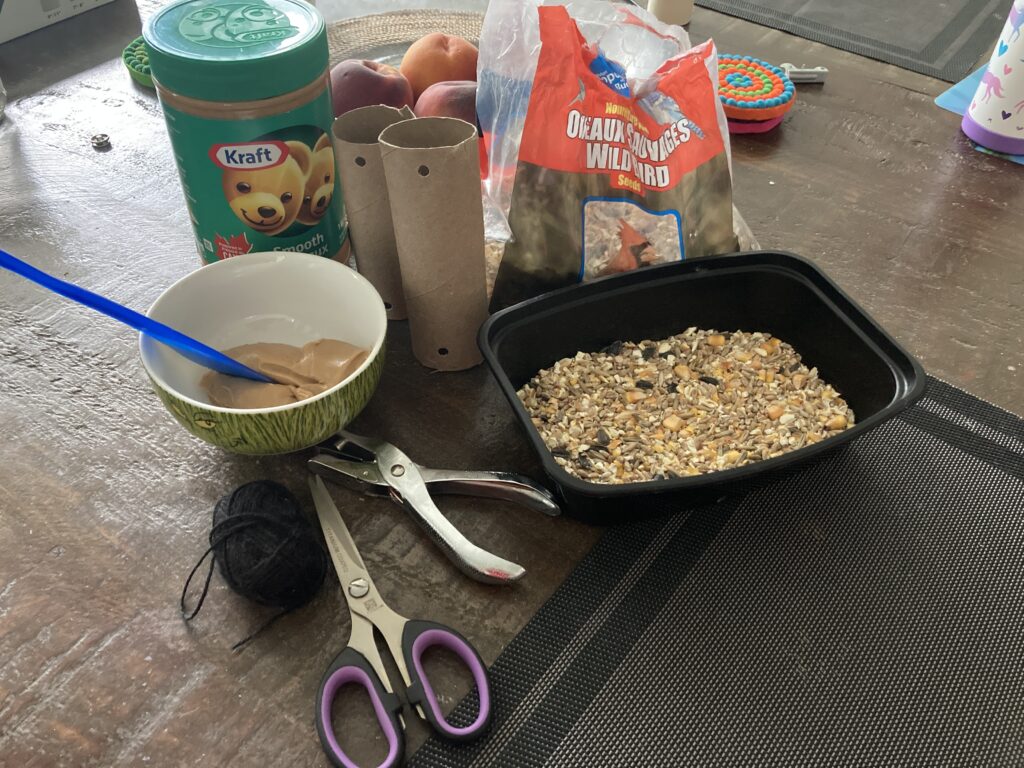
Materials Needed
Gathering the right materials makes creating a bird feeder easy and fun. Most supplies are simple and easy to find. This project suits any beginner or nature lover.
Using peanut butter as the main ingredient helps attract many bird species. It also sticks well to surfaces, making your feeder sturdy and effective.
Peanut Butter
Choose smooth or chunky peanut butter without added sugar or salt. Natural peanut butter works best for birds.
Birdseed
Pick a mix that includes seeds like sunflower, millet, and cracked corn. This variety attracts different birds.
Base For The Feeder
Use items like pine cones, cardboard tubes, or small wooden blocks. These provide a surface to spread peanut butter on.
String Or Twine
This helps hang your feeder safely in a tree or on a hook. Choose a strong, weather-resistant string.
Butter Knife Or Spoon
Use it to spread peanut butter evenly on your chosen base. A small tool works best for easy handling.
Credit: crafty-mummy.com
Choosing The Right Peanut Butter
Choosing the right peanut butter is key to attracting a variety of birds to your homemade feeder. Not all peanut butters are created equal when it comes to feeding wild birds. The texture, ingredients, and even the presence of added salt or sugar can make a big difference in what birds will visit your feeder.
Check For Natural Ingredients
Look for peanut butter that contains just peanuts, or peanuts and a small amount of salt. Avoid brands with added sugar, oils, or preservatives, as these can harm birds. Natural peanut butter is not only healthier for birds but also sticks better to your feeder, making it easier to use.
Choose A Chunky Or Smooth Texture Based On Your Feeder
If you’re making a simple pine cone feeder, chunky peanut butter works great because the nuts add extra texture for birds to enjoy. For feeders where you’ll spread peanut butter on flat surfaces like cardboard or wood, smooth peanut butter spreads more easily and evenly.
Consider Peanut Butter Without Hydrogenated Oils
Hydrogenated oils can be harmful to birds and make the peanut butter too hard in cold weather. Check the label to ensure the peanut butter you pick doesn’t contain these oils. This choice helps keep your feeder fresh and safe, especially in winter.
Is Salt Content Important?
Yes, it is. Salt can dehydrate birds and is best avoided in bird feeders. Opt for low-sodium or no-salt peanut butter to keep your feathered friends healthy. Have you ever noticed which peanut butter your birds prefer? This small change might encourage more visits.
Selecting Suitable Bird Feeders
Choosing the right bird feeder is essential to attract your favorite feathered visitors effectively. The feeder needs to suit the type of birds you want to attract and the environment where you place it. A well-chosen feeder makes your peanut butter treat more accessible and enjoyable for birds.
Types Of Bird Feeders That Work Best With Peanut Butter
Peanut butter is sticky and thick, so the feeder should hold it securely without letting it fall off easily. Tube feeders with mesh sides are great because you can spread peanut butter on the mesh, allowing birds to cling and nibble safely.
Suction cup feeders that stick to windows also work well. They let you watch birds up close while they enjoy the peanut butter treat. Avoid feeders with large openings where peanut butter might fall out quickly.
Material Considerations For Durability And Safety
Wooden feeders blend naturally into outdoor spaces but may absorb moisture, causing peanut butter to spoil faster. Plastic feeders are easy to clean and weather-resistant but can crack in cold weather.
Metal feeders are sturdy and long-lasting, but check for rust that could harm birds. Make sure your feeder’s material is safe and non-toxic since peanut butter attracts a variety of birds.
Placement Tips To Maximize Bird Visits
Place your feeder where birds feel safe from predators. Hanging it near shrubs or trees gives birds a quick escape route. Avoid spots that get too much direct sun; peanut butter can melt and become messy.
Think about visibility too. Will you enjoy watching the birds? Placing feeders near windows or patios can increase your chances of spotting different species up close.
Step-by-step Assembly
Creating a bird feeder with peanut butter is a simple, hands-on activity that brings nature right to your window. The process is straightforward, but paying attention to each step ensures your feeder will attract a variety of birds. Let’s break down the assembly so you can enjoy watching feathered visitors in no time.
Preparing The Base
Start with a sturdy base like a pinecone, a slice of bread, or even a toilet paper roll. Pinecones work great because their natural texture helps the peanut butter stick well. If you choose bread or a roll, make sure it’s fresh enough to hold the spread but not so soft that it falls apart easily.
Consider the size of the base. Bigger bases attract larger birds, while smaller ones are perfect for tiny birds like chickadees. What type of birds do you want to invite to your yard?
Applying Peanut Butter
Use a butter knife or spoon to spread a thick layer of peanut butter all over the base. The thickness is important—it needs to be enough to hold the seeds but not so thick that it’s messy or heavy. Natural peanut butter without added sugar or salt works best as it’s healthier for birds.
Don’t rush this part. Carefully press the peanut butter into all the nooks and crannies if you’re using a pinecone. This helps the seeds stick better and gives birds plenty of places to peck.
Adding Birdseed
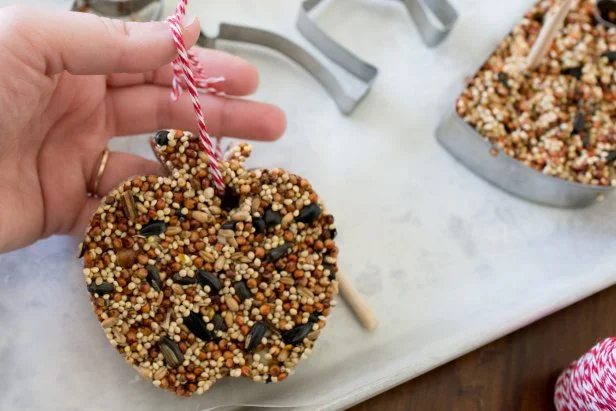
Pour birdseed into a shallow dish or plate, then gently roll or press your peanut butter-covered base into the seeds. Make sure all sides are covered to give birds a full feast. Mix different types of seeds like sunflower, millet, and cracked corn to attract a variety of species.
If seeds fall off easily, add a bit more peanut butter and press again. It’s satisfying to see the seeds stick firmly, isn’t it? Your feeder is almost ready to hang and enjoy!
Best Locations For Placement
Choosing the right spot for your peanut butter bird feeder helps attract more birds. Birds feel safer and more comfortable in certain places. Placement affects how often birds visit and how long they stay.
Think about safety, visibility, and accessibility. Birds avoid places with too much noise or where predators can easily hide. A good spot offers shelter and clear views for birds to watch for danger.
Near Trees Or Shrubs
Place your feeder close to trees or shrubs. These provide cover for birds to hide from predators. Birds also use branches to rest before and after feeding. Keep it close but not too close to avoid squirrels.
Visible From Windows
Put the feeder where you can see it from inside your home. Watching birds can be relaxing and fun. It also helps you know when to refill the feeder. A clear view encourages birdwatching without disturbing the birds.
Safe From Predators
Choose a spot away from places cats or other animals can hide. Avoid low bushes or dense ground cover near the feeder. Place it high enough to keep birds out of reach. Safety helps birds feed calmly and often.
Protected From Strong Winds
Wind can scare birds away or blow the feeder. Find a spot that blocks strong winds. Near a wall, fence, or thick shrub works well. Protection keeps the feeder stable and birds comfortable.
Easy To Access For Refilling
Make sure you can reach the feeder easily. Regular refills keep birds coming back. Avoid placing it in hard-to-reach spots. Convenience helps you maintain the feeder often and enjoy bird visits.
Credit: www.foodnetwork.com
Tips To Attract More Birds
Attracting more birds to your peanut butter bird feeder makes your outdoor space lively and fun. Small changes in placement, food choices, and feeder design can invite a variety of birds. These tips help create a welcoming spot for birds to visit often.
Choose The Right Location
Place your feeder in a quiet spot. Birds prefer areas near trees or shrubs for safety. Avoid placing feeders too close to busy walkways or noisy places. This helps birds feel safe and comfortable.
Use Fresh Peanut Butter
Always use fresh, natural peanut butter without added sugar or salt. Birds love the natural taste and energy it provides. Avoid peanut butter that is too sticky or hard, as birds may find it hard to eat.
Include Variety Of Seeds
Add sunflower seeds, millet, or cracked corn around the peanut butter. This attracts different bird species. A mix of seeds and peanut butter makes your feeder more appealing.
Keep The Feeder Clean
Regularly clean your bird feeder to prevent mold and bacteria. Dirty feeders can harm birds and reduce visits. Use warm water and mild soap for cleaning.
Provide Fresh Water Nearby
Birds need water for drinking and bathing. Place a birdbath or shallow water dish near your feeder. Clean the water daily to keep it fresh and safe.
Offer Shelter And Perches
Place branches or perches near the feeder. Birds rest there before and after feeding. Trees or bushes nearby offer protection from predators and weather.
Maintenance And Cleaning
Maintaining and cleaning your bird feeder made with peanut butter is essential. It keeps the birds healthy and the feeder attractive. Dirt, mold, and old food can harm birds. Regular care helps your feeder last longer and stay safe.
How Often To Clean Your Bird Feeder
Clean the feeder every two weeks. In wet weather, clean it more often. Check for mold or spoiled food daily. Remove any old peanut butter or seeds quickly. Clean more if many birds visit your feeder.
Steps To Clean The Bird Feeder Safely
- Remove all leftover peanut butter and seeds.
- Soak the feeder in warm, soapy water for 10 minutes.
- Use a soft brush to scrub away dirt and mold.
- Rinse the feeder with clean water thoroughly.
- Let the feeder dry completely in the sun before refilling.
Signs Your Bird Feeder Needs Maintenance
Watch for cracked or broken parts. Look for mold or sticky residue. Notice if birds avoid the feeder. These signs mean it needs cleaning or repair. Fix small problems quickly to prevent bigger damage.

Credit: www.firefliesandmudpies.com
Frequently Asked Questions
How Do You Make A Simple Bird Feeder?
To make a simple bird feeder, spread peanut butter on a pine cone. Roll it in birdseed, ensuring it’s well-coated. Attach a string to hang it from a tree branch. This easy project attracts birds and provides them with a nutritious snack.
What Type Of Peanut Butter Is Best For Birds?
Natural, unsweetened peanut butter is best for birds. It should be free of salt, sugar, and artificial additives. This ensures birds receive a healthy treat without harmful ingredients. Always check the label for purity before using it in your bird feeder project.
Can Birds Eat Peanut Butter Safely?
Yes, birds can eat peanut butter safely. It’s a good source of protein and fat. Ensure the peanut butter is natural and unsweetened. Avoid added salt and sugar. When used in moderation, it provides birds with essential nutrients, especially during colder months.
Why Use Peanut Butter For Bird Feeders?
Peanut butter is nutritious and sticky, making it perfect for bird feeders. It attracts various bird species. Its high-fat content provides energy, especially in winter. By using peanut butter, you create an appealing and beneficial feeding option for backyard birds.
Conclusion
Making a bird feeder with peanut butter is simple and fun. It helps feed birds in your garden. Birds enjoy the taste and energy from peanut butter. You need only a few materials to start. This project brings nature closer to your home.
Watching birds visit feels relaxing and joyful. Try it today and see the birds gather. It’s a great way to connect with wildlife. Enjoy the peaceful moments while feeding your feathered friends.