
Do you want to invite more birds to your garden and enjoy their cheerful presence every day? Making a bird feeder is easier than you think, and it’s a fun way to connect with nature right outside your window.
Imagine watching colorful birds come close, feeding from something you built with your own hands. In this guide, you’ll discover simple steps to create a bird feeder that suits your space and attracts your favorite feathered friends. Keep reading, and you’ll have your bird feeder ready in no time!

Credit: www.moonbow.world
Choosing The Right Bird Feeder
Choosing the right bird feeder is key to attracting birds to your yard. Different birds prefer different feeders, so picking the best type helps you enjoy more visits. The right feeder also keeps seeds fresh and safe from pests.
Types Of Bird Feeders
- Tube Feeders:Great for small birds like finches and chickadees.
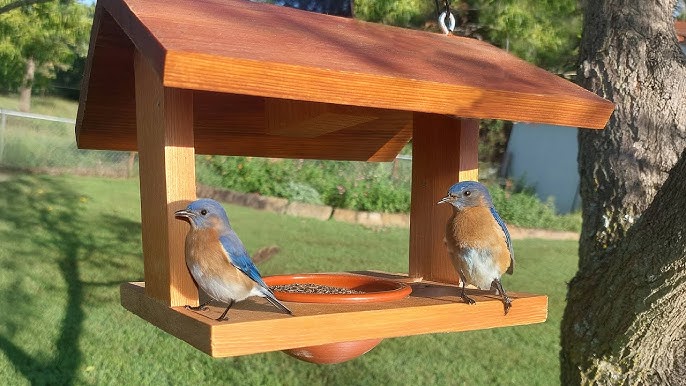
- Platform Feeders:Open and easy to clean; attract a variety of birds.
- Hopper Feeders:Hold large amounts of seed and protect it from rain.
- Suction Cup Feeders:Attach to windows for close-up bird watching.
- Nectar Feeders:Designed for hummingbirds and orioles.
Materials To Use
- Wood:Natural look, blends well with garden settings.
- Plastic:Lightweight and easy to clean but may fade in sun.
- Metal:Durable and weather-resistant, good for long-term use.
- Glass:Attractive but fragile; best for protected areas.
Location Tips
- Place feeders near trees or shrubs for bird shelter.
- Keep feeders at least 5 feet away from windows to prevent collisions.
- Ensure easy access for refilling and cleaning.
- Choose a spot visible from your favorite viewing area.
- Avoid placing feeders too close to areas with heavy foot traffic.

Credit: www.youtube.com
Simple Diy Bird Feeder Ideas
Creating your own bird feeder can be a rewarding experience that brings nature closer to your home. Simple DIY bird feeder ideas use everyday items you might already have, making it easy and affordable. These feeders not only attract beautiful birds but also offer a fun project to try on a weekend.
Plastic Bottle Feeder
A plastic bottle feeder is a perfect way to recycle while feeding birds. You only need a clean bottle, some wooden spoons, and birdseed. Cut holes for the spoons to stick through, fill the bottle with seed, and hang it outside.
This design lets seeds fall onto the spoons, giving birds a spot to perch while they eat. It’s simple to refill and keeps seeds dry, making it a practical choice for any backyard.
Wooden Spoon Feeder
Wooden spoons are great for a minimalist bird feeder. Attach a few spoons to a small board or hang them individually from a string. Spoon bowls catch seeds, and the handle acts as a perch.
This idea is quick to assemble and looks charming in any garden. Have you noticed how birds prefer feeders where they can comfortably sit? Wooden spoons offer just that.
Tin Can Feeder
Using a tin can creates a sturdy, durable feeder. Clean the can, punch holes near the rim for hanging, and add perches by gluing small sticks or dowels. Fill it with seeds and hang it where birds can easily spot it.
Its solid shape protects seeds from wind and rain. Plus, the metal surface is easy to decorate with paint, making it a fun craft for kids.
Pine Cone Feeder
Pine cones make natural-looking feeders that blend well into the environment. Simply smear peanut butter or suet on the pine cone and roll it in birdseed. Attach a string to hang it from a tree branch.
This feeder attracts a variety of birds that enjoy suet and seeds. It’s a great way to use materials found in your backyard and can be made in minutes.
Selecting Bird Food
Selecting the right bird food is key to attracting birds to your feeder. Different birds prefer different foods. Offering a variety invites more types of birds. Quality food keeps birds healthy and coming back. Avoid foods that can harm birds or cause illness. Focus on natural choices that suit your local bird species.
Seeds For Different Birds
Black oil sunflower seeds attract many birds. They have thin shells easy to crack. Nyjer seeds are perfect for finches and small birds. Safflower seeds appeal to cardinals and grosbeaks. Millet is a favorite of ground-feeding birds like doves. Use a mix to attract a wide range of birds.
Fruit And Suet Options
Many birds enjoy fresh fruit like apple slices and berries. Fruit attracts orioles, thrushes, and tanagers. Suet provides high energy, especially in winter. Use suet blocks or balls with seeds and nuts. Homemade suet mixes can include peanut butter and oats. Place these foods in separate feeders to avoid spoilage.
Avoiding Harmful Foods
Avoid bread, as it lacks nutrition and can harm birds. Do not offer salty, sugary, or processed foods. Avoid raw beans and onion bits; they are toxic. Stay away from moldy or spoiled food. Always keep feeders clean to prevent disease. Healthy food choices protect birds and support their wellbeing.
Credit: www.youtube.com
Maintaining Your Bird Feeder
Keeping your bird feeder in good shape is key to attracting healthy birds and enjoying their visits regularly. A well-maintained feeder prevents mold, pests, and helps your feathered friends stay safe. Let’s look at some practical tips to keep your feeder clean, stocked, and pest-free.
Cleaning Tips
Dirty feeders can spread diseases among birds. Clean your feeder at least once every two weeks using warm water and mild soap. Scrub all surfaces thoroughly, including corners and feeding ports, to remove old seeds and debris.
Rinse well to avoid soap residue, which can harm birds. During wet or humid weather, increase cleaning frequency to once a week to prevent mold growth. If you spot mold or clumps of wet seed, clean immediately—don’t wait.
Refilling Schedule
Keeping your feeder full encourages birds to visit often. Check the seed level daily, especially in busy seasons like winter or early spring. Refill before the food runs out to avoid interruptions in feeding.
Use fresh seed each time and store it in a cool, dry place to maintain quality. Have you noticed some seed types attract more birds? Experiment with mixes like sunflower seeds, millet, or nyjer to see what your local birds prefer.
Protecting From Pests
Squirrels, rats, and insects can quickly take over your feeder if you’re not careful. Use squirrel baffles or place feeders on poles with guards to keep these critters away. Consider feeding stations designed to deter pests without harming birds.
Regularly clear spilled seeds from under the feeder to avoid attracting unwanted guests. You might also try adding hot pepper flakes to your seed mix; birds don’t mind the spice, but many pests do. What pest challenges have you faced, and which solutions worked best for you?
Attracting More Birds
Attracting more birds to your feeder creates a lively and colorful garden. Birds seek food, water, and safe places to rest. Combining these elements invites various bird species to visit regularly. Making your outdoor space bird-friendly improves your chances of seeing different birds close up.
Adding Water Sources
Birds need water for drinking and bathing. Place a shallow birdbath near your feeder. Keep the water clean and fresh. Moving water, like a small fountain, attracts more birds. Water helps birds stay healthy and active. It also encourages them to stay longer in your yard.
Planting Bird-friendly Plants
Plants provide food, shelter, and nesting spots. Choose native trees and shrubs with berries and seeds. Flowers that produce nectar attract hummingbirds. Dense bushes protect birds from predators. Plant a variety of species to support different birds. This natural food source complements your feeder offerings.
Using Natural Shelter
Birds look for safe places to hide and rest. Leave some dead branches or logs in your yard. Evergreen trees offer year-round cover. Avoid trimming too much in the nesting season. Create quiet spots away from pets and noise. Natural shelter makes birds feel secure and welcome.
Frequently Asked Questions
What Materials Do I Need To Make A Bird Feeder?
You need basic materials like wood, nails, glue, and birdseed. Optional items include paint, string, and small tools. Choose weather-resistant materials for durability and safety for birds.
How Do I Attract Birds To My Homemade Feeder?
Use fresh birdseed suited for local birds. Place the feeder in a quiet, shaded area. Keep it clean and refill regularly to attract more birds.
What Is The Easiest Bird Feeder Design For Beginners?
A simple platform feeder or a recycled bottle feeder is best. These designs require minimal tools and materials. They are easy to assemble and maintain for new bird enthusiasts.
How Often Should I Clean My Bird Feeder?
Clean your feeder at least once every two weeks. Use warm soapy water and rinse thoroughly. Regular cleaning prevents mold and disease, keeping birds safe.
Conclusion
Crafting a bird feeder is a simple and rewarding task. You can enjoy watching birds flock to your creation. Use materials you already have at home. This project offers a chance to connect with nature. It’s a perfect activity for families and friends.
Remember, each bird feeder is unique. So, feel free to add personal touches. Enjoy the peaceful moments birds bring. Your garden will soon be full of chirping visitors. Happy bird watching!