
Finding an injured baby bird can be upsetting, and you might wonder, “What should I feed an injured baby bird?” You want to help, but feeding the wrong food could do more harm than good. Your quick and careful actions can make a big difference in the bird’s chance to heal and survive.
You’ll discover simple, safe ways to nourish an injured baby bird and give it the best start toward recovery. Keep reading to learn exactly what your new little friend needs right now.
Identifying An Injured Baby Bird
Spotting an injured baby bird can be tricky, especially if you’re not sure what signs to look for. Knowing how to identify injuries early can make a huge difference in the care you provide. Before you decide what to feed or how to help, you need to carefully observe the bird’s condition.
Common Signs Of Injury
Look closely for visible wounds like cuts, bruises, or swelling. An injured baby bird might have feathers missing or ruffled, which shows distress or trauma.
Notice if the bird is unusually quiet or lethargic. Healthy baby birds are often alert and responsive, so lack of movement can be a warning sign.
Watch for difficulty moving or holding its head up. Sometimes, you might see twisted limbs or an inability to perch properly, indicating broken bones or sprains.
Assessing The Bird’s Condition
Gently check if the bird is breathing normally. Rapid or labored breathing suggests internal injury or shock that needs urgent attention.
Try to observe the bird’s eyes—are they open and clear or cloudy and closed? Clear eyes usually mean the bird is conscious and alert, while closed or swollen eyes may indicate pain or infection.
Ask yourself: Can the bird swallow? A baby bird that refuses to eat or drink might have a serious injury affecting its mouth or throat.
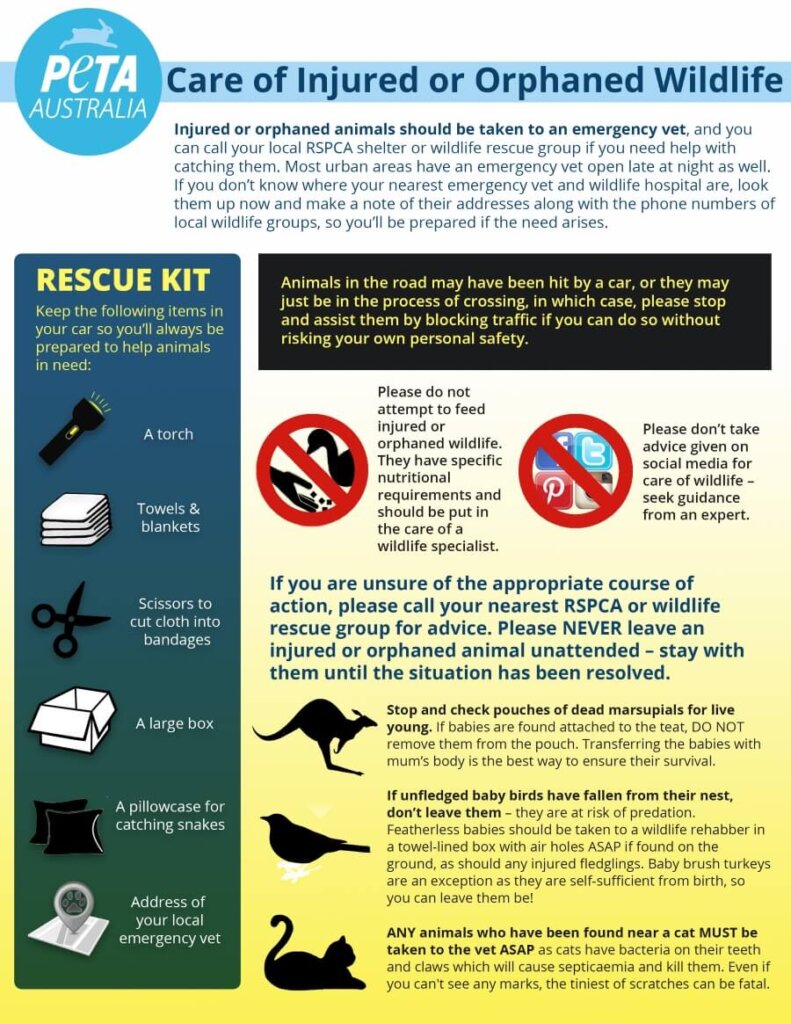
Remember, handling a fragile bird requires care. If you feel unsure about the severity of injuries, contacting a wildlife rehabilitator is your safest bet.
Credit: www.peta.org.au
Immediate Care Steps
When you find an injured baby bird, your actions in the first moments can make a big difference in its chances of survival. Immediate care focuses on minimizing stress and preventing further harm while you prepare to get professional help. Here’s how you can start with safe handling and creating a warm, secure space.
Safe Handling Techniques
Hold the baby bird gently but firmly to avoid injury or escape. Use a soft cloth or gloves to protect both yourself and the bird from scratches or germs.
Keep movements slow and calm to reduce stress. Have you noticed how sudden movements can frighten even adult birds? The same applies even more to fragile babies.
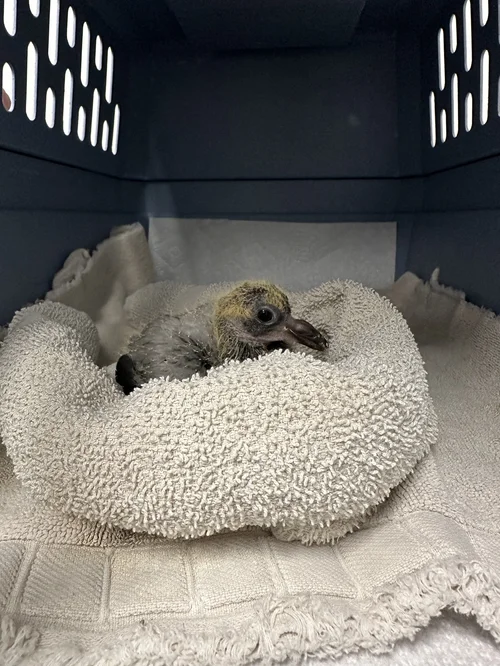
Place the bird in a small box lined with a soft towel. Ensure the box has air holes but is enclosed enough to prevent the bird from falling out or getting hurt.
Creating A Warm Environment
Baby birds cannot regulate their body temperature well. Providing warmth is critical to prevent shock and hypothermia.
You can use a heating pad set on low or a warm water bottle wrapped in a towel. Place it under half of the box so the bird can move away if it gets too warm.
Maintain a temperature around 85 to 90 degrees Fahrenheit. Ask yourself: would you want to be cold and helpless in a strange place? The bird feels the same.
Feeding Basics For Baby Birds
Feeding an injured baby bird requires care and attention to ensure it gets the right nutrients for healing and growth. Understanding the basics of baby bird nutrition helps you provide the support the little one needs. Let’s look at some essential points about feeding baby birds properly.
Importance Of Proper Nutrition
Baby birds grow quickly and need a balanced diet to stay healthy and recover from injuries. Providing the right nutrients supports their immune system and helps damaged tissues heal faster. Have you noticed how a weak or sick bird often refuses food? That’s why offering the right food is crucial to encourage eating and boost energy.
Proteins and fats are especially important. They help build muscles and provide energy. Along with these, vitamins and minerals support bone development and overall health. You can give small amounts of soft, protein-rich foods like boiled egg yolk or soaked dog kibble, which are easy for baby birds to digest.
Avoiding Harmful Foods
Not everything you eat is safe for a baby bird. Foods with salt, sugar, caffeine, or dairy can harm their delicate systems. Even bread and milk, common household items, can cause more harm than good.
Be cautious about feeding fruits or vegetables that are acidic or hard to digest, like citrus or raw broccoli. Also, avoid giving them honey or processed foods. If you’re unsure about a specific food, it’s better to skip it than risk poisoning the bird.

Credit: www.youtube.com
Recommended Foods For Injured Baby Birds
Feeding an injured baby bird requires careful attention to what you offer. The food must be gentle on their fragile system and provide the nutrients needed to heal and grow. Choosing the right foods can make a big difference in their recovery process.
Soft And Easy-to-digest Options
Baby birds have delicate digestive systems, so you need to offer foods that are soft and easy to swallow. Avoid anything too hard or dry, which can cause choking or discomfort.
- Moistened dog or cat kibble:Soak it in warm water until it’s soft but not mushy.
- Cooked scrambled eggs:These are rich in protein and easy to digest.
- Baby bird formula:Commercially available formulas specifically made for baby birds provide balanced nutrition.
- Mashed fruits like banana or apple:These add natural sugars and vitamins but should be given in small amounts.
Have you tried mixing foods to see which your baby bird prefers? Sometimes a combination of protein and fruit encourages better eating habits.
Hydration Tips
Keeping your injured baby bird hydrated is just as important as feeding it. Dehydration can slow healing and cause serious health problems.
- Offer clean, lukewarm water:Use a dropper or small syringe to give small amounts frequently.
- Avoid giving water directly:Baby birds can easily inhale water, leading to pneumonia.
- Hydrating foods:Many soft foods naturally contain water, helping maintain hydration.
Have you observed how some baby birds refuse water but accept hydrating foods? Finding the right balance can improve their fluid intake without stress.
Feeding Frequency And Methods
Feeding an injured baby bird requires careful attention to both how often you feed and the way you do it. The bird’s fragile condition means you must be gentle and timely to support its recovery. Getting these details right can make a big difference in helping the little one heal and grow strong.
How Often To Feed
Baby birds, especially when injured, need frequent, small meals. Feeding them every 15 to 20 minutes during daylight hours mimics how their parents would feed them. As the bird begins to recover, you can gradually increase the time between feedings.
But how do you know if you’re feeding too much or too little? Watch the bird’s crop—a small pouch in its throat. It should feel full but not overly stretched after feeding. If it feels empty or too tight, adjust your feeding frequency accordingly.
Proper Feeding Techniques
Always feed the bird with care to avoid choking or injury. Use a small syringe or dropper to gently place the food at the side of the beak, letting the bird swallow naturally. Avoid forcing food down the throat—it can cause serious harm.
Keep the food at room temperature and use a soft, moistened mixture that’s easy for the bird to swallow. Clean your tools before and after each feeding to prevent infections. Your steady hand and calm approach can help the bird feel safe and cared for during this vulnerable time.
Credit: www.theraptortrust.org
When To Seek Professional Help
Knowing when to seek professional help for an injured baby bird is crucial. Some injuries or conditions need expert care to give the bird a real chance of survival. Acting too late may worsen the situation or reduce the bird’s chances of recovery.
Some signs show that the bird needs urgent care from a vet or wildlife expert. Identifying these signs early helps protect the bird’s health and well-being.
Signs Needing Vet Attention
- Visible wounds or bleeding on the bird’s body
- Broken or bent wings and legs
- Bird is weak, lethargic, or unresponsive
- Difficulty breathing or gasping for air
- Bird is unable to stand or balance properly
- Swelling or unusual lumps on the body
- Bird appears dehydrated or extremely thin
- Unusual behavior such as constant shaking or twitching
These signs indicate that the bird cannot recover safely without professional treatment. Immediate help from experts may save its life.
Finding Wildlife Rehabilitation Centers
Wildlife rehabilitation centers specialize in caring for injured and orphaned wild birds. They have trained staff, proper equipment, and experience to treat baby birds.
Use the internet or local animal control to find centers near your area. Contact them to explain the situation and follow their advice.
Many centers also provide guidance on how to care for the bird until you reach them. Never try to treat serious injuries at home without professional support.
Preventing Future Injuries
Preventing future injuries to baby birds is just as important as knowing what to feed them when they’re hurt. You can create a safer environment that helps young birds grow strong without facing the same dangers again. Taking simple steps around your home and yard can make a big difference in protecting these delicate creatures.
Safe Outdoor Practices
Think about how your daily activities might affect baby birds nearby. Avoid using lawn mowers or leaf blowers near nests, especially during the breeding season. Loud noises and vibrations can scare parent birds away, leaving the young vulnerable.
Keep pets on leashes or indoors when you spot a nest. Cats and dogs can unintentionally harm baby birds while playing or hunting. You might want to set up a small barrier around known nesting spots to give birds extra protection.
Have you ever noticed how trash or food scraps attract unwanted predators? Clean up outdoor areas regularly to reduce risks. Simple actions like securing garbage bins and picking up fallen fruit can prevent encounters that lead to injury.
Creating Bird-friendly Spaces
Design your garden or yard with baby birds in mind. Plant native trees and shrubs that offer natural shelter and food sources. These plants not only attract birds but also provide safer places for nests away from predators.
Consider adding birdhouses or nesting boxes to offer secure homes. Make sure they are placed high enough and away from busy human paths. This gives baby birds a quiet, safe spot to grow.
Water is essential for birds, but open containers can be risky. Use shallow dishes and change the water regularly to prevent drowning or contamination. Small details like this show you care about their safety.
How can your outdoor space become a sanctuary for baby birds instead of a hazard? Look around and ask yourself what changes can reduce risks while helping these fragile creatures thrive.
Frequently Asked Questions
What Is The Best Food For An Injured Baby Bird?
The best food for an injured baby bird is soft, protein-rich, and easy to digest. Offer soaked dog or cat kibble, mealworms, or finely chopped boiled eggs. Avoid milk or bread, as they can harm the bird’s digestion and health.
How Often Should I Feed An Injured Baby Bird?
Feed an injured baby bird every 15-20 minutes during daylight hours. Young birds need frequent, small meals to maintain energy. Gradually reduce feeding frequency as the bird grows and recovers.
Can I Give Water To An Injured Baby Bird?
Only give water if the bird is alert and able to swallow. Use a dropper to offer small drops carefully. Avoid forcing water, as it can cause choking or aspiration pneumonia.
Should I Use Commercial Bird Formula For Injured Baby Birds?
Commercial bird formulas are ideal for injured baby birds when available. These formulas provide balanced nutrition and hydration. Follow package instructions for mixing and feeding amounts to ensure proper care.
Conclusion
Caring for an injured baby bird needs patience and knowledge. Offer suitable food to aid its recovery. Use soft foods like soaked dog biscuits or boiled egg yolks. Hydration is vital, so provide water carefully. Always handle the bird gently to avoid stress.
Seek advice from wildlife experts or veterinarians for the best guidance. Proper care ensures the bird’s health and return to the wild. By following these tips, you support their healing journey. Remember, small efforts make a big difference in their lives.
Your compassion can help them soar again.