
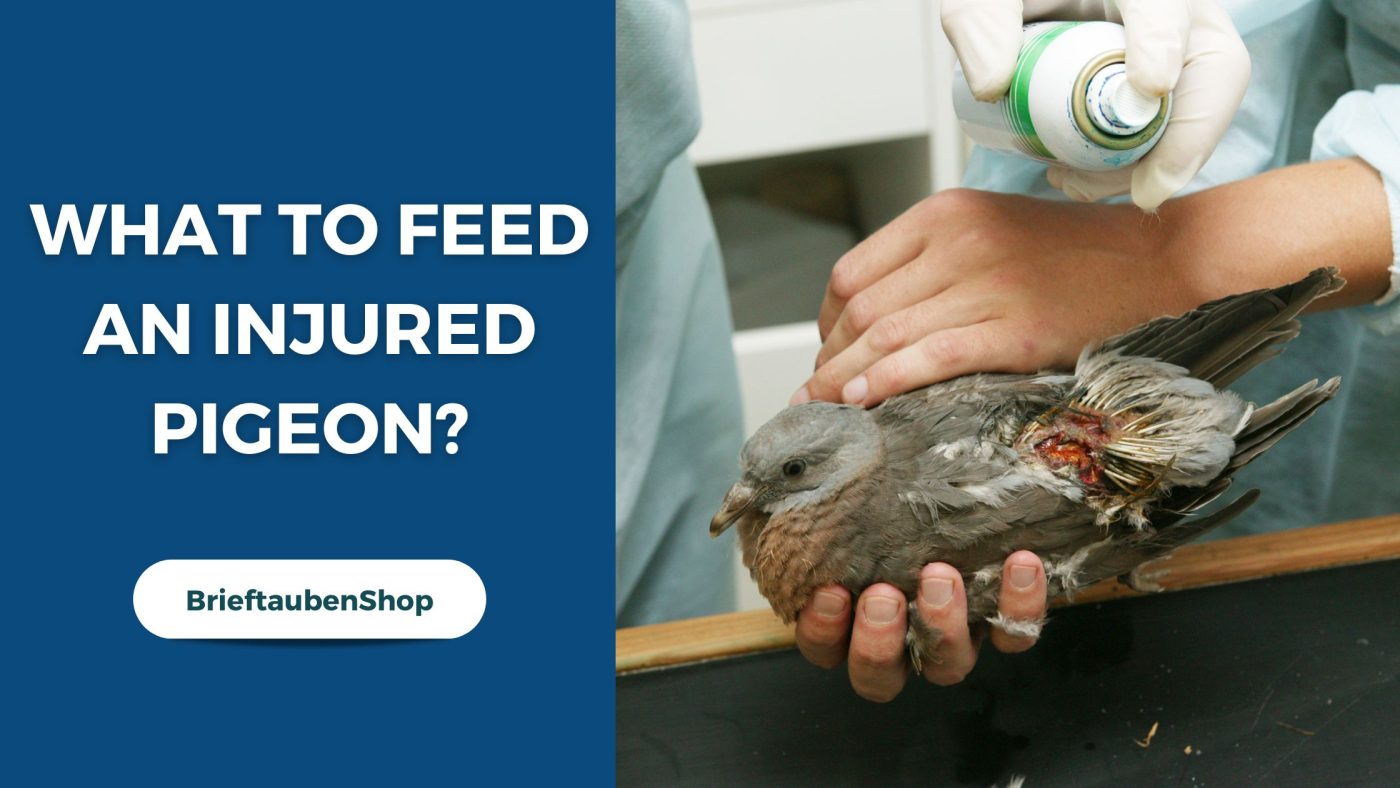
If you’ve found an injured bird, you’re probably wondering, “What do I feed it?” It’s natural to want to help, but giving the wrong food can do more harm than good. You want to make sure your feathered friend gets the right nutrition to heal and regain strength.
You’ll discover simple, safe feeding tips that anyone can follow. Keep reading to learn exactly what your injured bird needs to recover quickly and safely.

Credit: www.youtube.com
Assessing The Bird’s Condition
Before deciding what to feed an injured bird, you need to carefully assess its condition. This step is crucial because the bird’s needs vary widely depending on the type and severity of the injury. Understanding the bird’s state helps you provide the right care and avoid causing more harm.
Signs Of Injury
Look closely for visible wounds such as cuts, bleeding, or swelling. Notice if the bird is struggling to fly, walk, or perch, which could indicate broken wings or legs. Pay attention to unusual behavior like lethargy, shaking, or difficulty breathing.
Sometimes, injuries are not obvious. A bird that is quiet and refuses food might be in pain or shock. Have you ever seen a bird that just sits still in a corner? That could be a sign it needs immediate attention.
When To Seek Professional Help
If you observe deep wounds, heavy bleeding, or broken bones, take the bird to a wildlife rehabilitator or veterinarian without delay. Birds that are unconscious or unresponsive need urgent care from experts. Even if the injury seems minor but the bird isn’t improving, professional advice is essential.
Remember, some injuries require specialized treatment and medications you cannot provide safely at home. Protect yourself too—wild birds can carry diseases or become aggressive when scared. Would you risk worsening the injury by trying to treat it yourself?
Safe Handling Techniques
Handling an injured bird requires care and attention to avoid causing further harm. Safe handling techniques help protect both you and the bird. Understanding how to approach and hold a bird correctly can make a significant difference in its recovery process.
Minimizing Stress
Stress can worsen an injured bird’s condition quickly. Speak softly and move slowly to avoid startling it. Covering the bird’s eyes gently with a cloth can help calm it down by reducing visual stimuli.
Have you noticed how sudden movements make birds panic? Keeping the environment quiet and dim can also ease their anxiety. Limit handling time to only what’s necessary—longer contact increases stress.
Proper Restraint Methods
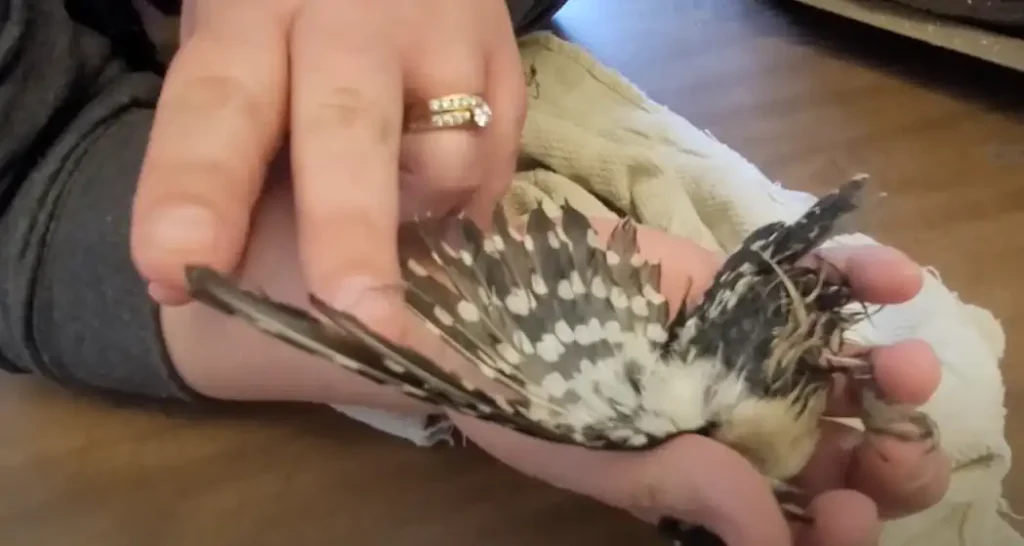
Using the right restraint techniques prevents injury to both you and the bird. Always support the bird’s body, especially the chest, to avoid restricting its breathing. Wrap the bird gently in a soft cloth or towel to keep its wings secure without squeezing too tightly.
A personal experience taught me the value of gentle restraint; a bird I handled once calmed down instantly when I used a light towel instead of bare hands. Avoid grabbing the bird by the wings or legs, which can cause serious injury. If you’re unsure, using a small box with air holes can be a safe alternative for transport.
Choosing The Right Food
Choosing the right food for an injured bird is crucial to its recovery. Your bird’s diet needs to provide enough energy and nutrients to support healing. Understanding what to feed depends heavily on the type of bird and its specific nutritional needs.
Diet Based On Bird Species
Different bird species have very different diets. Seed-eating birds like finches and sparrows thrive on a mix of seeds, but injured ones might also need soft fruits or soaked seeds for easier digestion.
For insectivores such as swallows or warblers, live or frozen insects can be a vital source of protein. If you’ve ever cared for a hummingbird, you know they need sugar water, but injured birds may require diluted nectar to avoid overloading their system.
Waterfowl like ducks and geese prefer grains, aquatic plants, and small fish. In a rescue scenario, you can offer soaked grains and soft vegetables to help them regain strength without straining their digestion.
Nutritional Needs Of Injured Birds
Injured birds burn more energy during healing, so they need extra calories. Protein helps rebuild tissues, while vitamins and minerals support immune function.
Hydration is just as important as solid food. Offering fresh water or electrolyte solutions can prevent dehydration, which slows recovery.
Consider adding supplements like calcium, especially for birds with bone injuries. However, avoid overfeeding fats or sugars, which can cause more harm than good.
Have you ever noticed how some birds refuse certain foods when injured? Their instincts often guide them to what their bodies need. Observing these preferences can help you adjust their diet effectively.

Credit: www.brieftaubenshop.de
Feeding Methods
Feeding an injured bird requires care and patience. The bird may be weak or unable to eat on its own. Choosing the right feeding method helps ensure it gets proper nutrition. Gentle and safe feeding supports its recovery. Below are effective ways to feed an injured bird properly.
Hand Feeding Tips
Hand feeding allows close control of the bird’s intake. Wash your hands before feeding to avoid infections. Use soft, small pieces of food suitable for the bird’s species. Feed slowly and gently to avoid choking.
- Hold the bird securely but gently.
- Offer food near its beak using your finger or a small spoon.
- Watch the bird’s response to avoid stress.
- Feed small amounts frequently to prevent overeating.
Using Feeding Tools
Feeding tools make feeding easier and safer for fragile birds. Syringes and droppers help deliver liquids and soft foods. Tweezers or forceps can hold tiny pieces for birds that cannot grab food.
- Use a syringe without a needle for liquid food.
- Warm the food slightly to make it more appealing.
- Feed slowly to avoid aspiration or choking.
- Clean tools thoroughly after each use.
Hydration Essentials
Hydration is vital for any injured bird’s recovery. Without enough water, their body can’t heal properly or maintain essential functions. You need to focus on offering safe, clean water and watch closely for signs that your feathered friend might be dehydrated.
Providing Clean Water
Always give your injured bird fresh, clean water. Avoid tap water if it’s heavily chlorinated; filtered or bottled water works better. Use a shallow dish or a syringe to offer water, depending on the bird’s size and condition.
If your bird is too weak to drink alone, gently drip water near its beak. You may need to offer small amounts frequently rather than large gulps at once. Clean the water container daily to prevent bacteria buildup that could worsen the bird’s health.
Signs Of Dehydration
How can you tell if your bird isn’t getting enough fluids? Watch for these clear signs:
- Sunken eyes or dull, dry eyes
- Fluffed-up feathers that don’t settle down
- Weakness or lethargy
- Dry or sticky mouth and tongue
- Less frequent urination or dark-colored droppings
Noticing these signs early can save your bird’s life. Have you ever missed subtle cues in an animal’s health? Paying attention to these details can make all the difference in their recovery.
Creating A Safe Environment
Creating a safe environment is crucial when caring for an injured bird. The right setting helps reduce stress and speeds up recovery. You want your feathered friend to feel secure and comfortable while you provide the care it needs.
Temporary Housing
Choose a small, quiet space away from loud noises and pets. A cardboard box or a pet carrier lined with soft cloth works well as temporary housing.
Make sure the box has ventilation holes for fresh air but avoid drafts that can chill the bird. Position the box somewhere warm, but not in direct sunlight, to keep your bird cozy.
Adding a low perch can help if the bird is able to stand, but avoid anything too high or unstable. You want to prevent further injury by limiting movement without causing discomfort.
Maintaining Cleanliness
Cleanliness is essential to prevent infections and keep the bird healthy. Change bedding daily or whenever it becomes soiled.
Use mild, unscented soap and warm water to wipe down the housing gently. Avoid harsh chemicals that could irritate the bird’s sensitive skin and respiratory system.
Do you notice any unusual odors or signs of mold? These are red flags that the environment isn’t clean enough and could harm the bird.
Keeping the space tidy not only protects the bird but also makes it easier for you to monitor its condition and provide timely care.
Monitoring Recovery Progress
Monitoring the recovery progress of an injured bird is vital for its healing. Observing small changes helps you understand if the bird is improving or needs more care. Regular checks allow timely actions and adjustments in feeding or environment. Patience and attention are key during this recovery phase.
Tracking Eating Habits
Keep a daily record of the bird’s food intake. Note the types of food it prefers and how much it eats. A steady increase in appetite usually signals improvement. Sudden drops in eating might mean pain or stress. Offer fresh food often and remove leftovers to avoid spoilage.
Noticing Behavioral Changes
Watch for shifts in activity and mood. Is the bird more alert or still lethargic? Changes in vocalization or movement can indicate recovery or discomfort. Look for signs of stress like excessive preening or hiding. Positive behavior shows the bird is gaining strength.
When To Release Or Transfer
Knowing when to release or transfer an injured bird is as important as feeding it properly. Timing can mean the difference between survival and further harm. It’s crucial to assess the bird’s condition carefully before making a decision.
Evaluating Readiness
Ask yourself if the bird can fly without difficulty and maintain its balance. Has it regained normal alertness and strength? If the bird struggles to perch or shows signs of distress, it’s not ready to be released.
Look for clear signs of healing such as healed wounds and improved mobility. Sometimes, birds need weeks of recovery before they can survive on their own again. Don’t rush this process—nature demands patience.
Consider the bird’s natural behavior too. Can it find food and avoid predators? If you’re unsure, observe the bird in a safe outdoor area and note its reactions. This real-world test often reveals readiness better than any checklist.
Contacting Wildlife Rehabilitators
If the bird isn’t ready or you feel overwhelmed, reach out to local wildlife rehabilitators immediately. These experts have the knowledge and resources to provide proper care and decide the best next steps.
Keep a list of nearby rehabilitation centers or animal rescue groups handy—you never know when you’ll need it. Many have hotlines or websites with detailed instructions for bird emergencies.
When you contact a rehabilitator, provide clear details about the bird’s condition and your location. This helps them prepare and respond quickly. Remember, transferring the bird to professionals can greatly increase its chances of survival.
Credit: www.earthofbirds.com
Frequently Asked Questions
What Should I Feed An Injured Bird Immediately?
Offer soft, easy-to-digest foods like soaked dog kibble, cooked rice, or mashed fruits. Avoid giving bread or milk. Provide fresh water in a shallow dish nearby for hydration. This helps stabilize the bird until a wildlife rehabilitator can assist.
Can I Feed An Injured Bird Bread Or Milk?
No, bread and milk are harmful to birds. Bread lacks essential nutrients and can cause malnutrition. Milk can upset their digestive system as birds are lactose intolerant. Stick to natural, bird-safe foods like seeds, fruits, or insects instead.
How Often Should I Feed An Injured Bird?
Feed small amounts every 1 to 2 hours during daylight. Young or weak birds need frequent feeding to maintain energy. Avoid overfeeding, as this can cause choking. Always monitor the bird’s condition and consult a professional for care advice.
Is It Safe To Feed Insects To An Injured Bird?
Yes, many birds eat insects naturally. Offering live or dried insects like mealworms or crickets provides vital protein and nutrients. Ensure insects are pesticide-free and appropriate for the bird species. This promotes healing and energy recovery.
Conclusion
Caring for an injured bird can be challenging yet rewarding. Proper feeding is essential for recovery. Always start with soft, easy-to-digest foods. Fresh fruits, soaked seeds, and special bird food work well. Consult a vet for specific advice. Remember, hydration is crucial too.
Clean water helps the bird stay healthy. Observe the bird’s behavior closely. Adjust the diet if needed. Patience and care make a big difference. Helping a bird heal feels fulfilling. With the right steps, you support its journey to health.
Keep learning and stay compassionate. Your efforts truly matter.