
Have you ever wondered if the height of your bird feeder makes a difference? You might be surprised to learn that where you place your feeder can change the kind of birds that visit and how often they come.
Getting the height just right can keep your feathered friends safe and happy, while also giving you the best view. Keep reading, and you’ll discover simple tips to find the perfect height for your bird feeder, so you can enjoy more visits and create a lively backyard full of birdsong.
Ideal Height For Bird Feeders
Choosing the right height for a bird feeder is important to attract birds and keep them safe. The ideal height depends on several factors, such as the type of birds you want to attract and the environment around your feeder. Setting the feeder at the correct height can prevent unwanted animals from reaching the food and make birds feel secure while feeding.
Factors Affecting Feeder Height
- Type of Birds: Small birds prefer lower feeders, while larger birds like higher perches.
- Predator Safety: Keep feeders high enough to avoid cats and other predators.
- Accessibility: Place feeders where you can easily refill and clean them.
- Surroundings: Nearby trees or bushes can offer shelter but also hide predators.
- Weather Protection: Higher feeders may avoid damp ground and reduce mold risks.
Common Height Recommendations
- 4 to 6 feet off the ground is ideal for most backyard birds.
- Ground feeders should be placed low but in open areas for safety.
- Hummingbird feeders work best around 5 feet high for easy access.
- Keep at least 10 feet away from launching points for cats.

Credit: www.amazon.ca
Bird Species And Height Preferences
Different bird species prefer feeders at different heights. The height of your bird feeder affects which birds will visit. Some birds like to feed close to the ground. Others prefer higher perches. Knowing these preferences helps attract more birds to your garden.
Ground Feeders Vs. Perch Feeders
Ground feeders like sparrows, doves, and juncos prefer seed on the ground. They feel safer feeding at low heights. Placing feeders near ground level suits these birds best.
Perch feeders attract birds like finches, chickadees, and cardinals. These birds like to sit on a branch or feeder perch. Feeders should be elevated 4 to 6 feet high for them. This height offers safety from predators.
Feeder Heights For Songbirds
Songbirds like warblers, titmice, and nuthatches prefer feeders 5 to 6 feet above ground. This height mimics natural branches where they rest. It offers good visibility and protection. Make sure feeders are near shrubs or trees for cover.
Feeder Heights For Larger Birds
Larger birds such as woodpeckers, jays, and grosbeaks need sturdy feeders. Place these feeders 6 to 8 feet high. This height keeps them safe and comfortable. Use strong poles or hanging setups to support their weight.
Safety Considerations
Ensuring your bird feeder is at the right height is not just about attracting birds; safety plays a crucial role. You want to create a space where birds can feed comfortably without the risk of harm. Let’s look at key safety points that help protect your feathered visitors.
Protection From Predators
Predators like cats and squirrels pose a real threat to birds at feeders. Placing your feeder too low makes it easy for these animals to reach the birds. Aim to hang your feeder at least 5 to 6 feet above the ground to keep it out of reach from most predators.
Also, keep it away from places where predators can hide, such as dense bushes or low branches. Clear sightlines give birds a chance to spot danger early and fly away. Have you noticed how birds hesitate before landing if they sense a lurking threat nearby? This simple adjustment can save their lives.
Avoiding Window Collisions
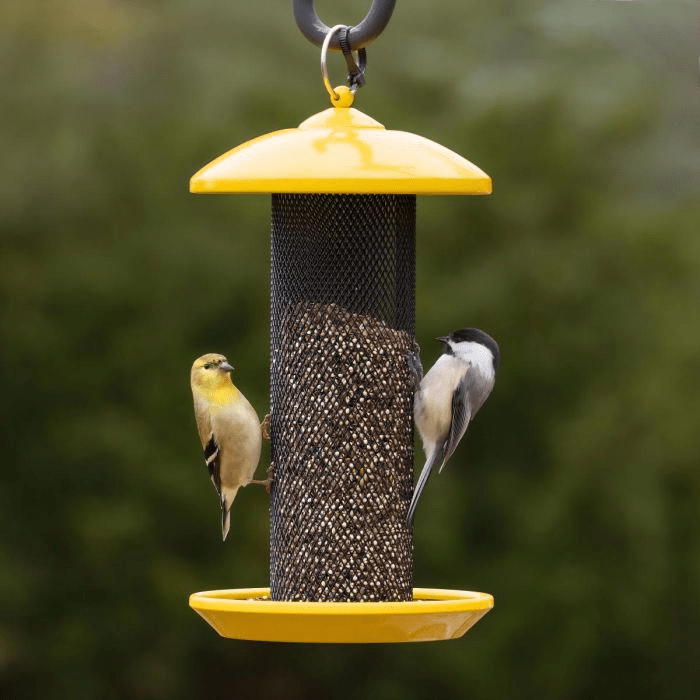
Window collisions cause a surprising number of bird injuries and deaths every year. If your feeder is too close to a window, birds may not realize the glass is there and crash into it. Position your feeder either within 3 feet of the window or more than 10 feet away to reduce this risk.
Placing feeders close to windows slows birds down, giving them time to stop or change direction. On the other hand, feeders placed farther away prevent birds from gaining enough speed to hurt themselves. Have you ever seen a bird bounce off your window? Adjusting feeder height and distance can prevent that.
Credit: www.kingsyard.com
Placement Tips For Better Bird Feeding
Placing your bird feeder correctly can make all the difference in attracting a variety of birds and keeping them safe. The right spot encourages birds to visit more often and stay longer. Let’s look at how you can position your feeder for the best bird feeding experience.
Choosing The Right Location
Pick a spot that is easy for you to see and enjoy. A location near a window or a porch works well because you can watch the birds without disturbing them.
Make sure the feeder is close to natural cover like trees or shrubs. Birds use these for quick escape routes if a predator appears.
Think about accessibility for refilling and cleaning. You want to avoid placing it too high or in a hard-to-reach place that makes maintenance a hassle.
Balancing Visibility And Shelter
Birds need to feel safe, so the feeder should be visible but also offer some protection from wind and predators.
Placing the feeder near dense bushes or low tree branches provides shelter without blocking your view. This balance makes birds more comfortable to visit.
Consider the direction of sunlight. Morning sun warms the feeder, attracting birds early in the day, while afternoon shade can prevent seeds from spoiling quickly.
Adjusting Feeder Height Seasonally
Adjusting the height of your bird feeder throughout the year can greatly improve the feeding experience for birds and make your backyard visits more enjoyable. Different seasons bring changes in weather, bird behavior, and even the types of birds visiting. Tweaking the feeder height is a simple yet effective way to match these seasonal shifts and encourage more feathered friends to stop by.
Winter Vs. Summer Feeding
In winter, placing your feeder higher off the ground—around 5 to 6 feet—helps keep seeds away from snow and reduces risk from ground predators like cats. Birds also find it easier to spot feeders in leafless trees when they’re elevated.
Summer, however, calls for a slightly lower feeder height, about 4 to 5 feet. This allows birds to perch comfortably among leaves, providing them shade and protection from the heat. You might notice more species visiting when feeders are closer to natural cover.
Accommodating Different Bird Behaviors
Some birds prefer feeding closer to the ground, while others like to perch high up. Adjusting feeder height lets you cater to this variety and attract a broader range of birds.
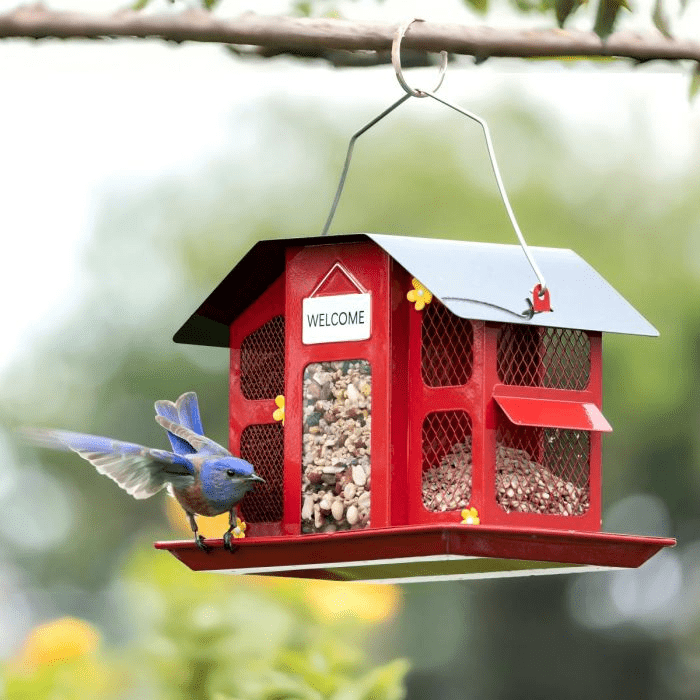
Try setting multiple feeders at different heights to see which birds show up where. You could place a ground-level tray feeder for juncos and sparrows, while hanging tube feeders higher for finches and chickadees.
Have you observed which feeder height draws the most visitors in your yard? Experimenting can reveal surprising preferences and make your birdwatching more rewarding.
Credit: www.kingsyard.com
Diy Bird Feeder Height Adjustments
Adjusting the height of your bird feeder can dramatically improve the bird-watching experience and keep your feathered visitors safe. You don’t need to buy a new feeder to get it just right. Simple DIY tweaks can make all the difference, giving you control over how high or low your feeder hangs.
Using Poles And Hangers
Poles are a straightforward way to raise your bird feeder to the perfect height. You can use a sturdy metal or wooden pole, ideally 5 to 6 feet tall, to keep the feeder out of reach from ground predators like cats or squirrels.
Hangers offer more flexibility. A strong metal or plastic hook attached to a tree branch or a porch ceiling lets you easily adjust the feeder’s height as seasons change. Have you tried using an adjustable shepherd’s hook? It’s a great solution for shifting the feeder up or down without heavy lifting.
- Choose a pole with a wide, stable base to avoid tipping.
- Use adjustable hangers to fine-tune height effortlessly.
- Make sure the pole or hanger is weather-resistant for long-term use.
Modifying Existing Feeders
If you already have a feeder, modifying it is often cheaper and quicker than buying a new one. Try adding extension chains or ropes to hang it higher or shorten them to bring it closer.
Sometimes, simply swapping the hanging hardware can improve stability and height. Adding eye screws or hooks to the feeder body can give you more hanging options, letting you experiment with height until it’s just right.
- Use durable, rust-proof materials for extensions.
- Check the feeder’s balance after adjustments to prevent spills.
- Consider adding a baffle below the feeder to deter pests once the height is set.
Have you noticed that small height changes can attract different bird species? Adjusting your feeder might reveal new visitors you’ve never seen before. What’s your favorite height for watching birds up close?
Frequently Asked Questions
How High Should A Bird Feeder Be Placed?
Place bird feeders 5 to 6 feet above ground to keep birds safe from predators. This height is ideal for most bird species and provides easy viewing and refilling access.
Why Is Feeder Height Important For Birds?
Feeder height affects bird safety and comfort. Proper height prevents cat attacks and attracts a variety of bird species, ensuring a healthy feeding environment.
Can Feeder Height Affect Bird Species Variety?
Yes, different bird species prefer different feeder heights. Adjust height to attract specific birds like ground feeders or canopy dwellers, enhancing your backyard bird diversity.
Should Feeders Be Higher In Urban Areas?
In urban areas, place feeders higher (6-7 feet) to avoid disturbances and predators. This height helps birds feel secure amid noise and activity.
Conclusion
Choosing the right bird feeder height matters. Birds need safe feeding spots. Keep feeders above ground to deter predators. Around five feet works well for many birds. This height also makes refilling easy. Consider the type of birds you want to attract.
Smaller birds may prefer lower feeders. Larger birds might enjoy higher placements. Safety and accessibility should guide your decision. Observing your garden’s visitors can offer clues. Adjust as needed for the best results. Enjoy watching your feathered friends thrive!