
Wondering what you can feed your lovebird to keep it happy and healthy? You want to give your feathered friend the best diet, but the choices can feel overwhelming.
What foods are safe? Which ones will help your lovebird thrive? You’ll discover simple, practical tips to nourish your pet with the right foods. Keep reading to unlock the secrets to a vibrant, energetic lovebird that brightens your day.

Credit: www.amazon.com
Basic Nutritional Needs
Understanding the basic nutritional needs of your love bird is key to keeping it healthy and happy. A well-balanced diet supports their vibrant feathers, energetic behavior, and long lifespan. You might be surprised how even small changes in their diet can make a big difference in their overall well-being.
Essential Nutrients For Love Birds
Your love bird needs a mix of vitamins and minerals to thrive. Vitamins like A, D, and E help with immune function and feather quality. Minerals such as calcium and phosphorus strengthen their bones and beaks.
Don’t forget about water-soluble vitamins like B-complex and vitamin C, which support their metabolism and prevent illness. You can find many of these nutrients in fresh fruits, vegetables, and fortified pellets. Have you noticed how your bird reacts after eating fresh greens? That’s often a sign of better nutrition.
Balancing Proteins, Fats, And Carbohydrates
Proteins are crucial for muscle development and feather growth. Seeds and legumes offer a good protein source, but too many seeds can lead to an unbalanced diet. Fats provide energy and help absorb fat-soluble vitamins; however, excessive fat may cause obesity.
Carbohydrates fuel your love bird’s daily activities and keep their digestive system healthy. Fruits, vegetables, and whole grains are great sources. Striking the right balance between these macronutrients keeps your love bird active and prevents nutritional deficiencies.

Credit: www.youtube.com
Seeds And Pellets
Seeds and pellets form the backbone of a love bird’s diet. They offer essential nutrients and variety, keeping your feathered friend happy and healthy. Understanding the right types of seeds and the role of pellets can make a big difference in your bird’s well-being.
Types Of Seeds Suitable For Love Birds
Not all seeds are created equal for love birds. Some seeds provide better nutrition and are safer for daily feeding.
- Millet:A favorite among love birds, millet is easy to digest and a great source of energy.
- Sunflower Seeds:These are high in fat and should be given in moderation to avoid obesity.
- Safflower Seeds:Lower in fat compared to sunflower seeds, they add variety to the diet.
- Canary Seeds:Small and nutritious, these are ideal for smaller birds like love birds.
Have you noticed your love bird preferring one seed over another? Observing their choices can help tailor a mix that keeps them coming back for more.
Benefits Of Pellets In Diet
Pellets offer balanced nutrition in every bite. Unlike seeds, which can be selective, pellets ensure your love bird gets all necessary vitamins and minerals.
Feeding pellets can reduce the risk of dietary gaps and related health issues. They also minimize waste since your bird is less likely to pick out only the tasty bits.
If you’ve struggled with your love bird eating only seeds, try mixing pellets gradually into their meals. You might be surprised how quickly they adapt to the new texture and taste.
Fruits And Vegetables
Fruits and vegetables form an important part of a love bird’s diet. They provide essential vitamins, minerals, and fiber. Including fresh produce keeps your pet healthy and active. Choose fresh, clean, and pesticide-free options. Serve them in small, bite-sized pieces. Avoid overfeeding fruits to prevent sugar overload.
Safe Fruits To Offer
- Apples (remove seeds)
- Bananas
- Blueberries
- Grapes (cut in halves)
- Melons
- Oranges (in moderation)
- Pineapple
- Strawberries
- Mango
Vegetables That Boost Health
- Carrots
- Broccoli
- Spinach
- Peas
- Sweet potatoes (cooked)
- Zucchini
- Bell peppers
- Cucumber
- Green beans
Foods To Avoid
- Avocado (toxic to birds)
- Onions and garlic
- Rhubarb
- Raw beans
- Fruit seeds and pits
- Chocolate and caffeine
Treats And Snacks
Treats and snacks add joy to your love bird’s diet. They offer variety and encourage interaction. Choosing the right treats supports health and well-being. Treats should be safe and nutritious. Avoid sugary or salty snacks that harm birds.
Healthy Treat Options
- Small pieces of fresh fruits like apples and pears
- Vegetables such as carrots, spinach, and broccoli
- Millet sprays, a favorite natural snack
- Cooked grains like quinoa or brown rice in tiny amounts
- Unsalted nuts like almonds or walnuts, chopped finely
- Sprouted seeds for extra nutrients
Offer fresh foods instead of processed ones. Wash fruits and vegetables before feeding. Remove any seeds or pits that could be harmful.
Frequency And Portion Control
Treats must not replace regular meals. Limit snacks to a small part of the diet. Give treats two to three times a week. Use tiny portions to avoid overfeeding. Monitor your love bird’s reaction to new treats.
Balance treats with pellets and fresh foods. Too many snacks can lead to weight gain. Keep treats healthy and simple. This helps maintain a strong, happy bird.
Water And Hydration
Water is a vital part of a love bird’s diet. It keeps them healthy and active. Proper hydration supports digestion, feather condition, and overall well-being. Love birds need constant access to clean water. Without it, they can become weak and sick quickly.
Importance Of Fresh Water
Fresh water is essential for love birds daily. Stale or dirty water can cause illness. Change the water at least once a day. Use a clean container to prevent bacteria growth. Fresh water helps maintain energy and proper body functions.
Hydration Tips
- Keep water dishes in a shaded, cool area.
- Use a water bottle or bowl, whichever your bird prefers.
- Check water temperature; avoid very cold or hot water.
- Clean water containers daily with mild soap and rinse well.
- Observe your bird’s drinking habits to notice any changes.
Feeding Schedule
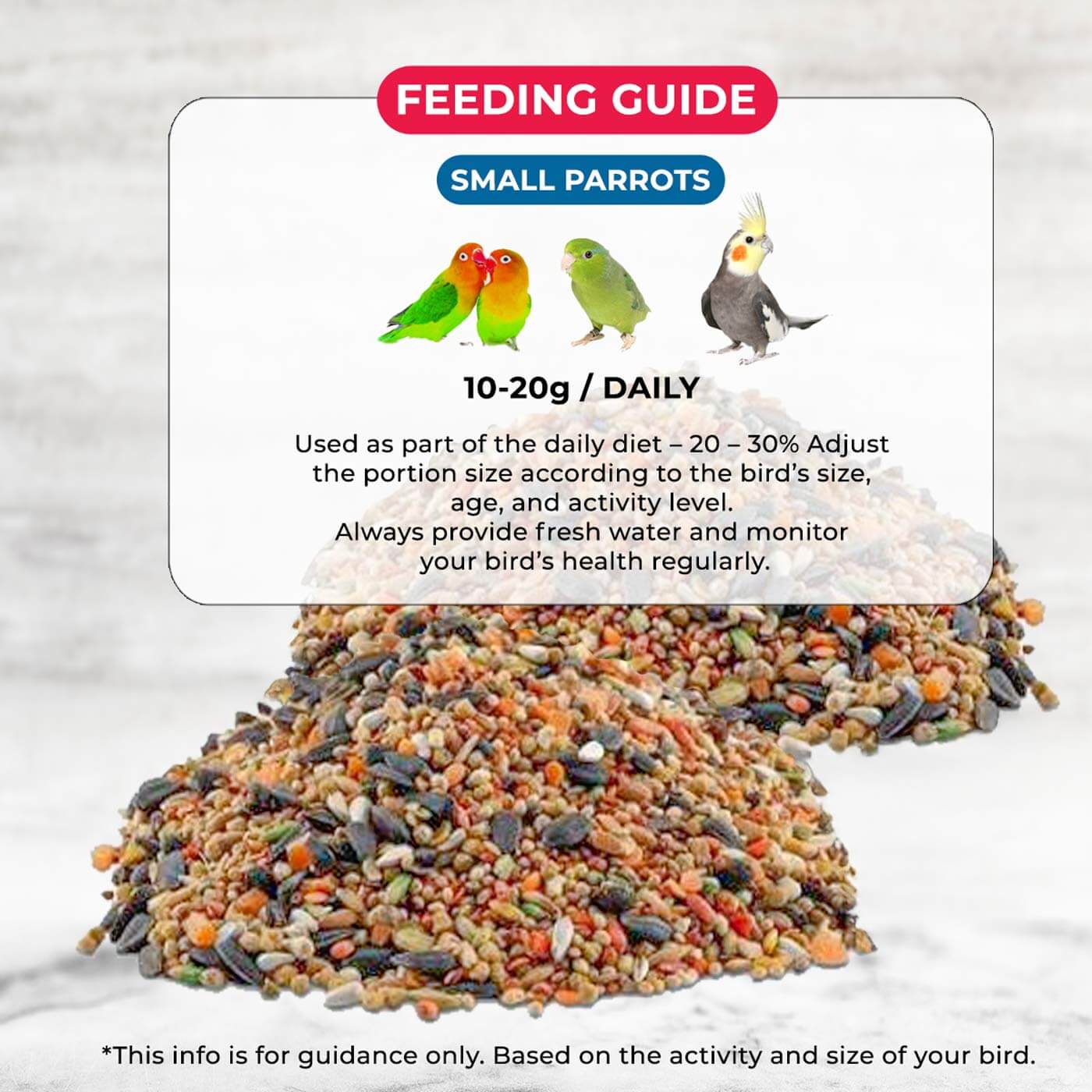
Setting a proper feeding schedule for your lovebird is essential to keep it healthy and happy. A consistent routine helps regulate their digestion and energy levels. It also makes it easier for you to monitor their eating habits and notice any changes early on.
Meal Timing And Frequency
Offer your lovebird fresh food twice a day—once in the morning and once in the evening. This mimics their natural feeding pattern and keeps their metabolism steady. Avoid leaving food out all day; it can spoil and cause health issues.
Between main meals, you can provide small healthy snacks like fresh fruits or vegetables. Just remember not to overfeed, as lovebirds can become overweight quickly. Watching how much your bird eats during these times will help you adjust portions.
Adjusting Diet By Age And Activity
Young lovebirds need more calories and nutrients for growth, so increase their food portions slightly and include more protein-rich items like boiled eggs or legumes. Adult lovebirds require a balanced diet with a focus on seeds, pellets, and fresh produce to maintain energy without excess weight.
If your lovebird is very active, flying and playing often, it will need more calories. On the other hand, less active birds require fewer calories to avoid obesity. Observe your bird’s activity and adjust food amounts accordingly.
Have you noticed changes in your bird’s activity? Adjusting their feeding schedule can improve their overall health and mood.
Common Diet Mistakes
Feeding a lovebird the right diet is crucial for its health. Many owners make common mistakes that harm their pet. These errors can lead to serious health problems and shorten the bird’s life. Understanding what to avoid helps keep your lovebird happy and strong.
Avoiding Toxic Foods
Some foods are harmful or deadly to lovebirds. Avoid giving them:
- Avocado – causes heart and breathing issues
- Chocolate – toxic to birds and affects the nervous system
- Caffeine – leads to hyperactivity and heart problems
- Onions and garlic – can cause blood disorders
- Alcohol – severely damages organs
Even small amounts of these foods can be dangerous. Always keep toxic foods far from your bird’s reach.
Signs Of Nutritional Deficiency
Lovebirds need a balanced diet with vitamins and minerals. Watch for signs if they lack nutrients:
- Dull feathers or feather loss
- Weakness or lethargy
- Changes in appetite or eating habits
- Swollen joints or bones
- Frequent infections or slow healing
Noticing these signs early allows quick diet changes. Use fresh fruits, vegetables, and quality pellets to prevent deficiencies.

Credit: www.reddit.com
Frequently Asked Questions
What Is The Best Diet For A Lovebird?
A balanced lovebird diet includes seeds, pellets, fresh fruits, and vegetables. Avoid avocado and chocolate as they are toxic.
Can Lovebirds Eat Fruits And Vegetables Daily?
Yes, fresh fruits and vegetables should be offered daily for vitamins and fiber. Examples include apples, carrots, and spinach.
Are Seeds Alone Enough For Lovebird Nutrition?
No, seeds lack essential nutrients. Combine seeds with pellets and fresh produce for a complete diet.
How Much Water Should A Lovebird Drink Daily?
Lovebirds need fresh, clean water every day. Change water daily to prevent bacteria and keep them hydrated.
Conclusion
Feeding a lovebird the right foods keeps it happy and healthy. Fresh fruits, vegetables, and quality seeds make a good diet. Avoid giving harmful foods like chocolate or avocado. Clean water is just as important every day. Watching what your lovebird eats helps you spot any health issues.
A balanced diet supports a strong, lively bird. Caring for your lovebird’s food needs shows love and attention. Simple food choices can make a big difference in their life. Keep learning and enjoy time with your colorful friend.