
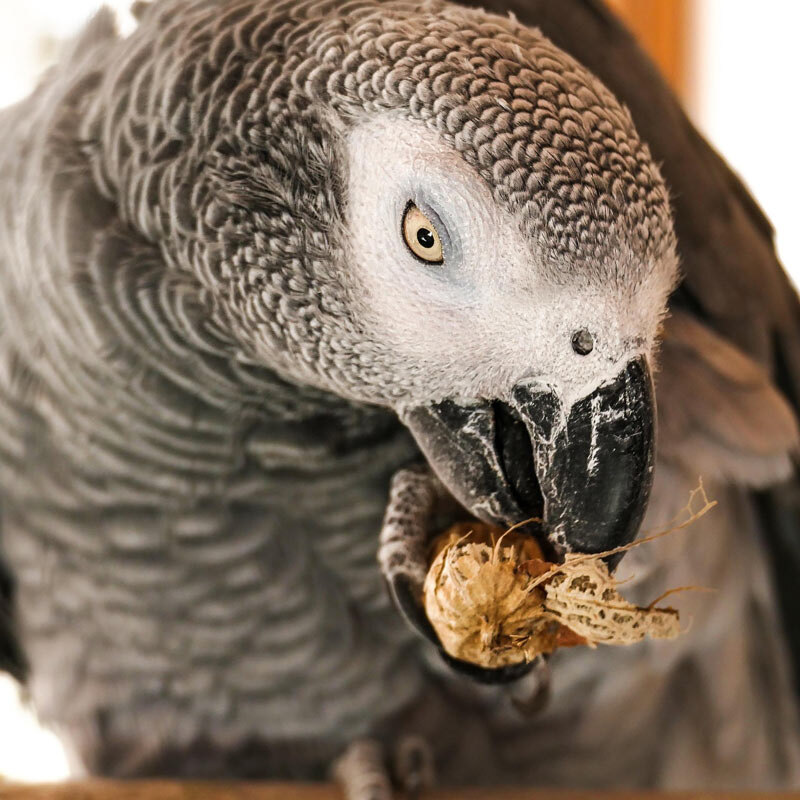
You love your pet bird and want to keep it happy and healthy. But do you know which foods can actually harm your feathered friend?
Feeding your bird the wrong things can cause serious health problems—even if they seem harmless to you. You’ll discover the common foods you should never offer your pet bird. Learning what not to feed your bird is just as important as knowing what to give them.
Keep reading to protect your companion and ensure they live a long, joyful life.
Common Toxic Foods For Pet Birds
Many everyday foods can harm pet birds. Some common kitchen items contain substances toxic to birds. Knowing which foods to avoid protects their health and life. Birds have delicate systems that react badly to certain compounds. Owners must keep toxic foods far from bird cages. Even small amounts can cause serious illness or death. Understanding these common toxic foods helps keep pet birds safe and happy.
Chocolate And Caffeine
Chocolate contains theobromine, a poison for birds. Caffeine also affects their heart and nervous system. Both can cause vomiting, diarrhea, seizures, or death. Never feed birds chocolate, coffee, tea, or energy drinks. Even small bits can be very dangerous.
Avocado And Its Dangers
Avocado has a toxin called persin. It harms bird lungs and heart. Eating avocado can cause breathing problems and sudden death. Avoid all parts of avocado, including skin and pit. Keep it completely away from pet birds.
Onions And Garlic
Onions and garlic contain compounds that damage bird red blood cells. This leads to anemia and weakness. Birds may show breathing trouble or pale gums. Avoid feeding any cooked or raw onion or garlic. Even tiny amounts can cause harm.
Alcohol And Yeast Dough
Alcohol depresses bird nervous systems and stops breathing. Yeast dough expands in the bird’s stomach, causing pain and blockages. Both can be fatal. Keep all alcoholic drinks and raw bread dough out of reach. Never offer these to pet birds.
Fruits And Vegetables To Skip
Not every fruit and vegetable is safe for your pet bird. Some common items you might think are healthy can actually be harmful or even deadly. Knowing which fruits and vegetables to avoid can save your feathered friend from serious health issues.
Fruit Seeds And Pits
Many fruit seeds and pits contain toxins that birds cannot digest. Apple seeds, cherry pits, and peach stones all have cyanide compounds. Even small amounts can cause breathing problems, weakness, or worse.
It’s easy to forget that these tiny parts are dangerous because the fruit itself is safe. Always remove seeds and pits before offering fruit to your bird.
Rhubarb Leaves
Rhubarb leaves contain oxalates, which are toxic to birds and can cause kidney damage. The stalks are edible for humans, but the leaves should never be fed to your pet.
If you grow rhubarb at home, keep your bird away from the garden. Even a small nibble on the leaves can lead to severe poisoning.
Tomato Leaves And Stems
Tomato fruits are generally safe, but the leaves and stems are not. They contain solanine, a chemical harmful to birds that can cause digestive upset and neurological problems.
Make sure to strip away all leaves and stems before offering tomatoes to your bird. Have you checked your bird’s favorite treats for hidden dangers like these?
Unsafe Human Foods
Feeding your pet bird might seem straightforward, but some human foods can be dangerous. Birds have sensitive systems that react poorly to certain ingredients common in our snacks and meals. Knowing what not to feed them protects their health and keeps them lively and happy.
Salt And Salty Snacks
Salt is harmful to birds in even small amounts. Their kidneys can’t handle excess sodium, which can lead to dehydration and kidney failure.
Think twice before offering chips, pretzels, or salted nuts. Even seasoned popcorn is risky. Instead, provide unsalted, plain treats to avoid these dangers.
Sugary Treats
Birds don’t need sugar like humans do. Foods high in sugar, such as candies, cakes, and sweetened cereals, can cause obesity and diabetes in birds.
I once had a friend whose parrot became lethargic after tasting a bit of cake. It was a hard lesson on how quick sugar impacts their health. Stick to fresh fruits in moderation instead.
Processed Foods
Processed foods often contain additives, preservatives, and unhealthy fats. These ingredients upset a bird’s digestion and may cause long-term health issues.
Items like deli meats, fast food, and ready-made meals should never be shared with your bird. Fresh, natural ingredients are always the safer choice.
Credit: lafeber.com
Household Items Harmful To Birds
Many common household items can be dangerous to pet birds. Birds have sensitive respiratory systems and fragile bodies. Some everyday products release toxins or contain harmful substances. It is important to know what to avoid. This helps keep birds safe and healthy in your home.
Teflon And Non-stick Cookware Fumes
Non-stick cookware coated with Teflon can release toxic fumes. These fumes occur when the pans get very hot. Birds exposed to these fumes can suffer severe respiratory problems. Even small amounts can be deadly for them. Avoid using Teflon or non-stick pans near your bird’s cage. Cook in a well-ventilated kitchen to reduce risks.
Toxic Plants In The Home
Many indoor plants are poisonous to birds. Birds may nibble on leaves or flowers out of curiosity. Some common toxic plants include:
- Philodendron
- Dieffenbachia
- Oleander
- Azalea
- Pothos
Ingesting these plants can cause vomiting, diarrhea, or worse symptoms. Keep all toxic plants out of your bird’s reach. Choose bird-safe plants instead.
Cleaning Chemicals
Household cleaning products often contain harsh chemicals. These chemicals can irritate or poison birds through fumes or contact. Avoid using strong cleaners near your pet bird. Bleach, ammonia, and aerosol sprays are especially harmful. Use bird-safe cleaning options or natural alternatives. Always ventilate rooms well after cleaning.
Signs Of Food Poisoning In Birds
Recognizing the signs of food poisoning in your pet bird is crucial for their health and safety. Birds can’t tell you when they’re feeling unwell, so you need to watch closely for subtle changes. Acting quickly can make a big difference in preventing serious complications.
Behavioral Changes
One of the first signs of food poisoning is a change in your bird’s behavior. You might notice your feathered friend becoming unusually quiet or lethargic. If your bird usually chirps and moves around but suddenly stays still or hides, this is a red flag.
Loss of appetite is another common behavioral change. If your bird refuses to eat its favorite treats or seed mix, pay attention. Also, watch for increased irritability or restlessness, which can indicate discomfort or pain.
Physical Symptoms
Physical signs of poisoning often include vomiting or regurgitation, which can be alarming to see. Diarrhea or changes in droppings’ color and consistency are also warning signals. Swelling around the eyes, beak, or abdomen may occur if the bird has ingested something toxic.
Notice if your bird’s feathers appear ruffled or if it is shaking more than usual. Difficulty breathing, wheezing, or coughing are urgent symptoms that need immediate attention. These physical clues help you identify a problem before it worsens.
When To Seek Veterinary Care
If you observe any of these signs, do not wait to contact your vet. Immediate care can save your bird’s life, especially if they have ingested toxic foods like avocado, chocolate, or onion. Even if symptoms seem mild, professional advice is essential because birds can deteriorate quickly.
Keep a list of what your bird has eaten recently to share with the veterinarian. This information helps in diagnosing and choosing the right treatment. Remember, prompt action is your best tool in protecting your pet’s health.
Safe Alternatives For Bird Treats
Choosing safe treats helps keep pet birds healthy and happy. Birds need variety in their diet. Not all human foods are safe for them. Providing bird-safe treats supports their nutrition. It also prevents health problems caused by toxic foods.
Bird-safe Fruits And Vegetables
Fresh fruits and vegetables make great treats. They provide vitamins and hydration. Some safe options include:
- Apples (without seeds)
- Carrots
- Blueberries
- Spinach
- Peas
- Sweet potatoes (cooked)
Wash all produce well before offering it. Cut into small pieces for easy eating.
Nuts And Seeds
Nuts and seeds offer healthy fats and protein. Give these in moderation to avoid weight gain. Good choices are:
- Almonds (unsalted and raw)
- Walnuts
- Pumpkin seeds
- Sunflower seeds (unsalted)
Always avoid salted or roasted nuts. Remove shells if needed to prevent choking.
Commercial Bird Treats
Store-bought treats can be safe and balanced. Look for products made specifically for birds. Check labels for natural ingredients without artificial colors or flavors. Some options include:
- Seed sticks
- Pellet-based treats
- Dehydrated fruit snacks
Use these treats sparingly to maintain a balanced diet.
Tips For Feeding Birds Safely
Feeding your pet bird safely means more than just offering seeds or fruits. It requires careful attention to what goes into their diet to keep them healthy and happy. Here are some practical tips that can help you avoid common feeding mistakes and provide your feathered friend with the best nutrition.
Reading Labels
Always check the ingredient list on bird food packages. Look for items free of artificial colors, preservatives, and added sugars. These additives can harm your bird’s health over time.
Be cautious with treats labeled as “bird-safe” but containing fillers like salt or high-fat ingredients. Even small amounts can cause issues. If you see unfamiliar ingredients, research them before offering the food.
Introducing New Foods Gradually
Suddenly changing your bird’s diet can upset their digestive system. Introduce new foods slowly by mixing small amounts with familiar favorites.
This approach helps you spot any negative reactions like upset stomach or refusal to eat. For example, when I added fresh vegetables to my parrot’s diet, I started with tiny pieces over several days, which made the transition smooth and stress-free.
Maintaining A Balanced Diet
Your bird needs a mix of seeds, fruits, vegetables, and protein to thrive. Avoid feeding only one type of food, even if your bird seems to prefer it.
Think about variety as a way to cover all nutritional bases. You can create a weekly feeding plan that rotates different foods, ensuring vitamins and minerals are balanced without overwhelming your bird with too many new tastes at once.

Credit: www.reddit.com

Credit: www.chewy.com
Frequently Asked Questions
What Foods Are Toxic To Pet Birds?
Foods like avocado, chocolate, caffeine, and alcohol are toxic. These can cause serious health issues or death in birds. Avoid feeding any processed or salty human foods to ensure your pet bird’s safety.
Can Pet Birds Eat Seeds From Fruits?
Seeds from fruits like apple or cherry contain toxins harmful to birds. Avoid feeding these seeds to prevent poisoning. Always remove seeds before offering fruits to your pet bird.
Why Should I Avoid Feeding My Bird Chocolate?
Chocolate contains theobromine, which is toxic to birds. Even small amounts can cause heart problems and seizures. Never give chocolate or foods containing chocolate to pet birds.
Are Salty Snacks Bad For Pet Birds?
Yes, salty snacks can cause dehydration and kidney damage in birds. Birds have low tolerance for salt, so avoid chips, pretzels, and salted nuts. Stick to bird-safe treats instead.
Conclusion
Caring for pet birds means choosing their food wisely. Avoid giving them chocolate, caffeine, and avocados. These foods are harmful and can make birds sick. Stick to fresh fruits, vegetables, and bird-safe grains. Research and know what foods are safe.
Your feathered friends deserve the best care and attention. Remember, a healthy diet leads to a happy bird. This simple change can improve their well-being. Keep your pet’s diet varied, but safe. Always consult a vet for specific dietary advice.
Enjoy your time with your lively, chirping companions!