
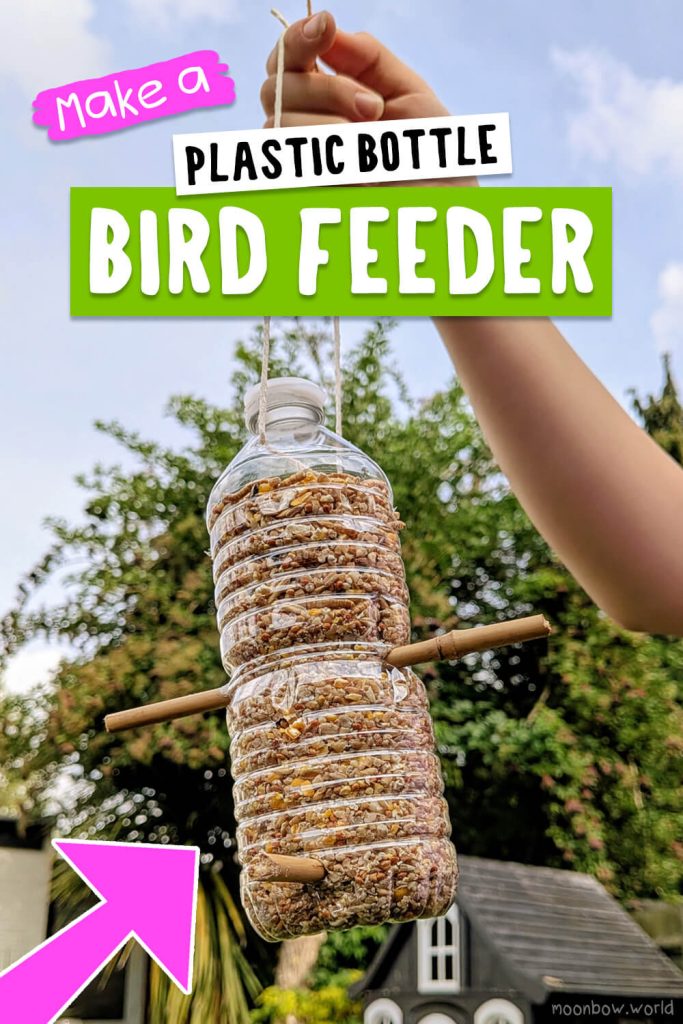
Have you ever wanted to invite colorful birds right to your window without spending a lot of money? Making a bird feeder from a plastic bottle is easier than you think—and it’s a great way to recycle while helping nature.
Imagine watching birds gather at your homemade feeder, bringing life and joy to your outdoor space. In this guide, you’ll discover simple steps to create your own bird feeder using materials you already have. Ready to turn that empty bottle into a lively bird hotspot?
Let’s get started!
Credit: garethmate.com
Materials Needed
Gathering the right materials is the first step in creating a bird feeder from a plastic bottle. You don’t need fancy tools or expensive supplies—just a few simple items you likely have around your home. Having everything ready before you start makes the process smoother and more enjoyable.
Plastic Bottle
Choose a clean, empty plastic bottle. A 1-liter or 2-liter bottle works best because it holds enough birdseed and is easy to handle. Make sure it’s sturdy with no cracks or holes that could leak seed.
Cutting Tools
You’ll need a sharp utility knife or scissors to cut openings in the bottle for the birds to access the seeds. Be careful when handling these tools, and make sure to cut slowly to avoid jagged edges. If you have trouble, an adult’s help can make a big difference.
Birdseed
Select birdseed based on the birds you want to attract. A mix of sunflower seeds, millet, and cracked corn usually appeals to a wide variety of birds. Avoid seeds that get moldy quickly or are too large for small birds.
Perches
Small sticks, wooden dowels, or even sturdy straws make excellent perches. These give birds a place to land and eat comfortably. Make sure they fit snugly through holes you cut in the bottle.
String Or Wire
Use strong string, twine, or wire to hang your feeder from a tree branch or hook. It should be long enough to position the feeder where you want it, but secure enough to hold the feeder’s weight plus the birds.
Optional Decorative Items
If you want, add paint or stickers to personalize your feeder. Just use non-toxic materials safe for wildlife. Decorating can make your feeder a fun project, especially if you’re doing it with kids.
Do you have these items ready? If not, take a quick look around your home—you might find perfect substitutes that work just as well!

Credit: www.youtube.com
Choosing The Right Bottle
Choosing the right plastic bottle for your bird feeder can make a big difference in how well it works and how long it lasts. Not every bottle is suitable, so it’s important to think about size, shape, and material. Picking the perfect bottle will help you create a safe and inviting spot for birds to feed.
Consider The Bottle Size
Think about how many birds you want to attract and how often you’re willing to refill the feeder. A small bottle is easier to handle and refill but holds less seed. Larger bottles need less frequent refilling but can be heavy and harder to hang securely.
For example, I once used a 1-liter soda bottle that was just right for my backyard birds. It was light enough to hang from a tree branch and held enough seed to last several days. What size fits your feeding habits and space?
Choose A Bottle Shape That Works
Look for a bottle with a shape that offers enough flat surface area to cut feeding holes easily. Cylindrical bottles are popular because they’re simple to work with and provide enough space for bird perches. Avoid bottles with odd shapes or too many curves—they can make cutting and mounting tricky.
One time, I tried using a square juice bottle, but its uneven edges made it hard to place perches securely. The birds seemed less comfortable landing on it, too. How does your bottle’s shape affect your building process and the birds’ comfort?
Check The Plastic Material
Use bottles made from food-grade plastic like PET or HDPE, which are safe and durable. Avoid plastics that crack easily or get brittle in the sun, as these won’t last long outdoors. Clear or translucent bottles are great because you can see the seed level inside easily.
After a few weeks, a thin plastic bottle I used started to crack and leak seed, which was frustrating. Switching to a sturdier bottle made feeding easier and cleaner. What type of plastic will stand up to your local weather conditions?
Preparing The Bottle
Preparing the bottle is a crucial part of making a bird feeder from a plastic bottle. This step sets the foundation for a safe and functional feeder that your feathered friends will love. Take your time here to ensure the bottle is clean and properly marked for cutting.
Cleaning The Bottle
Start by rinsing the plastic bottle thoroughly. Remove any leftover drink or residue inside to avoid attracting unwanted pests.
Use warm water and a little dish soap for a deep clean. Scrub gently with a sponge or brush to get rid of sticky spots.
After washing, rinse the bottle well to remove soap traces. Let it dry completely before moving to the next step. A clean bottle keeps the birdseed fresh and safe for birds.
Marking Cut Lines
Once the bottle is clean and dry, decide where to cut. Think about where the seed will pour out and where birds will perch.
Use a permanent marker to draw clear lines on the bottle. Make sure these lines are easy to follow with scissors or a craft knife.
Mark two or three feeding holes evenly spaced around the bottle. Add small perches just below these holes for birds to land on.
Have you thought about how the size of your holes might affect the types of birds visiting? Experimenting with hole size can attract different species.
Cutting And Shaping
Cutting and shaping your plastic bottle is where your bird feeder starts to take form. This stage is crucial because the size and placement of openings and perches determine how easy it is for birds to access the food. You’ll want to handle the bottle carefully, using tools that give you clean cuts without cracking the plastic.
Creating Feeding Ports
Mark spots on the bottle where birds can reach the seeds. These feeding ports should be wide enough for small bird beaks but not so large that seeds spill out easily.
- Use a sharp knife or scissors to cut small holes or slits about 1 to 2 inches in diameter.
- Round the edges with sandpaper to avoid sharp bits that could hurt birds or your hands.
- Place the holes evenly around the bottle to allow multiple birds to feed at the same time.
Think about which birds you want to attract. Would larger openings invite squirrels too? Adjust your hole size accordingly.
Making Perches
Birds need a place to land and rest while feeding. Adding perches near the feeding ports makes your feeder more inviting and functional.
- Use wooden dowels, sticks, or even sturdy pencils as perches.
- Insert them through small holes made just below each feeding port.
- Ensure the perch is stable and long enough for a bird to balance comfortably.
Have you noticed how some birds prefer to cling while others like to sit? Offering perches at different angles can welcome a variety of species to your feeder.
Assembling The Feeder
Putting together your bird feeder from a plastic bottle is where your creativity really shines. This stage is all about making the feeder functional and safe for the birds. You’ll want to focus on adding spots where birds can comfortably perch and a way to hang the feeder securely.
Attaching Perches
Perches give birds a place to land and eat. You can use wooden dowels, pencils, or even sturdy sticks. Carefully poke two holes opposite each other near the bottom of the bottle where you want the perch to go.
Slide your chosen perch through the holes, ensuring it’s long enough to stick out on both sides. Test its stability by gently pressing on it; it should feel secure and not wobble. If you find the perch is loose, try adding a bit of glue or tape on the inside to hold it in place.
Adding Hanging Mechanism
To hang your feeder, you need a strong and reliable mechanism. Punch two small holes near the bottle’s neck or cap area. Thread a piece of string, twine, or thin wire through the holes and tie a knot to create a loop.
Make sure the loop is tight and can support the feeder’s weight once filled with birdseed. Test by holding the feeder up with the loop before hanging it outdoors. Would you prefer a longer or shorter hanger? Adjust the length to fit your favorite tree branch or hook.
Filling And Placing
Filling and placing your plastic bottle bird feeder are key steps to attract birds safely. Proper filling ensures birds get the right nutrition. Careful placement keeps birds comfortable and safe from predators. Both steps help create a welcoming spot for birds in your yard.
Choosing Bird Food
Select food based on local bird species. Use seeds like sunflower, millet, or safflower. Avoid bread or processed foods. Fresh seeds attract more birds and keep them healthy.
- Sunflower seeds: loved by many birds.
- Millet: great for small birds like sparrows.
- Safflower: attracts cardinals and finches.
- Peanuts: good for woodpeckers and jays.
Change food regularly to prevent mold and pests. Keep the feeder clean and dry for best results.
Best Placement Tips
Place the feeder where birds feel safe. Choose a quiet spot away from busy paths and loud noises. A shaded area helps keep food fresh longer. Position the feeder near trees or bushes. Birds use these for shelter and quick escape.
- Hang feeder 5-6 feet above ground.
- Keep it 10 feet away from windows.
- Place near natural cover like shrubs.
- Avoid open, windy areas.
Check the feeder daily to refill and clean. This keeps birds coming back regularly.
Maintenance And Cleaning
Maintaining and cleaning your plastic bottle bird feeder keeps birds safe and happy. Clean feeders prevent mold and bacteria growth. Regular care also extends the feeder’s life. A clean feeder attracts more birds to your garden.
Gathering Cleaning Supplies
Prepare a bucket with warm water and mild soap. Use a soft brush or sponge for scrubbing. Have a clean cloth or towel ready for drying. Avoid harsh chemicals that can harm birds.
Cleaning The Feeder
Empty old seeds and debris from the feeder. Soak the feeder in soapy water for 10-15 minutes. Scrub all surfaces gently to remove dirt and mold. Rinse thoroughly with clean water to remove soap.
Drying And Reassembling
Let the feeder air dry completely before refilling. Use a clean towel to speed up drying if needed. Refill with fresh seeds only after it is dry. Hang the feeder back in its place carefully.
Frequency Of Cleaning
- Clean the feeder every two weeks in mild weather.
- Increase cleaning to once a week during wet seasons.
- Clean immediately if you see mold or wet seeds.
Tips For Easy Maintenance
- Place the feeder where it stays dry and shaded.
- Use fresh seeds to avoid clumping and mold.
- Check the feeder daily for damage or dirt.

Credit: www.moonbow.world
Creative Variations
Giving your plastic bottle bird feeder a unique look can make the project even more fun and rewarding. Creative variations not only enhance the feeder’s appearance but can also attract different types of birds. How will you make your feeder stand out in your garden?
Decorating Ideas
Try painting the bottle with bright, weatherproof colors to catch birds’ attention. Use stencils or stickers to add simple patterns like flowers or leaves. Adding a splash of color makes your feeder both practical and visually appealing.
You can also wrap the bottle with natural materials such as twine, burlap, or strips of fabric. These textures create a rustic look and blend nicely with outdoor surroundings. Think about attaching small pine cones or smooth stones for an earthy touch.
If you enjoy crafting, consider using waterproof markers to draw bird shapes or nature scenes directly on the bottle. It’s a personal way to customize your feeder and can spark conversations with visitors about your birdwatching hobby.
Alternative Bottle Designs
Not all bird feeders have to be made from the typical water bottle. Try using soda bottles with built-in handles to create easy-hang feeders. These handles make it simple to move the feeder and clean it regularly.
Milk jugs or large juice containers offer more space for seeds and can attract bigger bird species. Cut multiple feeding holes on different sides to allow several birds to feed at once. This design encourages social bird behavior in your yard.
Another idea is to use smaller bottles, like travel-sized shampoo bottles, to make mini feeders perfect for small spaces or window sills. These compact feeders are less intimidating to shy birds and give you a close-up view of their visits.
Frequently Asked Questions
How Do I Make A Bird Feeder From A Plastic Bottle?
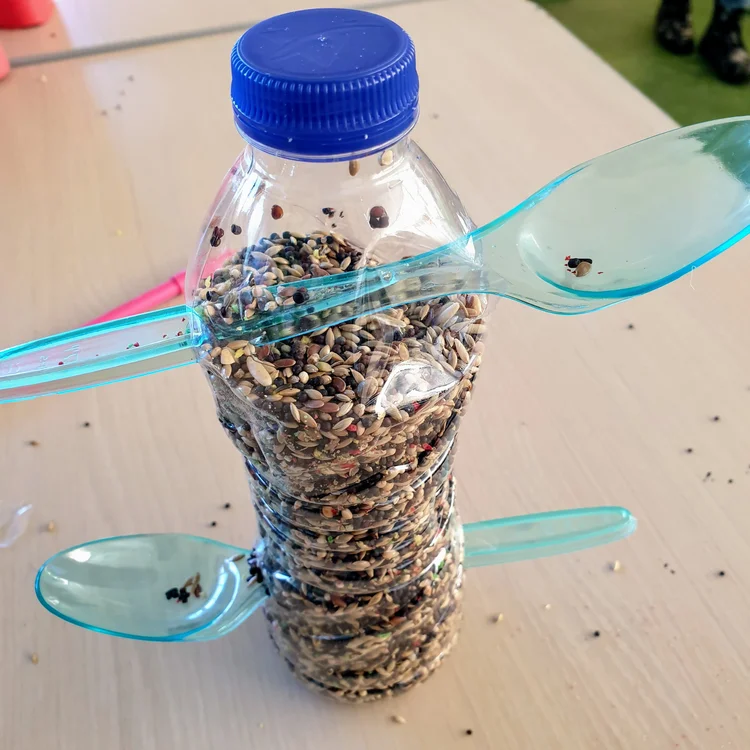
To make a bird feeder, clean a plastic bottle and cut holes for feeding ports. Insert wooden spoons or sticks as perches. Fill the bottle with birdseed and hang it using string or wire. This simple design attracts various birds safely.
What Materials Are Needed For A Plastic Bottle Bird Feeder?
You need a clean plastic bottle, wooden spoons or sticks, string or wire, scissors, and birdseed. These common materials are easy to find at home or local stores. The bottle serves as a container, while spoons act as perches.
How Do I Hang A Plastic Bottle Bird Feeder Safely?
Use strong string or wire to securely hang the feeder from a tree branch or hook. Ensure it is stable and out of reach of predators. Hanging it at a moderate height helps birds feel safe while feeding.
What Type Of Birdseed Is Best For Plastic Bottle Feeders?
Use a mix of sunflower seeds, millet, and cracked corn. These seeds attract a variety of birds like finches, sparrows, and chickadees. Avoid oily or wet seeds that can spoil quickly inside the bottle.
Conclusion
Creating a bird feeder from a plastic bottle is simple. It’s an eco-friendly project. You reduce waste and help birds. A great activity for families and kids. Gather your materials and follow the steps. Soon, you’ll see birds visiting your feeder.
Watch them enjoy the seeds you provide. Feel proud of your contribution to nature. This small act makes a big difference. So, start today and invite nature into your backyard. Enjoy the beauty of birds. Make a positive impact on the environment.
Happy bird watching!