
If you want your bird feeder to work smoothly and last longer, greasing the PVC parts is a simple but powerful step you shouldn’t skip. You might wonder why this matters—well, without proper lubrication, the feeder can get stuck or wear out faster, frustrating both you and your feathered visitors.
You’ll discover exactly how to grease PVC on your bird feeder with easy tips anyone can follow. Keep reading, and you’ll learn how to keep your feeder in perfect shape, making sure your backyard birds stay happy and well-fed all year round.
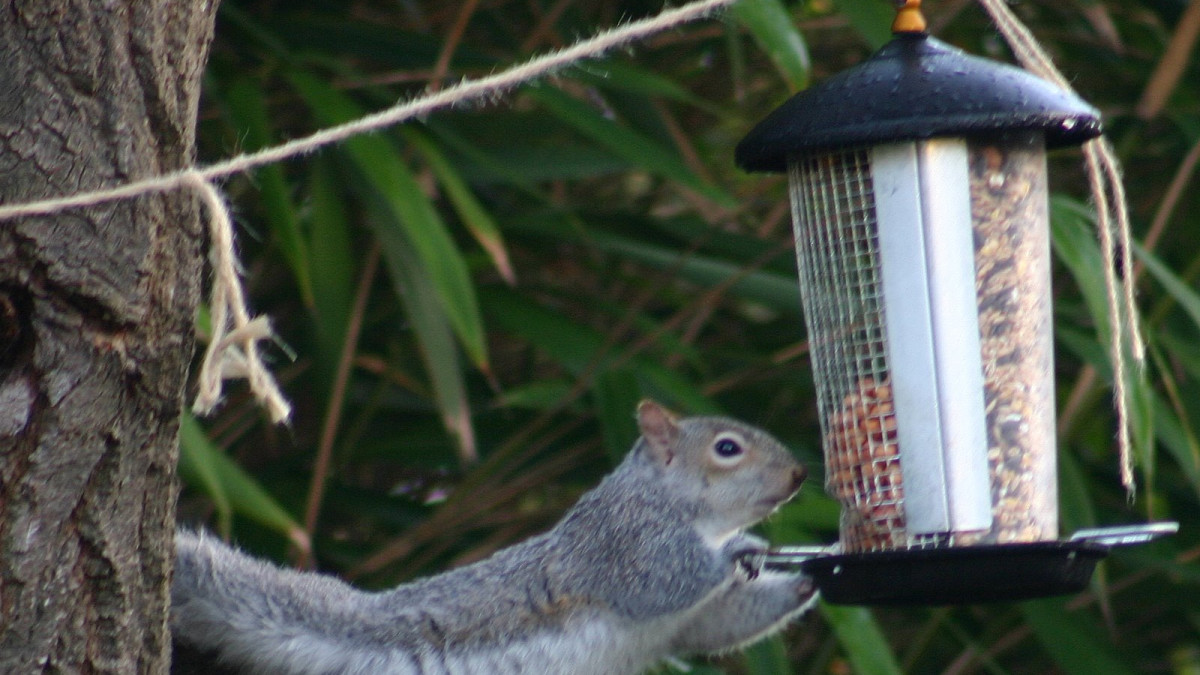
Credit: dengarden.com
Why Grease Pvc On Bird Feeders
Greasing the PVC parts on your bird feeder might seem like a small detail, but it plays a big role in maintaining your feeder’s functionality. Over time, PVC can become stiff or sticky, making it harder for birds to access the food. Applying grease helps keep these parts moving smoothly and extends the life of your feeder.
Benefits For Smooth Operation
When you grease the PVC on your bird feeder, you reduce friction between moving parts. This means lids open easily, perches turn without resistance, and seed compartments slide smoothly. Have you ever struggled with a stuck feeder door? Greasing solves that problem and makes refilling and cleaning much easier.
Using a safe, bird-friendly lubricant ensures that your feathered visitors aren’t exposed to harmful chemicals. This way, you can keep your feeder working well without worrying about the safety of the birds.
Preventing Wear And Tear
Constant movement without lubrication causes PVC to wear down faster. Scratches, cracks, and stiffness can develop, leading to costly repairs or replacement. Greasing acts like a protective barrier, reducing damage from rubbing parts.
Think about how your bicycle chain lasts longer when you oil it regularly. The same idea applies here—greasing your feeder’s PVC parts helps prevent breakdowns and keeps it looking good. Why spend money on a new feeder when a little grease can keep the old one working perfectly?
Choosing The Right Grease
Choosing the right grease is key to maintaining your PVC bird feeder. The correct grease protects the PVC without damaging it. It helps moving parts work smoothly and keeps birds safe. Picking unsuitable grease can cause harm to the feeder or the birds. Understanding the types of grease and harmful substances helps you make a safe choice.
Types Suitable For Pvc
Grease used on PVC should be soft and non-corrosive. Silicone-based grease works well. It does not break down plastic. Another good option is petroleum jelly. It is gentle and easy to apply. Some food-grade greases are safe too. These greases avoid chemical damage and keep the feeder moving freely.
- Silicone grease – safe and long-lasting
- Petroleum jelly – gentle and simple to use
- Food-grade grease – non-toxic for birds
Avoiding Harmful Substances
Never use greases that contain solvents or acids. They can crack or weaken PVC. Avoid grease with strong chemicals or harsh fragrances. These may harm birds if ingested. Stay away from grease with heavy metals. Lead or zinc in grease is toxic. Always check the label to ensure safety for wildlife.
- No solvents or acids
- No strong chemicals or fragrances
- Free of heavy metals like lead and zinc
Tools And Materials Needed
Preparing to grease PVC on a bird feeder requires the right tools and materials. Using proper items ensures smooth application and long-lasting protection. Gathering everything beforehand saves time and effort.
Below is a list of essential and optional items that help make the job easier and more effective.
Essential Items For Greasing
- Clean cloth or rag – for wiping dirt and excess grease
- PVC-safe grease or lubricant – prevents cracking and sticking
- Small brush or applicator – spreads grease evenly on surfaces
- Gloves – protect your hands from grease and dirt
- Bucket of warm water – for cleaning the feeder before greasing
- Mild soap – removes grime without damaging PVC
Optional Tools For Better Results
- Sandpaper (fine grit) – smooths rough PVC areas before greasing
- Plastic scraper – removes old grease or debris gently
- Disposable gloves – for easier cleanup and hygiene
- Masking tape – protects areas that should not be greased
- Spray bottle – applies cleaning solution evenly
Step-by-step Greasing Process
Greasing the PVC parts of your bird feeder is essential to keep it functioning smoothly and prevent wear. The process is simple but requires attention to detail to ensure the grease is applied correctly and lasts longer. Let’s walk through the steps to make your bird feeder glide effortlessly, making it more inviting for your feathered friends.
Cleaning The Pvc Surface
Start by thoroughly cleaning the PVC surface. Dirt and old grease can prevent new grease from sticking properly.
- Use warm, soapy water and a soft brush or cloth to remove grime.
- Rinse with clean water and dry completely with a lint-free cloth.
- Check for any cracks or damage that might affect the greasing process.
Have you noticed how often neglecting this step leads to sticky or noisy feeder parts? Clean surfaces always give better results.
Applying Grease Properly
Choose a grease suitable for outdoor use and safe for birds, such as a silicone-based or food-grade grease. Avoid petroleum-based products that can harm wildlife.
- Apply a thin, even layer of grease directly onto the PVC areas that move or rub together.
- Use your fingers or a small brush to spread it evenly, ensuring all contact points are covered.
- Don’t overdo it — excess grease can attract dirt and cause clogs.
Imagine the difference between a well-greased hinge and one left dry — your feeder will stay quieter and last longer with proper application.
Reassembling The Feeder
Once greased, carefully put the bird feeder back together. Make sure all parts fit snugly but move freely.
- Align the components precisely to avoid strain on the greased areas.
- Test the movement to ensure the grease is doing its job smoothly.
- Wipe away any excess grease that might have squeezed out during assembly.
Have you ever struggled with a feeder that sticks or squeaks? Proper reassembly makes all the difference in creating a hassle-free feeding station.
Maintenance Tips For Longevity
Proper maintenance keeps your PVC bird feeder working smoothly for years. Greasing is a key part of this care. It prevents parts from sticking and reduces wear. Follow a good routine to protect your feeder and ensure birds enjoy it longer.
Regular Greasing Schedule
Set a regular time to grease the PVC parts. Aim for every 3 to 6 months, depending on weather and use. More frequent greasing helps in rainy or dusty areas. Clean the feeder before applying grease. Use a silicone-based lubricant safe for birds.
Signs It’s Time To Reapply
Check for signs that grease needs reapplying. Look for squeaking sounds when parts move. If the feeder feels stiff or hard to open, it needs grease. Dust and dirt build-up can also reduce effectiveness. Reapply grease right away to avoid damage.
Common Mistakes To Avoid
Greasing PVC on your bird feeder might seem straightforward, but there are common mistakes that can turn a simple task into a frustrating experience. Avoiding these pitfalls will help ensure your feeder operates smoothly and lasts longer. Let’s look at the key errors you should watch out for.
Using Wrong Grease Types
Not all greases work well on PVC surfaces. Using petroleum-based grease, for example, can cause the plastic to degrade over time. This weakens the feeder and may lead to cracks or leaks.
Instead, choose a silicone-based or lithium grease made specifically for plastics. These options provide smooth lubrication without harming the material.
Have you checked the label on your grease lately? It’s easy to grab a product off the shelf without realizing it’s unsuitable for PVC.
Over-greasing Issues
Adding too much grease might seem like a good idea to keep things moving smoothly. However, excessive grease can attract dirt, dust, and debris, which clogs the mechanism instead of helping it.
Over time, this buildup makes cleaning harder and can cause the feeder to jam or malfunction. A small amount applied evenly is more effective than slathering on a thick layer.
Try to apply just enough grease to cover the moving parts lightly. Ask yourself—are you coating the surface or creating a greasy mess?
Alternative Lubrication Options
Choosing the right lubricant for your PVC bird feeder affects its durability and function. Alternative lubrication options can protect the feeder without harming the birds or the environment. Natural oils and synthetic greases offer different benefits and drawbacks. Understanding these helps you decide the best solution for your feeder’s moving parts.
Natural Oils Vs Synthetic Grease
Natural oils come from plants or animals. Examples include coconut oil, olive oil, and beeswax. They are safe for birds and eco-friendly. These oils prevent rust and reduce friction but may need frequent reapplication. They also attract less dirt.
Synthetic grease is made in labs for heavy-duty use. It lasts longer and handles extreme temperatures. It provides stronger protection and stays on parts better. However, some synthetic greases might be toxic if birds touch them. They can also attract dust and debris.
- Natural oils are safer for wildlife and the environment.
- Synthetic grease offers longer-lasting lubrication.
- Natural oils may need more frequent application.
- Synthetic grease can resist water and dirt better.
When To Consider Alternatives
Choose natural oils if your bird feeder is in a sensitive area. These oils reduce chemical exposure to birds and nearby plants. Use them when you want easy, gentle maintenance.
Synthetic grease suits feeders exposed to harsh weather or heavy use. It helps parts move smoothly despite rain or cold. Consider it if your feeder has metal parts prone to rust.
Also, try alternatives if the original grease causes dirt build-up. Some lubricants attract grime, making the feeder sticky. Switching to a cleaner option improves feeder hygiene.
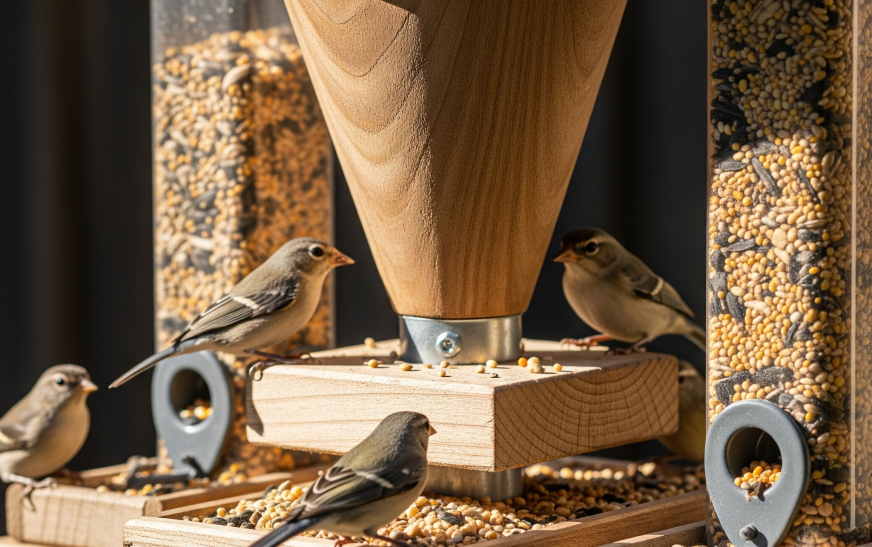
Credit: squirrelsinfo.com

Credit: happygardens.com
Frequently Asked Questions
Why Grease Pvc On Bird Feeders?
Greasing PVC on bird feeders helps prevent squirrels from climbing. The slippery surface makes it difficult for them. This ensures that birds can access the feeders without competition. It also helps in maintaining the feeder’s cleanliness and longevity. Regular maintenance with grease can enhance the overall bird-watching experience.
What Type Of Grease Is Best For Pvc?
Silicone-based grease is ideal for PVC on bird feeders. It’s durable and water-resistant, making it perfect for outdoor use. Silicone grease is also non-toxic, ensuring safety for birds. Always choose a product specifically designed for outdoor applications to ensure effectiveness.
Regular reapplication may be necessary for optimal results.
How Often Should I Reapply Grease?
Reapply grease every few months or as needed. Weather conditions may affect its longevity. Check the feeder regularly for effectiveness. If you notice squirrels accessing the feeder, it’s time to reapply. Consistent maintenance ensures the feeder remains squirrel-proof and functional for birds.
Is Greasing Pvc Safe For Birds?
Yes, greasing PVC is safe for birds if non-toxic products are used. Silicone-based greases are recommended. They provide a slippery surface without harming wildlife. Always ensure the product is suitable for outdoor use. Regular checks ensure the safety and effectiveness of the grease application.
Conclusion
Greasing PVC on your bird feeder keeps it working well and lasts longer. Use the right grease and apply it carefully to avoid mess. Clean the PVC before greasing to help the grease stick better. Regular maintenance stops squeaks and prevents wear.
Taking these small steps helps your feeder stay safe and friendly for birds. Keep it simple, and your bird feeder will stay in good shape for many seasons. Easy care means happy birds and less trouble for you.