
Are you tired of finding unwanted guests raiding your bird feeder? Rodents can quickly turn your peaceful bird-watching spot into a frustrating mess.
But what if you could enjoy your feathered friends without worrying about these pesky intruders? You’ll discover simple, effective ways to keep rodents away from your bird feeder. By making just a few changes, you’ll protect your birdseed and create a safe space for the birds you love.
Keep reading, and let’s make your bird feeder rodent-free together.
Choose Rodent-proof Feeders
Choosing the right bird feeder is crucial if you want to keep rodents at bay. Not all feeders are created equal—some are designed specifically to stop unwanted visitors like squirrels and rats from getting to the birdseed. Picking a rodent-proof feeder saves you time and frustration, and it means your feathered friends get to enjoy the food without competition.
Materials That Deter Rodents
Rodents are persistent, but the right materials can make your feeder less inviting. Metal feeders, especially those made from stainless steel or aluminum, are tough for rodents to chew through. Plastic feeders might be easier to damage, so avoid them if you have a rodent problem.
Glass feeders are another good option because they are heavy and hard to gnaw on. Consider feeders with smooth surfaces, as rodents find it difficult to get a grip and climb. Have you noticed how rodents avoid certain textures? Using feeders with slippery finishes can help keep them away.
Designs That Prevent Access
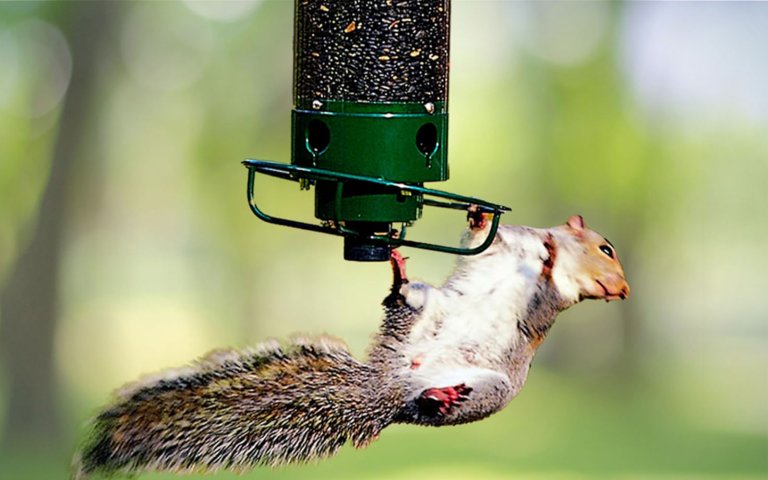
Look for feeders with built-in barriers or baffles that block rodents from reaching the seed. Weight-sensitive perches are effective; they close off access when heavier animals like squirrels try to land. This keeps the seed safe for smaller birds.
Feeders that hang from thin wires or have spinning baffles add an extra layer of protection. You can also try tube feeders with small feeding ports that only allow birds to access the food. Does your feeder have features that challenge rodents but welcome birds? Choosing one with clever design elements makes a big difference.

Credit: happygardens.com
Position Feeders Strategically
Positioning your bird feeders carefully is one of the simplest yet most effective ways to keep rodents away. Rodents are excellent climbers and jumpers, so the location you choose can either invite or deter these unwanted visitors. A strategic spot not only protects your feathered friends but also keeps your garden cleaner and more enjoyable.
Distance From Trees And Structures
Place your feeders at least 10 feet away from trees, fences, or any structures rodents can use as launching pads. Rodents can leap surprisingly far—sometimes up to 4 feet horizontally—so even a small branch nearby could be a bridge for them.
Think about your garden layout. Is there a nearby tree branch that squirrels could use to jump onto the feeder? If yes, move the feeder farther away or trim the branches back to create a clear gap. This simple change can dramatically reduce rodent visits.
Height Recommendations
Mount feeders at least 5 to 6 feet above the ground. This height makes it harder for rodents to climb up directly. If you’ve ever watched a squirrel try to reach a high feeder, you know they often give up if it’s too tricky.
Adding a smooth metal baffle below the feeder pole can further block rodents from climbing up. These baffles act as slippery barriers, stopping rodents in their tracks. Have you tried this? Many bird lovers swear by it for a rodent-free feeding spot.
Use Physical Barriers
Using physical barriers is one of the most effective ways to keep rodents away from your bird feeder. These barriers block access without harming the animals, making your feeder a safe spot for birds alone. If you’ve struggled with squirrels or rats raiding your feeders, adding a physical barrier can save you time and frustration.
Installing Baffles And Guards
Baffles are disk or cone-shaped devices placed above or below your feeder to stop rodents from climbing down or up. You can install a dome-shaped baffle above the feeder pole or a cylindrical one below it. These create a slippery or blocked surface rodents can’t pass.
Make sure the baffle is wide enough, at least 18 inches in diameter, so squirrels can’t jump around it. Metal baffles work best since rodents can chew through plastic or wood. If you’ve ever noticed squirrels cleverly bypassing simple guards, upgrading to a well-sized metal baffle can change the game.
Using Pole Covers
Covering the feeder pole with a smooth, metal sleeve makes climbing impossible. These pole covers slide over the pole and stop rodents from gripping or scratching their way up. They’re easy to install and don’t interfere with your feeder’s stability.
Think about the last time you saw a squirrel attempt to climb a thin, slippery metal pipe and fail. That’s the kind of barrier a pole cover creates. You can even add multiple covers if the rodents are particularly persistent.

Credit: www.amazon.com
Maintain Clean Feeding Areas
Keeping bird feeding areas clean helps stop rodents from visiting. Rodents are drawn to easy food sources. Cleaning up makes your feeder less attractive to them. It also keeps birds safe and healthy.
Regular Seed Cleanup
Seeds often fall to the ground around feeders. These seeds attract rodents and other pests. Remove spilled seeds daily using a small broom or rake. This prevents rodents from finding food near your feeder. Clean areas discourage rodents from staying close.
Avoiding Spilled Food
Spilled food is a strong lure for rodents. Use feeders with trays or catch basins to hold seeds. Check feeders regularly for leaks or broken parts. Fix or replace damaged feeders quickly to reduce spills. Store birdseed in sealed containers away from rodents. Controlling spills limits easy meals for unwanted visitors.
Opt For Rodent-resistant Seeds
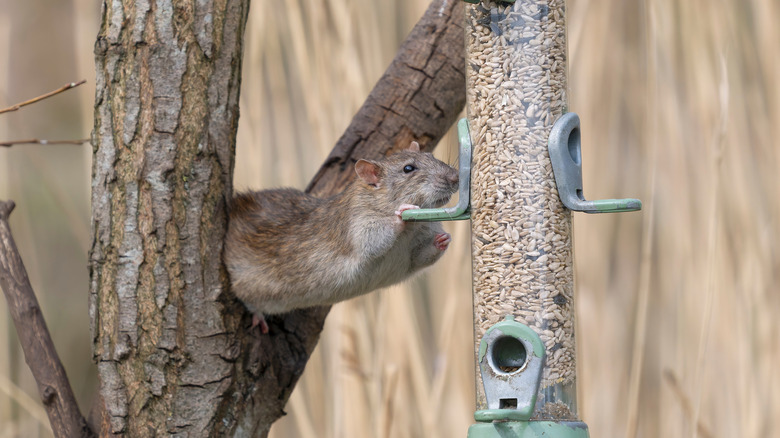
Choosing the right seeds can reduce the chance of rodents invading your bird feeder. Rodent-resistant seeds help keep unwanted guests away. Birds enjoy these seeds, but rodents find them less tasty or harder to eat.
Using these seeds can protect your feeder and help keep the feeding area cleaner. This simple change can save you time and frustration.
Seed Types Less Attractive To Rodents
Some seeds are less appealing to rodents because of their size, shell, or taste. Here are a few types to consider:
- Nyjer (thistle) seeds – very small and hard for rodents to eat
- Safflower seeds – bitter taste discourages squirrels and rats
- Sunflower seeds with shells – harder for rodents to crack open
- Millet – preferred by birds but less attractive to rodents
These seeds attract birds but keep rodents away effectively.
Mixing Seeds For Effectiveness
Combining different seeds can improve rodent resistance. Mixing hard-to-eat seeds with favorite bird seeds works well.
- Use safflower seeds mixed with sunflower seeds
- Add nyjer seeds to your seed blend
- Include millet to increase variety and reduce rodent interest
This mix keeps birds happy and rodents less interested.
Credit: www.outdoorguide.com
Implement Natural Deterrents
Keeping rodents away from your bird feeder doesn’t have to involve harsh chemicals or complicated setups. Natural deterrents offer a safe and effective way to protect your birdseed while maintaining a healthy environment. These simple tactics can make a big difference and even add beauty and fragrance to your garden.
Planting Repellent Herbs Nearby
Certain herbs naturally repel rodents due to their strong scents. Planting herbs like mint, lavender, or rosemary around your bird feeder creates a fragrant barrier that rodents tend to avoid.
Mint is especially powerful because rodents dislike its pungent smell. However, keep it contained in pots to prevent it from spreading too aggressively. Lavender not only repels rodents but also attracts pollinators, making it a dual-purpose choice.
Have you noticed how these herbs bring a fresh aroma to your outdoor space? Their scent can mask the smell of birdseed, making it harder for rodents to locate the feeder.
Using Scent-based Repellents
Scent-based repellents mimic smells that rodents find unpleasant or threatening. Essential oils like peppermint, eucalyptus, or citronella are popular options you can apply around your feeder area.
Simply soak cotton balls in these oils and place them near the feeder. Replace them every few days to keep the scent strong and effective.
Another tip is to use predator urine, such as fox or coyote scent, which signals danger to rodents. You can find these at garden centers or online. Just make sure to follow instructions carefully to avoid disturbing other wildlife.
Have you tried these scents before? Sometimes a small change in smell can make rodents rethink their visit to your bird feeder.
Monitor And Adjust Feeding Practices
Keeping rodents away from your bird feeder requires more than just physical barriers. Monitoring your feeding habits and making timely adjustments can greatly reduce unwanted visitors. This approach helps you stay ahead of rodents by controlling when and how much food is available.
Feeding Schedule Tips
Set specific times during the day to fill your bird feeder rather than leaving food out all the time. Birds typically feed during daylight hours, so refilling early morning and late afternoon works well. This limits the amount of leftover seed that rodents can find overnight.
Try to avoid overfilling the feeder. Excess seed often falls to the ground, attracting rodents quickly. You might find it helpful to keep a small notebook or use a phone app to track how much seed your birds consume daily.
Observing Rodent Activity
Watch your feeder area closely for signs of rodent visits, such as scattered seeds, footprints, or droppings. Notice when rodents are most active—this can help you adjust your feeding schedule to minimize their access. For example, if you see them mostly at dusk, try to remove leftover seeds before that time.
Consider setting up a motion-activated camera if you want detailed insights without disturbing the area. Seeing exactly when and how rodents approach your feeder can guide your next steps. Have you ever noticed rodents appearing more during certain weather conditions?
Frequently Asked Questions
How Can I Prevent Rodents From Reaching My Bird Feeder?
Use rodent-proof feeders and place them on metal poles. Add baffles below feeders to block climbing rodents. Keep the area clean by removing spilled seeds regularly.
What Types Of Bird Feeders Are Rodent-resistant?
Feeders with weight-activated perches or cages limit access to birds only. Tube feeders with small feeding ports also reduce rodent access effectively.
Does Seed Type Affect Rodent Attraction To Feeders?
Yes, sunflower and safflower seeds attract fewer rodents. Avoid using corn or millet, as these seeds tend to lure rodents more.
How Often Should I Clean Around The Bird Feeder?
Clean the area at least once a week. Regular cleaning removes spilled seeds and reduces rodent food sources.
Conclusion
Keeping rodents away from bird feeders is doable with simple steps. Secure feeders tightly. Use baffles to block access. Choose rodent-proof designs. Regularly clean up spilled seeds. Use spicy birdseed to deter rodents. Maintain a tidy yard. Trim branches near feeders.
Store birdseed in sealed containers. These actions create a rodent-free feeding space. Birds can then enjoy their meals peacefully. Follow these tips consistently. Enjoy watching birds without unwanted guests. With patience and persistence, you can succeed. Happy birdwatching!