
If you love watching birds visit your feeder, you know how upsetting it is to see a hawk swoop in and scare them away. You want to keep your feathered friends safe, but it’s not always easy to know how.
What if there were simple, effective ways to protect your feeder birds without harming the hawks? You’ll discover easy steps you can take right now to create a safer space for the birds you enjoy watching. Keep reading to learn how to outsmart hawks and give your backyard visitors the protection they deserve.

Credit: www.angi.com
Feeder Bird Risks From Hawks
Bird feeders attract many small birds seeking food. This also draws attention from hawks, natural hunters of these smaller birds. Understanding the risks feeder birds face from hawks helps protect them. Hawks use sharp eyesight and fast flight to catch prey near feeders.
Common Hawk Species Near Feeders
- Red-tailed Hawk: Large and common, often seen soaring near open spaces.
- Cooper’s Hawk: Medium-sized, known for quick, agile flights through trees.
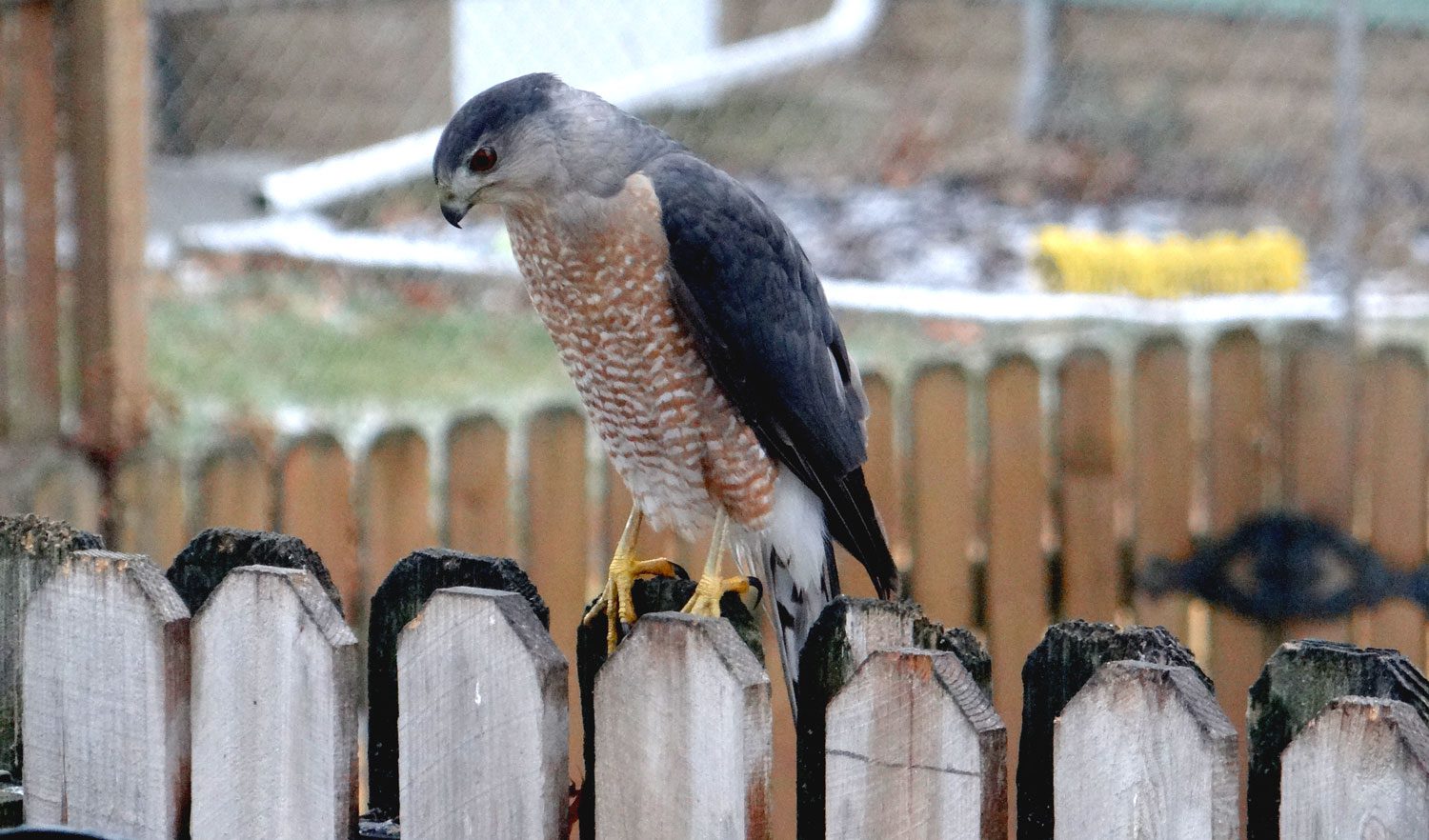
- Sharp-shinned Hawk: Smallest hawk, very fast and stealthy around feeders.
- American Kestrel: Small falcon, hunts small birds and insects near feeders.
Typical Hawk Hunting Behaviors
Hawks hunt by watching feeders from high perches. They wait patiently for a chance to swoop down quickly.
They use surprise and speed to catch birds unaware. Hawks often strike early morning or late afternoon.
Hawks prefer to attack isolated birds away from cover. They avoid areas crowded with many birds or people.
Safe Feeder Placement
Placing your bird feeder safely is one of the most effective ways to protect feeder birds from hawks. The right location can reduce the chances of hawks swooping down and catching your backyard visitors. You want your feathered friends to feel secure while they enjoy their meal.
Choosing Shielded Locations
Pick spots near bushes, trees, or shrubs. These natural covers act as quick hiding places for smaller birds if a hawk appears. I once moved a feeder closer to a thick hedge, and I noticed birds spending more time feeding calmly without sudden flights.
Make sure the shelter is dense enough to block a hawk’s direct line of sight. Open spaces leave birds exposed and vulnerable. You might even add some artificial cover like a lattice or a screen if natural options are limited.
Height And Visibility Considerations
Place feeders at a moderate height, about 5 to 6 feet off the ground. Too low, and ground predators become a risk; too high, and hawks have a better vantage point. This height strikes a balance where small birds can spot danger early and escape.
Also, avoid positioning feeders near tall poles or isolated trees where hawks can perch and watch. Instead, choose spots with plenty of surrounding branches for birds to dart into quickly. Can you imagine how your birds would feel if they had safe “escape routes” nearby?
Feeder Design And Modifications
Protecting feeder birds from hawks requires thoughtful feeder design and smart modifications. The right setup can give your feathered friends a safer place to eat without constant worry. Adjusting your feeder’s structure can make a big difference in how vulnerable birds feel while feeding.
Using Protective Covers
Adding a protective cover over your feeder creates a physical barrier between birds and hawks. This doesn’t have to be complicated—a simple mesh or clear plastic shield can work well. It limits the angles from which a hawk can swoop down, giving smaller birds a better chance to spot danger early.
Try placing a dome-shaped cover above the feeder. This design blocks attacks from above, which is a common hawk approach. You might have to experiment with different sizes to ensure birds can still comfortably access the seeds.
Have you noticed how birds behave around feeders with covers? Often, they seem less stressed and spend more time feeding. That’s a sign your protective cover is doing its job.
Selecting Appropriate Feeder Styles
The style of feeder you choose can influence how safe birds feel. Tube feeders with small perches limit the space for hawks to land, making it harder for them to ambush. Platform feeders, on the other hand, expose birds more, increasing risk.
Consider feeders with multiple small feeding ports instead of one large opening. This design keeps birds spaced out and reduces crowding, which hawks exploit during attacks. Also, feeders placed close to dense shrubs or branches provide quick escape routes for birds.
Have you tried switching to feeders designed specifically to deter predators? Styles like caged feeders or those with built-in baffles can reduce hawk access without disturbing your birds’ feeding habits. Your choice here can be the difference between a peaceful feeding spot and a stressful one.
Landscape Strategies For Protection
Landscape design plays a key role in keeping feeder birds safe from hawks. A well-planned yard offers shelter and quick escape options. Plants and structures can create a safer space for birds to feed and rest. Simple changes can reduce hawk attacks and encourage birds to visit more often.
Planting Shrubs And Trees
Dense shrubs and small trees provide hiding spots for birds. Place them near feeders to offer quick cover. Evergreens work well because they keep leaves year-round. Choose plants with thick branches and leaves to block hawk views. Grouping plants creates a natural shield. This helps birds feel safe and reduces stress.
Creating Escape Routes
Birds need clear paths to flee from hawks fast. Avoid open spaces near feeders where hawks can hunt easily. Arrange plants and branches so birds can fly quickly to cover. Keep some low branches close to the ground. This lets smaller birds escape quickly and hide. Think about natural flight paths when setting up feeders and plants. Safe routes increase bird survival chances.
Deterrents To Hawk Presence
Keeping hawks away from your feeder birds requires smart deterrents that make your yard less inviting to these predators. Hawks rely heavily on sight and sound to hunt, so using tools that disrupt these senses can protect your smaller birds effectively. Let’s look at some practical ways you can reduce hawk presence without harming them.
Visual Deterrents
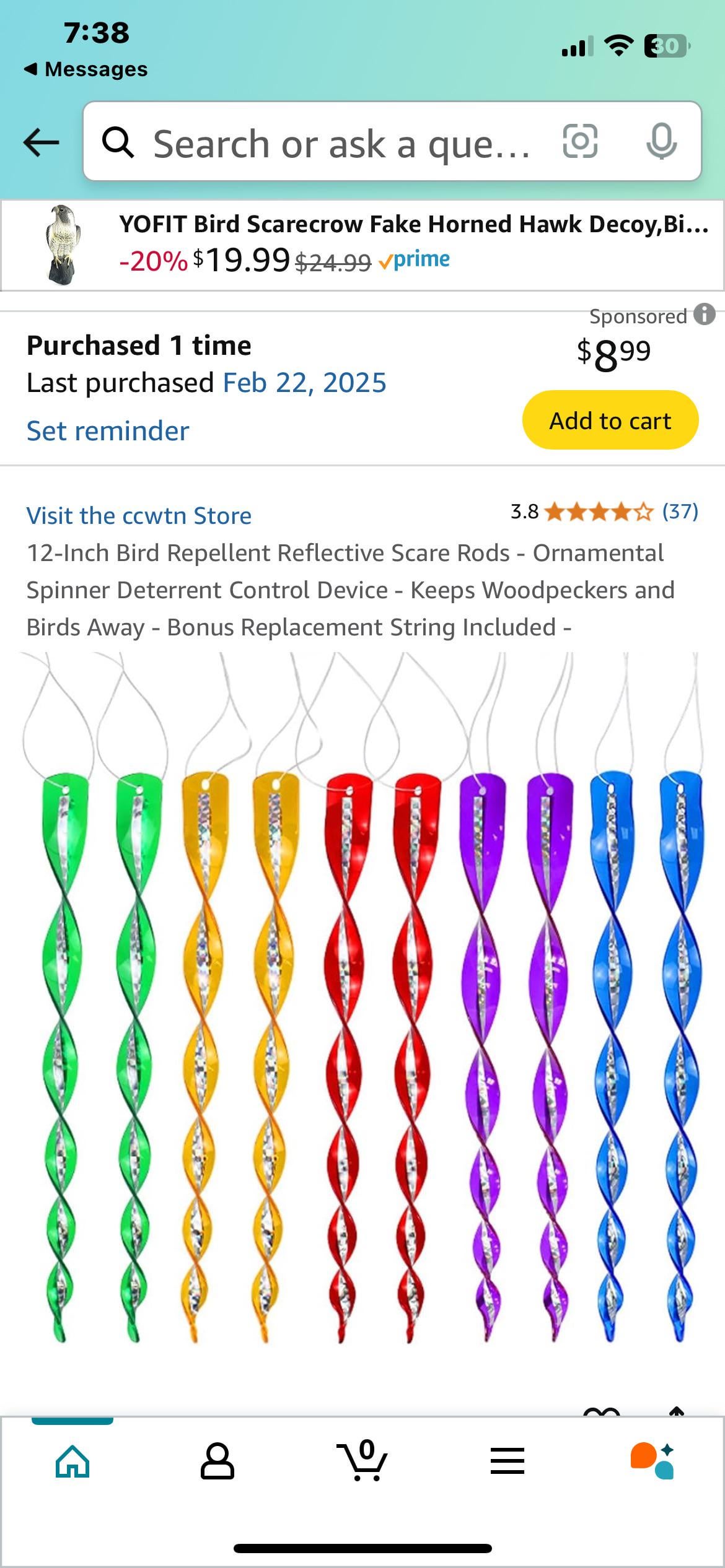
Visual deterrents work by confusing or scaring hawks before they come close. Reflective objects like shiny tape, old CDs, or wind chimes can create unexpected flashes of light that discourage hawks from circling your feeders.
Another effective tool is placing decoys such as fake owls or hawks. Move these decoys around every few days to keep the real hawks uncertain. Have you noticed how your feeder birds behave differently when a decoy is nearby? This simple trick often buys your birds enough time to feed safely.
Sound-based Deterrents
Sound can also keep hawks away by disrupting their focus and making the area less appealing. Devices that emit distress calls of smaller birds or predator calls can create an audio environment that hawks avoid.
However, these sounds should be used sparingly. Too much noise might stress your feeder birds instead of protecting them. Try setting sound deterrents on timers during peak hawk activity periods, such as early morning or late afternoon.
Credit: www.allaboutbirds.org
Feeding Practices To Reduce Risk
Feeding birds safely helps keep them away from hawks. Careful feeding practices lower the risk of hawk attacks. Small changes can make a big difference. Focus on when and how birds eat to protect them better.
Timing Feedings
Feed birds early in the morning or late in the evening. Hawks hunt mostly during midday when the sun is high. Feeding during low-light times reduces hawk visits. Birds feel safer and can eat calmly. Avoid feeding during peak hawk activity hours. Consistent timing helps birds learn safe feeding schedules.
Avoiding Overcrowding
Too many birds at one feeder attract hawks. Overcrowding makes birds less alert and easier targets. Use multiple feeders spaced apart to spread out birds. Smaller groups can watch for danger better. Keep feeders clean to prevent disease and stress. Offer various food types to attract different bird species. This reduces competition and crowding at feeders.
Monitoring And Responding To Threats
Keeping feeder birds safe means watching closely and acting fast. Monitoring helps spot dangers early. Responding quickly can stop harm before it happens. This section shows how to check feeders often and what to do if hawks attack.
Regular Feeder Inspections
Check feeders every day. Look for signs of damage or unusual bird behavior. Clean feeders to avoid disease. Remove leftover seeds that attract predators. Observe the area around feeders for hawks or other threats. Use binoculars for a better view.
- Inspect feeder poles and perches for stability.
- Clear nearby bushes where hawks may hide.
- Notice if birds seem nervous or stop visiting.
- Keep feeders away from open spaces where hawks can easily swoop.
What To Do If A Hawk Attacks
Stay calm. Do not try to catch the hawk. Make loud noises by clapping or whistling to scare it away. Quickly cover the feeder with a cloth or move it indoors. Watch the hawk leave before uncovering the feeder.
Protect injured birds by placing them in a safe, quiet box. Contact a local wildlife rehabilitator for help. Keep feeders active only during safe hours to avoid hawk visits. Adjust feeding times based on hawk activity to keep birds safe.

Credit: www.allaboutbirds.org
Frequently Asked Questions
How Can I Keep Feeder Birds Safe From Hawks?
Place feeders near dense shrubs or trees for quick bird cover. Use baffles or protective cages around feeders to block hawk access. Avoid open, exposed feeding areas where hawks can easily spot prey.
What Types Of Feeders Deter Hawks Effectively?
Use feeders with protective cages or mesh to shield birds. Platform feeders with overhead covers reduce hawk strikes. Avoid feeders in open spaces as they attract hawks.
When Do Hawks Usually Hunt Feeder Birds?
Hawks hunt mostly during early mornings and late afternoons. They use these times when birds are most active at feeders. Being aware helps you protect birds during high-risk periods.
Which Plants Help Protect Birds From Hawks?
Dense shrubs like holly, juniper, or evergreens provide safe bird cover. Planting thorny bushes deters hawks and offers quick bird refuge. Native plants also support local bird populations.
Conclusion
Protecting feeder birds from hawks takes simple steps. Start with installing birdhouses. These provide shelter. Place feeders near shrubs or trees. This offers safe spaces. Use reflective items to deter hawks. They confuse predators. Keep feeders clean and full. It attracts birds more often.
Enjoy watching safe, happy birds in your yard. Your actions make a big difference. Keep your backyard a sanctuary. Nature’s balance is delicate. Let’s protect our feathered friends.