
Have you ever wished you could enjoy the beauty of birds right from your window? Watching colorful birds up close can brighten your day and bring a peaceful moment to your busy life.
But how do you get those feathered friends to visit your window feeder? It’s easier than you think, and with a few simple tips, you’ll soon have a lively show of birds just outside your glass. Keep reading, and you’ll discover the secrets to attracting birds that will make your window the best seat in the house.
Choosing The Right Feeder
Choosing the right feeder is key to attracting birds to your window feeder. The feeder you pick affects which birds visit, how often they come, and how comfortable they feel. Understanding your options helps you create a safe and inviting spot right outside your window.
Types Of Window Feeders
You’ll find several types of window feeders, each designed to cater to different bird species and feeding habits. Some popular options include:
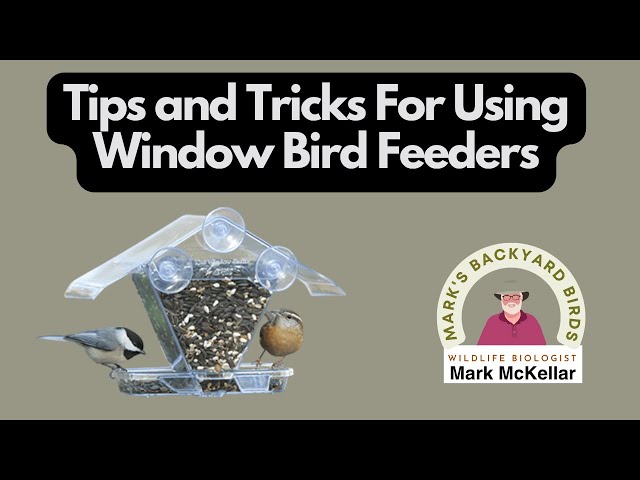
- Suction cup feeders:These attach directly to the glass and are great for small birds like finches and chickadees.
- Tray feeders:Offer a flat surface for birds that prefer to perch while eating, such as sparrows and cardinals.
- Tube feeders:Ideal for birds that cling while feeding, like nuthatches and titmice.
Which type fits your window space and bird preferences? Think about the birds you want to attract and their feeding styles.
Material And Design Considerations
Durability matters, especially if your feeder faces harsh weather. Plastic feeders are lightweight and easy to clean but can crack in cold weather. Metal feeders last longer but might be heavier and more expensive.
Look for feeders with smooth edges and easy-access feeding ports to prevent injury. Transparent materials can help birds see food clearly, but too much glare might scare them off.
Have you noticed how some feeders collect mold or leftover seeds quickly? Choosing a design that’s easy to clean encourages healthy feeding habits and keeps birds coming back.
Size And Placement Tips
Size influences how many birds can feed at once. Smaller feeders are cozy for one or two birds but might limit visits during busy mornings. Larger feeders accommodate groups but require more maintenance.
Place your feeder at eye level or slightly below for the best viewing experience and to help birds feel secure. Avoid spots where reflections confuse birds or where predators can easily hide.
Try moving your feeder to different window spots if birds seem hesitant. Sometimes a small change in placement makes a big difference in visitor numbers.
Selecting Bird-friendly Food
Choosing the right food is key to attracting birds to your window feeder. Birds have specific tastes and nutritional needs, so offering the right options encourages them to visit regularly. Your choice of food can also affect the variety of birds that come by, turning your window into a lively birdwatching spot.
Popular Seeds And Mixes
Sunflower seeds are a top favorite for many birds. Black oil sunflower seeds are especially popular because their thin shells are easy to crack open.
Another great option is nyjer seed, which attracts finches like goldfinches and siskins. You can find mixes that combine sunflower, millet, and cracked corn to appeal to a wider range of birds.
Have you tried offering safflower seeds? Many birds enjoy them, and squirrels tend to avoid them, helping keep your feeder less messy.
Seasonal Food Options
Adjusting your offerings with the seasons can make your feeder more attractive year-round. In spring and summer, fresh fruits like berries or chopped apples can bring in species like robins and waxwings.
During colder months, high-fat foods such as suet cakes provide energy birds need to stay warm. Mealworms are another excellent treat that many insect-eating birds appreciate in the fall and winter.
Think about what’s naturally available in your area and try to mimic that in your feeder to make birds feel at home.
Avoiding Harmful Ingredients
Some common bird food ingredients can actually harm your feathered visitors. Avoid foods with added salt, sugar, or artificial flavorings as these can disrupt their health.
Also, steer clear of bread and processed human snacks. They offer little nutrition and can cause serious digestive problems.
Have you checked the ingredient list on your birdseed? Opt for pure, natural mixes without fillers like wheat or red millet, which many birds tend to ignore.
Ideal Location For Window Feeders
Choosing the right spot for your window feeder is key to attracting more birds and enjoying their visits up close. The location affects how safe and inviting the feeder feels to birds, as well as how easily you can watch them from inside. Let’s look at how to pick an ideal spot that benefits both you and your feathered guests.
Safe And Visible Spots
Place your feeder where birds can easily see it without feeling exposed. A window near trees or shrubs is perfect because birds can quickly dart to cover if needed. If your feeder is too far from natural shelter, birds might avoid it, fearing predators.
Think about your own view too. Position the feeder at eye level or slightly below so you can enjoy watching birds without straining your neck. A clean window with minimal reflections will help birds recognize the feeder and reduce collisions.
Avoiding Predators And Hazards
Keep your feeder away from areas where cats or other predators can hide and ambush birds. Avoid placing it near busy roads or places with high human traffic that might scare birds off. A good rule is to keep at least 3 feet of open space around the feeder so birds can spot threats quickly.
Also, be mindful of window reflections that confuse birds and cause crashes. Using decals or placing feeders on windows with screens can reduce this risk. Have you noticed birds suddenly disappearing? It might be the presence of a hidden predator nearby.
Maximizing Bird Traffic
To draw more birds, position the feeder near natural food sources like berry bushes or flowering plants. Birds often visit familiar spots, so placing the feeder close to their usual routes boosts visits. You might see more species if you add a water source nearby, like a small birdbath.
Rotate feeders occasionally to keep birds curious and coming back. Have you tried moving your feeder a few feet and noticed a change in visitors? Small adjustments can make a big difference in bird activity.

Credit: www.reddit.com
Attracting Birds With Environment
Attracting birds to your window feeder depends a lot on the environment you create around it. Birds look for safe, inviting spaces that meet their basic needs like food, water, and shelter. By shaping the area near your window feeder thoughtfully, you can encourage more feathered visitors to stop by and stay longer.
Adding Native Plants
Native plants are the foundation of a bird-friendly environment. They provide natural food sources such as seeds, berries, and insects that birds rely on. You might notice that after planting native shrubs or flowers near your window, more birds begin to appear—this is no coincidence.
Try adding plants like coneflowers, milkweed, or serviceberry, which support local bird species well. Not only do these plants attract birds, but they also require less water and care than non-native species.
Providing Water Sources
Water is essential for birds, especially during hot or dry weather. A simple birdbath or shallow dish of water near your window feeder can make a big difference. Moving water, like a small fountain or dripper, grabs birds’ attention even more.
Keep the water clean and fresh to encourage repeated visits. Have you noticed how birds often bathe and drink multiple times a day? Offering water lets them stay healthy and comfortable close to your feeder.
Creating Shelter And Perches
Birds need places to rest, hide from predators, and watch for food safely. Adding dense bushes, small trees, or even a brush pile nearby creates shelter that feels secure. Perches such as branches or specially designed bird perches near your window feeder give birds a place to land and observe before feeding.
Think about the types of birds you want to attract and provide perches at different heights. You might be surprised how much longer birds stay when they feel safe and have spots to rest right beside your feeder.
Maintaining Your Window Feeder
Maintaining your window feeder is key to attracting birds regularly. Cleanliness and proper care keep birds safe and healthy. A well-maintained feeder encourages birds to visit often and stay longer.
Regular attention prevents common issues like mold and spoiled food. It also helps keep your feeder looking nice and working well. Simple habits can make a big difference in your birdwatching experience.
Cleaning And Hygiene Tips
Clean the feeder every few days to stop germs. Use warm water and mild soap for best results. Avoid harsh chemicals that can harm birds.
- Remove old seeds before adding new ones.
- Rinse thoroughly to remove soap residues.
- Dry the feeder completely before refilling.
Cleaning prevents disease and keeps birds safe. It also stops pests from gathering around your feeder.
Preventing Mold And Spoilage
Mold grows quickly in damp or dirty feeders. Spoiled seeds can make birds sick. Keep the feeder dry and clean to avoid these problems.
- Check for wet seeds and remove them immediately.
- Place the feeder where it gets sunlight and air flow.
- Use fresh seeds and store them in a cool, dry place.
Regular checks help catch mold early. Healthy food attracts more birds and keeps them happy.
Regular Refilling Schedule
Refill the feeder often to keep food fresh. Birds prefer fresh seeds and will return more.
- Check the feeder daily during busy seasons.
- Refill smaller amounts to avoid waste.
- Adjust refilling frequency based on bird activity.
Consistent food supply builds trust with birds. It encourages a steady flow of visitors to your window.

Credit: www.natureswaybirds.com
Encouraging Frequent Visits
Encouraging birds to visit your window feeder often requires more than just filling it with seeds. Creating an inviting environment and understanding bird behavior can make a huge difference. Your goal is to make your feeder a reliable, safe, and appealing spot that birds want to return to again and again.
Using Bird Calls And Sounds
Playing bird calls near your window feeder can grab the attention of local birds. Many species respond to the sounds of their own kind, which signals a food source or safe area. You can find free apps or recordings that mimic bird songs and calls to play softly nearby.
Try matching the calls to the species you want to attract. For example, chickadees respond well to their “chick-a-dee” call. Have you noticed how birds often gather when they hear familiar sounds? Using this trick can boost visits quickly.
Minimizing Disturbances
Birds are cautious by nature and easily scared off by sudden movements or loud noises. Keep the area around your feeder calm and quiet, especially during peak feeding times like early morning and late afternoon. Avoid tapping on windows or standing too close for long periods.
Consider placing your feeder where it’s shielded from heavy foot traffic and pets. Do you think the noise from a nearby road or loud music could be driving birds away? Reducing these disturbances helps birds feel safe and encourages them to stay longer.
Patience And Consistency
Birds need time to discover new feeders and trust the spot as a reliable source. Keep your feeder filled regularly and clean it often to prevent mold and disease. Consistency in offering food creates a routine that birds learn to depend on.
Don’t get discouraged if visits start slow. I once waited weeks before a small group of finches made my feeder their daily stop. Have you given your feeder enough time to become a part of the local bird community? Persistence pays off in birdwatching rewards.
Common Challenges And Solutions
Attracting birds to your window feeder can be rewarding, but it comes with its set of challenges. From dealing with unwanted visitors to seasonal shifts, you need smart solutions to keep your feathered friends safe and happy. Let’s look at some common hurdles and how you can tackle them effectively.
Dealing With Squirrels And Pests
Squirrels can turn your peaceful bird-feeding spot into a battleground. These little acrobats are clever and persistent, often stealing seeds and scaring birds away. To protect your feeder, try adding a squirrel baffle—these dome-shaped guards prevent squirrels from climbing down to the feeder.
Using feeders designed with weight-sensitive perches helps, too. They close access when a heavy animal like a squirrel lands but open for lighter birds. You might also consider placing feeders away from trees or structures squirrels can jump from.
Other pests like ants or bees can also bother your feeder. A simple trick is to put a small moat of water or petroleum jelly around the feeder’s hanging hook to block ants. For bees, avoid using sweet liquid feeders and keep seed feeders clean to reduce attraction.
Preventing Window Collisions
Birds flying into windows is a serious risk, especially near feeders. These collisions can injure or kill birds, disrupting your efforts. You can reduce this danger by making windows more visible to birds.
Apply decals or tape in patterns that birds can see. Stripes or dots spaced closely (no more than 2 inches apart vertically or 4 inches horizontally) work best. You can also hang lightweight objects like ribbons or wind chimes to break up reflections.
Another approach is to position feeders either very close (less than 3 feet) or far (more than 30 feet) from windows. This limits birds’ speed when they fly near glass, lowering injury risk.
Handling Seasonal Changes
Seasonal shifts affect bird behavior and what they need from feeders. In winter, birds require high-energy foods like sunflower seeds or suet to survive cold temperatures. During spring and summer, they prefer softer foods and may rely more on natural sources.
Adjust your feeder offerings accordingly. You might switch seed mixes or add fresh water, which freezes in cold weather. Also, clean feeders regularly to prevent mold and bacteria growth, which increase with humidity in warmer months.
Consider planting native flowers or shrubs near your window feeder to provide natural shelter and food. This helps birds feel safe and encourages repeat visits year-round.

Credit: www.livingwithbirds.com
Frequently Asked Questions
How Do I Attract Birds To My Window Feeder?
Use fresh seeds and place the feeder near natural cover. Clean the feeder regularly and offer water nearby to attract birds consistently.
What Types Of Seeds Work Best For Window Feeders?
Black oil sunflower seeds attract many birds. Nyjer seeds are ideal for finches. Use mixed seeds to appeal to diverse species.
How Can I Prevent Window Collisions By Birds?
Place feeders within 3 feet or over 30 feet from windows. Use window decals or screens to make glass visible to birds.
When Is The Best Time To Feed Birds At Window Feeders?
Early morning and late afternoon are prime feeding times. Birds are most active then and likely to visit your feeder.
Conclusion
Bringing birds to your window feeder is rewarding and fun. Start by choosing the right spot. Make sure it’s safe and visible. Use quality birdseed to attract different birds. Keep the feeder clean to ensure their health. Be patient, as birds may take time to visit.
Enjoy the beauty and joy they bring. With these simple steps, your window feeder will soon be bustling with activity. Happy birdwatching!