
Finding an injured wild bird can be upsetting, and you might wonder how to help it. One of the first questions that comes to mind is, “What do you feed an injured wild bird?” Giving the wrong food could do more harm than good, but choosing the right meal can make a big difference in its recovery.
You’ll discover simple, safe ways to nourish an injured wild bird and support its healing. Keep reading to learn exactly what your feathered friend needs right now.
Assessing The Bird’s Condition
Assessing the condition of an injured wild bird is the first step in providing proper care. Careful observation helps decide the best course of action. Knowing what to look for can prevent further harm to the bird.
Signs Of Injury
- Visible wounds or bleeding on the body
- Broken or drooping wings and legs
- Difficulty standing or walking
- Unusual posture or inability to fly
- Swollen or bruised areas
- Weakness or lethargy
- Labored breathing or open-mouth breathing
- Feathers missing or ruffled excessively
Determining Urgency
Check if the bird is in immediate danger. A bird in a busy area or near predators needs quick help. Severe bleeding or unconsciousness requires urgent care.
Observe the bird’s breathing and movement. Slow or no breathing means emergency attention is needed. If the bird can move but seems weak, it still needs care soon.
Call a local wildlife rehabilitator or vet for advice. They guide you on the next safe steps. Prompt action improves the bird’s chances of recovery.
Safe Handling Techniques
Handling an injured wild bird requires care and caution to avoid causing further harm. Safe handling techniques protect both you and the bird during rescue and feeding. Knowing how to approach and handle the bird gently can make a big difference in its recovery.
Approaching The Bird
Approach the bird slowly and quietly to avoid startling it. Sudden movements can increase its stress and worsen injuries.
Use a calm voice if you need to speak, but don’t make loud noises. Observe the bird’s behavior—if it tries to escape or flaps wildly, pause and give it a moment to settle.
Ask yourself: How can you make the bird feel safe enough to let you help? Moving from the side rather than directly from above often feels less threatening to the bird.
Using Protective Gear
Wear gloves to protect your hands and prevent the transfer of diseases. Thick gardening or leather gloves work well, offering a good grip without hurting the bird.
Cover your arms with long sleeves to avoid scratches from claws or beak. If you don’t have gloves, use a soft towel or cloth to gently wrap the bird before handling.
Think about your safety and the bird’s comfort. Protective gear isn’t just for you—it helps keep the bird calm by limiting sudden contact with bare skin.
Temporary Housing Solutions
Providing a safe temporary home for an injured wild bird is crucial for its recovery. Your goal is to create a space where the bird feels secure, is protected from further harm, and can rest without stress. Let’s look at practical ways to set up such an environment that supports healing.
Creating A Comfortable Space
Choose a quiet, dimly lit area away from pets, loud noises, and heavy foot traffic. A cardboard box or a small pet carrier works well for this purpose.
Line the bottom with soft materials like a clean towel or shredded paper to cushion the bird and keep it warm. Avoid materials that can tangle around its feet or wings, such as loose strings or cotton balls.
Make sure the enclosure is large enough for the bird to stretch its wings gently but not so big that it risks further injury by flying around. Have you checked if the space feels calming to the bird or does it seem too exposed?
Maintaining Proper Temperature
Wild birds often cannot regulate their body temperature well when injured. Keep the housing at a warm, stable temperature between 75°F to 85°F (24°C to 29°C).
You can use a heating pad set on low placed under half of the box or a warm water bottle wrapped in a cloth. This setup allows the bird to move away if it feels too warm.
Check the temperature regularly to avoid overheating or chilling. Remember, the bird’s comfort depends heavily on how well you control the temperature around it.
Feeding Basics For Injured Birds
Feeding an injured wild bird requires careful attention to their unique needs. Providing the right nutrition supports their recovery and avoids further harm. Understanding the basics of what to feed and what to avoid is essential for anyone looking to help these vulnerable creatures.
Identifying Suitable Foods
Start by knowing the bird’s species because diet varies widely among birds. Most injured wild birds benefit from soft, easily digestible foods like soaked seeds, mealworms, and finely chopped fruits. Avoid hard or large pieces that can choke or stress the bird.
Protein is crucial for healing, so live or dried insects are often a good choice. If you’re unsure about the species, plain cooked rice or oatmeal can serve as a temporary option. Always offer fresh water alongside food to keep the bird hydrated.
Avoiding Harmful Substances
Never feed injured wild birds bread, milk, or processed human foods as these can cause digestive issues or malnutrition. Salt, sugar, and spices are toxic and must be avoided at all costs. Also, steer clear of any food with preservatives or artificial additives.
Certain plants and seeds can be poisonous, so avoid feeding unfamiliar wild plants. Think about what you would not want to eat when injured—this mindset helps protect the bird. Keeping their diet simple and natural is the safest approach for recovery.
Hydration Needs
Hydration is crucial for any injured wild bird you are caring for. Without enough water, their recovery can slow down or even stop. Understanding how to provide proper hydration helps you support their healing effectively and safely.
Providing Clean Water
Offer fresh, clean water in a shallow dish that the bird can easily access without risking further injury. Change the water frequently to keep it free from dirt or droppings. Avoid using deep containers that might cause the bird to drown or panic.
Sometimes, birds may hesitate to drink from a bowl. Gently dipping your finger in the water and letting the bird lick it can encourage hydration. Have you noticed how a small gesture like this can make a big difference in their trust?
Hydration Alternatives
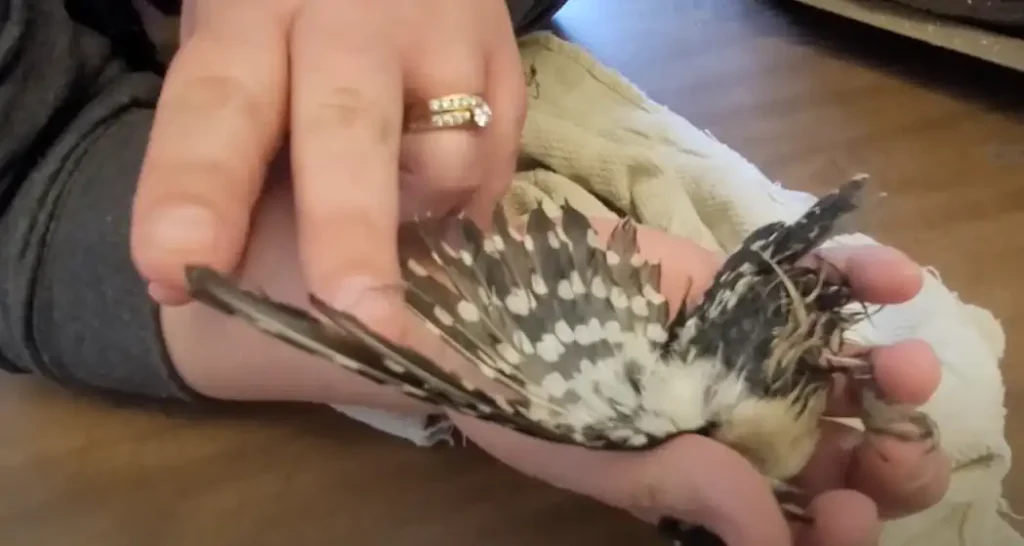
If the bird is too weak to drink on its own, try offering water through a syringe or dropper, placing tiny drops near its beak. Always be cautious not to force water down its throat to prevent choking. You might find it helpful to watch videos or consult a wildlife rehabilitator for the right technique.
Another option is to provide hydration through moist foods like soaked dog kibble, fruits, or insects. These not only offer fluids but also nutrients that aid recovery. Have you thought about how combining hydration with nutrition can speed up healing?
Credit: www.earthofbirds.com
When To Seek Professional Help
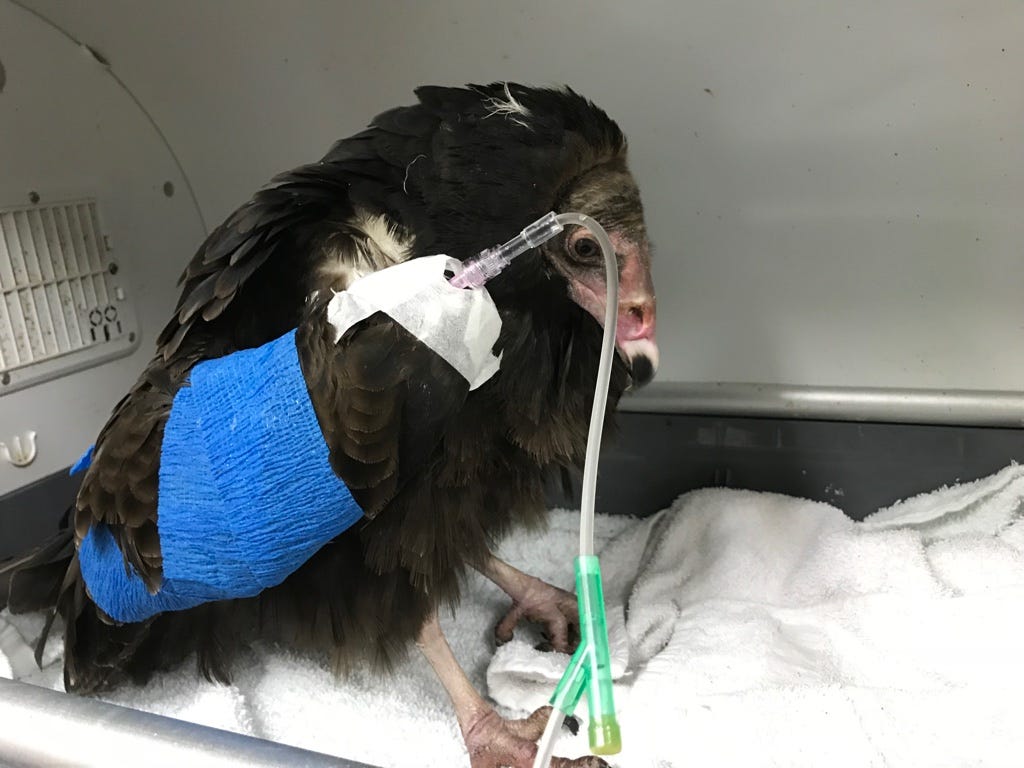
Injured wild birds need proper care for a better chance of survival. Sometimes, home care is not enough. Knowing when to seek professional help can save the bird’s life. Professionals have the skills and tools to give the best treatment. Acting quickly can prevent further harm or suffering.
Finding Wildlife Rehabilitators
Wildlife rehabilitators are trained to care for injured birds. They know how to treat injuries and illnesses. You can find them through local animal shelters or wildlife centers. Search online for licensed wildlife rehabilitators in your area. Contact them immediately if you find a seriously injured bird.
- Call before bringing the bird to ensure help is available.
- Follow their instructions carefully to avoid stress to the bird.
- Keep the bird in a quiet, dark place until you can transfer it.
Legal Considerations
Laws protect wild birds and their habitats. Handling or keeping wild birds without permission may be illegal. Many countries require licenses to care for injured wildlife. Rehabilitators have the necessary permits to work with protected species. Make sure you understand local rules before helping a bird. Always prioritize the bird’s safety and legal care options.
Preventing Future Injuries
Preventing future injuries in wild birds helps protect their health and safety. Creating safe spaces and raising awareness can reduce accidents. Everyone can play a role in keeping birds safe and strong.
Safe Environments
Birds need spaces free from dangers. Remove sharp objects and toxic plants. Keep windows visible to birds to avoid crashes. Use bird-safe glass or decals. Place feeders away from busy roads and predators.
Protect nesting areas from disturbances. Avoid using harmful chemicals in gardens. Provide natural shelters like trees and shrubs. Clean water sources help birds stay healthy. A safe environment lowers the risk of injury significantly.
Community Awareness
Teach neighbors about bird safety. Share tips on preventing injuries in parks and yards. Organize local events to discuss bird care. Encourage reporting injured birds to wildlife centers. Promote using bird-friendly products and practices.
Spread information through social media and flyers. Show how small actions protect bird lives. A well-informed community creates a safer world for wild birds. Together, people can make a big difference in bird welfare.
Credit: medium.com
Credit: irishwildlifematters.ie
Frequently Asked Questions
What Is The Best Food For An Injured Wild Bird?
Offer easily digestible foods like soaked dog biscuits, boiled eggs, or mealworms. Avoid bread and milk, as they harm birds. Always prioritize water and consult a wildlife rehabilitator for proper care.
Can I Feed Injured Birds Bread Or Milk?
No, bread and milk are harmful to birds. Bread offers no nutrition and can cause digestive issues. Milk can upset their stomach since birds are lactose intolerant.
How Often Should I Feed An Injured Wild Bird?
Feed small amounts every 1-2 hours during daylight. Avoid overfeeding to prevent choking or stress. Always provide fresh water alongside the food.
Should I Give Water To An Injured Wild Bird?
Yes, clean water is essential for hydration. Offer water in a shallow dish to avoid drowning risks. Never force-feed water; let the bird drink voluntarily.
Conclusion
Caring for an injured wild bird requires attention and patience. Always prioritize its safety and comfort. Offer suitable food like soaked dog kibble, cooked eggs, or seeds. Ensure fresh water is always available. Avoid offering milk or bread, as these can harm birds.
Keep the bird in a quiet, safe space to heal. Contact a wildlife rehabilitator for expert advice. Remember, proper care can help the bird recover and return to the wild. Your efforts make a difference in preserving nature’s delicate balance.
Thank you for caring for our feathered friends.