
Have you ever noticed how birds flock to areas rich with trees, turning them into bustling hubs of activity? This isn’t just a random occurrence.
Birds are naturally drawn to places where trees are abundant, and there’s a fascinating reason behind this. Understanding why birds prefer these leafy environments not only satisfies curiosity but also enhances your ability to attract more of these charming creatures to your own backyard.
By the end of this article, you’ll discover how trees serve as irresistible magnets for birds, and you’ll learn how to create a welcoming haven that invites vibrant avian life to your surroundings. Curious to know more? Let’s dive in and explore the captivating connection between birds and trees.
Credit: besgroup.org
Trees As Natural Food Sources
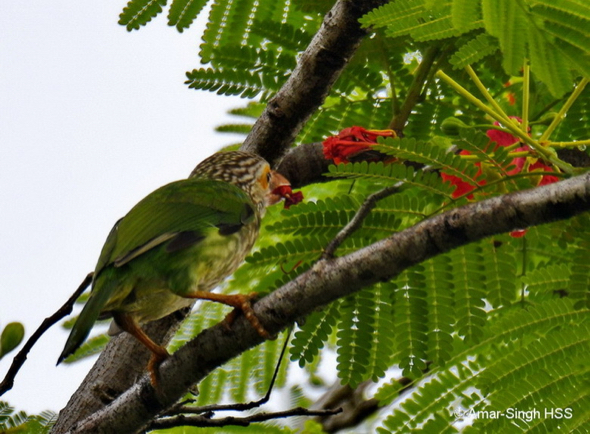
Trees serve as vital natural food sources for many bird species. They offer a diverse supply of nourishment, attracting birds to their branches and trunks. Birds find essential nutrients in what trees provide, supporting their survival and growth. The variety of food in trees makes them a preferred feeding spot for birds throughout different seasons.
Fruits And Seeds Abundance
Trees produce a wide range of fruits and seeds. These provide birds with energy and nutrients. Many birds depend on these for their daily diet. Fruits like berries, nuts, and seeds are easy to find on trees. This abundance ensures food is available for birds in many environments.
Insects And Larvae Habitat
Trees offer shelter to many insects and larvae. Birds feed on these protein-rich creatures to stay healthy. The bark, leaves, and branches host countless small insects. Birds pick insects from tree surfaces and even under the bark. This rich insect habitat makes trees a perfect hunting ground for insect-eating birds.
Shelter And Safety Benefits
Birds naturally seek out trees because these green giants offer more than just food. They provide essential shelter and safety that help birds survive and thrive. Understanding these benefits can change how you see your backyard or local park as a vital bird habitat.
Protection From Predators
Trees act like a fortress for birds, giving them a safe place to hide from predators. The dense leaves and branches create a natural shield, making it hard for hawks, cats, or snakes to spot or reach them.
Have you ever noticed how birds suddenly vanish into a thicket when danger appears? That quick escape is possible because trees offer multiple layers of cover. This protection encourages birds to feed and rest with less stress.
Safe Nesting Spots
Birds prefer to build nests in trees because they offer stable and secure locations. High branches keep nests away from ground threats and harsh weather, increasing the chances of chicks’ survival.
Your garden trees might be hosting tiny nests, supporting the next generation of birds. By keeping trees healthy, you are providing a safe nursery. What simple steps can you take to make your outdoor space a safer home for birds?
Microclimate Advantages
Birds prefer feeding near trees due to the favorable microclimate these areas create. Trees influence local weather conditions, making the environment more comfortable for birds. This microclimate supports birds’ feeding by offering protection and suitable living conditions.
Shade And Temperature Control
Trees provide shade that lowers the temperature during hot days. Shade protects birds from direct sunlight, preventing overheating. Cooler temperatures help birds conserve energy while searching for food. Shade also reduces heat stress, allowing longer feeding times.
Humidity Levels
Trees help maintain higher humidity around their base and branches. This moisture benefits birds by keeping their feathers flexible and healthy. Increased humidity also supports insect populations, which serve as food for many birds. Stable humidity reduces dehydration risk during dry spells.
Social And Communication Hubs
Trees act as vital social and communication hubs for birds. They provide safe spaces for birds to gather and interact. These natural stages help birds share messages through sounds and movements. Trees also offer a good view of their surroundings. This makes it easier for birds to watch for danger or spot food. Social interactions here are key to their survival and daily life.
Perching And Singing Sites
Trees give birds strong branches to perch on. These spots become their natural stages for singing. Bird songs serve many purposes, such as attracting mates or warning rivals. A high perch helps their songs carry far. This way, birds can communicate over long distances. Singing from trees also helps birds show their presence without risking danger on the ground.
Territory Marking
Birds use trees to mark their territory clearly. Singing loudly from a tree signals ownership to others. It warns other birds to keep away. Some birds even use visual signs on branches or leaves. This stops fights and saves energy. Trees become a visible and audible boundary for each bird’s space. Maintaining a territory near trees means access to food and shelter too.
Role In Migration And Resting
Birds rely heavily on trees during migration and resting periods. Trees provide critical support that helps birds survive long journeys. Understanding this role reveals why birds prefer feeding near trees.
Stopover Points
During migration, birds need safe places to pause and regain strength. Trees offer excellent stopover points, giving birds shelter from predators and harsh weather. You might notice how birds cluster around wooded areas during these pauses.
These stopovers aren’t just about safety. Trees often grow near water or abundant food, making them convenient resting spots. Have you ever seen a bird suddenly appear in your backyard after a long flight? It’s likely using nearby trees as a rest station.
Energy Conservation
Resting near trees helps birds conserve energy. Trees reduce wind exposure, allowing birds to rest without fighting strong gusts. This saved energy is crucial for completing their lengthy migrations.
Feeding near trees also means birds can quickly retreat to safety after eating. This reduces stress and energy spent on constant vigilance. Next time you watch birds at a feeder near trees, think about how this setup boosts their survival chances.

Credit: www.cbc.ca
Impact Of Tree Types On Bird Feeding
Different types of trees create very different environments for birds to feed in. The kind of tree you have in your yard or nearby can change what food is available and how safe birds feel while eating. Understanding these differences helps you attract more birds or support local wildlife better.
Deciduous Vs Evergreen Trees
Deciduous trees lose their leaves in fall, which affects bird feeding habits. In spring and summer, these trees provide abundant insects and fruits, perfect for insect-eating and fruit-loving birds. But in winter, when leaves are gone, food becomes scarce, pushing birds to find other feeding spots.
Evergreen trees keep their needles year-round, offering shelter and seeds even in harsh weather. Birds like finches and crossbills rely on conifer seeds during winter. Evergreens also provide great cover from predators, making birds feel safer while they eat.
If you want birds around year-round, consider having both types. The mix creates a steady food supply and shelter through changing seasons. Have you noticed different birds visiting your yard depending on the season? This could be why.
Native Vs Non-native Species
Native trees evolved alongside local birds, often offering the best food and habitat. Their fruits, nuts, and seeds match birds’ diets perfectly. Plus, native trees support native insects, which many birds feed on, especially during breeding season.
Non-native trees might look attractive but don’t always provide suitable food for local birds. Some non-native species have fruits or seeds that birds can’t digest well or insects that don’t thrive there. This means fewer feeding opportunities for birds.
Planting native species can make a big difference if you want to support your local bird population. Have you tried adding native trees to your garden? You might be surprised how quickly birds discover them.

Credit: www.allaboutbirds.org
Frequently Asked Questions
Why Do Birds Prefer Feeding Near Trees?
Birds feed near trees because trees provide shelter, food sources, and safety from predators. Trees also attract insects, which many birds eat, making these areas rich feeding spots.
How Do Trees Attract Birds For Feeding?
Trees offer fruits, seeds, and insects that attract birds. They also provide perches for birds to rest and spot food easily, making feeding more efficient.
Do Trees Provide Protection While Birds Feed?
Yes, trees offer cover from predators and harsh weather. Birds feel safer feeding near trees due to branches and leaves that help them hide quickly.
What Types Of Trees Attract More Feeding Birds?
Fruit-bearing and native trees attract more birds. Oak, maple, and berry-producing trees are popular as they provide abundant food and shelter for various bird species.
Conclusion
Birds prefer feeding near trees for safety and food. Trees offer shelter from predators and harsh weather. They also provide fruits, seeds, and insects for birds to eat. Trees create a peaceful place where birds can rest and watch for danger.
Feeding near trees helps birds stay healthy and strong. This natural choice shows how important trees are to birds’ lives. Caring for trees means helping birds thrive in the wild. Simple but true: trees and birds belong together.