
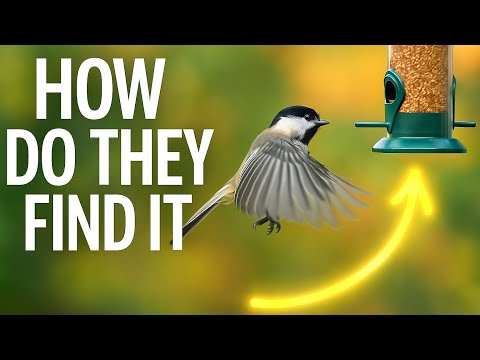
Have you ever wondered how birds instantly recognize a bird feeder as a place full of food? You might think it’s just luck or chance, but there’s more to it than that.
Birds have clever ways of spotting feeders and knowing they’re safe and full of treats. If you want to understand the secret behind their sharp instincts, keep reading. By the end, you’ll see bird feeders through a whole new lens—and maybe even attract more feathered friends to your backyard.
Credit: www.kingsyard.com
Birds And Their Senses
Birds rely heavily on their senses to find food. Their keen senses help them spot bird feeders from a distance. Each sense plays a unique role in guiding birds to these food sources. Understanding how birds use their senses explains how they quickly learn about feeders.
Visual Clues Birds Use
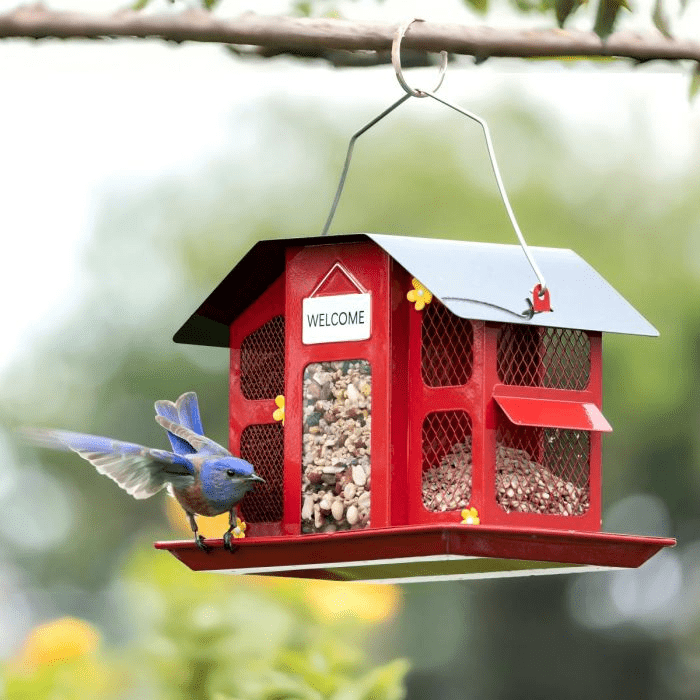
Birds have excellent eyesight. They notice bright colors and shiny objects easily. Many feeders have red or orange parts that attract birds. These colors stand out against natural surroundings. Birds also recognize shapes that resemble flowers or natural food spots. Movement near feeders catches their attention too. Visual signals guide birds directly to the feeder.
Role Of Smell And Sound
Smell plays a smaller role for most birds but helps some species. Seed smell can lead curious birds closer to feeders. Sound is more important. The rustling of seeds or calls of other birds near feeders attract attention. Birds listen for feeding sounds. These noises signal a safe place with food. Sound helps birds find feeders hidden behind trees or bushes.
Learning From Experience
Birds learn quickly from past visits. They remember feeder locations and types of food offered. Young birds watch older birds and follow them to feeders. Repeated visits build trust and confidence. Over time, birds recognize feeders as reliable food sources. Experience makes birds more comfortable and encourages return visits.
Credit: www.kingsyard.com
How Birds Spot Feeders
Birds are quick to find food sources in their environment. Bird feeders catch their attention through several natural cues. These cues help birds recognize feeders as places to eat. Understanding how birds spot feeders reveals their smart behavior and senses.
Shape And Color Recognition
Birds notice feeders by their shapes and colors. Many feeders have bright colors like red or yellow. These colors attract birds because they resemble flowers or fruits. Birds also recognize familiar shapes like tubes or platforms. This recognition helps them identify feeders from a distance.
Movement And Location
Movement plays a role in spotting feeders. When feeders sway in the wind, birds see the motion easily. They connect movement with potential food sources. Location matters too. Feeders placed near trees or bushes are easier for birds to find. Birds often look for safe places to land and eat.
Social Learning Among Birds
Birds watch each other to learn about feeders. When one bird finds food, others quickly follow. This social behavior spreads knowledge about feeders fast. Young birds learn from adults where to find food. This group learning helps many birds survive through the seasons.
Attracting Birds To Feeders
Attracting birds to your feeder is both an art and a science. Birds rely on sight and smell to locate food sources, but your choices in feeder type, food, and placement can make all the difference. Understanding these factors will help you create a welcoming spot that birds recognize and return to often.
Choosing The Right Feeder
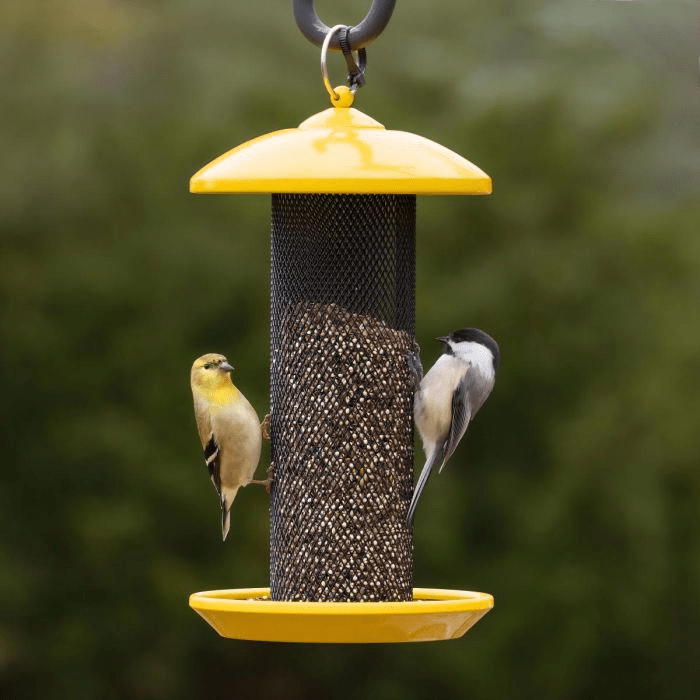
The type of feeder you choose influences which birds visit. Tube feeders are perfect for small songbirds like finches and chickadees. Platform feeders attract a variety of species but can also invite squirrels.
Consider feeders with built-in squirrel guards if you face a lot of competition. Also, feeders with perches work well for birds that like to land while eating. Remember, the feeder should be easy to clean to prevent disease.
Types Of Bird Food
Different birds prefer different foods, so variety matters. Black oil sunflower seeds attract a wide range of birds due to their high fat content and thin shells. Nyjer seeds are favorites of finches and siskins.
Suet cakes are great for woodpeckers and nuthatches, especially in colder months. You can also offer peanuts, mealworms, or fruit depending on the birds in your area. Have you noticed which foods your local birds prefer?
Ideal Feeder Placement
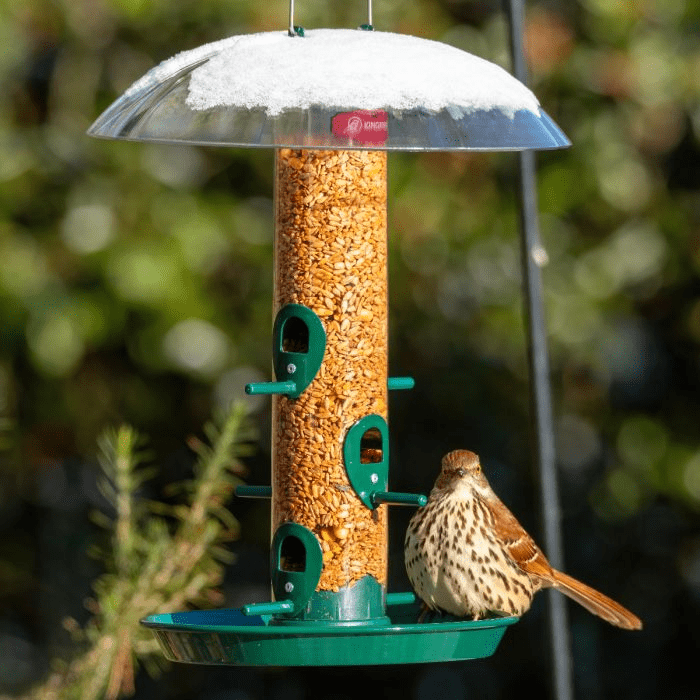
Placement affects visibility and safety. Position feeders near natural cover like shrubs or trees so birds can quickly escape predators. However, avoid placing feeders too close to windows to prevent collisions.
Height matters too—about 5 to 6 feet off the ground works well for many species. Keep feeders away from areas with heavy foot traffic to ensure birds feel secure. How does your current feeder placement compare to these guidelines?
Credit: www.kingsyard.com
Common Misconceptions
Many people believe birds immediately understand what a bird feeder is. This idea is not always true. Birds learn about feeders through sight, smell, and experience. They do not have a built-in knowledge of feeders. Some common ideas about birds and feeders are often wrong.
Do Birds Know Feeders Are For Food?
Birds do not know at first that feeders have food. They watch other birds or explore new objects. Over time, they connect feeders with easy meals. Bright colors and food smells help attract birds. But learning takes time and patience.
Are Feeders Harmful Or Helpful?
Many worry feeders might harm birds. Feeders can spread diseases if not cleaned. Poor food choices can also be bad. Yet, feeders help birds during cold months. They provide a steady food source when nature is scarce. Clean feeders and good seeds keep birds safe and healthy.
Why Some Birds Avoid Feeders
Not all birds visit feeders. Some prefer natural foods like insects or berries. Others fear new objects or people nearby. Noise and movement can scare birds away. Some species only eat certain seeds. Understanding these reasons helps attract more birds.
Scientific Studies On Bird Feeding
Scientific studies on bird feeding reveal how birds recognize and use bird feeders. Researchers observe bird habits and learning methods around feeders. These studies help us understand bird behavior and their interaction with human-made objects.
Birds often learn to find food sources through experience and social cues. They use sight, sound, and smell to detect feeders. Research explores how quickly birds adapt and share feeding spots with others.
Experiments On Bird Behavior
Scientists conduct experiments to see how birds respond to feeders. They place feeders with different colors, shapes, and seeds. Results show birds prefer familiar shapes and certain seed types.
Some studies track how young birds learn from older birds. Observations reveal that social learning helps spread feeder use. Birds watch and imitate to find new food sources.
Insights From Wildlife Researchers
Wildlife researchers study birds in natural and urban settings. They note how birds change feeding habits in cities. Birds in urban areas often rely more on feeders.
Researchers identify key factors for feeder success. These include location, food type, and feeder design. Understanding these helps create better feeders for different bird species.
Future Research Directions
Future studies aim to explore bird cognition around feeders. Scientists want to know how memory affects feeder use. They also plan to study the impact of feeders on bird health.
Research may focus on how feeders influence bird migration and behavior patterns. New technology will help track bird movements more accurately. This knowledge could improve bird conservation efforts.
Frequently Asked Questions
How Do Birds Recognize A Bird Feeder?
Birds spot feeders by shape, color, and location. They associate these features with food from past experiences. Bright colors and familiar shapes attract birds quickly.
Do Birds Rely On Sight Or Smell For Feeders?
Birds mainly use sight to find feeders. They spot bright colors and movement from a distance. Smell plays a minor role compared to visual cues.
Can Birds Learn Feeder Locations From Others?
Yes, many birds learn feeder spots by observing others. They watch and follow experienced birds to food sources. This social learning helps them find feeders faster.
Why Do Some Birds Avoid New Feeders?
New feeders look unfamiliar and may seem risky. Birds prefer known food spots for safety. Over time, cautious birds often accept new feeders after observation.
Conclusion
Birds find feeders through keen eyesight and memory. Bright colors attract them. They remember food sources and share locations with others. This helps them survive and thrive. Understanding bird behavior enriches our experience with nature. It brings joy to see them visit your backyard.
Encourage their visits by placing feeders in visible spots. Keep them filled and clean. Enjoy the simple pleasure of watching birds. It connects us to the natural world. A delightful sight for all ages. A reminder of nature’s wonders in our own backyards.