
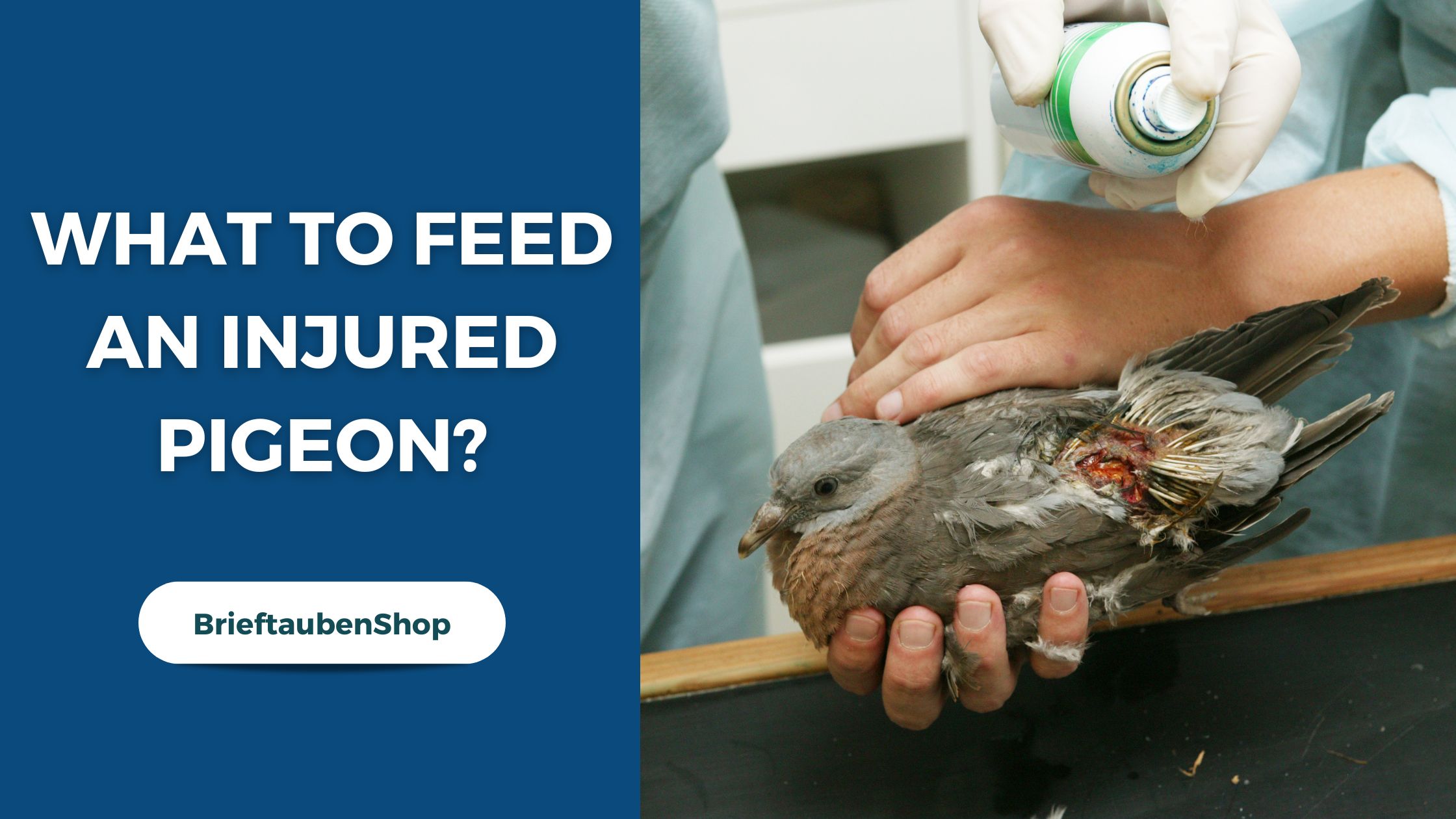
Finding a little injured bird can tug at your heart. You want to help, but you might wonder, “What should I feed it?”
Feeding the right food is more important than you think. Giving the wrong meal can do more harm than good. You’ll learn exactly what to feed your tiny feathered friend to help it heal and regain strength. Keep reading to discover simple, effective tips that could make all the difference for that little bird in your care.

Credit: tracyaviary.org
Identifying The Bird’s Needs
Identifying what a little injured bird truly needs is your first and most important task. Understanding its condition helps you provide the right care and food, which can improve its chances of recovery. Observing carefully will guide you in making decisions that suit the bird’s unique situation.
Assessing The Injury
Take a close look at the bird without touching it too much. Is there bleeding, a broken wing, or swelling? Small wounds might only need gentle cleaning, but more serious injuries require professional help.
Notice if the bird can perch, fly a little, or move its legs. These signs tell you how severe the injury is and what kind of support the bird needs.
Sometimes, what looks like a serious injury could just be shock or exhaustion. Have you seen the bird’s behavior before it got hurt? This can give clues about its overall health.
Recognizing Stress Signs
An injured bird often shows stress in subtle ways. Is it panting, trembling, or keeping its eyes tightly shut? These signs mean the bird is scared or in pain, and you need to act gently.
Stress can affect appetite, so don’t be surprised if the bird refuses food at first. Try offering small amounts of water or soft, easy-to-digest foods in a quiet place.
Have you noticed if the bird is vocalizing loudly or staying very still? Both can signal different stress levels and help you decide how to approach feeding and caring for it.
Safe Food Options
Feeding a little injured bird requires careful attention to what you offer. Not all foods are safe, and some might do more harm than good. Choosing the right foods can support healing and give the bird a better chance to recover.
Seeds And Grains
Many birds love seeds and grains, but it’s important to choose the right ones. Sunflower seeds, millet, and cracked corn are generally safe and easy to digest. Avoid salted or flavored seeds because they can upset the bird’s stomach.
If you have a small bird like a finch or sparrow, stick to tiny seeds. Larger seeds might be hard for them to eat and could cause choking. Have you ever noticed how a bird reacts to different seeds? Their preference can tell you what they find easiest to eat.
Fruits And Vegetables
Fresh fruits and vegetables offer essential vitamins and hydration. Small pieces of apple, banana, or berries work well, but always remove any seeds or pits that might be toxic. Leafy greens like spinach or lettuce provide extra nutrients without being too heavy.
Try to offer soft, ripe fruits since hard or sour ones might be difficult for an injured bird to handle. Have you tried mixing a bit of mashed vegetable with fruit to encourage eating? This can make the food more appealing and easier to swallow.
Protein Sources
Protein helps repair tissues, so it’s crucial for an injured bird’s diet. You can offer small amounts of cooked egg or mealworms, which are natural protein sources. Avoid raw meat or anything seasoned, as these can cause digestive issues.
Be cautious with the quantity—too much protein can upset their stomach. Feeding a little at a time and observing how the bird responds is key. Have you noticed how some birds eagerly eat mealworms while others seem hesitant? This reaction can guide you in choosing the best protein option.
Hydration Tips
Keeping a little injured bird hydrated is just as important as feeding it. Water supports healing and helps flush out toxins. Without enough fluids, the bird’s recovery can slow down or even stop.
Providing Clean Water
Always offer clean, fresh water in a shallow dish that the bird can easily access. Avoid deep containers that might cause drowning or stress. Change the water frequently to prevent bacteria buildup.
If the bird is too weak to drink on its own, you can use a small dropper or syringe to gently offer water. Be careful not to force it, as this can cause choking. How closely are you watching the bird’s drinking habits?
Hydrating Foods
Some foods naturally contain high water content and can help keep the bird hydrated. Soft fruits like watermelon, cucumber, and berries are great choices. You can finely chop these to make them easier to eat.
Offering soaked seeds or small pieces of moistened bread can also provide hydration along with nutrients. Remember, the goal is to combine hydration with gentle nourishment that supports recovery. Have you noticed which foods your bird prefers when it’s injured?

Credit: www.youtube.com
Feeding Techniques
Feeding a little injured bird requires gentle care and the right feeding techniques. The bird may be weak and scared, so feeding must be slow and patient. Proper feeding helps the bird regain strength and heal faster.
Choose a quiet spot with minimal distractions. Keep the bird calm and comfortable during feeding times. Use soft, easy-to-digest food suitable for the bird’s species and injury.
Hand Feeding Methods
Hand feeding builds trust between you and the bird. Wash your hands thoroughly to avoid germs. Offer small amounts of food on your fingertip or palm.
Hold the bird gently but securely. Let it peck at the food at its own pace. Be patient and avoid forcing the bird to eat.
- Use soft foods like soaked seeds, baby bird formula, or mashed fruits.
- Feed little bits frequently to prevent choking or overfeeding.
- Keep your hand steady to avoid startling the bird.
Using Feeding Tools
Feeding tools help deliver food safely when hand feeding is difficult. Small syringes, droppers, or tweezers are ideal choices. These tools allow precise control over food quantity.
Warm the food slightly before feeding to mimic natural conditions. Insert the dropper or syringe gently into the bird’s beak. Deliver food slowly to avoid choking.
- Choose tools made of safe, non-toxic materials.
- Clean tools thoroughly after each use to prevent infections.
- Practice calm movements to keep the bird relaxed.
Creating A Comfortable Environment
Creating a comfortable environment is key to helping a little injured bird recover quickly. The right setting not only protects the bird but also encourages healing by reducing fear and stress. Small changes in how you house and care for the bird can make a big difference.
Safe Housing
Choose a quiet, sheltered spot away from pets and loud noises. A small box lined with soft tissues or paper towels works well. Avoid using materials that can tangle the bird’s feet or wings, like cotton wool.
Make sure the enclosure has good ventilation but isn’t drafty. You want fresh air without chilling the bird. Adding a small heat source, like a warm water bottle wrapped in cloth, can help keep the bird cozy.
Minimizing Stress
Stress slows healing, so keep handling to a minimum. Speak softly and move slowly around the bird. Sudden movements or loud sounds can frighten it, making recovery harder.
Have you noticed how animals react differently to your presence? Some birds calm down when you stay still nearby, while others need more distance. Observe your bird’s behavior and adjust accordingly.
Providing a dim environment can also soothe the bird. Covering the enclosure lightly with a cloth can reduce light and help the bird rest better. Remember, your goal is to create a safe, calm space where the bird feels secure enough to heal.
When To Seek Professional Help
Knowing when to seek professional help is crucial when you find a little injured bird. While your instinct might be to care for it yourself, some injuries require expert attention to ensure the bird’s survival and well-being. Understanding the signs and acting quickly can make all the difference.
Signs Of Severe Injury
Recognizing severe injuries helps you decide if the bird needs urgent care beyond your ability. Look for:
- Bleeding that doesn’t stopor large wounds that expose bones or organs.
- Broken or twisted wings and legsthat prevent movement or cause pain.
- Difficulty breathing, gasping, or wheezing sounds.
- Unconsciousness or extreme lethargy, where the bird is unresponsive or barely moves.
- Obvious deformitiesor head injuries that cause disorientation.
Have you ever tried to help a bird only to realize it was beyond basic care? Knowing these signs early can save precious time.
Contacting Wildlife Experts
If you notice any severe injury signs, contact wildlife rehabilitators or veterinarians experienced with birds immediately. They have the tools and knowledge to provide specialized treatment.
Many areas have dedicated wildlife centers; a quick online search or a call to local animal control can point you in the right direction. Keep the bird safe and warm while you arrange professional help, but avoid feeding or handling it excessively, as stress can worsen its condition.
Have you ever hesitated to call for help, thinking you could manage alone? Remember, experts can offer advice over the phone and guide you on the next steps. Don’t wait until the situation worsens—your prompt action can be lifesaving.

Credit: www.reddit.com
Frequently Asked Questions
What Foods Are Best For A Little Injured Bird?
Soft foods like soaked birdseed, mealworms, and mashed fruits are ideal. These provide easy nutrition without harming the bird’s injury or beak.
Can I Feed Bread To An Injured Bird?
No, bread lacks essential nutrients and can harm birds. Instead, offer seeds, fruits, or specially formulated bird food for proper healing.
How Often Should I Feed An Injured Bird?
Feed small amounts every 2-3 hours during daylight. Consistent feeding supports energy and recovery without overwhelming the bird’s system.
Should I Provide Water To An Injured Bird?
Yes, fresh water is crucial. Use a shallow dish to prevent drowning and keep the bird hydrated during recovery.
Conclusion
Caring for an injured bird requires patience and knowledge. Offer soft, easy-to-digest foods. Think mashed fruits, soaked dog kibble, or baby bird formula. Keep meals small and frequent. Always ensure fresh water is available. Avoid feeding dairy products or bread.
Observe the bird’s reaction to foods closely. If uncertain, consult a wildlife expert or veterinarian. Your attention can help the bird recover quickly. Understanding their needs makes a big difference. Remember, gentle care aids their healing journey. Your compassion can save a life.
Keep learning and supporting these fragile creatures.