
Have you ever wondered if feeding birds during the summer is actually helpful or harmful? You might think leaving out bird food is always a kind act, but the truth is more surprising than you expect.
What if your simple gesture is doing more harm than good to your feathered visitors? Keep reading to discover the hidden facts about summer bird feeding and learn how you can truly support the birds you love. Your backyard’s little friends depend on you more than you realize.
Bird Feeding In Summer
Feeding birds during the summer can feel rewarding as you watch colorful species visit your yard. However, summer poses unique challenges for birds and their feeders. Understanding how your feeding habits affect birds in warm weather helps you support them without causing harm.
Common Summer Feeding Habits
Many people continue to fill bird feeders as they do in cooler months, but summer habits often shift. You might notice birds eating less from feeders because natural food sources like insects and berries are abundant.
Some feeders, especially those with seeds, can spoil quickly in the heat. This can lead to mold growth, which is harmful to birds. Are you checking your feeders daily to keep food fresh and safe?
Offering water alongside food becomes more important in summer. Birds need extra hydration to cope with the heat, and a birdbath or shallow dish can make a big difference.
Types Of Food Offered
The type of food you provide in summer should reflect birds’ changing needs. Seed mixes designed for winter may not be ideal now because many birds prefer insects and fruits during this time.
Consider adding:
- Mealworms or other live insects to attract insect-eating birds
- Fresh fruits like berries, sliced apples, or grapes
- Nectar for hummingbirds, but clean feeders often to prevent fermentation
Avoid foods that spoil quickly or attract pests. For example, bread can mold fast and offers little nutrition. Have you tried switching your offerings to match the season’s natural diet?

Credit: www.allaboutbirds.org
Impact On Bird Behavior
Feeding birds during summer can change how they behave. Birds usually find food on their own. Giving them extra food can affect their natural habits. It may change how they search for food and make them rely on humans more than usual.
Changes In Foraging Patterns
Birds that get food from feeders may stop searching for insects and plants. They might spend less time flying and exploring. This change can affect their health and skills. Natural foraging helps birds stay active and strong. Relying on feeders can reduce these benefits.
Dependency Risks
Birds can become dependent on human-provided food. If the feeding stops suddenly, they may struggle to find food. Dependency can lower their survival chances during hot summer months. It also changes their natural behavior and survival instincts. Birds need to stay independent to thrive in the wild.
Health Concerns For Birds
Feeding birds during summer can pose certain health risks. The warm weather creates conditions that affect food safety and bird nutrition. These issues can harm birds more than help them. Understanding these concerns is important for bird lovers who want to support local wildlife safely.
Food Spoilage And Contamination
Summer heat causes bird food to spoil quickly. Wet seeds and fruits can grow mold and bacteria fast. Birds eating spoiled food risk getting sick or worse.
Standing water in feeders can also breed harmful germs. Dirty feeders attract pests and spread diseases. Regular cleaning is necessary to keep food safe.
- Store food in cool, dry places
- Change wet food immediately
- Clean feeders weekly with mild soap
Nutritional Imbalance
Birds need varied diets to stay healthy. Feeding only one type of food can cause nutrient shortages. Summer natural foods offer insects and fresh plants birds need.
Relying too much on feeders may reduce birds’ natural foraging habits. This can weaken their immune systems and survival skills.
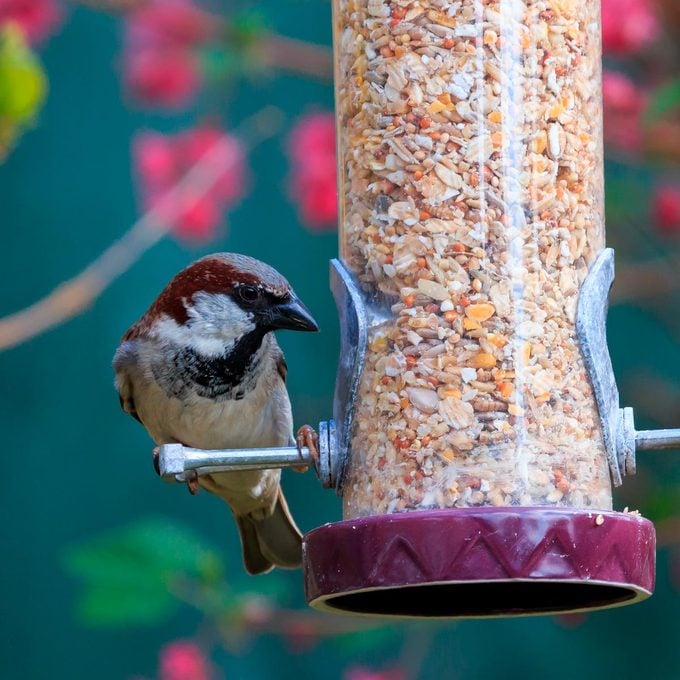
- Offer a mix of seeds, fruits, and nuts
- Limit feeding during peak natural food availability
- Encourage natural foraging by planting native plants
Credit: www.familyhandyman.com
Environmental Effects
Feeding birds during summer can change the environment around your home. It affects animals and plants in ways you might not expect. Understanding these effects helps you make better choices for nature.
Attracting Predators
Bird feeders can bring more than just birds. Predators like cats, raccoons, and snakes may come near. They follow the food source to hunt birds or their eggs. This can increase danger for local birds. Predators might stay longer in the area, disturbing the natural balance.
Impact On Local Ecosystem
Feeding birds changes how animals behave and live nearby. Birds may rely on feeders instead of finding natural food. This affects insects and plants that birds usually help control or pollinate. Some species might grow in number, while others shrink. Such shifts can upset the whole ecosystem’s health and harmony.
Best Practices For Summer Feeding
Feeding birds during the summer can be a rewarding experience if done thoughtfully. The warm months bring unique challenges that require adjustments to how you offer food. Paying attention to what you feed, how you keep the feeding area, and when you provide food can make a big difference for the health of your local birds.
Safe Food Choices
Choosing the right food is crucial during summer. Birds need fresh, moisture-rich foods like watermelon, berries, and chopped fruits to stay hydrated. Avoid bread and salty snacks because they can harm birds and attract unwanted pests.
Offer seeds that don’t spoil quickly, such as black oil sunflower seeds. These provide energy without the risk of mold or bacteria growth that happens faster in heat. Have you noticed which foods your backyard birds prefer most during hot days?
Maintaining Clean Feeding Areas
Cleanliness is key when feeding birds in warm weather. Heat encourages mold, bacteria, and insects, which can make birds sick. Regularly wash feeders with hot, soapy water and rinse thoroughly to keep them safe.
Clear away old or wet food daily to prevent spoilage. Setting up feeders in shaded spots helps slow food decay and keeps birds comfortable. How often do you check your feeders for cleanliness during summer?
Timing And Frequency
Feed birds early in the morning or late in the evening when temperatures are cooler. This helps prevent food from spoiling too quickly and matches birds’ active feeding times. Avoid leaving food out all day to reduce the risk of mold and attracting unwanted animals.
Smaller, more frequent feedings can work better in summer. This approach keeps food fresh and offers birds a steady supply of nourishment without waste. Could adjusting your feeding schedule improve the health of your feathered visitors?
Alternatives To Feeding
Feeding birds during the summer might seem like a kind gesture, but it can sometimes disrupt their natural behaviors and diet. Instead of offering food directly, you can create a welcoming environment that supports birds in more sustainable ways. Here are some practical alternatives that help birds thrive while letting them find their own nourishment.
Providing Natural Habitats
Creating natural habitats in your yard encourages birds to visit and stay without relying on your handouts. Plant native trees, shrubs, and flowers that produce seeds, berries, and attract insects—birds’ natural food sources.
Think about adding layers to your garden, such as tall trees for shelter and low bushes for nesting. This variety mimics the wild and gives birds safe places to rest and raise their young.
Have you noticed how birds behave differently in a yard filled with natural plants compared to one with just feeders? Providing these habitats helps maintain their independence and health.
Water Sources For Birds
Birds need water as much as food, especially during hot summer days. Adding a birdbath or shallow water dish can attract many species looking to drink or bathe.
Keep the water fresh and clean, changing it daily to prevent bacteria and mosquito breeding. A simple trick is to place the bath in a shady spot to keep the water cool longer.
Adding moving water, like a small fountain or dripper, can draw even more attention. Have you ever seen how the sound of trickling water instantly brings birds to your yard? It’s an easy way to support them without feeding.

Credit: www.ruralsprout.com
Frequently Asked Questions
Is Feeding Birds In Summer Harmful To Them?
Feeding birds in summer can disrupt their natural foraging habits. It may also attract pests and cause health issues if food spoils. Offering fresh water is safer and more beneficial during hot months to help birds stay hydrated.
What Foods Should I Avoid Feeding Birds In Summer?
Avoid feeding birds bread, salty snacks, or processed foods. These can harm their health and attract unwanted pests. Stick to natural seeds, fruits, or specialized bird food to ensure their safety and nutrition during summer.
How Does Summer Feeding Affect Bird Behavior?
Summer feeding can make birds dependent on humans for food. It may reduce their natural instincts to find food and increase aggressive behavior. Feeding should be limited to support rather than replace their natural diet.
Can Feeding Birds In Summer Attract Predators?
Yes, feeding birds can attract predators like cats and hawks. It also draws unwanted pests such as rats. Ensure feeders are placed safely and cleaned regularly to minimize risks to birds and your environment.
Conclusion
Feeding birds in summer is a personal choice. It can help them. Birds appreciate the extra food. But natural food is usually abundant. Consider your local bird population. Observe their behavior and needs. Providing water is crucial. Clean it often.
Watch for pests like squirrels. They may invade feeders. Keep the feeding area tidy. This prevents disease. Enjoy watching birds in your garden. Feeding them can be a delightful hobby. It connects us with nature. Always be mindful of their well-being.
Your actions make a difference.