
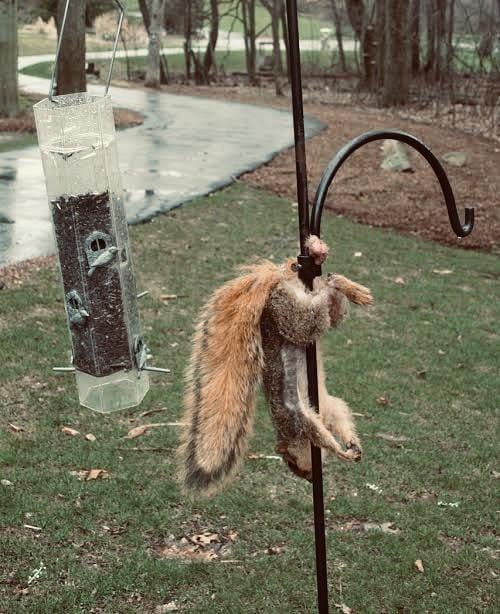
Are squirrels stealing all the birdseed from your feeder? It’s frustrating to watch those clever little creatures enjoy your bird food while your feathered friends go hungry.
But what if you could stop the squirrels without spending a fortune or using harsh chemicals? Using a simple slinky might be the easiest and most effective way to squirrel proof your bird feeder. You’ll discover step-by-step how to set up this clever trick that keeps squirrels away and lets you enjoy watching birds instead.
Keep reading—you’re just moments away from reclaiming your bird feeder!
Why Squirrels Target Bird Feeders
Squirrels are notorious for raiding bird feeders, leaving many bird lovers frustrated. Understanding why squirrels are drawn to your feeders is the first step to protecting your feathered friends’ food. It’s not just about the seeds—they are driven by instinct, curiosity, and opportunity.
Squirrel Behavior Around Feeders
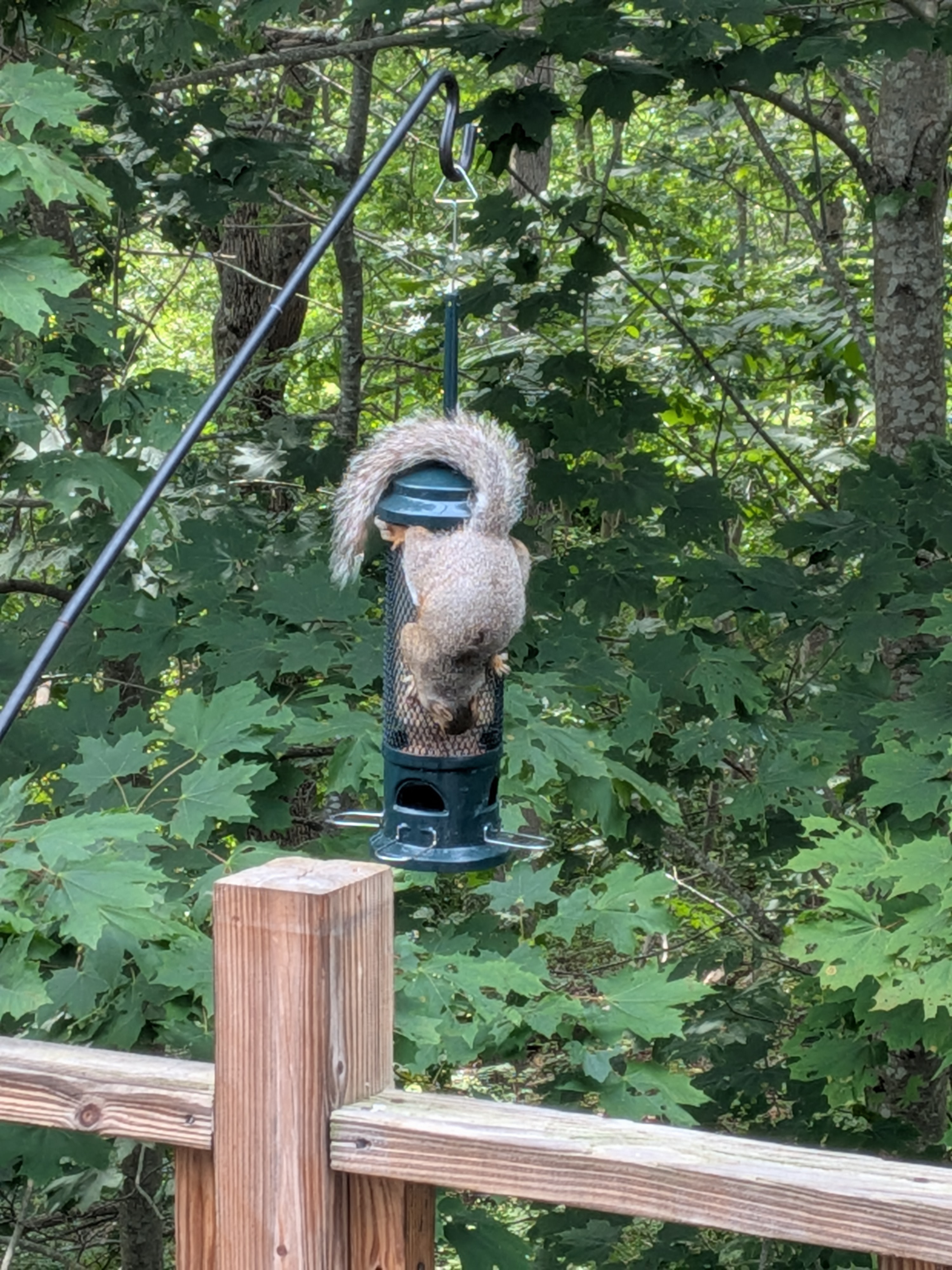
Squirrels are natural foragers with sharp instincts for finding food. They see bird feeders as a reliable, easy meal source that requires little effort compared to foraging in the wild. Their agility allows them to jump, climb, and hang upside down to reach feeders.
These creatures are also highly intelligent and learn quickly. If they find a way to access your feeder, they’ll remember it and return again and again. Have you noticed how a squirrel seems to “test” different approaches before settling on the most effective one?
Common Challenges Faced
One major challenge is their persistence. Squirrels can chew through many materials and squeeze into small spaces. Even well-placed feeders can become easy targets if squirrels figure out how to bypass barriers.
Another issue is that squirrels don’t just steal food—they can scare away birds and damage feeders. This means your feeder investment may need frequent repairs or replacements. Are you tired of constantly battling these clever invaders?
Knowing these behaviors can help you design smarter defenses. For instance, using a slinky around your feeder creates a moving, slippery surface that squirrels struggle to navigate. It’s a simple, cost-effective trick that makes a big difference.
Benefits Of Using A Slinky
Using a slinky to squirrel-proof your bird feeder offers simple and effective protection. It keeps squirrels away without harming them or the birds. This method is affordable and easy to set up. It also blends well with outdoor spaces without looking odd.
A slinky creates a moving barrier that frustrates squirrels. It stops them from reaching the feeder and stealing seeds. This helps your bird feeder stay clean and full for the birds you want to feed.
How A Slinky Works Against Squirrels
A slinky wraps around the bird feeder pole or hanger. Its coils move and bounce when a squirrel climbs on it. This movement makes it hard for squirrels to hold on or balance.
The slinky spins or slides down the pole, causing squirrels to fall off. It acts like a slippery, moving surface squirrels cannot grip. Birds, being light, can still access the feeder easily.
Advantages Over Other Methods
- Cost-effective: A slinky is cheaper than many squirrel-proof feeders.
- Non-toxic: No chemicals or traps needed, safe for all animals.
- Easy to install: Just wrap and secure it around the pole.
- Durable: Made of metal, it withstands weather and sun exposure.
- Animal-friendly: It deters squirrels without causing them harm.
- Maintenance-free: No need for constant adjustments or refills.
Materials Needed
Preparing to squirrel proof your bird feeder with a slinky requires a few simple materials. Choosing the right items ensures your project works well and lasts long. Gathering these materials ahead saves time and frustration.
Each material plays a key role in keeping squirrels away while feeding birds safely.
Choosing The Right Slinky
Select a metal slinky for durability. Plastic ones break easily outdoors. The slinky should be large enough to cover the feeder’s pole. A wider coil keeps squirrels from climbing. Look for a slinky about 7-10 inches in diameter. This size fits most bird feeder poles and spins freely.
Additional Tools And Supplies
- Strong zip ties or metal wire to secure the slinky
- Scissors or wire cutters to trim ties
- A sturdy bird feeder pole
- Optional: gloves to protect hands while handling metal
- Optional: spray paint to blend the slinky with surroundings
These tools help attach the slinky firmly and keep your feeder stable. Using the right supplies makes installation easier and more secure.
Step-by-step Installation Guide
Installing a slinky around your bird feeder is a clever way to keep pesky squirrels at bay. The process is straightforward but requires attention to detail to ensure it works effectively. Here’s a clear guide to help you set up your squirrel-proof feeder with a slinky.
Preparing The Feeder And Slinky
Start by choosing a slinky that fits snugly around your feeder’s pole or hanging arm. Too loose, and squirrels might still climb; too tight, and it won’t spin properly. You can trim the slinky with wire cutters if it’s too long.
Next, clean your feeder and the slinky to remove any dirt or residues. This step helps the slinky slide smoothly and prevents birds from getting frustrated by sticky surfaces. Make sure the feeder is securely filled and ready to attract your feathered friends.
Mounting The Slinky Effectively
Slide the slinky down the pole to a spot just below the feeder. The goal is to position it where squirrels would naturally try to climb. Secure the top of the slinky so it doesn’t slide up or down—zip ties or small hooks work well here.
Ensure the slinky can spin freely when touched. This spinning action is what discourages squirrels because it makes climbing unstable. If the slinky feels stiff or stuck, adjust its placement or clean it again.
Testing The Setup
Give the slinky a gentle push to see if it rotates smoothly. If it does, your setup is almost complete. Now, observe the feeder for a few days to check if squirrels attempt to bypass it.
If squirrels manage to reach the feeder, consider adding an extra slinky or adjusting the height. Sometimes, small tweaks make a big difference. Have you noticed any patterns in how squirrels approach your feeder? Adjust your setup based on those observations for the best results.
Alternative Squirrel Proofing Techniques
If you’re tired of squirrels raiding your bird feeder despite using a slinky, there are other ways to keep those clever critters at bay. Alternative squirrel proofing techniques can complement or even replace the slinky, giving you more options to protect your bird food without constant frustration.
Using Baffles And Guards
Baffles and guards are physical barriers designed to block squirrels from reaching your feeder. You can find dome-shaped or cylindrical baffles that attach to poles or hang above the feeder, making it nearly impossible for squirrels to climb down or jump onto the feeder.
Installing a baffle requires careful positioning. Place it at least 3 feet above the ground and 18 inches below the feeder to prevent squirrels from jumping over. The material matters too—metal or smooth plastic works best since squirrels can’t grip them.
Personally, I found a metal dome baffle transformed my feeding station. Squirrels tried for days but eventually gave up, leaving the birds to enjoy their meals in peace. Have you noticed how a simple barrier can change the whole feeding experience?
Placement Tips For Feeders
Where you place your bird feeder plays a huge role in deterring squirrels. Avoid hanging feeders near trees, fences, or structures squirrels use to jump onto the feeder.
Try positioning your feeder at least 10 feet away from any launching point, like branches or rooftops. Also, keep it 5 feet above the ground to make climbing harder for squirrels.
Think about your yard’s layout. Is there a spot where birds feel safe but squirrels struggle to reach? Moving your feeder might be the easiest trick to reduce squirrel visits.
Credit: www.youtube.com
Maintaining Your Squirrel Proof Setup
Keeping your squirrel proof bird feeder with a slinky working well takes some care. Regular maintenance helps stop squirrels from getting to the birdseed. It also keeps the feeder safe and clean for birds.
Check your setup often. Look for any signs that squirrels might be trying to get in. Tighten loose parts and adjust the slinky if it has shifted. Small changes can keep the feeder effective and lasting longer.
Regular Checks And Adjustments
Look at your feeder every few days. Watch how squirrels interact with it. If the slinky moves out of place, fix it right away. Make sure the slinky still blocks the squirrels well.
- Check the slinky’s position and stretch
- Inspect the feeder for loose parts
- Clean away any seed spills or debris
Keeping the slinky tight and in the right spot stops squirrels. It also helps birds feed without trouble.
Replacing Worn Components
The slinky and feeder parts wear out with time. Rust, cracks, or broken springs reduce their strength. Replace any worn or broken parts quickly. Use weatherproof materials for longer life.
- Swap out rusty slinkies or springs
- Replace cracked or bent feeder hooks
- Use plastic or metal parts that resist weather
Fresh parts keep your squirrel proof setup strong. This saves effort and money in the long run.
Tips For Attracting Birds Safely
Attracting birds to your feeder can bring joy and life to your outdoor space. Keeping birds safe while preventing squirrel invasions is essential. This ensures birds enjoy their food without stress or competition. Use simple tips to create a bird-friendly and squirrel-free environment.
Choosing Bird-friendly Seeds
Select seeds that appeal to birds but not squirrels. Black oil sunflower seeds are a favorite for many birds. They have thin shells and high fat content, perfect for energy. Avoid cheap mixed seeds with fillers. These often attract unwanted pests.
Try these seed options:
- Nyjer (thistle) seeds for finches
- Safflower seeds, less appealing to squirrels
- Millet for ground-feeding birds
Keep seeds fresh and dry. Replace old or moldy seeds to protect bird health.
Creating A Squirrel-free Zone
Use a slinky around the feeder pole to block squirrels from climbing. The springy shape makes it hard for squirrels to get a grip. Place the slinky at least 5 feet off the ground. Keep the feeder away from jumping points like trees or fences.
Try these ideas to enhance the zone:
- Install a baffle above or below the feeder
- Use weight-sensitive feeders that close for heavy animals
- Keep the area clean from spilled seeds
These steps create a safe feeding spot for birds only.
Credit: store.bromebirdcare.com

Credit: happygardens.com
Frequently Asked Questions
How Does A Slinky Stop Squirrels?
A slinky acts as a barrier that deters squirrels from climbing bird feeder poles. When a squirrel tries to climb, the slinky extends, causing the squirrel to lose its grip. This simple mechanism effectively prevents squirrels from reaching the bird feeder and stealing food meant for the birds.
What Type Of Slinky Works Best?
A metal slinky is preferred for squirrel-proofing bird feeders. Metal slinkies are durable and resistant to weather conditions. They provide better grip and tension compared to plastic ones. This ensures that the slinky remains effective in deterring squirrels over time, providing a long-term solution.
How Do You Attach A Slinky To A Bird Feeder?
To attach a slinky, secure one end to the top of the bird feeder pole. Let the rest of the slinky hang down freely. This setup ensures that the slinky extends when a squirrel tries to climb, preventing access to the feeder.
Can A Slinky Harm Birds?
A slinky is safe for birds when used properly. It primarily targets climbing animals like squirrels. Birds usually approach from above or the sides, avoiding contact with the slinky. Always monitor and adjust the setup to ensure the feeder remains safe for all visiting birds.
Conclusion
Using a slinky to squirrel proof your bird feeder works well. It keeps squirrels away without harming them. This method is simple and cost-effective. You can enjoy watching birds without interruptions. Just follow the steps carefully and stay patient. Squirrels will soon give up on your feeder.
Your garden stays peaceful, and birds stay safe. Try this easy solution to protect your bird feeder today.