
If you’ve found a baby fledgling bird and want to help it survive, you might be wondering exactly what to feed it. Feeding a tiny, fragile bird isn’t as simple as you might think.
Giving the wrong food can do more harm than good, but the right diet can give your little feathered friend the best chance to grow strong and healthy. In this guide, you’ll discover the best foods, feeding tips, and tricks to care for a baby fledgling bird.
Keep reading—you could make all the difference in saving a life today.
Credit: www.petsradar.com
Identifying Baby Fledgling Birds
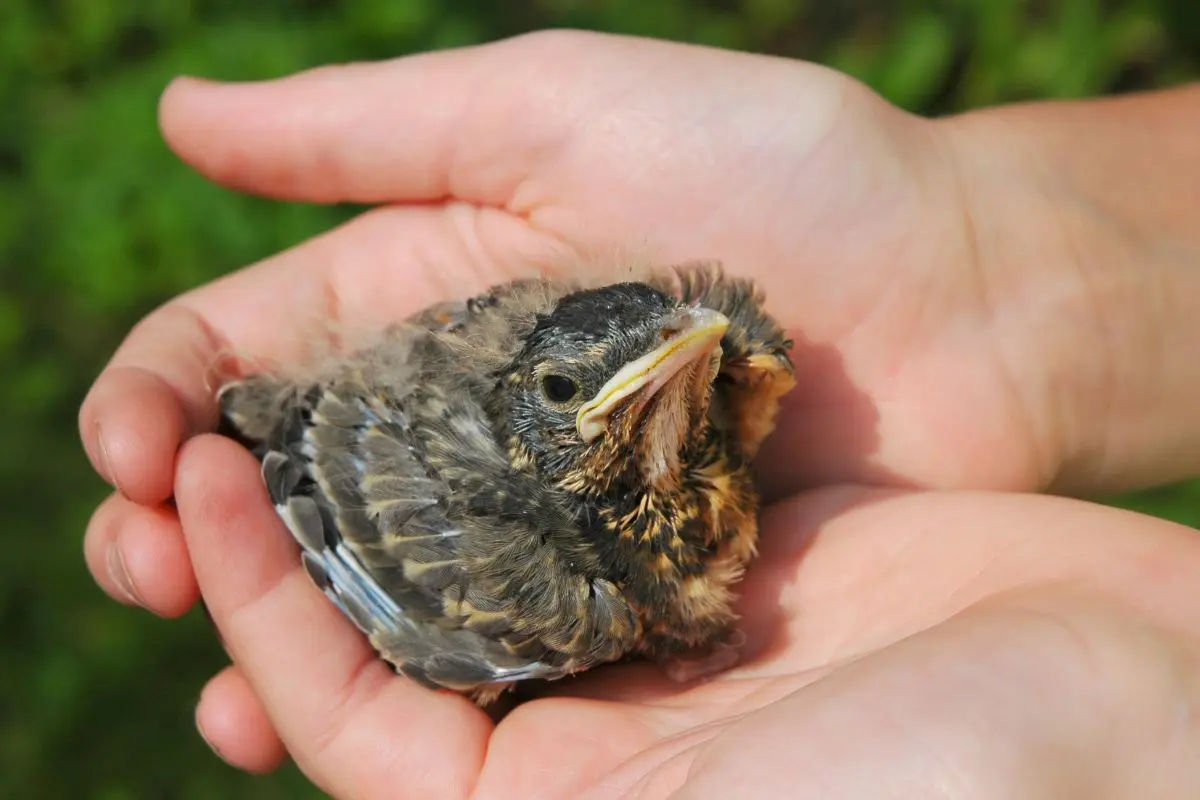
Identifying a baby fledgling bird is important before feeding it. Knowing the right signs helps you provide proper care. Fledglings are young birds that just left the nest. They look different from adult birds and need special attention. This section explains how to recognize baby fledglings by their appearance and behavior.
Physical Characteristics
- Soft, downy feathers or patchy plumage
- Small size compared to adult birds
- Large eyes and head in relation to body
- Short, stubby wings not fully developed
- Visible yellow or pink gape (mouth edges)
- Clumsy movements and unsteady posture
Behavioral Signs
- Calling loudly for food from parents
- Staying on the ground or low branches
- Attempting short flights but often falling
- Opening mouth wide when approached
- Dependence on adults for warmth and feeding
- Limited ability to find food alone
Nutritional Needs Of Fledglings
Feeding a baby fledgling bird is more than just offering food; it’s about meeting its unique nutritional needs to support healthy growth. Young birds require a balanced diet that fuels their development and prepares them for independence. Understanding these needs helps you provide the right care and avoid common feeding mistakes.
Protein Requirements
Protein is the building block of muscles and feathers. Fledglings need a high-protein diet to grow strong and develop healthy plumage. You can offer small insects like mealworms or finely chopped cooked eggs, which provide excellent protein sources.
Did you know that protein content should be roughly 30-40% of their diet? Avoid giving them seeds or bread alone, as these lack sufficient protein and can cause malnutrition. Keep the portions small and frequent to match their fast metabolism.
Hydration Essentials
Hydration is just as important as food. Fledglings often get water from their diet, but you must ensure they don’t become dehydrated, especially in warm weather. Fresh water should be available nearby, but be careful not to force-feed water, which can cause choking.
Offering juicy insects or moist fruits like small pieces of melon can help increase their fluid intake naturally. Have you checked if your fledgling is showing signs of dehydration, such as lethargy or sunken eyes? These signs mean immediate hydration support is necessary.
Safe Foods For Baby Birds
Feeding a baby fledgling bird requires care and attention to what is safe and healthy. Baby birds need a diet that supports their rapid growth and development. Choosing the right foods helps them build strong bones and feathers. Always offer fresh, clean, and suitable foods for their age and species.
Insects And Worms
Insects and worms are natural foods for many baby birds. They provide essential protein and nutrients that help growth. Common safe options include:
- Mealworms
- Crickets
- Earthworms
- Small caterpillars
Make sure insects are free of pesticides and chemicals. Avoid wild-caught insects that might carry diseases.
Fruits And Vegetables
Soft fruits and vegetables give vitamins and minerals to fledglings. Offer small, finely chopped pieces for easy eating. Safe choices include:
- Apples (without seeds)
- Bananas
- Blueberries
- Cooked carrots
- Peas
Do not feed citrus fruits or anything too sour. Avoid salty or spicy foods that can harm the bird.
Commercial Bird Food Options
Specialized bird foods support fledgling health and growth. Look for products made for baby birds or hand-feeding. These options include:
- Hand-rearing formulas
- Soft pellets
- Seed mixes designed for young birds
Follow instructions carefully for mixing and feeding. These foods provide balanced nutrition and are easy to digest.
Foods To Avoid
Feeding a baby fledgling bird is a delicate task that requires careful attention to what you offer. Some foods can harm these fragile creatures, either by poisoning them or causing digestive problems. Knowing which foods to avoid helps you protect their health and encourages strong growth.
Toxic Ingredients
Many common foods contain ingredients that are toxic to baby fledglings. Avoid anything with salt, sugar, caffeine, or chocolate, as these can cause serious health issues.
- Avocado:Contains persin, which is poisonous to many bird species.
- Onions and garlic:Can cause digestive upset and even damage red blood cells.
- Alcohol and caffeine:These substances are harmful and should never be given.
- Raw beans and potato peels:Contain toxins that birds cannot digest.
Remember, even small amounts of these can be dangerous. Have you ever considered how a tiny bit of salt, harmless to us, could severely affect a fledgling?
Improper Textures
The texture of the food you offer is just as important as what it contains. Baby fledglings have delicate throats and immature digestive systems.
- Hard seeds or nuts:These can choke or damage the bird’s throat.
- Large chunks of food:Make swallowing difficult and increase risk of choking.
- Sticky substances like honey:May cause clumping in the crop, leading to digestive blockages.
Always ensure food is finely chopped, mashed, or softened to match the fledgling’s feeding ability. Have you checked the consistency of the food you’re about to offer today?
Feeding Techniques
Feeding a baby fledgling bird requires patience and a gentle touch. You need to master specific techniques to ensure your little bird gets the right nutrition without stress. How you feed can impact their growth and trust in you, so practicing proper methods is key.
Hand-feeding Tips
Use a small, soft-tipped syringe or a specialized bird feeding spoon for better control. Warm the food slightly to mimic natural body temperature—cold meals can upset their stomach.
Hold the bird gently but firmly to prevent injury. Support its body so it feels secure, and avoid forcing the beak open; instead, let the bird open its mouth naturally.
Watch for signs of fullness, such as closing the beak or turning away. Overfeeding can be harmful, so let the bird set the pace.
Feeding Schedule
Newly hatched birds need feeding every 15 to 20 minutes during daylight hours. As they grow, you can gradually space out the feedings to every 30 to 60 minutes.
Consistency is crucial—irregular feeding can cause stress and affect development. Keep a feeding log to track times and amounts to avoid missing or overfeeding sessions.
Remember, fledglings often need more frequent meals than you might expect. How can you adjust your routine to fit the bird’s natural hunger cues?
Creating A Suitable Feeding Environment
Creating a suitable feeding environment is essential for the health and growth of a baby fledgling bird. It’s not just about what you feed but also where and how you feed the bird. Ensuring the right surroundings can make feeding easier and safer for your little feathered friend.
Safe Housing
Your baby bird needs a secure, quiet place free from predators and distractions. A small, well-ventilated box or cage lined with soft cloth works well. Avoid materials like newspaper that can stick to the bird’s skin or cause injury.
Place the housing in a spot away from pets, loud noises, and direct sunlight. You want your fledgling to feel calm and protected during feeding times. Have you checked if your space is truly safe for a tiny bird?
Temperature And Comfort
Baby fledglings can’t regulate their body temperature yet, so warmth is critical. Use a heating pad set on low under one side of the housing or a small lamp placed at a safe distance. This way, the bird can move toward or away from the heat as needed.
Keep the temperature around 85°F (29°C) for the first week, then gradually lower it as the bird grows. Watch for signs of discomfort like panting or lethargy—it’s a clear signal to adjust the temperature. Comfort isn’t just about warmth; make sure the bedding is soft and dry to prevent stress and injuries.
Signs Of Proper Growth And Health
Knowing the signs of proper growth and health in a baby fledgling bird is crucial for anyone caring for these delicate creatures. It helps you understand if your feeding routine is effective and if the bird is thriving. Observing these signs closely can make the difference between a healthy fledgling and one that needs immediate attention.
Weight Monitoring
Tracking your fledgling’s weight is one of the most reliable ways to gauge its growth. Weigh the bird daily using a small digital scale designed for delicate animals. Keep a log to notice trends—steady weight gain usually means your feeding schedule and food choices are working well.
If the bird’s weight plateaus or drops, it could indicate insufficient feeding or health issues. Have you noticed your fledgling struggling to gain weight despite regular feeding? This might be a signal to adjust the diet or consult a wildlife expert.
Behavioral Indicators
Healthy fledglings are alert and responsive. They will actively beg for food, show curiosity, and move energetically within their environment. If your bird is lethargic, unresponsive, or seems weak, these are warning signs that something may be wrong.
Watch for consistent begging behavior and bright, clear eyes—these are positive indicators. Have you ever seen a baby bird suddenly lose interest in food? That’s a red flag demanding immediate attention.
Credit: wildbloo.com
When To Seek Expert Help
Knowing when to seek expert help is crucial for a baby fledgling bird’s survival. Some signs show the bird needs more care than you can give at home. Acting quickly can save its life and improve its chances of returning to the wild.
Look for injuries, continuous crying, or refusal to eat. Also, if the bird appears weak, cold, or has visible wounds, it needs professional attention. Experts have the skills and tools to provide proper treatment and care.
Veterinary Care
Veterinarians with experience in birds can diagnose and treat health problems. They can provide fluids, antibiotics, and pain relief. Vets also know how to handle fragile fledglings safely. Visiting a vet ensures the bird gets the right medical help fast.
Wildlife Rehabilitation Resources
Wildlife rehabilitators specialize in caring for injured or orphaned birds. They understand natural diets and proper feeding techniques. Rehabilitators prepare birds for release back into nature. Contact local wildlife centers or animal rescue groups for guidance.
Credit: www.kwikpets.com
Frequently Asked Questions
What Is The Best Food For A Baby Fledgling Bird?
The best food for a baby fledgling bird includes soft, protein-rich items. Mealworms, soaked dog kibble, and finely chopped boiled eggs are ideal. Avoid feeding bread or milk, as these can harm the bird. Always provide fresh water alongside food.
How Often Should You Feed A Baby Fledgling?
Feed a baby fledgling every 20 to 30 minutes during daylight hours. Young birds need frequent feeding to maintain energy and growth. As the fledgling matures, feeding intervals can gradually increase. Never skip feedings, as consistent nourishment is critical.
Can I Feed A Fledgling Bird Insects?
Yes, insects like mealworms and small crickets are excellent protein sources for fledglings. They mimic a bird’s natural diet and support healthy development. Avoid wild-caught insects, which may carry parasites or pesticides. Use commercially raised insects for safety.
Should I Give Water To A Baby Fledgling Bird?
Yes, but do not force water directly into the fledgling’s mouth. Provide a shallow dish with clean water nearby for drinking. Most fledglings get hydration from their food. Monitor to ensure the bird drinks enough to stay hydrated.
Conclusion
Caring for a baby fledgling bird requires careful feeding. Choose the right food. Offer small, soft insects or pre-prepared bird formula. Ensure fresh water is available. Keep feeding times regular and gentle. Observe the bird’s reactions and adjust feeding if needed.
Handle with care to avoid stress. Contact a wildlife expert for advice if unsure. This helps ensure the bird grows healthy and strong. Remember, every small effort makes a difference. Your care impacts the bird’s future.