
Have you ever found a bird that looks weak or close to dying and wished you could help? Knowing how to feed a dying bird can make a huge difference in saving its life.
But it’s not as simple as just giving it any food. You need to act quickly, gently, and with the right knowledge. You’ll learn exactly what to do step-by-step to give that fragile bird the best chance of survival. Keep reading—you might just become the reason a little life gets a second chance.
Credit: medium.com
Recognizing A Dying Bird
Recognizing when a bird is nearing the end of its life is crucial if you want to provide the right care and comfort. Birds often hide their pain, making it harder for you to notice serious trouble. Watching closely for specific signs can help you decide when to step in and offer support.
Signs Of Severe Illness
Severe illness in birds often shows up suddenly and can be subtle at first. Look for signs like difficulty breathing, constant trembling, or refusal to eat and drink. These symptoms indicate your bird may need immediate attention.
Have you noticed your bird sitting quietly with its feathers fluffed up for hours? This behavior often signals that it’s feeling very unwell. Ignoring these signs can lead to rapid deterioration.
Behavioral Changes
Birds are usually active and curious creatures. When they start hiding, avoiding interaction, or losing interest in usual activities, it’s a red flag. A once lively bird that becomes lethargic or unusually quiet may be struggling.
Sometimes, your bird might isolate itself in a corner or stay still for long periods. This change in social behavior often points to serious health issues. Have you observed your bird’s usual habits closely enough to catch these changes?
Physical Symptoms
Physical signs such as drooping wings, swollen eyes, or discharge from the beak or nostrils are clear signals of distress. You might also notice weight loss or a change in the bird’s droppings, both of which require prompt action.
Pay attention if your bird’s breathing sounds labored or if it’s shaking its head repeatedly. These are not normal behaviors and suggest that the bird needs help quickly. Your careful observation can make a big difference in your bird’s comfort and care.
Preparing The Feeding Environment
Preparing the feeding environment is a crucial step to help a dying bird regain strength. Your setup can either support the bird’s fragile condition or add unnecessary stress. Paying close attention to comfort, warmth, and calmness makes a significant difference in how the bird responds to your care.
Creating A Comfortable Space
Start by choosing a quiet, low-traffic area where the bird won’t be disturbed. Use a small box or a pet carrier lined with soft towels or cloths to cushion the bird gently. Make sure the bedding is clean and dry to prevent any infections or discomfort.
Think about the bird’s natural resting posture. You want to avoid forcing it into positions that feel unnatural or painful. Have you noticed how birds tuck their heads under their wings? Mimicking this resting style can help the bird feel more at ease.
Maintaining Warmth And Safety
Birds, especially those that are weak or sick, can’t regulate their body temperature well. Place a heating pad under half of the box or use a warm water bottle wrapped in cloth to provide gentle heat. This lets the bird move away if it gets too warm.
Keep the environment free from drafts and sudden temperature changes. A stable temperature around 85°F (29°C) often works well, but observe the bird’s behavior to adjust as needed. Have you checked if the bird’s feet or beak feel cold? That’s a sign to increase warmth.
Minimizing Stress
Stress can worsen a bird’s condition quickly. Dim the lights and avoid loud noises or sudden movements near the bird’s resting spot. Speak softly and move slowly if you need to interact with the bird.
Limit handling to only what’s necessary for feeding or cleaning. Too much handling can exhaust a weak bird. Are you watching for signs of distress, like rapid breathing or wide eyes? Respect those signals and give the bird space to recover.
Choosing The Right Food
Choosing the right food for a dying bird is a delicate task that can greatly impact its chances of recovery. The food you select must meet the bird’s specific needs without causing further stress or harm. Understanding what your bird requires and what to avoid can make a significant difference in its comfort and healing process.
Nutritional Needs Of Sick Birds
Sick birds often have weakened immune systems and low energy. They need foods rich in protein and easy-to-digest nutrients to help rebuild strength. Vitamins A, E, and B-complex are crucial for healing and boosting their immune response.
Hydration is equally important, so foods with high moisture content or supplements that support fluid intake work best. You might notice your bird showing less interest in food, but small, frequent feedings can keep their energy steady.
Types Of Suitable Foods
Soft, easily digestible foods are your best option. You can prepare a mix of mashed fruits like bananas or papaya with soaked pellets or finely chopped boiled eggs. These provide both energy and essential nutrients without overwhelming the bird’s system.
- Cooked rice or oatmeal mixed with a bit of fruit puree
- Commercial hand-feeding formulas designed for sick or baby birds
- Small amounts of lean, cooked chicken or fish for extra protein
Always offer food at room temperature to avoid shocking their system. If your bird refuses to eat, try different textures and flavors to find what appeals to them.
Avoiding Harmful Ingredients
Many common foods can worsen your bird’s condition. Avoid anything with high salt, sugar, or artificial additives, as these can upset their delicate digestive system. Never feed chocolate, caffeine, or avocado, as these are toxic to birds.
Stay clear of hard seeds and nuts that require a strong bite, since a sick bird may struggle to chew. Also, avoid dairy products unless specifically recommended by a vet, because most birds cannot digest lactose well.
Have you checked every label and ingredient before feeding your bird? Being cautious can prevent accidental poisoning and keep your bird safe during this fragile time.
Feeding Techniques For Weak Birds
Feeding a weak or dying bird requires gentle care and patience. Birds that are too weak to eat on their own need special feeding techniques. These methods help provide nutrition safely and comfortably. Proper feeding can improve the bird’s strength and chances of recovery.
Hand-feeding Methods
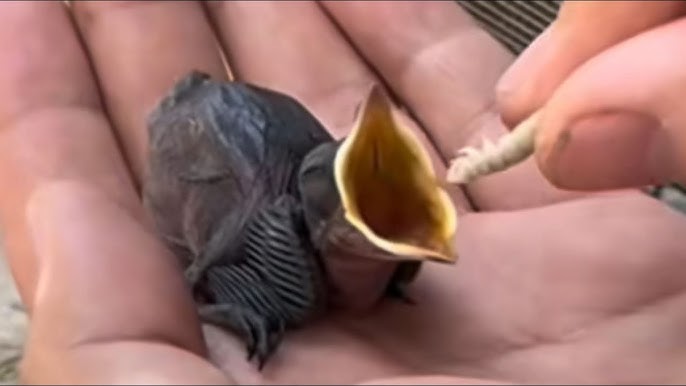
Hand-feeding a weak bird means offering food directly by hand. Use soft, easily digestible food like soaked pellets or baby bird formula. Warm the food to body temperature before feeding. Gently hold the bird to avoid stress and injury. Use your fingers or a small spoon to place food near the bird’s beak. Wait for the bird to open its mouth before offering food. Do not force the food, as this can cause harm.
Using Syringes And Droppers
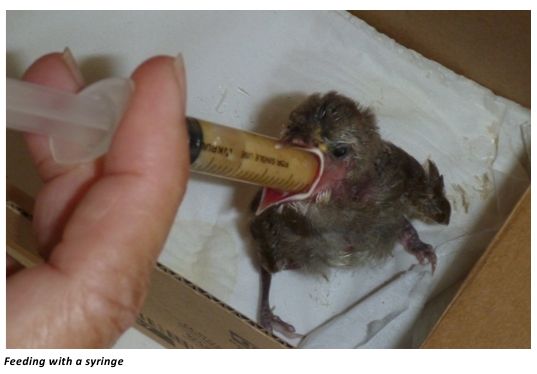
Syringes and droppers allow controlled feeding for fragile birds. Use a small syringe or dropper without the needle. Fill it with liquid food or formula. Gently place the tip near the bird’s beak. Slowly release small amounts of food. This helps prevent choking or aspiration. Keep the bird’s head slightly raised during feeding. Clean the tools thoroughly after every use to avoid infection.
Frequency And Portion Control
Feeding weak birds often is important. Small, frequent meals are best for their fragile systems. Offer food every two to three hours depending on the bird’s condition. Give only small amounts each time to prevent overeating. Watch for signs of fullness and stop feeding if the bird resists. Keep track of feeding times and amounts. Proper portion control helps the bird digest food comfortably and gain strength.
Hydration Strategies
Keeping a dying bird hydrated is crucial for its survival. Dehydration can quickly worsen a bird’s condition, so recognizing the signs and delivering fluids safely is essential. You need to act gently and carefully to avoid causing further stress or injury.
Signs Of Dehydration
Birds hide their weakness well, but certain signs point to dehydration. Look for sunken eyes, dry or wrinkled skin, and lethargy. If the bird’s mouth and tongue feel sticky or dry, it’s a clear warning.
You might notice the bird drinking less or refusing water completely. These subtle signals tell you that immediate hydration is needed, but you must proceed with caution to avoid choking or aspiration.
Safe Water Delivery
Offering water to a weak bird requires patience and precision. Use a small syringe or dropper to deliver tiny amounts of water slowly into the side of the bird’s beak. Avoid pouring water directly down the throat, as this can cause choking.
Place the bird in an upright position and let it swallow at its own pace. If the bird resists, pause and try again later. Your calm presence can make a big difference in getting the bird to accept fluids.
Electrolyte Solutions
Plain water might not be enough if the bird is severely dehydrated. You can prepare a simple electrolyte solution by mixing:
- 1 quart of clean water
- 1 teaspoon of sugar
- ½ teaspoon of salt
This mix helps restore essential minerals and energy. Offer it in small doses as you would with water, always monitoring the bird’s reaction.
Have you tried using electrolyte solutions before? Sometimes, these small details can be the difference between recovery and decline.

Credit: www.reddit.com
Monitoring And Adjusting Care
Monitoring and adjusting care is crucial for feeding a dying bird. It helps ensure the bird receives the right support at the right time. Careful observation shows how the bird responds to feeding and treatment. Changes may be needed to improve its condition and comfort.
Tracking Progress
Keep a daily record of the bird’s eating habits and behavior. Note changes in appetite, energy, and droppings. Look for signs of improvement or decline. Small gains in strength or interest in food are good signs. Lack of progress or worsening symptoms needs attention.
When To Seek Veterinary Help
Veterinary support is essential if the bird’s condition worsens. Watch for difficulty breathing, severe weakness, or refusal to eat. Sudden changes in behavior or appearance also require expert care. Early intervention can prevent serious complications. Don’t delay contacting a vet in these cases.
Adapting Feeding Plans
Adjust the bird’s feeding plan based on its progress. Change food types or textures to match its ability to eat. Offer smaller, more frequent meals to avoid stress. Use feeding tools that make eating easier, like syringes or soft spoons. Always keep the bird’s comfort and safety in mind.
Handling End-of-life Situations
Handling end-of-life situations with a dying bird calls for gentle care and clear awareness. You want to support your feathered friend while respecting their comfort and natural process. This phase is about compassion and knowing when to ease back to let nature take its course.
Comfort Measures
Focus on creating a warm, quiet space for your bird. Soft bedding and a cozy spot away from drafts can make a big difference. Keep noise and activity low to reduce stress.
Offer gentle touches if your bird allows it. Sometimes, your presence alone provides reassurance. You might notice your bird seeking closeness or preferring solitude—respect those signals.
Hydration is key but avoid forcing fluids if your bird resists. Instead, try moistening their favorite foods or offering small sips gently. This keeps them hydrated without causing discomfort.
Recognizing When To Stop Feeding
It’s tough to see your bird refuse food, but forcing feeding can cause harm. Watch for signs like turning away, closing eyes, or vocalizing distress during feeding attempts. These are clear signals your bird may be ready to let go.
Consider your bird’s energy levels and willingness to eat. Are they eating less each day despite encouragement? This is a sign to pause and focus more on comfort than nutrition.
Ask yourself: Is continuing to feed helping your bird, or causing stress? Sometimes, stepping back is the kindest choice. Your bird’s body knows when it’s time.
Providing Peaceful Care
Keep your bird’s environment calm and familiar. Speak softly and avoid sudden movements that might startle them. Familiar scents and sounds can be comforting.
Stay close but don’t crowd your bird. Sometimes, just being nearby without demanding interaction is the best support. Your presence can be a silent comfort.
Reflect on moments of connection you’ve shared. How can you honor your bird’s dignity now? Offering peace in their final hours is a profound act of love.
Credit: besgroup.org
Frequently Asked Questions
How Do I Safely Feed A Dying Bird?
Use a small syringe or dropper to gently offer fluids. Avoid force-feeding to prevent choking. Provide lukewarm water mixed with electrolytes or a specialized bird formula. Feed slowly and monitor the bird’s response carefully.
What Is The Best Food For A Dying Bird?
Offer easily digestible foods like soaked seeds, boiled eggs, or baby bird formula. Avoid hard or dry foods that may stress the bird. Soft, nutritious options help provide energy and hydration during recovery.
How Often Should I Feed A Dying Bird?
Feed small amounts every 1 to 2 hours during the day. Frequent, gentle feedings prevent stress and support energy levels. Avoid overfeeding to reduce the risk of aspiration or digestive issues.
When Should I Seek Veterinary Help For A Dying Bird?
If the bird shows labored breathing, severe weakness, or unresponsiveness, seek immediate veterinary care. Professional assessment ensures proper treatment and increases survival chances. Do not delay if symptoms worsen.
Conclusion
Feeding a dying bird takes patience and care. Use soft, easy-to-digest food in small amounts. Keep the bird warm and quiet for comfort. Watch for signs of improvement or distress closely. Always seek help from a vet when possible. Your gentle actions can help save a life.
Caring hands and simple steps make a difference. Remember, every small effort counts in healing.