
Have you ever wondered how to feed a swallow bird and help these graceful creatures thrive around your home? Swallows are not only beautiful to watch but also play a vital role in controlling insect populations.
If you want to attract swallows and provide them with the right nutrition, you’re in the right place. This guide will show you simple, effective ways to feed swallows that anyone can do. By the end, you’ll know exactly what to offer these birds to keep them healthy and coming back season after season.
Ready to become a swallow’s favorite neighbor? Let’s dive in!

Credit: www.blog.catandturtle.net
Swallow Bird Basics
Understanding the basics of swallow birds is essential before you decide how to feed them effectively. These agile birds have unique habits and needs that influence what and how they eat. Knowing their types, behavior, and natural diet can help you create a welcoming environment that supports their health and well-being.
Types Of Swallows
Swallows come in several species, each with distinct features. The most common types include the Barn Swallow, Tree Swallow, and Cliff Swallow. Recognizing these can help you identify the birds visiting your area and tailor your feeding approach.
- Barn Swallow:Known for their forked tails and blue upperparts, they often nest in barns and open structures.
- Tree Swallow:These have iridescent green-blue feathers and prefer nesting in tree cavities or birdhouses.
- Cliff Swallow:They build mud nests on cliffs or man-made structures and have a square tail.
Swallow Behavior
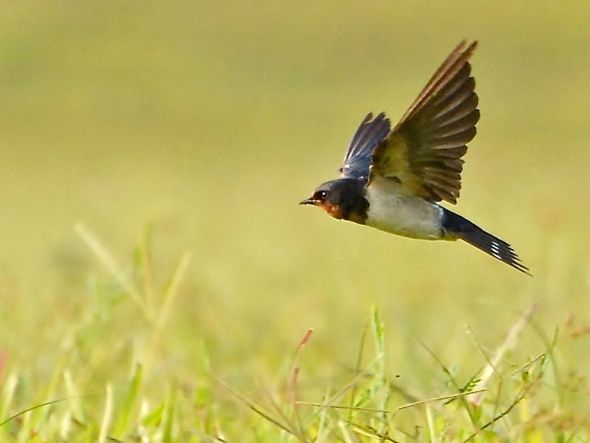
Swallows are highly social and often feed in groups. You might notice their acrobatic flight patterns as they catch insects mid-air. Their strong migratory instincts mean they travel long distances, so your feeding efforts are most effective during breeding or resting periods.
Have you observed how swallows dart and swoop near water bodies or open fields? That’s their way of hunting. Understanding this behavior helps you position feeding spots in the right locations.
Diet In The Wild
Swallows primarily eat flying insects like flies, mosquitoes, and beetles. They catch their food on the wing, which requires a high-energy diet. Occasionally, they supplement with spiders and other small arthropods.
If you want to support swallows, focus on providing a habitat rich in natural insect life rather than just direct feeding. Planting native flowering plants can attract insects, indirectly feeding the swallows. Have you thought about how your garden could become a mini ecosystem for these birds?

Credit: www.shutterstock.com
Feeding Needs
Feeding a swallow bird requires a good understanding of its specific dietary needs. These birds thrive on a diet that supports their high energy levels and fast metabolism. Getting the feeding right helps you keep these agile flyers healthy and active.
Nutritional Requirements
Swallows mainly need a diet rich in protein to support muscle development and energy. Their natural diet consists mostly of flying insects, which provide essential nutrients like amino acids and fats. Calcium is also important, especially during breeding season, to strengthen bones and eggshells.
Think about how often you see swallows darting around catching bugs mid-air—that’s their natural way of fueling up. You’ll want to mimic this as closely as possible to meet their nutritional needs.
Common Food Choices
Offering live insects like mealworms, crickets, and flies is the best way to feed swallows. These foods match what they catch in the wild and keep them active during feeding. You can also provide finely chopped hard-boiled eggs for extra protein.
- Live mealworms
- Crickets
- Flies
- Chopped hard-boiled eggs
Using a shallow dish or a small feeder that allows them to pick at their food mimics their natural hunting behavior. Have you noticed how picky swallows can be? Offering variety helps keep them interested and nourished.
Foods To Avoid
Avoid feeding swallows bread, seeds, or processed human foods. These items can cause digestive issues and don’t provide the nutrients swallows need. Dairy products should also be skipped since birds generally cannot digest lactose.
Even foods that seem harmless, like fruit or nuts, are not suitable for swallows and might upset their stomach. Keeping their diet close to what they eat naturally is the safest way to care for them.
Feeding Techniques
Feeding swallows requires careful attention to their age and natural habits. Different techniques suit baby swallows and adults, ensuring they get the right nutrition. Understanding the best times to feed them also increases your chances of success and helps you connect with these graceful birds.
Feeding Baby Swallows
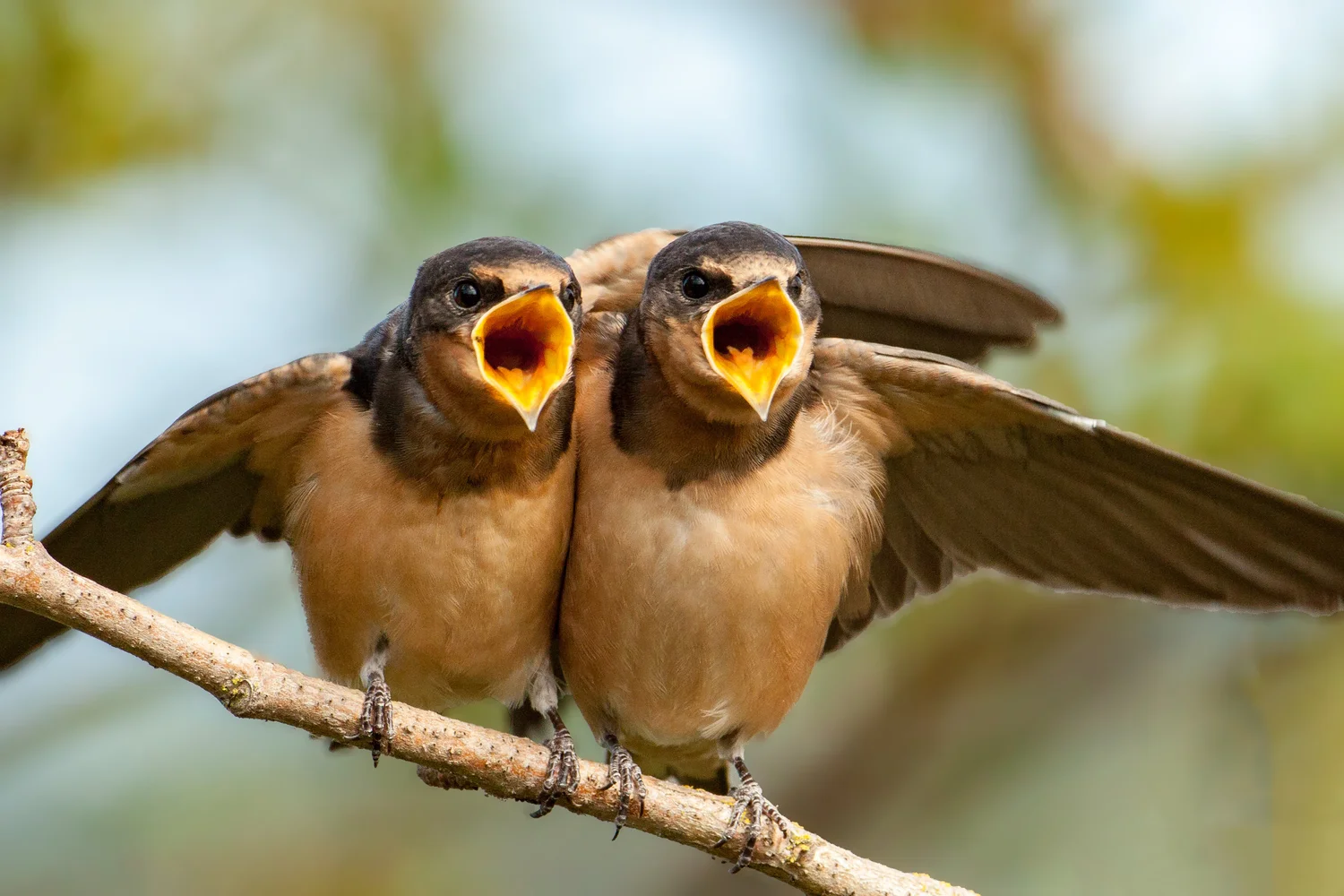
Baby swallows need frequent feeding, often every 20 to 30 minutes during daylight. They rely on soft, easily digestible food like small insects or specialized bird formula. Use tweezers or a small syringe to gently offer food directly into their mouths.
Watch their reaction closely. If they open their mouths wide, it means they’re ready for more. Avoid overfeeding, as it can cause choking or discomfort.
Feeding Adult Swallows
Adult swallows catch insects on the fly, so replicating their natural diet is key. You can offer live insects such as mealworms or small flies in an open dish or by hand. Adults prefer food they can grab quickly, so avoid forcing food directly into their mouths.
Placing food near perches or in an open area encourages natural feeding behavior. Have you noticed how adults often feed at dawn and dusk? Timing your feeding to match this can improve their acceptance.
Best Feeding Times
Swallows are most active during early morning and late afternoon. Feeding them during these times aligns with their natural hunting schedule and increases the chance they’ll eat.
Keep feeding sessions brief but consistent. Too long can stress the birds, while irregular feeding may confuse them. Do you monitor their feeding habits daily? Small observations can reveal the best personalized schedule for your local swallows.
Creating A Swallow-friendly Environment
Creating a swallow-friendly environment helps these birds feel safe and welcome. Swallows need places to rest, feed, and drink. Your yard can become a haven that supports their daily needs. Simple changes can attract swallows and keep them healthy.
Attracting Swallows To Your Yard
Swallows prefer open spaces with plenty of flying room. Plant native flowers and grasses to attract insects, their main food source. Avoid using pesticides as they reduce insect populations. Install nest boxes or leave old mud nests intact to encourage breeding. Keep trees and shrubs trimmed to give swallows clear flight paths.
Safe Feeding Stations
Swallows catch flying insects and rarely eat from feeders. However, you can create spots where insects gather. Place flat stones or shallow dishes with a little water near flowering plants. Avoid feeders with seeds or bread, as swallows don’t eat them. Keep feeding areas clean to prevent diseases and pests.
Water Sources For Swallows
Swallows need fresh water for drinking and bathing. A shallow birdbath works well, especially with a gentle slope. Change the water daily to keep it clean. Add small rocks for perching. Avoid deep or moving water sources, as swallows prefer calm water. Position water near feeding areas to save energy during flights.
Health And Safety Tips
Feeding swallow birds is a rewarding experience, but it comes with responsibilities to keep these delicate creatures safe and healthy. Paying attention to health and safety tips ensures that your feeding efforts truly benefit the birds without unintended harm. Let’s look at key practices that protect both you and the swallows during feeding time.
Avoiding Contamination
Cleanliness is crucial when preparing food for swallows. Always wash your hands before handling any bird food or feeders. Using fresh, uncontaminated ingredients helps prevent the spread of harmful bacteria and diseases.
Make sure to clean feeding containers and areas regularly. Leftover food can attract pests and cause mold, which is dangerous to swallows. A good habit is to rinse feeders with hot water after each use and let them dry completely.
Recognizing Feeding Stress
Swallows may show signs of stress if feeding is too frequent or if the environment feels unsafe. Watch for behaviors like frantic wing flapping, vocal distress calls, or attempts to escape the feeding area. These signs mean you need to slow down or modify your feeding approach.
Have you noticed swallows hesitating near your feeding spot? It could indicate they feel threatened by nearby activity or predators. Creating a calm, quiet feeding space helps reduce stress and encourages natural feeding habits.
When To Seek Expert Help
If you find a swallow that appears injured, weak, or unusually lethargic, it’s important to act quickly. Do not attempt to feed or treat the bird without guidance. Contact a local wildlife rehabilitator or bird expert who can provide appropriate care.
Experts can also advise you on specific diets or feeding techniques for baby swallows or during illness. Remember, your role is to support their health, not replace natural parental care unless absolutely necessary.
Credit: besgroup.org
Frequently Asked Questions
What Do Swallows Eat In The Wild?
Swallows primarily eat flying insects like flies, beetles, and mosquitoes. They catch prey mid-air using their agile flight skills. Providing mealworms or small insects can mimic their natural diet when feeding them.
How Often Should I Feed A Swallow Bird?
Feed swallows every 20 to 30 minutes during the day, especially if they are young or injured. Consistent feeding supports their high energy needs and growth.
Can I Feed Swallows Bread Or Seeds?
No, bread and seeds are not suitable for swallows. They require a protein-rich diet of insects for proper nutrition and health.
What Is The Best Way To Feed A Baby Swallow?
Use a small syringe or dropper to gently offer insects or mealworms. Feed them slowly and carefully to avoid choking.
Conclusion
Feeding a swallow bird requires care and understanding. Offer small insects or a quality bird mix. Fresh water is essential. Keep their feeding area clean and safe. Observe their eating habits regularly. Adjust food portions as needed. Patience helps build trust with these birds.
A balanced diet supports their health and energy. Enjoy the process of caring for these beautiful creatures. Remember, every small effort makes a big difference. Embrace the joy of feeding swallows. It’s a rewarding experience. Happy bird feeding!