
Bringing a rescue bird into your life is a special experience. But it also comes with important questions—especially about what to feed your new feathered friend.
You want to give your bird the best care, starting with the right diet. Feeding a rescue bird isn’t always as simple as grabbing a bag of seeds. Your bird’s health, happiness, and recovery depend on what you offer every day.
In this guide, you’ll discover easy-to-follow tips to nourish your rescue bird properly. Keep reading to learn how to make your bird feel safe, healthy, and loved through the food you provide.
Choosing The Right Food
Choosing the right food for a rescue bird is crucial to help it regain health and thrive in its new environment. Every bird has unique dietary needs shaped by its species, age, and previous diet. Understanding these needs helps you provide balanced nutrition and avoid common feeding mistakes.
Types Of Bird Food
Bird food comes in many forms, including pellets, seeds, fruits, vegetables, and nuts. Pellets are often recommended because they offer balanced nutrition in every bite. Seeds can be part of the diet but should not be the only food since many seeds lack essential vitamins and minerals.
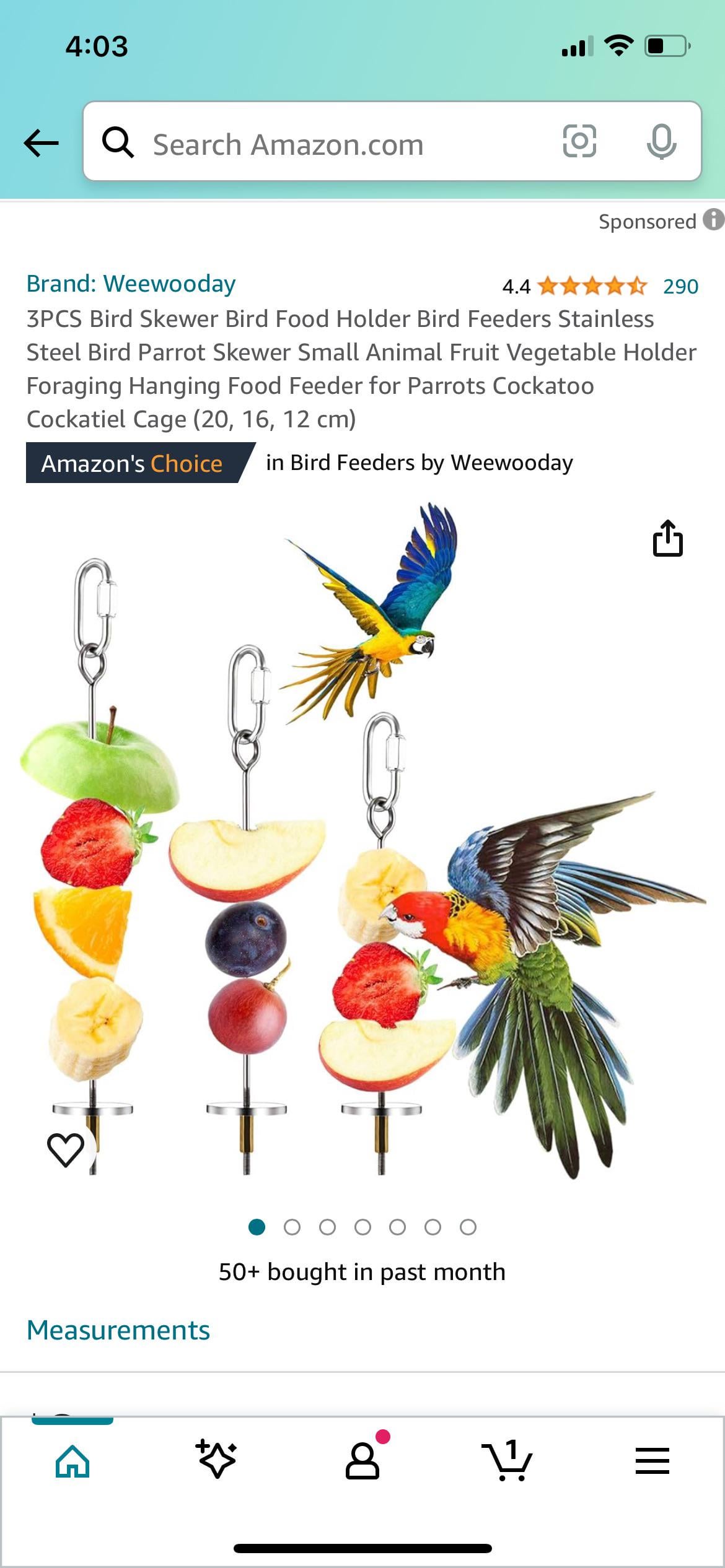
Fresh fruits and vegetables add variety and important nutrients to your bird’s diet. Try offering chopped apples, carrots, or leafy greens to keep meals interesting. Remember, variety helps prevent boredom and encourages healthy eating habits.
Nutritional Needs By Species
Different bird species require different nutrients and feeding routines. Parrots, for example, need a diet high in fat and protein, while finches thrive on a seed-heavy diet with occasional greens. Knowing your bird’s species guides you in selecting the right mix of foods.
Think about your rescue bird’s natural diet and try to replicate it as closely as possible. If you’re unsure, consult an avian vet or a bird nutrition expert to create a suitable meal plan. Have you noticed your bird prefers certain foods? That’s a helpful clue about its needs.
Avoiding Harmful Ingredients
Some common foods can harm birds, so it’s vital to know what to avoid. Avoid feeding your bird avocado, chocolate, caffeine, alcohol, and salty or sugary snacks—they can be toxic even in small amounts. Also, stay away from foods with artificial colors or preservatives.
Be careful with seeds like apple seeds or pits from stone fruits; they contain cyanide compounds dangerous to birds. Always research or ask before introducing new foods to your rescue bird’s diet. Protecting your bird from harmful ingredients is one of the best ways to support its recovery and long-term health.

Credit: pdsparrotshop.com
Feeding Schedule And Portions
Setting a proper feeding schedule and portion size is key to helping your rescue bird thrive. Birds coming from uncertain backgrounds often have unique dietary needs that require patience and observation. Balancing when and how much to feed helps prevent both underfeeding and overeating, which can affect their health and behavior.
Determining Meal Frequency
Young birds usually need more frequent meals—sometimes up to four times a day—because they burn energy quickly. Adult birds often do well with two meals daily, but some smaller species prefer grazing throughout the day. Watch your bird’s activity levels and appetite to find a rhythm that suits their lifestyle.
Have you noticed your bird begging for food outside scheduled times? This might mean their current meal frequency isn’t enough or that they need more engaging feeding activities to avoid boredom.
Portion Sizes For Different Birds
Portion size depends heavily on your bird’s species and size. A small finch requires just a teaspoon of seed or pellets per meal, while a larger parrot might need a few tablespoons. Overfeeding can lead to obesity, so start with small portions and adjust based on your bird’s weight and condition.
Here’s a simple guide to portion sizes:
| Bird Type | Typical Portion Size |
|---|---|
| Small Birds (finches, canaries) | 1-2 teaspoons per meal |
| Medium Birds (cockatiels, conures) | 1-2 tablespoons per meal |
| Large Birds (macaws, cockatoos) | 3-4 tablespoons per meal |
Adjusting Diet As Bird Ages
As your rescue bird ages, its metabolism and nutritional needs change. Older birds may need fewer calories but higher vitamin and mineral intake to support bone health. You might need to reduce portion sizes slightly and add fresh vegetables rich in calcium and antioxidants.
Regular weight checks and vet visits will help you tweak portions and meal frequency. Have you tracked how your bird’s eating habits shift over time? Noticing these changes can prevent diet-related health problems before they start.
Fresh Foods And Treats
Fresh foods and treats bring variety and nutrition to a rescue bird’s diet. They provide essential vitamins and minerals that support health and happiness. Including fresh items also encourages natural foraging behavior and mental stimulation.
Offering fresh foods requires careful selection. Some fruits and vegetables are safe and tasty, while others can harm your bird. Treats should be healthy, given in moderation, and always free from harmful ingredients.
Safe Fruits And Vegetables
- Apples (without seeds)
- Carrots (raw or cooked)
- Spinach and kale
- Blueberries and strawberries
- Peas and green beans
- Sweet potatoes (cooked)
- Bananas (in small amounts)
Wash all produce thoroughly before serving. Cut fruits and vegetables into small, manageable pieces.
Healthy Treat Options
- Millet sprays
- Unsalted nuts (like almonds or walnuts)
- Cooked quinoa or brown rice
- Small amounts of plain yogurt
- Sprouted seeds
Offer treats sparingly to avoid weight gain. Rotate treats to keep your bird interested.
Foods To Avoid
- Avocado (toxic to birds)
- Chocolate and caffeine
- Onions and garlic
- Rhubarb and tomato leaves
- Salt and sugary foods
- Alcohol and processed junk food
Never feed these foods to your rescue bird. They can cause serious health problems or death.
Hydration Essentials
Hydration is a crucial part of caring for a rescue bird. Birds can quickly become dehydrated, especially if they have been neglected or stressed. Ensuring your bird gets enough clean water can make a significant difference in its recovery and overall health.
Water Requirements
Each bird species has different water needs, but all rescue birds require constant access to fresh water. Small birds like finches may drink less than larger parrots, but both need water available at all times.
Have you noticed your bird drinking less? This could be a sign of illness or stress. Try offering water in different ways—such as a shallow dish or a water bottle—to see what your bird prefers.
Remember, water isn’t just for drinking; birds also use it to keep their feathers clean and regulate their body temperature. Ensuring your rescue bird stays hydrated helps maintain all these essential functions.
Maintaining Clean Water Supply
Clean water is non-negotiable. Dirty water can harbor bacteria and cause infections, which can be dangerous for a rescue bird’s fragile system.
Change your bird’s water at least twice a day. If you see any debris, food particles, or discoloration, replace it immediately. Keeping the water container clean is just as important—wash it thoroughly with hot water and mild soap daily.
Have you ever thought about where your water comes from? Using filtered or bottled water can sometimes be safer than tap water, depending on your local water quality. Test a few options and observe your bird’s response.
Special Dietary Considerations
Feeding a rescue bird means paying close attention to their unique dietary needs. Special dietary considerations can make a huge difference in their recovery and long-term health. Understanding these nuances helps you provide the best care and avoid common pitfalls.
Managing Health Issues
Rescue birds often arrive with health concerns that affect their diet. Some may have digestive problems, allergies, or weakened immune systems. You need to tailor their food to support healing and avoid ingredients that could cause irritation.
For instance, birds with liver problems benefit from low-fat, easily digestible foods. Birds prone to calcium deficiencies may require a calcium-rich diet, including cuttlebone or calcium supplements. Always consult a vet to identify specific health conditions before changing their diet.
Diet For Molting Birds
Molting is a stressful time that demands more nutrients to support feather regrowth. Your rescue bird will need extra protein, vitamins, and minerals during this phase. Feeding high-quality pellets, fresh fruits, and vegetables rich in vitamin A and E can help.
Adding sources of omega-3 fatty acids, like flaxseed or chia seeds, can improve feather quality. Have you noticed your bird looking dull or losing feathers rapidly? Adjust their diet promptly to avoid prolonged stress and discomfort.
Supplementing Vitamins And Minerals
Vitamins and minerals are crucial for maintaining your rescue bird’s overall health. Sometimes, their previous diet lacked balance, so supplementation becomes necessary. Use supplements recommended by an avian vet to prevent overdosing or imbalances.
Common supplements include vitamin D3 for bone health and probiotics for gut balance. Keep a close eye on how your bird responds to supplements and adjust as needed. Have you tracked your bird’s progress after adding supplements? Small changes can lead to big improvements.
Transitioning To New Diets
Changing a rescue bird’s diet can be challenging but it’s essential for their health. Birds often come from environments with limited food options, so introducing new foods carefully helps avoid stress and digestive issues. How you make this switch can set the tone for your bird’s long-term eating habits and well-being.
Introducing New Foods Gradually
Start by mixing a small amount of the new food with the bird’s current diet. This slow introduction helps your bird get used to new tastes and textures without overwhelming them.
For example, if your bird is used to seeds, add a few pieces of fresh vegetables or pellets each day. Over one to two weeks, increase the new food portion while decreasing the old.
This gradual approach can prevent digestive upset and build positive food associations.
Monitoring Bird’s Reaction
Watch your bird closely for changes in behavior, droppings, and appetite during the diet transition. Any signs of distress or refusal can indicate the need to slow down or try different foods.
Keep a daily journal to track what your bird eats and how they respond. This record helps spot patterns and guides adjustments.
Have you noticed your bird getting more active or vocal after certain foods? Such reactions can reveal their preferences and health improvements.
Handling Picky Eaters
Some rescue birds can be very selective, refusing new foods outright. Patience is key—offer variety without pressure and keep presentation interesting.
- Try chopping foods into smaller pieces or mixing them with favorite treats.
- Change the placement of food dishes to encourage exploration.
- Offer fresh foods at the same time each day to build routine.
Remember, forcing your bird to eat can harm trust. Instead, gently encourage curiosity and celebrate small victories in their willingness to try something new.
Safe Feeding Practices
Safe feeding practices are crucial for the health and happiness of your rescue bird. Birds coming from uncertain backgrounds may have weakened immune systems, so preventing contamination and ensuring food freshness can make a big difference. Paying attention to these simple habits helps you build trust and support your bird’s recovery every day.
Proper Food Storage
Store bird food in airtight containers to keep it fresh and free from pests. Seeds and pellets can lose nutrients or go rancid if left exposed to air or moisture. You might be surprised how quickly food quality drops if you don’t refrigerate perishable items like fruits or vegetables.
Always check expiration dates and avoid using stale food. Have you ever noticed your bird turning away from their meal? It could be a sign that the food isn’t fresh enough. Rotate stock regularly to keep meals appealing and nutritious.
Sanitizing Feeding Areas
Clean feeding bowls and trays daily to avoid the buildup of harmful bacteria. Use warm, soapy water and rinse thoroughly to remove any residue. This small habit can prevent illnesses that often go unnoticed until your bird shows serious symptoms.
Consider dedicating specific feeding dishes exclusively for your rescue bird. This reduces the risk of contamination and helps your bird feel secure during mealtime. Have you ever felt uneasy eating from a dirty plate? Birds sense that discomfort too.
Avoiding Cross-contamination
Use separate utensils for handling bird food and other household items. This practice prevents the transfer of harmful germs that could make your rescue bird sick. Wash your hands before and after feeding to minimize risks further.
Keep your bird’s food area distinct from where you prepare other foods. Even small traces of cleaning agents or human food can be dangerous to birds. Would you want to eat something that’s been handled carelessly? Your bird deserves the same care.

Credit: pdsparrotshop.com

Credit: www.theparrotshop.ca
Frequently Asked Questions
What Is The Best Diet For A Rescue Bird?
A balanced diet for rescue birds includes pellets, fresh fruits, vegetables, and seeds. Avoid processed human food and toxic items like avocado and chocolate. Providing clean water daily is essential for their health and recovery.
Can Rescue Birds Eat Seeds Only?
Seeds alone lack essential nutrients and can cause deficiencies. Include pellets, fresh fruits, and vegetables for a complete diet. Seeds should be a part of their diet, but not the main food source.
How Often Should I Feed A Rescue Bird?
Feed rescue birds twice daily, morning and evening. Provide fresh food and water each time. Adjust portions based on the bird’s size, species, and health condition for optimal nutrition.
Are Fruits Safe For Rescue Birds To Eat?
Yes, most fruits like apples, berries, and melons are safe. Avoid citrus and fruit seeds as they can be harmful. Fruits add vitamins and hydration to the bird’s diet.
Conclusion
Feeding a rescue bird requires care and thought. Offer a balanced diet. Fresh fruits and vegetables are essential. Seeds and pellets provide necessary nutrients too. Clean water is a must. Observe your bird’s preferences and adjust. Ensure variety for a happy bird.
Consult an avian vet for advice. Your bird’s health depends on proper feeding. Make mealtime enjoyable and stress-free. A well-fed bird thrives and enjoys life. Your attention to its diet makes all the difference. Keep learning and adapting to your bird’s needs.
A healthy bird is a happy companion.