
Have you ever wondered what time wild birds come out to feed? Knowing when these feathered friends are most active can change the way you watch and enjoy them.
Imagine catching that perfect moment when birds flutter and feed right before your eyes. You’ll discover the key times wild birds are busy searching for food and how you can use this knowledge to make your birdwatching experience more rewarding.
Ready to unlock the secrets of bird feeding habits? Let’s dive in.

Credit: amac.us
Bird Feeding Patterns
Bird feeding patterns vary widely across species and environments. Understanding these patterns helps in observing and supporting wild birds effectively. Birds feed based on their energy needs, weather conditions, and food availability. They follow natural rhythms shaped by the day and seasons.
Daily Feeding Cycles
Most wild birds feed early in the morning and late in the afternoon. Morning feeding fuels their energy after the night’s rest. Afternoon feeding helps replace energy spent during the day. Some birds take short feeding breaks around midday. Feeding times can shift slightly based on temperature and light.
Birds often avoid feeding during the hottest part of the day. This helps them conserve water and avoid overheating. Nighttime is usually a rest period, but some species, like owls, feed after dark. Daily feeding cycles match the bird’s lifestyle and environment.
Seasonal Variations
Bird feeding habits change with the seasons. In spring and summer, birds eat more insects and fresh plants. This supports breeding and raising young. Fall signals a shift to seeds, nuts, and berries for fat storage. Winter diets focus on high-energy foods to survive cold weather.
Migration also affects feeding patterns. Birds eat heavily before migration for energy reserves. Some species change feeding times or locations depending on the season. Seasonal changes in daylight and temperature guide these adaptations.
Credit: www.wildbirdsuets.com
Morning Feeding Frenzy
Morning is when the wild bird world truly comes alive. The “Morning Feeding Frenzy” is a spectacular event where birds flock to find food after a night of fasting. If you’ve ever watched birds at dawn, you’ll notice a burst of activity that sets the tone for their day.
Why Birds Feed Early
Birds feed early because their energy needs are high after a long night without food. The cool morning air also makes it easier for them to stay active without overheating. Early feeding helps birds build energy reserves for flying, mating, and avoiding predators throughout the day.
Have you noticed how quiet it gets right before sunrise? That calm quickly turns into a rush as birds compete for the best food spots. This timing also reduces competition with other animals that feed later in the day.
Common Species Active At Dawn
Different species have unique feeding schedules, but many are active at dawn. Here are some you might see during the morning frenzy:
- Robins:They search for worms and insects in gardens and lawns.
- Blue Jays:Known for their loud calls, they gather nuts and seeds early.
- Black-capped Chickadees:These tiny birds quickly hop around looking for insects.
- House Sparrows:Often found near human habitats, they scavenge seeds and crumbs.
Next time you step outside early, watch closely. You might catch a robin tugging a worm from the soil or a chickadee darting between branches. What birds do you see in your neighborhood as the sun rises?
Midday Feeding Trends
Midday feeding trends in wild birds show unique patterns. Birds often adjust their feeding habits around noon. This time offers a mix of challenges and opportunities. Understanding these behaviors helps us observe birds more effectively.
Feeding Behavior During Noon
Many wild birds reduce their feeding activity at noon. The sun is high, and temperatures rise quickly. Birds often seek shade or rest during this time. Some species continue to feed but more slowly. Others feed near water sources to stay cool. Midday is less active compared to early morning or late afternoon.
Factors Affecting Midday Activity
Temperature plays a major role in bird feeding at midday. Hot weather makes birds conserve energy and avoid heat stress. Food availability also affects their activity levels. Birds feed more if food is abundant and easy to find. Predators can influence feeding times, causing caution at noon. Habitat type impacts how and where birds feed during midday.
Evening Feeding Habits
Evening feeding habits of wild birds are a fascinating glimpse into how these creatures prepare for the night. As daylight fades, birds adjust their behavior to gather enough energy for rest and the challenges of the coming hours. Understanding these habits can help you predict their movements and even attract them to your backyard.
Pre-roosting Feeding
Before settling down to roost, many birds enter a final feeding frenzy. This pre-roosting feeding helps them stock up on calories to maintain body heat overnight. You might notice birds visiting feeders or foraging more actively just before dusk.
During this time, birds tend to focus on high-energy foods like seeds, nuts, or insects. Have you ever watched sparrows or finches rush to feeders as the sky darkens? Their urgency is a survival tactic, making sure they enter the night fully fueled.
Species Feeding At Dusk
Not all birds stop feeding as the sun sets. Some species actually prefer dusk to find food. Owls, for example, hunt under low light conditions, relying on their keen eyesight and silent flight to catch prey.
Other species, like nighthawks and swifts, take advantage of the evening insect activity. They swoop and dart through the air, grabbing bugs that are most active at twilight. Have you noticed these aerial acrobats just as the day ends?
- Owls:Hunt small mammals and insects under cover of darkness.
- Nighthawks & Swifts:Feed on flying insects at dusk.
- Robins & Thrushes:May continue ground foraging before roosting.
Next time you watch the sunset, pay attention to the birds around you. Their evening feeding habits reveal much about their survival strategies and can deepen your connection to the natural world.
Influences On Feeding Times
Wild birds don’t feed at random times. Their feeding schedules are shaped by several key factors that you might not expect. Understanding what influences these feeding times can help you better observe and even support your local feathered friends.
Weather Impact
Weather plays a huge role in when birds decide to eat. On chilly mornings, birds often feed earlier to fuel their body heat for the day ahead. Conversely, during hot afternoons, many birds avoid feeding to prevent overheating.
Rain can delay feeding or shorten meal times because wet feathers make flying and foraging harder. Windy days also affect feeding; strong gusts can force birds to seek shelter rather than hunt. Have you noticed birds feeding more actively after a storm clears? That’s because insects and seeds become easier to access.
Habitat And Food Availability
Your local environment directly impacts bird feeding schedules. In urban areas, birds might feed throughout the day due to constant food sources like garbage or feeders. In contrast, birds in dense forests often feed at dawn and dusk when insects are most active.
Seasonal changes also shift feeding times. When food is scarce in winter, birds spend more time feeding, often at varied times to maximize intake. If you want to attract certain species, observe when natural food sources like berries or insects peak in your area and offer supplemental feeding around those times.
Feeding Tips For Birdwatchers
Feeding wild birds is a rewarding activity for birdwatchers. It brings birds closer and offers great chances to observe their behavior. Knowing the right tips helps create a safe, attractive feeding space. This section shares simple advice for feeding wild birds effectively.
Best Times To Observe
Birds usually feed early in the morning and late afternoon. These times offer the best chance to see many species. Morning feeding happens as birds build energy for the day. Evening feeding helps them prepare for the night. Watching during these hours increases the chance to spot a variety of birds.
Setting Up Feeders
Choose a quiet spot to place your feeders. It should be near trees or shrubs for shelter. Use different feeder types for different birds. For example:
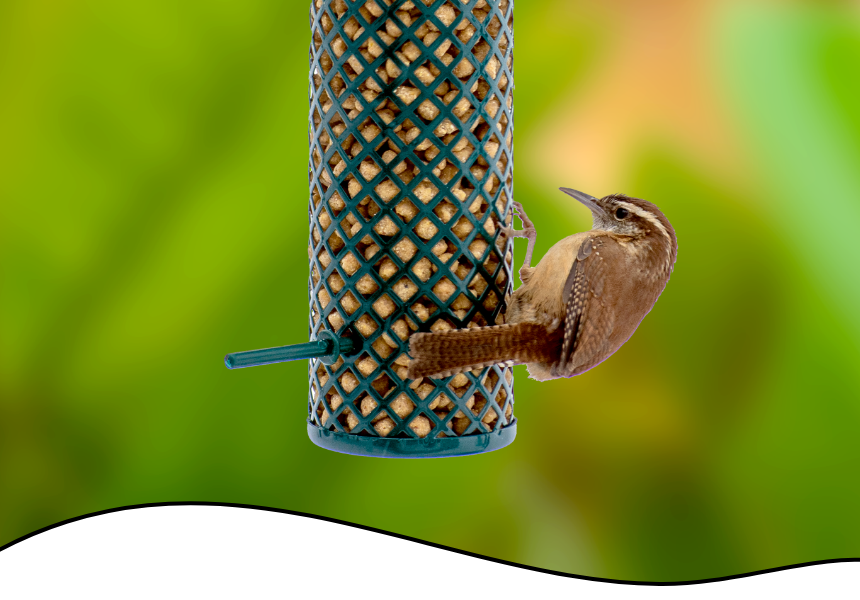
- Tube feeders for small songbirds
- Platform feeders for larger birds
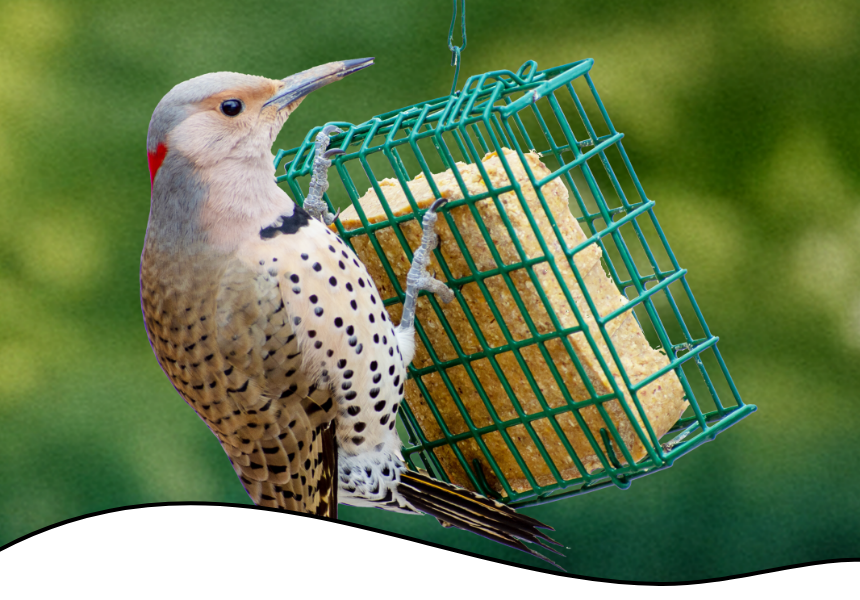
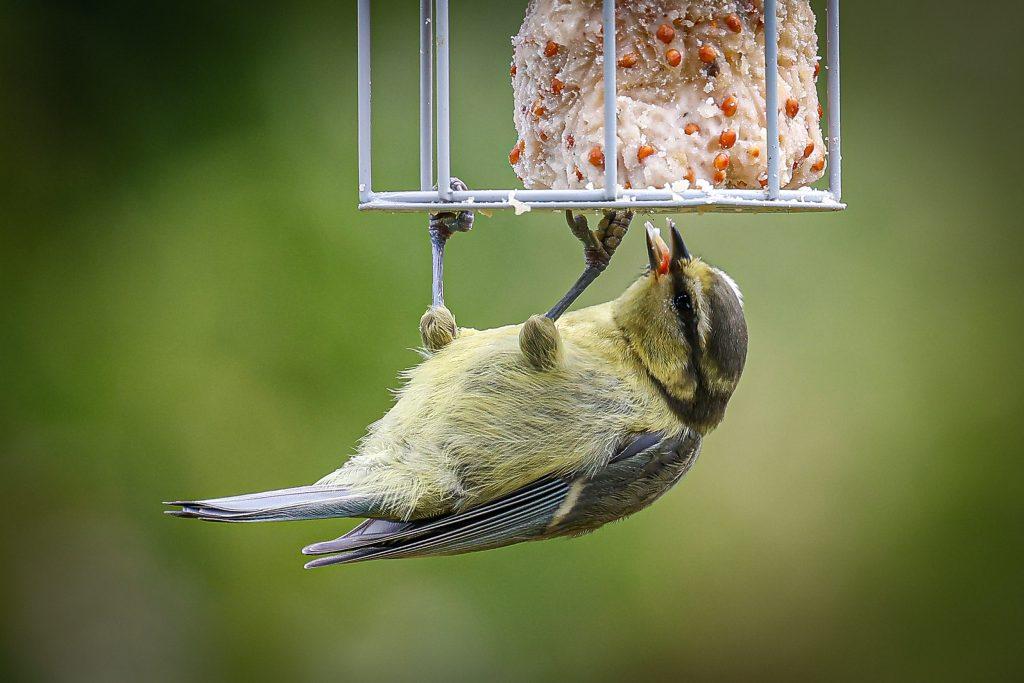
- Suet feeders for woodpeckers and nuthatches
Keep feeders clean to prevent disease. Refill them regularly, especially during cold weather. Fresh water nearby also attracts more birds. Position feeders where you can watch comfortably without disturbing the birds.
Credit: help.gardeningexpress.co.uk
Frequently Asked Questions
What Time Do Wild Birds Usually Start Feeding?
Wild birds typically begin feeding at dawn. They take advantage of early light to find food. This time is ideal for catching insects and seeds when they are most active.
How Long Do Wild Birds Feed Each Day?
Wild birds feed intermittently throughout daylight hours. They spend several hours gathering food in the morning and late afternoon. Feeding patterns vary by species and food availability.
Do Wild Birds Feed More During Certain Seasons?
Yes, wild birds feed more in spring and fall. These seasons require extra energy for migration and breeding. Food abundance and daylight also influence their feeding activity.
What Influences Wild Birds’ Feeding Times?
Feeding times depend on light, temperature, and food supply. Birds adjust their schedule to avoid predators and optimize energy use. Seasonal changes also affect their feeding habits.
Conclusion
Birds often feed early in the morning and late afternoon. These times align with their natural patterns and energy needs. Observing birds during these hours can be rewarding. They gather food to fuel their day and prepare for rest. Different species might have slightly different feeding times.
Watching birds can also teach us about nature’s rhythms. By understanding their habits, we connect with wildlife. This knowledge helps us appreciate the beauty around us. Enjoy watching birds and discover the wonders of nature.