
Have you ever wondered why some bird feeders are buzzing with colorful visitors while others sit empty? If you want to turn your backyard into a lively bird haven, understanding what attracts birds to a feeder is the key.
Knowing the right food, feeder types, and placement can make all the difference. Keep reading, and you’ll discover simple tips that bring more birds fluttering right to your window—making every moment outside a delightful birdwatching experience.

Credit: edis.ifas.ufl.edu
Best Feeder Types
Choosing the right bird feeder type makes a big difference. Different birds prefer different feeders based on how they eat and where they like to perch. Using various feeder styles can attract a wider variety of birds to your yard.
Tube Feeders
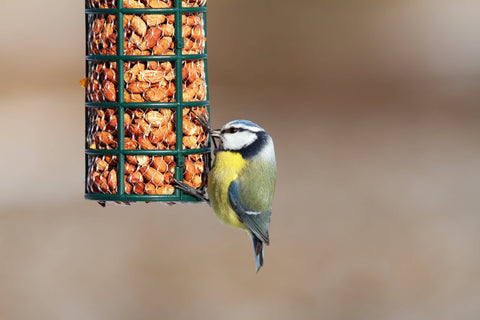
Tube feeders are long cylinders with small feeding ports. They hold seeds like sunflower or safflower. Small birds such as finches and chickadees enjoy tube feeders. The design keeps seeds dry and clean. Tube feeders hang from trees or poles easily.
Platform Feeders
Platform feeders are flat and open. They allow many birds to feed at once. This feeder suits birds that like to eat on flat surfaces. Use platform feeders for seeds, fruit, or even nuts. Place them in open areas to watch the bird activity.
Hopper Feeders
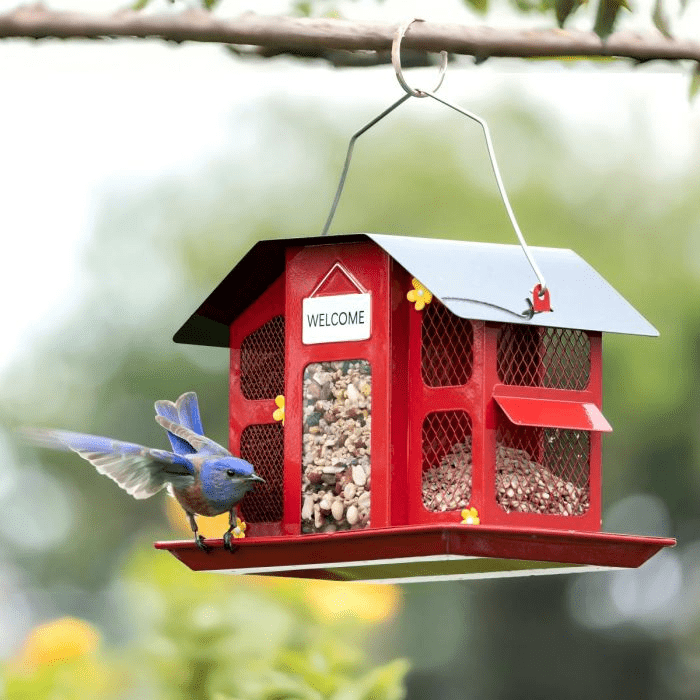
Hopper feeders look like small houses. They hold a lot of seed inside a container. Birds perch on small ledges to eat. These feeders protect seeds from rain and wind. Many birds like cardinals and grosbeaks prefer hopper feeders.
Suet Feeders
Suet feeders hold blocks of fat mixed with seeds or insects. Woodpeckers, nuthatches, and wrens enjoy suet feeders. These feeders are great in winter when birds need extra energy. Hang suet feeders on tree branches or poles.
Popular Bird Foods
Choosing the right foods is key to attracting a variety of birds to your feeder. Different birds prefer different tastes and textures, so offering a mix can increase your chances of visits. Let’s look at some popular bird foods that consistently draw in feathered friends.
Black Oil Sunflower Seeds
Black oil sunflower seeds are a top favorite for many birds. Their thin shells make them easy to crack open, which appeals to species like cardinals, chickadees, and finches.
I’ve noticed that keeping a steady supply of these seeds often results in a lively feeder. Birds seem to prefer these over larger sunflower seeds, especially during colder months when energy needs are higher.
Nyjer Seeds
Nyjer seeds are tiny but pack a nutritious punch. They attract finches such as goldfinches and siskins, which are particularly fond of this food.
You’ll need a special feeder with small holes to keep these seeds from spilling out. Have you ever seen a flock of goldfinches in full feeding frenzy? Nyjer seeds are usually the reason behind that delightful scene.
Suet Cakes
Suet cakes are high-energy treats made from animal fat mixed with seeds and grains. They are especially popular in winter when birds need extra calories to stay warm.
Woodpeckers, nuthatches, and wrens are frequent visitors to suet feeders. I’ve found that placing suet near trees increases the chances of spotting these lively birds up close.
Fruit And Nuts
Many birds enjoy fresh fruit and nuts, which offer natural sugars and fats. Orioles and tanagers often go for orange slices and grape halves, while jays and woodpeckers appreciate peanuts.
Keep an eye on what your local birds prefer—some might avoid nuts but flock to berries. Offering a variety of fruits like apples, berries, and grapes can create a colorful and inviting feeder setup.
Feeder Placement Tips
Placing your bird feeder in the right spot can make all the difference in attracting a variety of birds. The location affects how safe and inviting the feeder feels to the birds. Thoughtful placement not only increases visits but also keeps your feathered friends comfortable and secure.
Safe And Visible Spots
Choose a spot where birds can easily see the feeder from a distance. Visibility helps them feel confident about approaching. At the same time, pick a location that feels safe—away from busy footpaths or noisy areas.
Think about your backyard layout. Have you noticed where birds naturally gather? Placing feeders near these areas can increase their chance of being discovered quickly.
Near Natural Cover
Birds like to perch close to natural cover such as trees or shrubs. These provide quick escape routes if danger appears. Position your feeder within 10 to 15 feet of dense foliage to give birds a sense of security.
However, avoid putting feeders too deep inside thick bushes where predators can hide. A balanced spot near but not inside dense cover works best.
Avoiding Predators
Think about potential threats like cats or hawks when placing your feeder. Avoid spots where predators can easily ambush birds, such as near tall fences or open spaces without escape routes.
Installing feeders at least 5 feet off the ground and 3 feet away from jumping-off points like walls or posts reduces risk. Have you ever watched a cat silently waiting near a feeder? Choosing the right spot can prevent such encounters and keep your birds safe.
Credit: www.kingsyard.com
Seasonal Feeding Strategies
Seasonal feeding strategies can make a big difference in attracting birds to your feeder year-round. Birds have different needs depending on the time of year, and adjusting your feeder’s offerings can help them thrive. Understanding these changes not only supports local wildlife but also brings more variety and activity to your backyard.
Winter Feeding Needs
During winter, birds struggle to find food because natural sources are scarce. You can help by offering high-energy foods like black oil sunflower seeds, suet, and peanuts. These foods provide the fats and calories birds need to stay warm and active.
Keep your feeders clean and accessible, especially after snow or ice. You might notice more woodpeckers and chickadees visiting when you offer suet. Have you tried adding a heated birdbath? It can supply fresh water even in freezing temperatures, making your feeder spot even more attractive.
Spring And Summer Choices
Spring and summer bring plenty of insects and fresh plants, so birds’ feeding habits shift. During these seasons, offer foods like nyjer seed for finches and nectar for hummingbirds. You can also provide fruit like sliced oranges or berries to attract a wider variety of birds.
Try to place feeders near flowering plants or shrubs where birds naturally gather. This encourages visits and helps with nesting activities. Have you noticed how certain bird species return to feeders only when specific flowers bloom? Matching feeder placement to natural food sources can increase visits.
Fall Preparation
As fall approaches, birds focus on building fat reserves for migration or winter survival. This is the time to increase high-fat and high-protein foods. Offer sunflower seeds, safflower seeds, and mealworms to support their energy needs.
Consider reducing feeder visits gradually to encourage natural foraging before winter sets in. You might also want to clean feeders thoroughly to prevent mold and disease as temperatures drop. How do you balance feeding birds while encouraging their natural habits during this transitional season?
Water And Shelter Options
Birds need more than just food to feel comfortable at your feeder. Water and shelter play a crucial role in attracting them and keeping them around. Offering these essentials can turn your backyard into a favorite spot for many bird species.
Bird Baths And Water Sources
Clean, fresh water is a magnet for birds, especially during dry spells. A bird bath with shallow water encourages birds to drink and bathe, which helps them stay healthy and vibrant.
Keep the water moving with a small fountain or dripper to attract more birds by creating the sound of running water. You’ll notice birds prefer baths with gentle slopes or textured bottoms where they can grip easily.
Change the water regularly to prevent mosquitoes and algae buildup. Have you tried placing multiple water sources at different heights? This can attract a wider variety of birds with different preferences.
Providing Shelter Nearby
Birds need shelter to feel safe from predators and harsh weather. Planting dense shrubs or installing brush piles near feeders gives them a quick escape route.
Evergreens are perfect because they provide year-round cover. You can also add birdhouses or nest boxes to offer cozy spots for resting and raising young.
Think about how close the shelter is to your feeder. Birds prefer to feed where they can quickly dart into safety. Have you noticed more visits when shelter is just a few feet away?
Maintaining Clean Feeders
Maintaining clean feeders is essential to keep your feathered visitors healthy and coming back for more. Dirty feeders can quickly become breeding grounds for harmful bacteria and mold, which can deter birds and even cause serious illness. A simple cleaning habit not only protects birds but also ensures your feeding station stays inviting and safe.
Regular Cleaning Routine
Set a schedule to clean your feeders at least once every two weeks. If you notice seed buildup or dampness, clean them immediately. Use warm, soapy water and a brush to scrub every corner, then rinse thoroughly to remove soap residue.
After cleaning, let feeders dry completely before refilling. Wet surfaces encourage mold growth and seed clumping, which birds avoid. Have you checked your feeders recently for dirt or leftover seeds?
Preventing Mold And Disease
Mold thrives in damp, dark places. To stop it, keep feeders dry and place them in sunny spots when possible. Avoid overfilling feeders to reduce seed spillage that can rot and attract pests.
Diseases can spread quickly among birds sharing dirty feeders. Cleanliness helps break this cycle. Consider rotating feeding spots to give each area time to dry out and reduce contamination risks.
How often do you inspect your feeder for signs of mold or spoiled food? Your attention can make a big difference in the health of your backyard birds.
Attracting Specific Bird Species
Attracting specific bird species to your feeder can turn your backyard into a lively birdwatching spot. Each type of bird has unique preferences for food, feeder styles, and surroundings. Understanding these preferences helps you create the perfect setup that draws your favorite feathered visitors consistently.
Hummingbirds
Hummingbirds love bright colors, especially red. Using feeders with red accents or filled with clear nectar can grab their attention quickly.
Keep the nectar fresh by changing it every few days to prevent mold. Placing feeders near flowers boosts your chances of visits because hummingbirds rely on visual cues.
Finches
Finches prefer feeders with small tube openings that suit their tiny beaks. They enjoy nyjer (thistle) seeds, which you can offer in special finch feeders.
Adding a mesh feeder or platform nearby invites finches to perch and feed comfortably. Have you noticed how finches flock together? Providing plenty of seeds can encourage this social behavior in your yard.
Woodpeckers
Woodpeckers are attracted to suet feeders filled with high-energy suet cakes, especially in colder months. They also like peanuts and sunflower seeds placed in sturdy feeders.
Mounting feeders on tree trunks mimics their natural feeding habits. Have you tried using feeders with metal cages? They help keep larger, more aggressive birds away, giving woodpeckers space to feed peacefully.
Songbirds
Songbirds enjoy a variety of seeds like black oil sunflower, millet, and cracked corn. Platform feeders or tray feeders are perfect because they provide easy access.
Adding water sources nearby encourages songbirds to visit more often. What’s your experience with mixed seed blends? Offering a mix can attract a wider variety of songbirds to your yard.

Credit: avibirds.com
Frequently Asked Questions
What Types Of Seeds Attract Birds?
Different seeds attract different birds. Sunflower seeds attract cardinals and finches, while millet is popular with sparrows. Nyjer seeds are a favorite for goldfinches. Offering a mix of seeds in your feeder can attract a variety of bird species. Ensure the seeds are fresh for the best results.
Do Colors On Feeders Attract Birds?
Yes, colors can attract birds. Bright red and orange can draw hummingbirds, while blue is appealing to bluebirds. Using feeders with colors that mimic flowers can attract more birds. However, the food offered is often more important than the color of the feeder.
How Often Should I Clean My Bird Feeder?
Cleaning your bird feeder regularly is essential. Ideally, clean it every two weeks. This prevents the spread of disease and keeps it hygienic. Use warm soapy water and a brush to scrub away debris. Regular cleaning encourages birds to visit your feeder more frequently.
Can Location Of Feeder Affect Bird Attraction?
Absolutely, the feeder’s location is crucial. Place it in a quiet, safe spot away from predators. Ensure it’s visible, yet close to cover like trees or shrubs. This provides birds with security and easy access. A well-placed feeder can significantly increase bird activity in your yard.
Conclusion
Birds visit feeders for food, safety, and comfort. Fresh seeds and clean water attract them best. Bright colors and good feeder placement help too. Quiet spots near trees make birds feel safe. Watching birds brings joy and helps nature. Keep feeders clean to protect bird health.
Small changes can invite many feathered friends. Enjoy the peaceful moments with visiting birds. Simple efforts create a lively backyard scene. Feeding birds connects us to the natural world.