
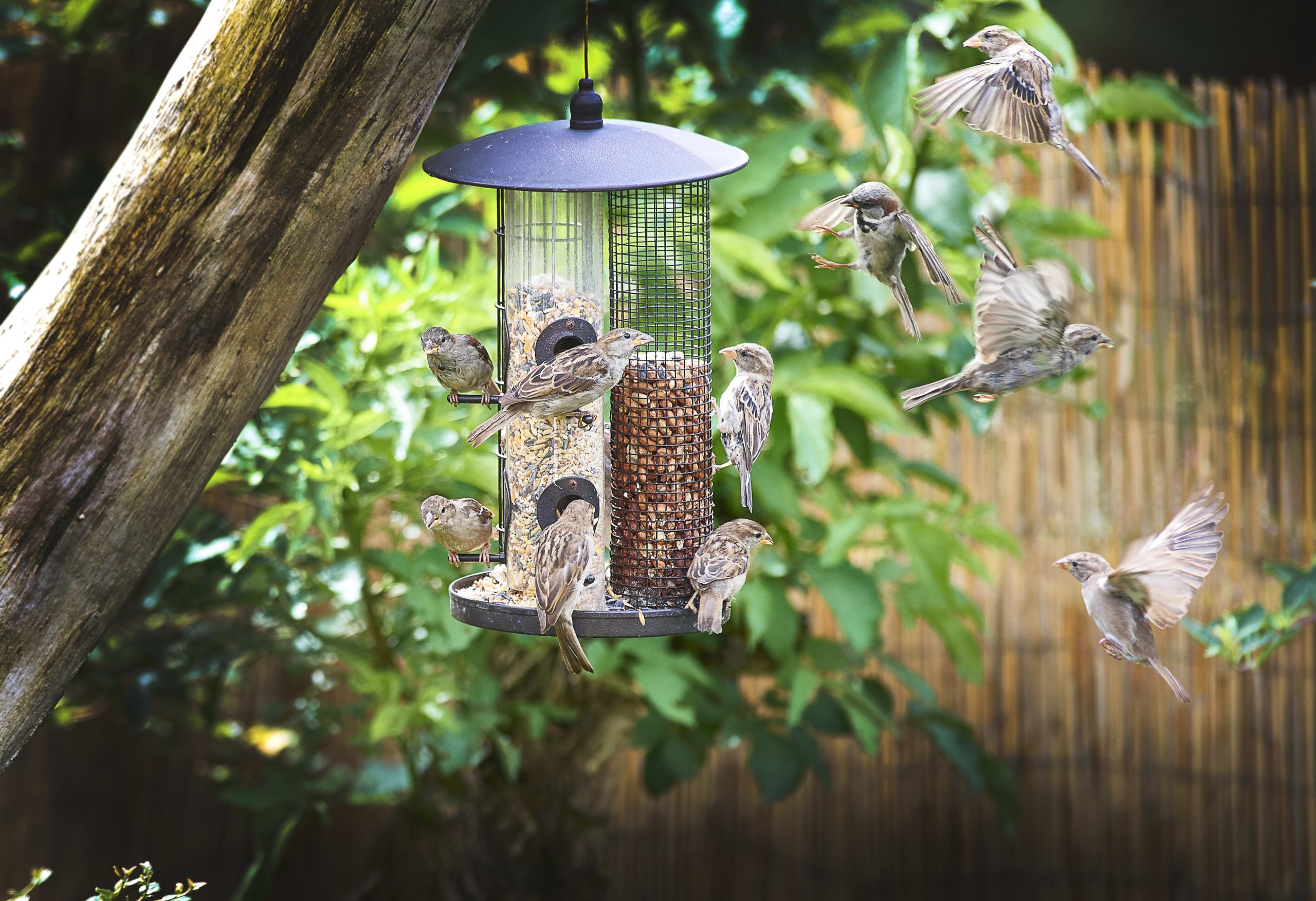
Finding the perfect spot for your bird feeder can make a world of difference. Imagine waking up to the cheerful chirping of birds right outside your window.
You might wonder, “Where is the best location for a bird feeder? ” Choosing the right place is more than just a simple decision; it’s about creating a sanctuary for your feathered friends and bringing nature’s beauty closer to your home.
You’ll discover the secrets to selecting the most inviting spot for your bird feeder. Not only will this choice attract more birds to your backyard, but it will also offer you countless moments of joy and relaxation. Dive into our guide to ensure you don’t miss out on transforming your garden into a vibrant hub of wildlife activity. Let’s explore how you can make the most of this rewarding experience!
Choosing The Right Spot
Choosing the right spot for your bird feeder is key to attracting more feathered visitors and keeping them safe. The location affects how often birds come by and how comfortable they feel while feeding. Let’s look at some important factors to help you pick the perfect place.
Consider Bird Safety
Placing your feeder near cover like shrubs or trees gives birds a quick escape route from predators. Avoid open spaces where cats or hawks can easily spot them. Think about your yard’s layout—can you spot potential dangers that birds might face?
I once hung a feeder too close to a window, and birds kept flying into it. Moving it just a few feet away made a huge difference in their safety and feeding habits.
Balance Sunlight And Shade
Birds enjoy warmth but need shade to cool down. Position your feeder where it gets morning sun and afternoon shade or vice versa. This balance keeps food fresh longer and makes the spot more inviting for birds throughout the day.
Notice how birds often choose shaded feeders on hot days. If your feeder is always baking in the sun, you might see fewer visitors.
Avoid Windy Areas
Strong winds can scatter seeds and make birds nervous. Try to place your feeder in a spot shielded by walls, fences, or dense plants. Calm conditions help birds feed without stress and keep your feeder tidy.
Have you observed birds avoiding windy spots in your yard? Moving feeders to sheltered locations can increase the number of visitors and reduce wasted food.
Visibility And Accessibility
Choosing the right spot for your bird feeder is more than just hanging it anywhere in the yard. Visibility and accessibility are key factors that affect not only how much you enjoy watching birds but also how easy it is to maintain the feeder. Finding a location that offers clear views and simple access can make a big difference in your bird feeding experience.
Easy Viewing From Home
Place your bird feeder where you can watch it comfortably from inside your home. A window in your kitchen or living room works great because you can enjoy bird activity without stepping outside. Have you noticed how much more rewarding it is when you catch a rare bird without missing a beat?
Consider positioning the feeder against a backdrop that makes the birds stand out, like green shrubs or a plain fence. This makes spotting different species easier, even from a distance. You want to make every glance outside count.
Accessible For Refilling
Make sure the feeder is easy to reach for regular cleaning and refilling. Avoid spots that require ladders or squeezing through tight spaces. If you struggle to refill the feeder, you might skip it, which isn’t good for your feathered visitors.
Think about placing the feeder near a door or path you use often. This saves time and effort, especially during busy mornings. You’ll find it easier to keep the feeder full and fresh, encouraging more birds to visit.
Clear Flight Paths
Birds need clear flight paths to approach and leave the feeder safely. Avoid placing feeders too close to windows or busy walkways where birds might get startled. Have you seen birds suddenly change direction to avoid obstacles? It’s stressful for them and less enjoyable for you.
Look for open spaces where birds can spot predators and land smoothly. Trees or shrubs nearby provide perches for resting and quick escapes but don’t block their direct route. This balance helps birds feel safe and keeps your feeder active.
Types Of Bird Feeders And Placement
Choosing the right bird feeder and its placement affects which birds visit your garden. Different feeders attract various bird species. Each feeder type suits specific seeds and bird sizes. Proper placement keeps birds safe and comfortable. This section covers popular feeder types and tips for their ideal spots.
Platform Feeders
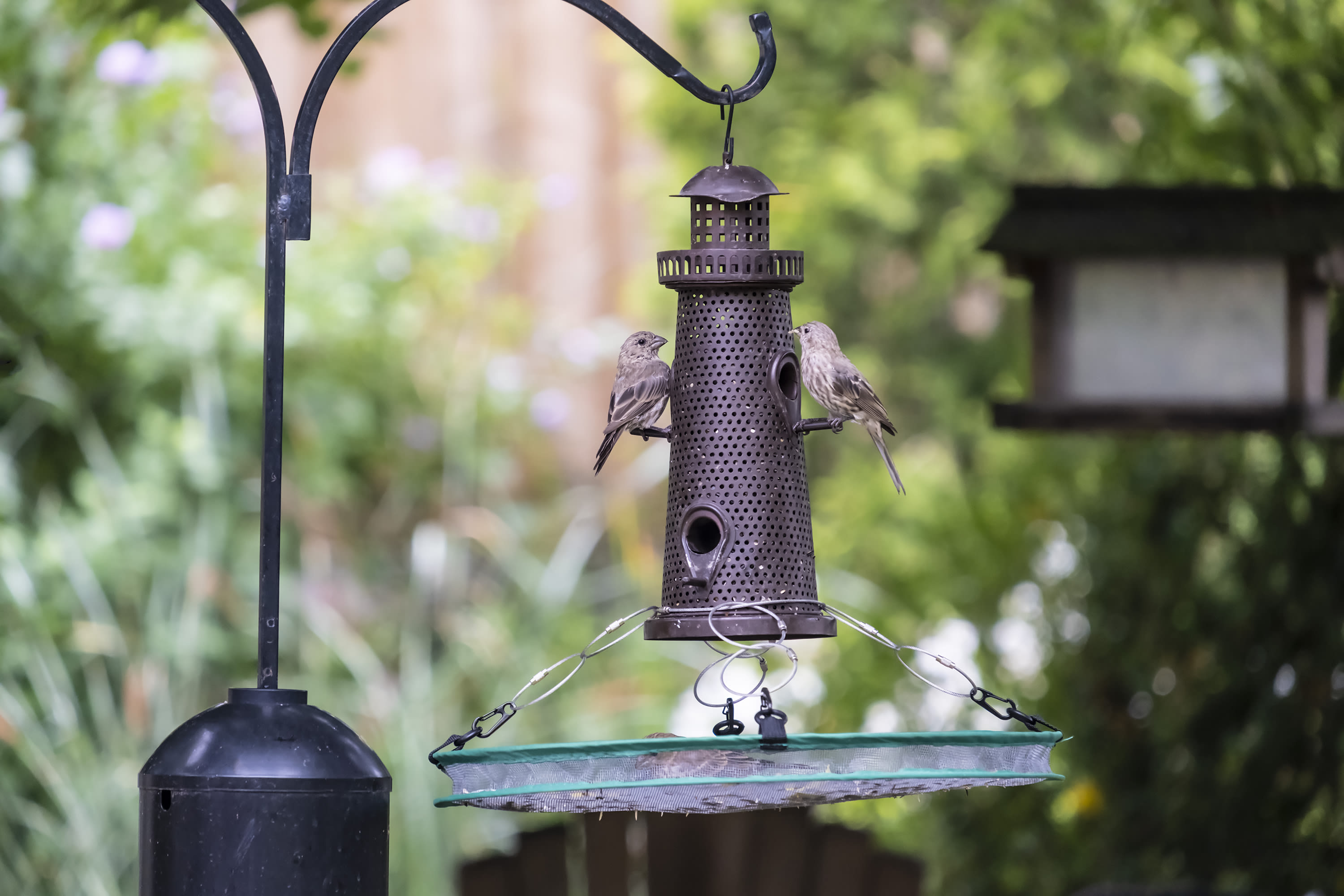
Platform feeders are flat and open, allowing many birds to feed at once. They attract larger birds like cardinals and jays. Place these feeders on poles or hang them from trees. Keep them away from areas where predators can hide. Clean platforms often to prevent disease.
Hopper Feeders
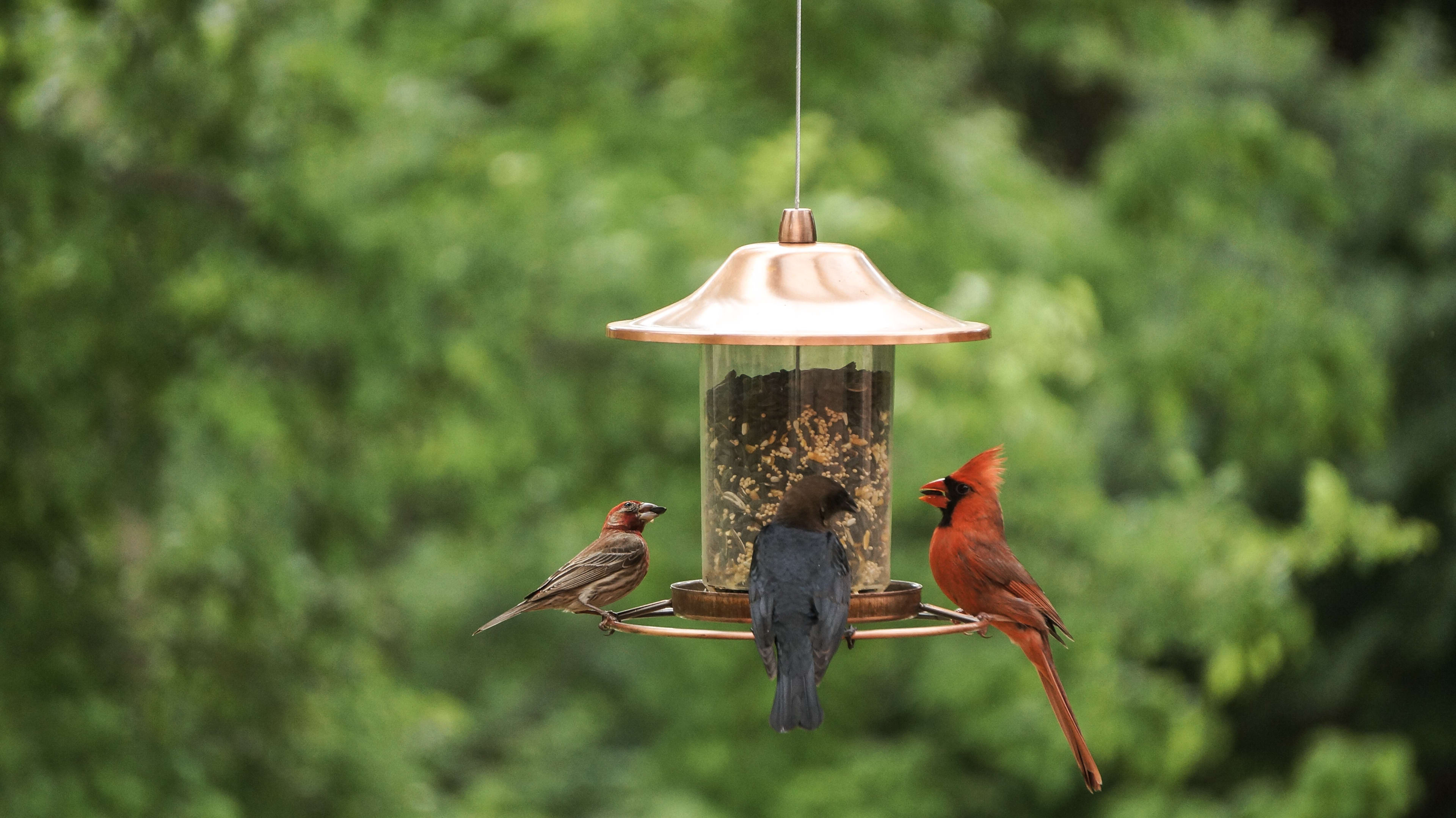
Hopper feeders store seeds inside a covered container. Birds eat from a small tray below. These feeders protect seeds from rain and wind. They attract medium-sized birds like sparrows and finches. Hang hopper feeders at eye level near shrubs or trees for cover.
Tube Feeders
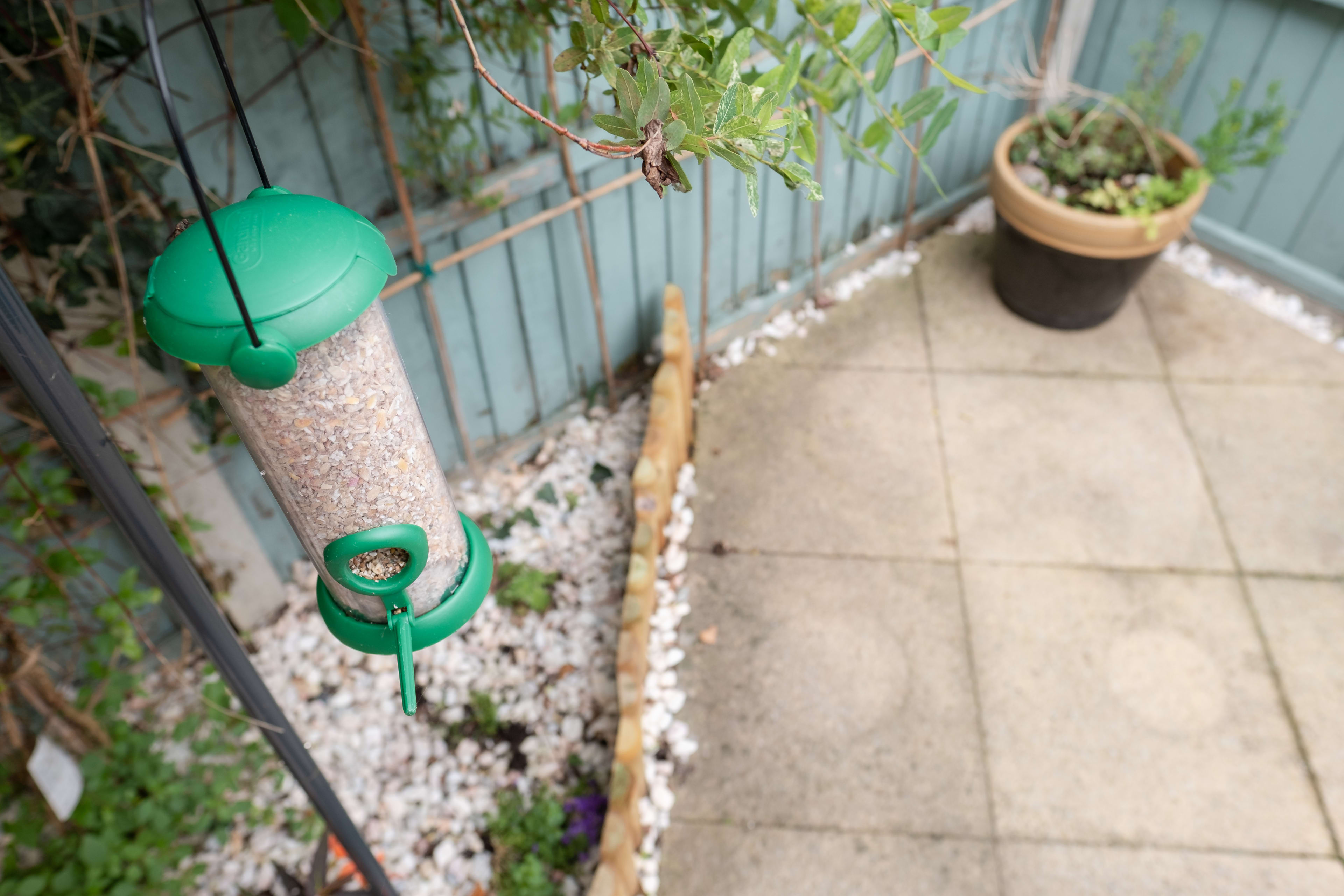
Tube feeders are long and narrow with small feeding ports. They hold seeds like sunflower or thistle. These feeders attract small birds such as chickadees and nuthatches. Hang them on branches or poles away from strong wind. Position near bushes to offer birds shelter.
Suet Feeders
Suet feeders hold blocks of fat mixed with seeds or insects. They attract woodpeckers, nuthatches, and wrens. Hang suet feeders on tree trunks or metal hooks. Place them in shaded areas to prevent melting. Keep them visible for easy bird access.
Credit: dengarden.com
Nearby Vegetation And Shelter
Choosing the right spot for your bird feeder means thinking about more than just visibility and convenience. Nearby vegetation and shelter play a huge role in attracting birds and keeping them safe. Birds are more likely to visit if they feel protected and can easily access food without being exposed to threats.
Attracting Birds With Plants
Plants can act like natural magnets for birds. Native flowers, berry bushes, and seed-producing plants give birds extra food sources alongside your feeder. Adding these plants around your feeding area can turn your yard into a bird-friendly haven.
Think about plants like sunflowers or coneflowers that provide seeds birds love. Even small clusters of herbs like lavender or thyme attract insects, which many birds enjoy hunting. Have you ever noticed how certain birds seem to prefer yards with plenty of greenery? That’s no coincidence.
Providing Cover From Predators
Birds need quick hiding spots to escape from cats, hawks, or other predators. Vegetation offers essential cover that makes birds feel safe while feeding. Without nearby shelter, birds might avoid your feeder altogether.
Dense shrubs and low-hanging branches give birds a chance to dart away at the first sign of danger. You can help by placing feeders near natural thickets or planting fast-growing bushes like privet or holly. Do you want to see more birds linger longer? Offer them a safe retreat.
Using Trees And Shrubs
Trees and shrubs are perfect for providing height and protection. Placing feeders close to these natural structures lets birds perch nearby before and after eating. It also offers lookout points to watch for threats.
Ever tried hanging a feeder near a tall oak or pine? You’ll notice more bird activity because these spots feel secure. Choose a location where branches don’t interfere with the feeder but are close enough for quick cover. What kinds of trees do birds visit most in your area?
Safety From Predators
Keeping your bird feeder safe from predators is crucial to protect the birds you want to attract. Predators like cats, squirrels, and even some larger birds can quickly turn a peaceful feeding spot into a dangerous trap. Making smart choices about where and how you place your feeder can make a big difference in keeping birds safe and encouraging them to visit regularly.
Distance From Cats And Other Predators
Place your bird feeder at least 10 feet away from any place where cats or other predators can hide, such as bushes, fences, or sheds. Cats are skilled hunters and use nearby cover to launch surprise attacks on birds. Keeping feeders in open areas gives birds a clear line of sight to spot danger early.
Think about your yard’s layout. Are there spots where a cat could easily crouch and wait? Avoid those areas. You want to give birds plenty of space to escape if needed.
Avoiding Window Collisions
Birds often fly straight into windows because they see reflections of trees or sky. To prevent this, place feeders either very close (less than 3 feet) or quite far (more than 30 feet) from windows. If feeders are close, birds can’t build up enough speed to hurt themselves if they hit the glass.
Consider adding decals or netting to windows near feeders to reduce reflections. Have you noticed birds hitting your windows? Making these small changes can save many lives.
Using Baffles And Guards
Baffles and guards are great tools to keep predators away from your feeder. These devices are usually cone-shaped or cylindrical and placed above or below feeders to block climbing animals like squirrels and cats.
- Install a baffle on the pole supporting your feeder to stop animals from climbing up.
- Use guards around hanging feeders to make it harder for predators to reach the birds.
When I added a baffle to my feeder pole, I noticed more bird visits and fewer predator attempts within days. It’s a simple addition that protects your feathered friends and keeps your feeder full.
Credit: dengarden.com
Seasonal Considerations
Seasonal changes affect the best spot for a bird feeder. Birds’ needs shift throughout the year. Weather, food availability, and safety influence their feeding habits. Adjusting the feeder’s location helps attract more birds. It also protects them from harsh weather.
Adjusting Location For Weather
Wind direction matters. Place feeders near natural windbreaks like shrubs or trees. This protects birds from cold winds and rain. Avoid spots that get full sun in summer to prevent overheating. In winter, southern exposure can help keep feeders ice-free. Moving feeders closer to shelter supports birds during storms.
Winter Feeding Tips
Choose a location with cover nearby. Evergreens or dense bushes provide shelter from snow and predators. Keep feeders away from icy surfaces to prevent slips. Offer high-energy foods like sunflower seeds and suet. Place feeders where sunlight can warm the area during the day. Regularly clear snow and ice for easy access.
Summer Placement Strategies
Place feeders in shaded areas to keep food fresh. Birds need water and food during hot weather. Position feeders near water sources like birdbaths. Avoid spots with heavy insect activity. Keep feeders away from dense vegetation to reduce predator risk. Change feeder location if pests become a problem.
Common Mistakes To Avoid
Choosing the right spot for a bird feeder helps attract birds safely. Many bird lovers make simple errors that scare birds away or harm them. Avoiding these mistakes keeps birds happy and healthy. Here are common errors to watch out for when placing your feeder.
Placing Feeders Too Close To Windows
Birds often fly into windows because they cannot see glass. Putting feeders near windows increases this risk. Birds may hit the glass hard and get hurt. Keep feeders at least three feet away from windows. If space is limited, use decals or screens on windows to reduce reflections.
Ignoring Cleanliness
Dirty feeders spread diseases among birds. Old seeds, husks, and droppings attract pests and mold. Clean feeders every two weeks with warm water and mild soap. Rinse well and let them dry before refilling. Regular cleaning protects birds and encourages them to return.
Selecting Unsafe Locations
Predators like cats and squirrels threaten birds at feeders. Avoid placing feeders too low or near dense bushes where predators hide. Choose open areas with some nearby cover for birds to escape quickly. Safe spots help birds feel secure while feeding.
Credit: dengarden.com
Frequently Asked Questions
Where Should I Place A Bird Feeder For Best Visibility?
Place the bird feeder near a window for easy viewing. Choose a spot with clear sightlines but away from heavy foot traffic to avoid disturbing birds. This allows you to enjoy birdwatching safely and comfortably.
How Far Should A Bird Feeder Be From Trees?
Position bird feeders 10 to 15 feet away from trees. This distance helps protect birds from predators like cats. It also provides nearby shelter while giving birds enough space to feel safe.
What Is The Ideal Height For A Bird Feeder?
Mount the bird feeder 4 to 6 feet above the ground. This height deters predators and keeps the feeder accessible for most bird species. It also makes refilling and cleaning easier.
Should I Place Bird Feeders In Sunny Or Shaded Areas?
Place feeders in partial shade to prevent seed spoilage. Shade helps keep seeds fresh longer and attracts more birds. Avoid placing feeders in direct, harsh sunlight for extended periods.
Conclusion
Choosing the best spot for a bird feeder helps birds visit often. Place it near trees or bushes for safety and shade. Keep it visible so you can enjoy watching the birds. Avoid areas with heavy wind or too much sun.
Clean the feeder regularly to keep birds healthy. A good location makes feeding birds easier and more fun. Try different spots to see what works best. Happy bird watching!