
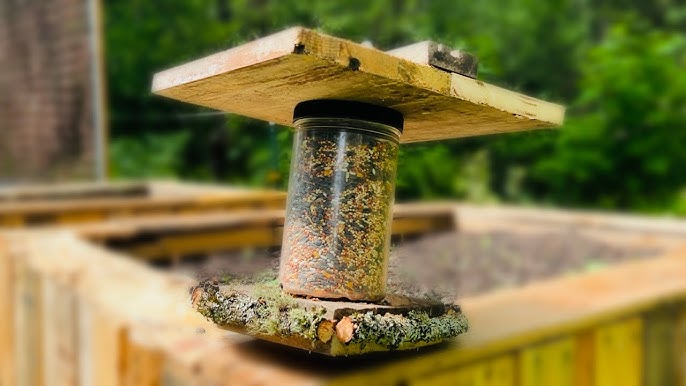
Do you love watching colorful birds visit your garden? Imagine having a simple, homemade bird feeder that brings these beautiful creatures right to your window.
Making your own bird food feeder is easier than you think—and it’s a rewarding way to connect with nature every day. In this guide, you’ll learn step-by-step how to create a feeder that attracts a variety of birds, using materials you might already have at home.
Ready to welcome more feathered friends and enjoy their cheerful visits? Let’s get started!
Choosing The Right Feeder Type
Choosing the right feeder type is key to attracting the birds you want and making your feeder last longer. Different feeders suit different bird species and seed types. Think about the birds you enjoy watching and the kind of seeds you want to offer before deciding.
Tube Feeders
Tube feeders are slim and cylindrical, perfect for small seeds like sunflower or nyjer. They usually have multiple feeding ports, allowing several birds to eat at once.
These feeders are great if you want to attract finches, chickadees, or nuthatches. I once switched to a tube feeder and noticed a steady stream of lively finches visiting daily.
Platform Feeders
Platform feeders provide an open, flat surface to place any type of food, including seeds, fruits, or mealworms. They attract a wide range of birds because of their versatility.
However, these feeders can also invite squirrels and larger birds, so placing them strategically is important if you want to control who visits.
Hopper Feeders
Hopper feeders store a good amount of seed and release it gradually onto a platform below. This design keeps the seeds dry and protected from weather.
If you want a feeder that needs less frequent refilling but still attracts many birds like cardinals and jays, a hopper feeder is a solid choice.
Suet Feeders
Suet feeders hold blocks of fat mixed with seeds or insects, perfect for energy-hungry birds during colder months. Woodpeckers, wrens, and chickadees love these feeders.
Adding a suet feeder can bring exciting woodpecker visits to your yard, something I experienced after placing one near a tree trunk last winter.
Gathering Materials
Gathering materials is the first step to making a bird food feeder. Choosing the right items ensures the feeder is safe and lasts long. Simple materials can turn into a useful bird feeder with creativity and care.
Recyclable Items
- Empty plastic bottles
- Old tin cans
- Used wooden pallets
- Cardboard boxes
- Glass jars with lids
These items reduce waste and save money. They provide a sturdy base for feeders and can be easily cleaned.
Basic Tools
- Scissors or utility knife
- Drill or screwdriver
- Sandpaper
- Glue or strong tape
- String or wire for hanging
Basic tools help shape and secure the feeder parts. Sandpaper smooths rough edges for bird safety.
Safety Supplies
- Protective gloves
- Safety glasses
- Mask to avoid dust
Safety supplies protect hands and eyes during cutting or drilling. Wearing them keeps the project safe and enjoyable.
Step-by-step Construction
Building a bird food feeder at home is a fun and simple project. It brings birds closer to your garden and offers them a safe place to eat. This guide breaks down the process into clear steps. Follow along to create a sturdy, attractive feeder that birds will love.
Preparing The Base
Start with a flat, strong piece of wood or a thick plastic board. The base must be large enough to hold seeds and support the feeder’s structure. Sand the edges to avoid sharp corners. Drill small holes in the corners for hanging or mounting later. Make sure the base is clean and dry before moving on.
Assembling Parts
Gather the sides of the feeder. Use wood, plastic, or recycled materials like old containers. Attach the sides securely to the base using nails, screws, or strong glue. Ensure all parts fit tightly to keep seeds inside. Check the structure for stability. It should not wobble or lean.
Adding Feeding Ports
Create feeding ports where birds can access the seeds easily. Cut small holes or slots on the sides or front of the feeder. The openings should be big enough for birds to reach in but small enough to reduce seed spillage. Optionally, add small perches near the ports for birds to land on. Smooth the edges around the openings for safety.
Finishing Touches
Apply a bird-safe paint or sealant to protect the feeder from weather. Avoid toxic materials. Allow the feeder to dry completely before use. Attach a strong string or wire through the base holes to hang the feeder securely. Place the feeder where birds can see it but stay safe from predators. Fill it with fresh birdseed and enjoy watching your feathered visitors.

Credit: www.familyhandyman.com
Choosing Bird-friendly Seeds
Choosing the right seeds for your bird feeder makes a huge difference in attracting a variety of birds to your garden. Not all seeds are created equal, and selecting bird-friendly options ensures you provide nutritious and safe food. This can help you enjoy more visits from your feathered friends and support their health throughout the year.
Popular Seed Types
Black oil sunflower seeds are a top choice because many bird species love them. Their thin shells make it easy for small birds to crack open.
Millet, especially white proso millet, attracts ground feeders like sparrows and doves. It’s small, light, and perfect for those who prefer to feed on the ground.
Nyjer seeds are tiny but packed with energy and favored by finches. You’ll need a special feeder with small holes to keep these seeds from spilling out.
- Safflower seeds are a great option if you want to keep squirrels away—they don’t like the taste, but many birds do.
- Cracked corn is popular with larger birds like jays and pigeons, but be careful not to offer too much as it can attract pests.
Seasonal Considerations
Your seed choices should change with the seasons to meet birds’ shifting nutritional needs. In winter, offer high-fat seeds like sunflower and safflower to help birds stay warm.
During spring and summer, birds need more protein for nesting and raising chicks. You might add mealworms or cracked nuts to support this phase.
Fall is a good time to provide mixed seeds to help birds build energy reserves for migration or winter survival.
Are you ready to adjust your feeder menu as the seasons change? Observing which birds visit and when can guide your seed selection.
Avoiding Harmful Ingredients
Some seed mixes contain fillers like red millet, oats, or wheat that birds often ignore. These can lead to wasted food and attract unwanted pests.
Steer clear of seeds treated with pesticides or chemicals, which can harm birds or other wildlife. Always buy from reputable sources.
Salted or flavored seeds are a no-go. Birds’ digestive systems are sensitive, and added salt or artificial flavors can cause illness.
Have you ever seen birds avoid a feeder? It might be time to check the seed quality and ingredients to keep your visitors safe and happy.
Placing Your Feeder
Placing your bird feeder correctly can make all the difference in attracting a variety of birds and keeping them safe. Where and how you position your feeder influences not just the number of visitors but also their comfort and safety. Let’s dive into some practical tips to help you find the perfect spot for your feeder.
Ideal Locations
Choose a spot visible from your window so you can enjoy watching the birds without disturbing them. Near trees or shrubs is great because birds like to perch nearby before and after feeding. However, avoid placing feeders too close to windows to reduce the risk of bird collisions.
Think about sunlight and wind exposure too. A spot with morning sun warms the feeder and helps dry the seeds, preventing mold. Avoid areas with strong winds that might scatter the food or scare the birds away.
Mounting Tips
Secure your feeder firmly to prevent it from swinging in the wind or falling. Use sturdy hooks, poles, or brackets designed for feeders. If you hang it from a branch, choose a healthy, strong limb that can support the weight safely.
Keep the feeder at a comfortable height—about 5 to 6 feet off the ground works well for most backyard birds. This height makes it easy for you to refill and clean while keeping the food out of reach of some pests.
Safety From Predators
Protect your feathered friends by placing feeders away from areas where cats or other predators can hide. Avoid spots near dense bushes or fences where predators might lurk. Open spaces with a clear view allow birds to spot danger early.
Consider adding baffles or guards on poles to stop squirrels and climbing predators. Reflect on your yard’s layout—are there safe flight paths for birds to reach the feeder quickly? Ensuring safety encourages more visits and keeps your birds coming back.
Maintaining Your Feeder
Keeping your bird feeder in good shape is key to attracting healthy, happy birds to your yard. A well-maintained feeder not only lasts longer but also prevents the spread of diseases among the birds. How often do you think about the care routine your feeder needs to stay inviting and safe?
Regular Cleaning
Cleaning your feeder regularly stops mold, bacteria, and old seeds from building up. Use warm water and mild soap to scrub the feeder at least once every two weeks. Rinse thoroughly and let it dry completely before refilling to avoid any leftover moisture that could spoil the seeds.
If you notice droppings or mold, clean it immediately. Even a quick wipe-down every few days can make a big difference in keeping your feathered visitors healthy.
Refilling Schedule
Keeping your feeder stocked with fresh food is crucial. Check your feeder daily to refill it, especially during cold months when birds rely on feeders more. But avoid overfilling, as leftover seeds can attract unwanted pests or rot.
Try to match the amount of food to the number of visitors you usually get. This prevents waste and keeps the food fresh, which is more appealing to birds.
Protecting From Weather
Weather can quickly damage your feeder and the food inside. Position your feeder where it gets some shelter from rain and strong winds, like under a tree or a porch roof. Consider adding a small roof or cover to shield the seeds from moisture.
Cold weather might cause seeds to clump or freeze, so use feeders designed to handle different seasons. Have you noticed your feeder’s condition change after storms or heavy rain? Adjusting its location can help it last much longer.
Attracting Different Bird Species
Attracting a variety of bird species to your feeder adds life and color to your outdoor space. Different birds have distinct preferences for food, water, and shelter. Understanding these preferences helps you create a welcoming environment that keeps them coming back season after season.
Using Specific Seeds
Different birds prefer different seeds. Sunflower seeds attract cardinals and chickadees, while nyjer seeds bring in finches. Peanuts are favorites of woodpeckers and jays.
Try mixing seeds or offering several feeders with specific seeds. This lets you see which birds visit and encourages a diverse crowd. Have you noticed how some birds ignore certain seeds entirely? That’s your clue to adjust what you offer.
Adding Water Sources
Birds need fresh water for drinking and bathing. A shallow birdbath or a small fountain can make your feeder area more inviting. Moving water especially grabs their attention.
Keep the water clean and change it regularly to prevent mosquitoes. Even a simple dripping faucet can attract curious birds. What type of water feature could you add that fits your space?
Creating A Bird-friendly Habitat
Birds feel safer when they have places to hide and rest. Planting native shrubs, trees, and flowers near your feeder provides shelter and natural food. Dense bushes offer protection from predators.
Adding nesting boxes or leaving dead trees standing can encourage birds to settle nearby. Think about what your yard currently lacks—is it cover, food, or water? Small changes in your landscape can make a big difference in which species visit.

Credit: www.willyswilderness.org

Credit: www.youtube.com
Frequently Asked Questions
What Materials Do I Need To Make A Bird Food Feeder?
You need wood or recycled plastic, nails or screws, a saw, sandpaper, and birdseed. Optional items include paint and rope for hanging. Ensure materials are safe and weather-resistant for durability and bird safety.
How Do I Choose The Best Location For My Bird Feeder?
Place the feeder where birds feel safe, near trees or shrubs for cover. Avoid busy areas or direct sunlight. Ensure easy access for refilling and cleaning to maintain bird health and feeder longevity.
What Types Of Bird Food Work Best In Feeders?
Use seeds like sunflower, millet, or nyjer for most birds. Suet cakes attract insect-eaters. Avoid bread or processed food. Choose food based on local bird species’ preferences for best results.
How Often Should I Clean My Bird Food Feeder?
Clean feeders every two weeks or more often in wet weather. Use warm soapy water and rinse well. Regular cleaning prevents mold and disease, keeping birds healthy and feeder inviting.
Conclusion
Creating a bird food feeder is fun and rewarding. Birds will love your homemade feeder. It brings nature closer to your home. You can enjoy watching birds every day. The materials are simple and easy to find. Building a feeder helps support local wildlife.
It also provides a learning experience. Share this activity with family or friends. Everyone can enjoy the process together. Remember to keep feeders clean and filled. This ensures a healthy environment for birds. Start today and make a difference in your backyard!