
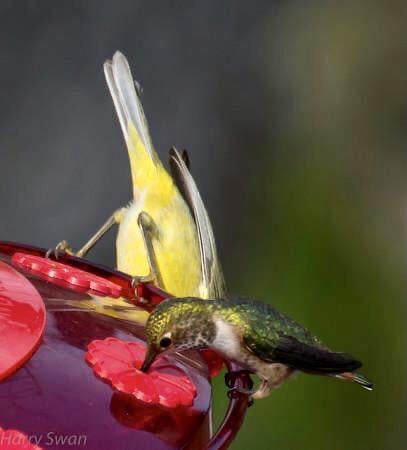
Have you ever wondered who else might visit your hummingbird feeder besides the tiny, colorful birds you expect? You’re not alone.
Many people set up feeders hoping to attract hummingbirds, only to find surprising visitors stopping by for a sip. Knowing which other birds will eat from your hummingbird feeder can help you understand your backyard better and decide how to manage your feeder.
Keep reading to discover the unexpected feathered guests that might be sharing your hummingbird’s favorite treat.
Common Hummingbird Feeder Visitors
Hummingbird feeders attract more than just hummingbirds. Various bird species are drawn to the sweet nectar, each bringing their own charm and behavior to your backyard. Observing these visitors can give you a richer understanding of local wildlife and their feeding habits.
Orioles And Their Sweet Tooth
Orioles are some of the most colorful visitors you’ll see at a hummingbird feeder. Their attraction to nectar is strong, and they often visit feeders designed specifically for them. Orioles prefer feeders with larger perches, allowing them to feed comfortably without crowding out smaller birds.
If you’ve ever watched an oriole delicately sip nectar, you’ve seen their sweet tooth in action. They don’t just drink nectar; they also enjoy fruit and insects, making your feeder a small buffet. Consider adding orange halves to your setup to attract these bright birds even more.
House Finches Enjoying Nectar
House Finches are common backyard birds that quickly learn to visit hummingbird feeders. While they mainly eat seeds, their curiosity about nectar can lead them to sip from your feeder. These birds are adaptable and may linger around feeders, so it’s important to keep nectar fresh to prevent spoilage.
Unlike hummingbirds, House Finches often feed in groups, which might create some competition at your feeder. Watching their social behavior can be fascinating, as they chirp and interact while sharing the sweet treat. Have you noticed how they sometimes prefer feeders with more open designs?
Woodpeckers At The Feeder
Woodpeckers are surprising but frequent visitors to hummingbird feeders. Species like the Downy and Red-bellied Woodpecker enjoy the sugary nectar, especially during colder months. They use their strong beaks to access the nectar and often perch on the feeder for longer periods.
Woodpeckers can be quite bold, sometimes chasing away smaller birds. To accommodate them, try placing feeders in areas with nearby trees, allowing them to feel safe. Have you ever noticed a woodpecker’s unique way of balancing while feeding? It’s a reminder that feeders can attract a diverse bird community beyond just hummingbirds.
Unexpected Guests At Hummingbird Feeders
Hummingbird feeders often attract more than just hummingbirds. Many other creatures find the sweet nectar irresistible. These unexpected guests add life and variety to your backyard. Watching them can be just as enjoyable as spotting the tiny hummingbirds themselves.
Butterflies And Moths
Butterflies love the nectar from hummingbird feeders. Their long tongues help them reach deep inside the feeder ports. Moths, especially at dusk, also visit for a quick sip. Their delicate wings and slow movements contrast with the fast hummingbirds. Both are gentle guests and usually do not harm the feeder.
Ants And Other Insects
Ants are common visitors to hummingbird feeders. They crawl along the feeder seeking the sugary nectar. Many people add ant guards to keep them away. Other insects like bees and wasps may also try to drink. These insects can be persistent but often leave once the nectar is gone.
Sparrows And Other Small Birds
Small birds such as sparrows sometimes visit hummingbird feeders. They are attracted to the easy food source. Unlike hummingbirds, they often perch on the feeder itself. These birds can be noisy and pushy but usually only take small sips. Their visits add unexpected energy to your garden.
Why Other Birds Are Attracted To Feeders
Hummingbird feeders often attract more than just hummingbirds. Many other bird species find these feeders appealing for different reasons. Understanding why can help you manage your feeder to support a variety of birds without discouraging your favorite visitors.
Sugar Content And Energy Needs
The nectar in hummingbird feeders is rich in sugar, providing a quick energy boost. Many small birds, like orioles and woodpeckers, need this kind of energy, especially during long flights or cold mornings.
Have you noticed chickadees or titmice visiting your feeder? They crave the same sugary fuel to stay active. This simple nectar offers an easy meal, saving them time and effort compared to searching for insects or berries.
Competition And Territory
Birds are naturally competitive, especially when food is limited. Feeders become hotspots where different species test boundaries and claim territories.
Sometimes, more aggressive birds, such as house finches or starlings, take over feeders. This competition can push smaller birds away or change their feeding times. Watching these interactions can reveal a lot about local bird behavior.
Seasonal Changes And Food Scarcity
During colder months or droughts, natural food sources shrink. Feeders become vital feeding stations for birds facing scarcity.
In winter, you might see unexpected visitors like jays or grosbeaks at your hummingbird feeder. They turn to any available food to survive harsh conditions. Providing clean, fresh nectar can be a lifeline during these tough periods.

Credit: www.reddit.com
Tips To Manage Non-hummingbird Visitors
Managing non-hummingbird visitors at your feeder can feel like a balancing act. While it’s exciting to see a variety of birds, some visitors might scare away hummingbirds or quickly drain your nectar supply. The good news is you can take steps to welcome hummingbirds while gently discouraging others.
Choosing The Right Feeder Design
Pick feeders with smaller feeding ports that match a hummingbird’s tiny beak. Avoid large openings that invite bees, ants, or bigger birds like sparrows and finches. Some feeders have built-in bee guards or ant moats—these features can reduce unwanted guests.
I once switched to a feeder with deeper, narrow ports and noticed fewer visits from aggressive birds. Your feeder’s color matters too; hummingbirds are attracted to red, but using too much yellow or orange can lure bees. Try a simple red feeder without extra bright colors for better results.
Placement Strategies
Where you put your feeder makes a big difference. Hang it away from feeders for other birds and noisy areas. Place it near flowers or shrubs that hummingbirds like, which makes them feel safe and welcome.
If you notice squirrels or larger birds dominating your feeder, try moving it higher or using baffles to block their access. Positioning the feeder in a spot with some shade also slows nectar fermentation, keeping it fresh longer. Could changing your feeder’s location encourage more hummingbirds to visit?
Feeder Maintenance And Cleaning
Clean your feeder at least once a week, or more often in hot weather. Old nectar attracts mold and bacteria that can harm hummingbirds and invite ants and bees. Use a mild soap and hot water, and rinse thoroughly to avoid residue.
Regularly check for leaks or cracks that allow ants to enter. Keeping your feeder spotless is one of the simplest ways to keep hummingbirds coming back—and keep others at bay. Have you noticed a difference in visitor behavior after cleaning your feeder?
Benefits And Challenges Of Sharing Feeders
Sharing your hummingbird feeder with other birds can bring both rewards and challenges. While it opens up opportunities to support a variety of wildlife, it also requires attention to potential issues that may arise. Understanding these benefits and challenges helps you create a better feeding environment for all visitors.
Supporting Diverse Wildlife
When you fill your feeder, you might notice more than just hummingbirds arriving. Orioles, bees, butterflies, and even some small songbirds may find the nectar appealing. This diversity adds excitement to your backyard and encourages a richer ecosystem.
You contribute to the survival of these species, especially during scarce food seasons. Plus, watching different birds interact around the feeder can deepen your connection to nature. Have you ever spotted a rare bird while checking your hummingbird feeder?
Potential Feeder Damage
Not all visitors are gentle. Larger birds, like starlings or squirrels, might damage the feeder by knocking it over or chewing on parts. This damage can lead to frequent repairs or replacements, which might frustrate you.
Keeping your feeder in good shape means choosing durable materials and proper placement. Consider installing baffles or guards to deter unwanted visitors. What steps can you take today to protect your feeder without limiting the birds you want to attract?
Impact On Hummingbird Behavior
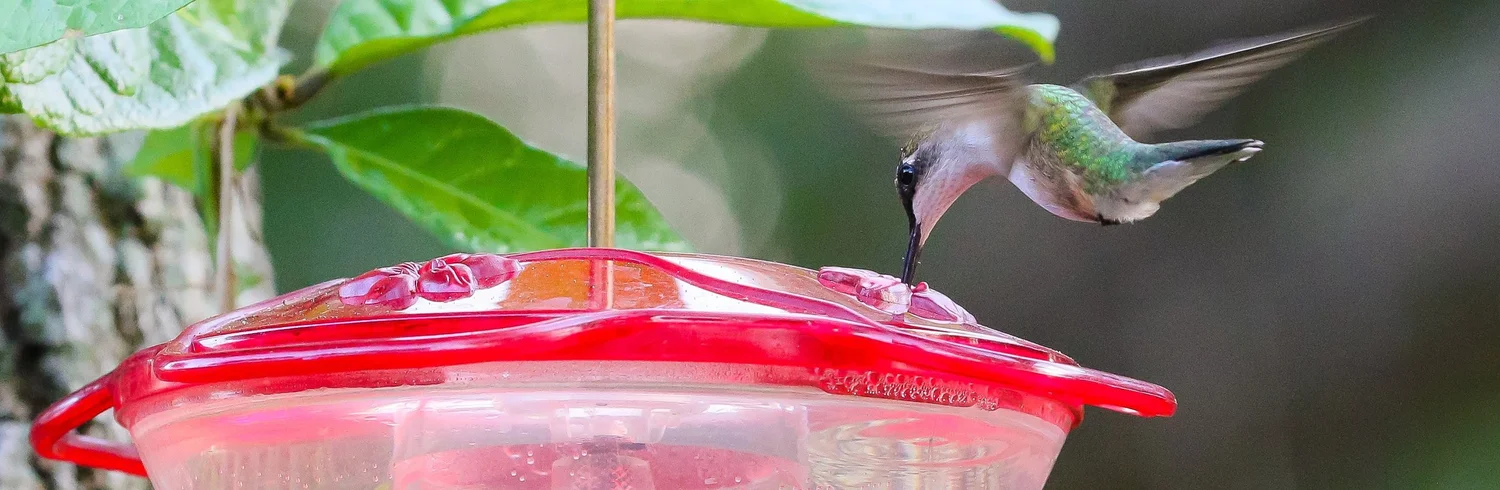
Sharing feeders can change how hummingbirds behave. They might become more territorial or aggressive to defend their food source from other birds. This can lead to increased competition and stress for the hummingbirds visiting your feeder.
To help, provide multiple feeders spaced apart. This reduces conflicts and allows hummingbirds to feed calmly. Have you noticed changes in hummingbird activity when other birds crowd the feeder?
Credit: tropicalaudubon.org

Credit: www.reddit.com
Frequently Asked Questions
What Other Birds Visit Hummingbird Feeders?
Orioles, woodpeckers, and bees often visit hummingbird feeders. These birds are attracted by the sweet nectar, especially in warmer months when natural food is scarce.
Can Orioles Eat From Hummingbird Feeders?
Yes, orioles love the nectar in hummingbird feeders. They prefer larger feeder ports and often feed alongside hummingbirds without conflict.
Do Woodpeckers Drink From Hummingbird Feeders?
Woodpeckers sometimes feed from hummingbird feeders. They are attracted to the sugary nectar and may perch on the feeder for a quick drink.
Are Hummingbird Feeders Safe For Other Birds?
Hummingbird feeders are generally safe for other nectar-feeding birds. However, regular cleaning is essential to prevent mold and bacteria that can harm all visitors.
Conclusion
A hummingbird feeder attracts more than just hummingbirds. Many birds enjoy the sweet nectar. These include orioles, woodpeckers, and house finches. Each bird brings unique charm and color to your garden. Watching them can be a delightful experience. To attract a variety of birds, keep feeders clean and filled.
Observe their different behaviors and interactions. This adds excitement to birdwatching. Sharing your garden with different species enriches nature’s beauty. Enjoy the lively activity around your feeder. It’s a wonderful way to connect with nature. Experience the joy of welcoming diverse birds to your space.