
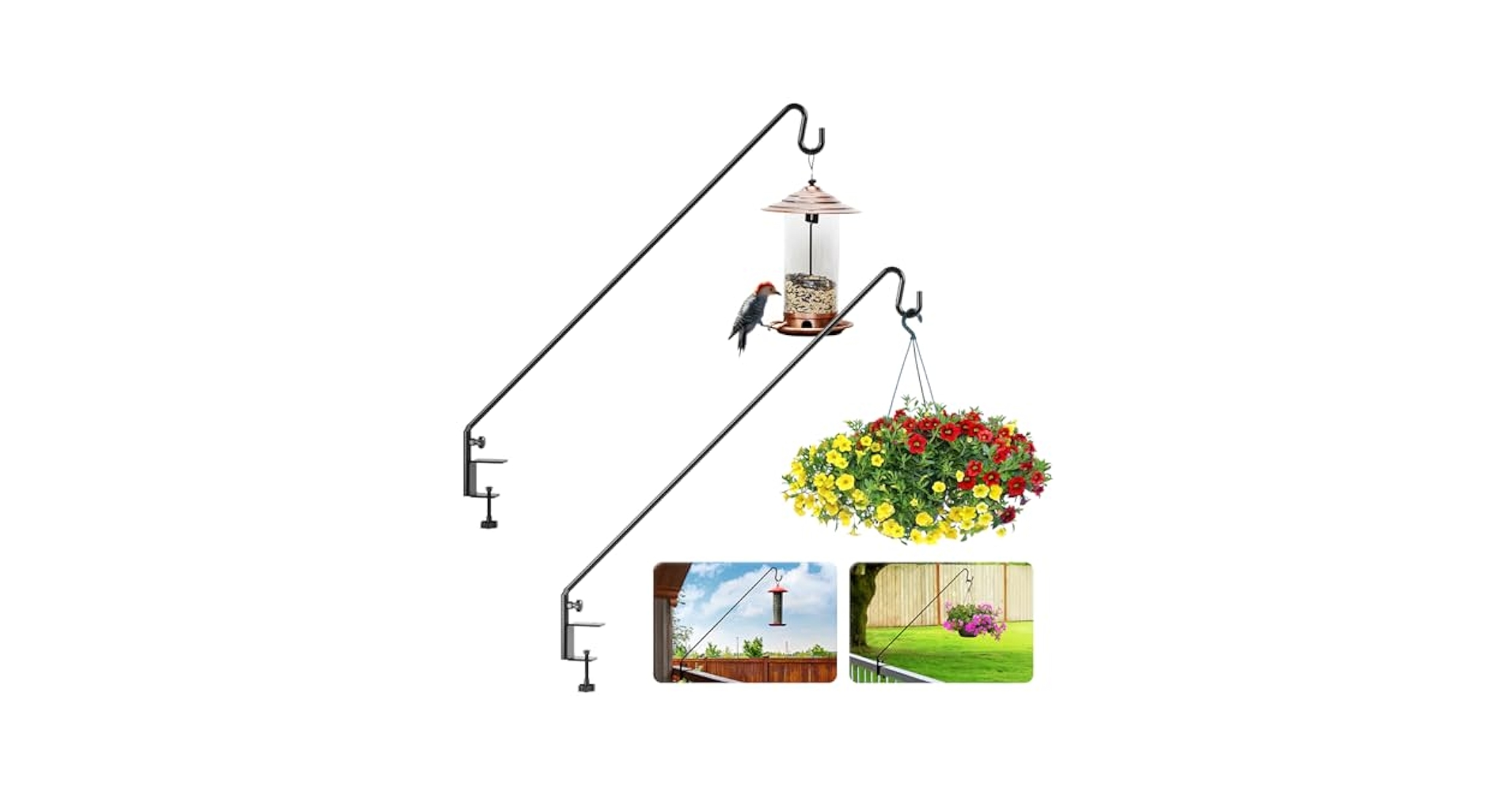
Hanging a bird feeder off your second-story brick deck might sound tricky, but it’s easier than you think. Imagine enjoying colorful birds right outside your window, adding life and joy to your space.
You want a safe, sturdy setup that won’t damage your brick or fall down in the wind. In this guide, you’ll learn simple, step-by-step tips to hang your feeder securely and attract feathered friends to your home. Ready to bring nature closer to you?
Keep reading, and let’s make it happen.
Choosing The Right Bird Feeder
Choosing the right bird feeder is important for attracting birds to your second story brick deck. The feeder must be practical and safe for outdoor use. It should also fit the space and suit the types of birds you want to see. This helps create a welcoming spot for birds and makes feeding easier for you.
Types Of Bird Feeders
Bird feeders come in many shapes and styles. Each type attracts different birds and holds different kinds of food.
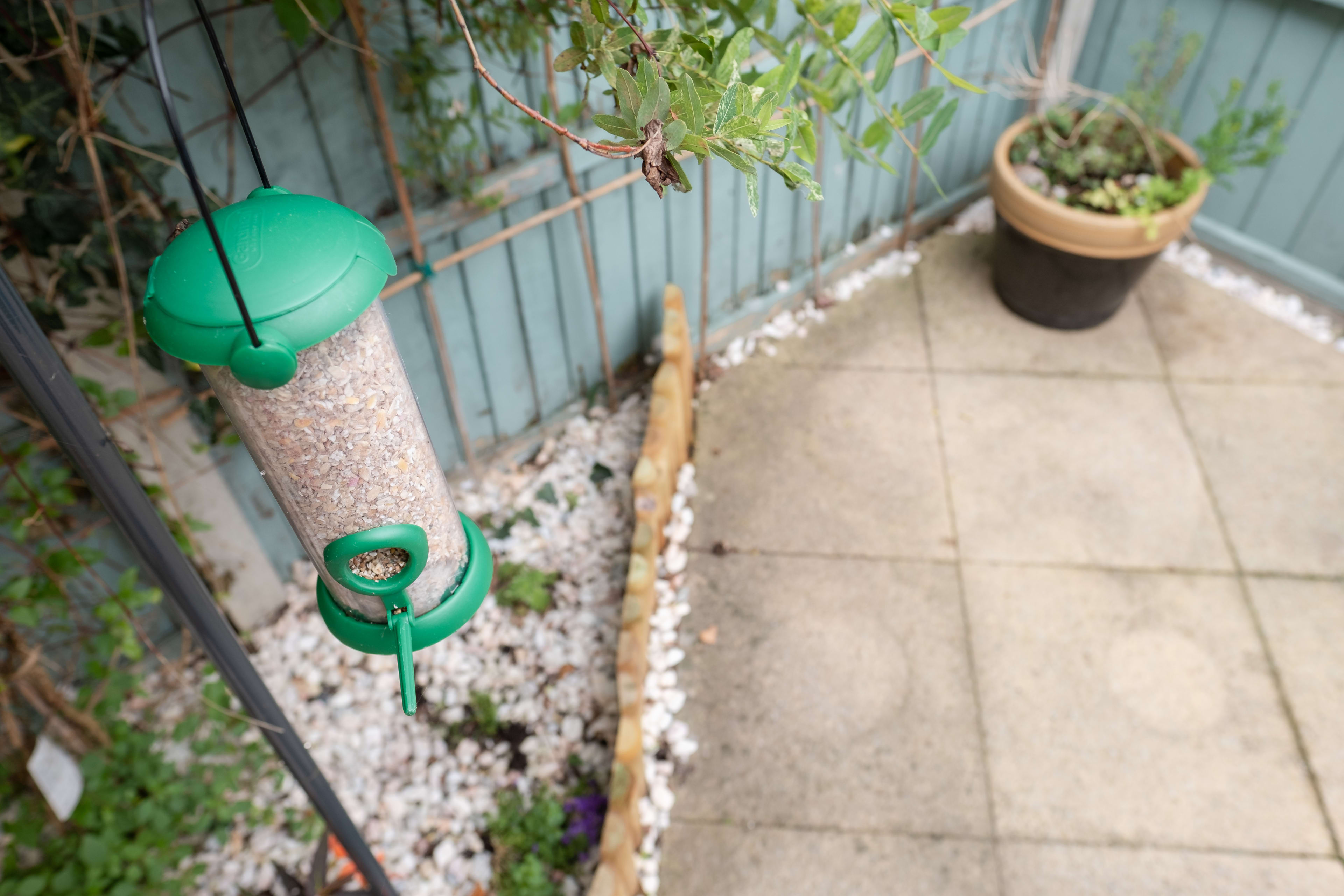
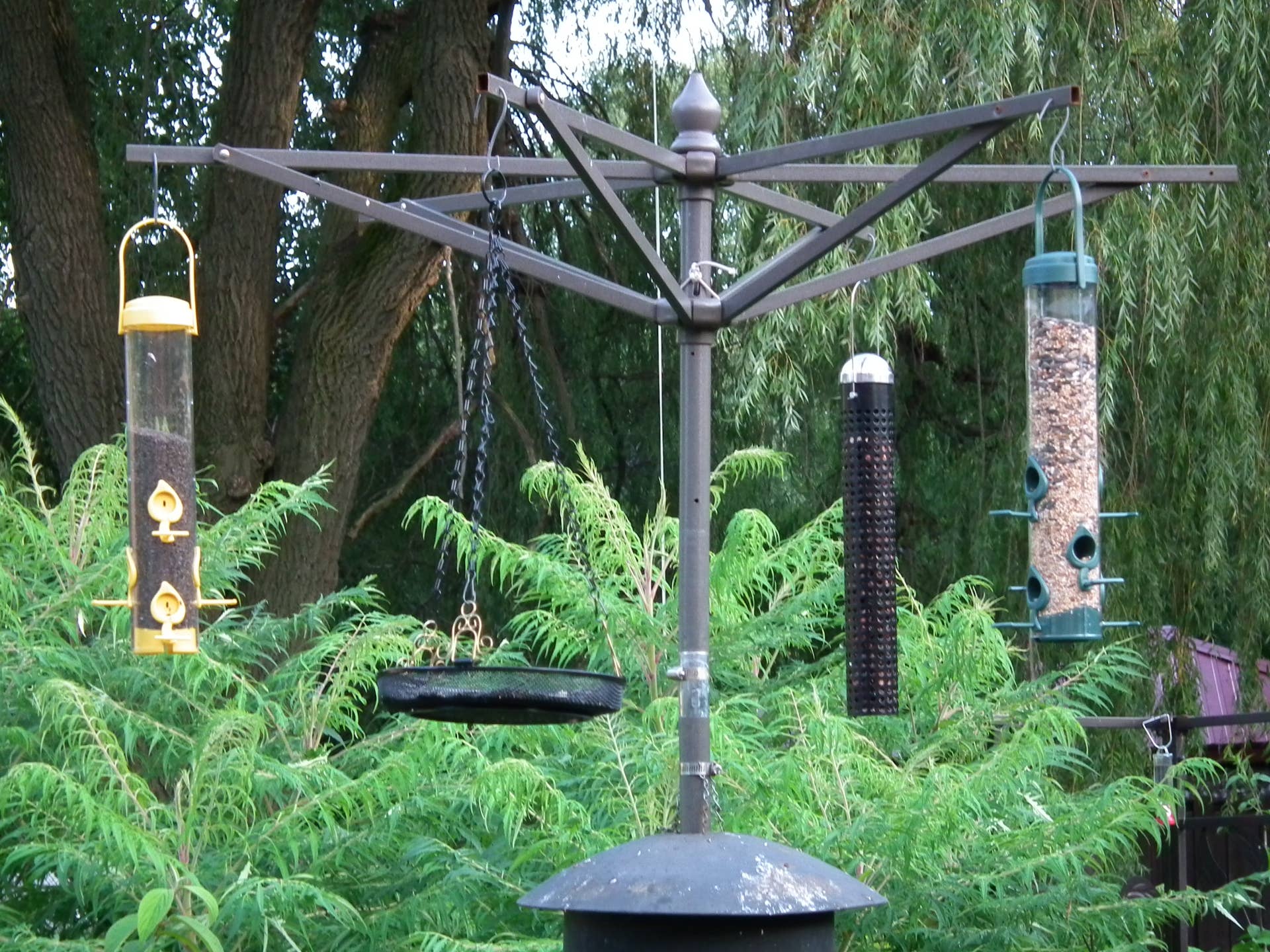
- Tube feeders:Long cylinders with multiple feeding ports, good for small birds like finches and chickadees.
- Platform feeders:Flat surfaces that hold many seeds, ideal for larger birds and ground feeders.
- Hopper feeders:Box-shaped and hold a lot of seed, suitable for many bird types.
- Suet feeders:Wire cages that hold suet cakes, perfect for woodpeckers and nuthatches.
Materials Suitable For Outdoor Use
Bird feeders must handle weather and stay safe for birds. Choose feeders made from strong and weather-resistant materials.
- Metal:Durable and resists squirrels, but can get hot in sun.
- Plastic:Lightweight and affordable, but may fade or crack over time.
- Wood:Natural look and sturdy, but needs treatment to resist rain.
- Glass:Easy to clean but fragile and heavy.
Size And Capacity Considerations
The feeder size affects how often you must refill it. Larger feeders hold more food but need more space.
- Small feeders suit fewer birds and small spaces.
- Medium feeders balance capacity and size for moderate bird visits.
- Large feeders attract many birds but require more maintenance.
Choose a size that fits your deck space and bird feeding habits.
Credit: dengarden.com
Selecting The Best Location
Choosing the right spot to hang your bird feeder off a second story brick deck can make all the difference in attracting birds and keeping them safe. The location affects how often birds visit, their comfort, and how easy it is for you to enjoy watching them. Let’s look at key points to consider to find the perfect place.
Safety From Predators
Birds need a safe space to feed without worrying about predators like cats or squirrels. Pick a spot that’s hard for these animals to reach. Hanging the feeder at least 10 feet away from launching points like trees or railings limits predator access.
Consider the height as well. Hanging your feeder higher on the brick wall, away from ledges or easy jumps, adds extra protection. Have you checked around your deck for potential hiding spots predators might use?
Visibility And Accessibility
Your feeder should be easy to see from inside your home or favorite outdoor seating area. This makes watching birds more enjoyable and lets you know when the feeder needs refilling. Choose a spot where you can easily reach the feeder for cleaning and refilling without risking a dangerous climb or unstable footing.
Think about how you’ll access the feeder. Is there a safe ladder position or a flat surface to stand on? Ensuring easy access means you’ll keep the feeder clean and stocked, which birds really appreciate.
Sunlight And Weather Factors
Birds prefer feeders that are sheltered from harsh weather but still get some sunlight. Morning sun can warm the area and dry off dew, making the feeder more inviting. Avoid locations that face strong afternoon sun, which can overheat the feeder and spoil seeds.
Also, watch out for windy spots where the feeder might swing or seeds scatter. A brick wall often offers good wind protection, but test the area during different times of day. Have you noticed where shadows and wind gusts usually fall on your deck?
Tools And Materials Needed
Hanging a bird feeder off a second story brick deck requires the right tools and materials to ensure safety and durability. Using improper equipment can lead to damage or the feeder falling. Gathering everything you need beforehand makes the process smoother and more enjoyable.
Mounting Hardware For Brick
Choosing the right mounting hardware is critical when working with brick surfaces. You’ll need masonry anchorsor expansion boltsdesigned specifically for brick to hold the weight of the feeder securely. Avoid using regular screws or nails, as they won’t grip the brick properly and can cause cracks.
Consider hardware with rust-resistant coatings to withstand outdoor weather. Hooks or brackets with a strong load capacity are essential, especially if your feeder will attract larger birds or squirrels. Have a few extra anchors on hand—you might need them if the brick is particularly hard or brittle.
Drill And Masonry Bits
A powerful drill paired with the right masonry bits makes drilling into brick manageable. Regular drill bits won’t work on brick; you need specialized masonry drill bitsthat can handle the tough surface. A hammer drill is ideal because it combines rotary and hammering actions, making the job faster and easier.
Start with a smaller bit to create a pilot hole, then switch to a bit matching your anchor size. Remember, drilling into brick requires steady pressure—too much force can crack the brick, too little won’t penetrate. Have you ever struggled drilling into tough materials? Choosing the right drill and bits changes everything.
Measuring And Marking Tools
Accurate measurements ensure your bird feeder hangs exactly where you want it. Use a tape measureto determine the height and spacing from edges or corners. Mark your drill points clearly with a pencil or chalkdesigned to be visible on brick surfaces.
A level can help keep your feeder straight and balanced. Double-check your measurements before drilling to avoid unnecessary holes. How often do small measurement mistakes lead to frustrating fixes? Taking a few extra seconds here saves you time and effort later.
Preparing The Brick Surface
Preparing the brick surface is a crucial step before hanging your bird feeder off a second-story deck. Taking the time to get the brick ready ensures your feeder stays secure and lasts through all seasons. Skipping this part can lead to unnecessary damage or a feeder that falls unexpectedly.
Cleaning The Area
Start by clearing dirt, dust, and any loose debris from the brick. Use a stiff brush and some soapy water to scrub the surface gently but thoroughly. This creates a clean base for any hooks or anchors you’ll be installing.
Rinse with clear water and let the brick dry completely. Moisture can weaken adhesives or make drilling messier, so patience here pays off. Have you ever noticed your tools slipping on a dusty wall? Cleaning eliminates that risk.
Marking Drill Points
Next, decide exactly where you want to place your bird feeder. Hold the feeder or its mounting bracket against the brick and mark spots with a pencil. Make sure these points align with the feeder’s hooks or mounting holes.
Use a level to double-check your marks are straight. A crooked feeder not only looks bad but can also cause birds trouble when landing. Getting this right now saves you from re-drilling later.
Checking For Structural Integrity
Before drilling, examine the brick and mortar for cracks or crumbling areas. Tap gently with a screwdriver handle; a hollow or loose sound indicates weakness. Avoid these spots to prevent damaging your deck’s structure.
If you find any doubtful areas, consider moving your marks or consulting a professional. Your safety and the feeder’s stability depend on strong support. Have you ever had something fall because the wall wasn’t solid? This step is your insurance against that.
Installing The Mounting Bracket
Installing the mounting bracket is a crucial step when hanging a bird feeder off your second-story brick deck. This process ensures your feeder stays secure and safe for the visiting birds. Taking the right precautions and using the proper tools will make your installation smooth and long-lasting.
Drilling Into Brick Safely
Drilling into brick requires careful attention to avoid cracks or damage. Use a masonry drill bit that matches the size of your anchors for the best fit. Start by marking the exact spot where the bracket will go, then drill slowly to maintain control and prevent overheating the bit.
Wear safety goggles to protect your eyes from dust and debris. If you feel the drill slipping, stop and reposition to keep the hole straight. Have you checked if there are any electrical wires or pipes behind the brick before drilling? It’s better to be safe than sorry.
Inserting Anchors
Anchors provide the grip needed to hold the bracket firmly in place on the brick surface. Choose anchors designed for masonry and ensure they fit snugly into the holes you drilled. Gently tap them in with a hammer until they sit flush with the brick.
Don’t skip this step, as anchors prevent the screws from loosening over time. If the anchors feel loose, consider drilling a slightly larger hole or switching to a heavier-duty anchor. How confident are you that your anchors can hold the weight of your feeder plus visiting birds?
Securing Bracket Firmly
Once the anchors are set, align your mounting bracket with the holes and insert screws through the bracket into the anchors. Tighten the screws with a screwdriver or drill, ensuring the bracket doesn’t wobble or shift. A loose bracket risks your feeder falling and scaring away birds.
Check the stability by gently tugging the bracket after installation. If it feels solid, you’re ready to hang your feeder. Remember, a well-secured bracket makes your bird feeder a permanent, welcoming spot for feathered friends.
Credit: www.etsy.com
Hanging The Bird Feeder
Hanging a bird feeder from a second story brick deck needs care and the right tools. The feeder should be easy to reach for filling but safe for birds. A strong bracket helps support the feeder firmly against the brick surface.
Proper hanging keeps the feeder steady and invites more birds to visit. Follow these simple steps to attach and adjust the feeder correctly.
Attaching Feeder To Bracket
Choose a bracket designed for brick walls. Use masonry screws or anchors to secure it tightly. Make sure the bracket is level and firmly fixed. Hook the bird feeder onto the bracket’s arm. Check that the feeder hangs freely without touching the wall.
Ensuring Stability
Test the bracket by gently pulling the feeder. It should not sway or come loose. Use extra anchors if the bracket feels unstable. Tighten all screws and fasteners. Stability prevents feeder damage and keeps birds safe.
Adjusting Height And Position
Set the feeder height where birds can easily access it. Avoid placing it too low near predators. Adjust the position for good sun exposure and shade balance. Ensure the feeder is visible from windows or seating areas. Move it if birds avoid the spot.
Maintenance And Safety Tips
Keeping your bird feeder safe and well-maintained is key to enjoying visits from feathered friends without interruption. Regular checks and simple care routines can extend the life of your feeder and protect your deck from damage. Let’s look at practical tips that help you maintain both the feeder and the mounting setup securely.
Regular Cleaning Of Feeder
Cleaning your bird feeder often prevents mold and bacteria buildup that can harm birds. Aim to wash the feeder with warm, soapy water every two weeks, or more frequently during wet seasons.
Rinse thoroughly and dry completely before refilling. You might notice more bird visits once the feeder looks fresh and inviting.
Inspecting Mounting Hardware
Check the screws, hooks, or brackets holding your feeder in place at least once a month. Look for rust, looseness, or any signs of wear that could cause the feeder to fall.
Tighten any loose parts and replace damaged hardware immediately to avoid accidents. You don’t want your feathered guests startled by a sudden fall or your deck damaged by a dropped feeder.
Protecting Against Weather Damage
Second-story decks face strong winds and rain, which can wear down your feeder and mounting system. Use weather-resistant materials like stainless steel or coated metals for mounting hardware to withstand the elements.
Consider applying a sealant to wooden parts of your deck near the feeder to prevent water damage. Does your feeder have a cover? If not, adding one can shield food and hardware from harsh weather, keeping everything in better shape longer.
Credit: dengarden.com
Frequently Asked Questions
How Do I Securely Hang A Bird Feeder On A Brick Deck?
Use a masonry drill bit to create holes in the brick. Insert wall anchors or sleeve anchors for strong support. Attach a sturdy hook or bracket to hang the feeder safely without damaging the brick.
What Tools Are Needed To Hang A Bird Feeder On Brick?
You need a masonry drill, drill bits, wall anchors, screws, a screwdriver, a sturdy hook, and a level. These tools ensure secure installation on the brick surface and keep the feeder stable.
Can I Hang A Bird Feeder From A Second-story Deck Railing?
Yes, you can use deck railing brackets or hooks designed for feeders. Secure them tightly to the railing for safety. This method avoids drilling into brick and offers easy feeder access.
How High Should I Hang A Bird Feeder On A Second-story Deck?
Hang the feeder at least 5-6 feet above the deck floor. This height keeps it safe from ground predators and visible to birds. Ensure easy access for refilling and cleaning.
Conclusion
Hanging a bird feeder on your brick deck is simple. Start by choosing the right spot. Make sure it’s safe and accessible. Use sturdy hooks or brackets. Secure them properly to avoid accidents. Consider the type of birds you want to attract.
Different birds prefer different feeders. Regularly check and refill the feeder. Clean it to keep birds healthy. Enjoy watching birds from your deck. It’s a peaceful and rewarding hobby. With these steps, you can easily enhance your outdoor space. Happy bird watching!