
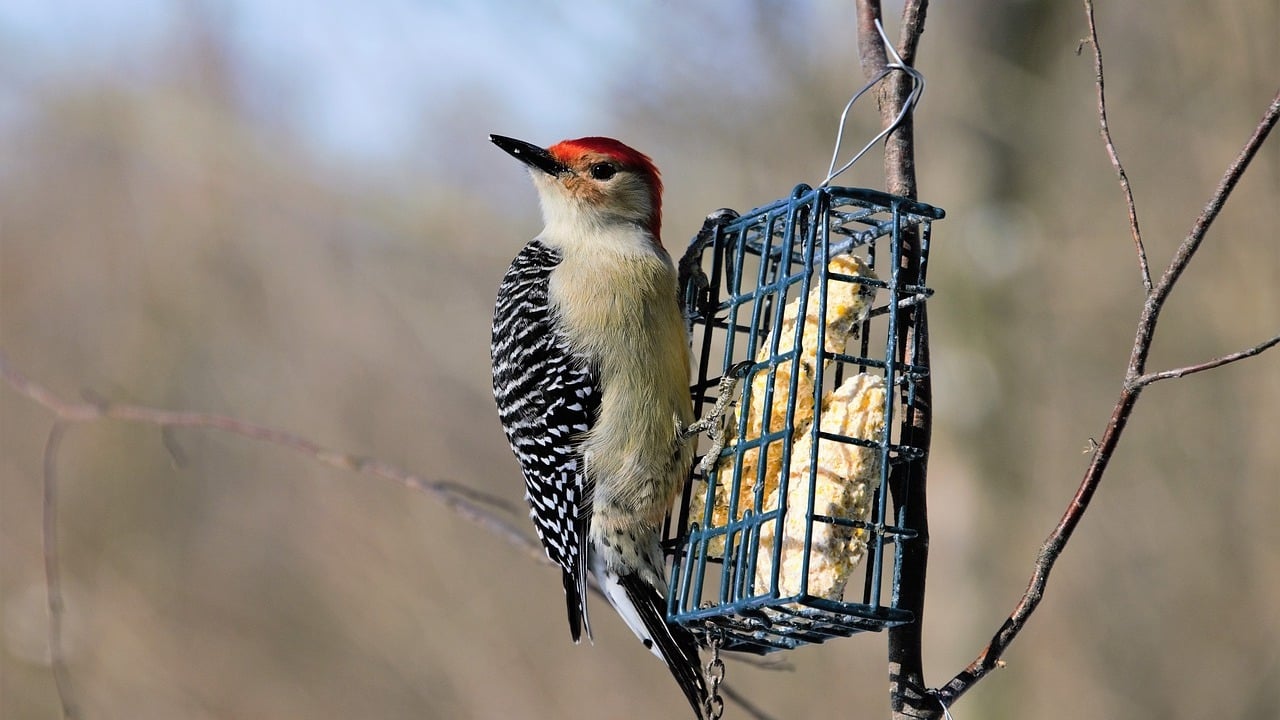
Are you wondering if cornmeal is a safe and healthy treat for the birds visiting your backyard? You might have heard different opinions and feel unsure about what to feed your feathered friends.
Feeding birds the right food can make a big difference in their health and happiness. You’ll discover the truth about feeding birds cornmeal and learn what you should keep in mind to keep your garden visitors safe and satisfied. Keep reading—you’ll want to know these important facts before you toss that next handful of cornmeal outside!
Benefits Of Feeding Cornmeal To Birds
Feeding cornmeal to birds offers several benefits for their health and well-being. Cornmeal is a simple, natural food source that many birds enjoy. It provides essential nutrients that support their energy and growth. Cornmeal also helps attract a variety of bird species to your garden or backyard. Offering cornmeal can enhance your birdwatching experience and support local wildlife.
Nutritional Value Of Cornmeal
Cornmeal contains carbohydrates that give birds energy. It has some protein needed for muscle and feather growth. Cornmeal also provides small amounts of vitamins like B-complex and minerals such as magnesium and phosphorus. These nutrients contribute to a balanced diet for birds. The coarse texture of cornmeal aids digestion and helps birds process their food efficiently.
Attracting Various Bird Species
Cornmeal attracts many common birds including sparrows, finches, and doves. Ground-feeding birds find cornmeal easy to eat. It can also lure larger birds like pigeons and jays. Offering cornmeal in feeders or scattered on the ground invites more bird variety. This diversity makes birdwatching more interesting and enjoyable. Cornmeal is a good option to include in your bird feeding routine.
Types Of Cornmeal Suitable For Birds
Choosing the right type of cornmeal for birds is important for their health. Not all cornmeal is safe or easy for birds to eat. Some types may be too hard or contain additives that can harm them. Understanding the differences helps you pick the best option. This ensures birds get the nutrition they need without risk.
Ground Vs. Whole Cornmeal
Ground cornmeal is finely milled and easier for birds to digest. It mixes well with other bird feed and water. Whole cornmeal contains larger pieces that can be harder for small birds to eat. Birds with strong beaks may handle whole cornmeal better. Ground cornmeal is generally safer and more suitable for most wild and pet birds.
Avoiding Flavored Or Processed Cornmeal
Flavored cornmeal often has added salt, sugar, or spices. These ingredients can harm birds and upset their stomachs. Processed cornmeal may include preservatives or artificial colors. These chemicals are not natural and may cause health problems. Always choose plain, natural cornmeal without extra flavors or additives. This keeps bird feeding safe and healthy.
Safe Ways To Offer Cornmeal
Offering cornmeal to birds can be a safe and enjoyable experience if done correctly. It’s important to present it in ways that suit their natural feeding habits and avoid any health issues. Let’s look at some practical tips to help you feed birds cornmeal safely and effectively.
Mixing Cornmeal With Other Seeds
Mixing cornmeal with a variety of seeds can make the offering more balanced and appealing to different bird species. Adding sunflower seeds, millet, or cracked corn helps provide essential nutrients that cornmeal alone might lack.
Try combining about 1 part cornmeal with 3 parts mixed seeds. This ratio keeps the cornmeal from overwhelming the mix and encourages birds to enjoy a varied diet. Have you noticed how birds often prefer variety? This simple mix can keep them coming back for more.
Using Feeders And Ground Feeding Tips
Using feeders designed for small grains works well when offering cornmeal blends. Tube feeders or hopper feeders prevent the cornmeal from clumping and keep it dry. You’ll also reduce waste and avoid attracting pests.
If you feed on the ground, spread cornmeal thinly over dry, bare soil or gravel. This helps birds find the meal easily without it sticking to wet surfaces or forming clumps. Remember, wet cornmeal can spoil quickly and harm birds, so check your feeding spot regularly.

Credit: creators.yahoo.com
Potential Risks Of Feeding Cornmeal
Feeding birds cornmeal might seem like a harmless treat, but it’s important to understand the potential risks involved. Cornmeal isn’t naturally part of most wild birds’ diets, and offering it without caution can lead to health problems. Knowing these risks helps you make safer choices for your feathered visitors.
Digestive Concerns
Cornmeal can be hard for birds to digest because it lacks the nutrients their bodies need to break it down efficiently. Birds rely on grit in their gizzards to grind food, and cornmeal’s fine texture may not provide enough substance for proper digestion.
Feeding too much cornmeal can cause digestive blockages or discomfort, especially in smaller bird species. Have you noticed your backyard birds avoiding certain foods? It might be their way of telling you what’s best for them.
Mold And Spoilage Issues
Cornmeal is prone to absorbing moisture, which can quickly lead to mold growth. Moldy food is dangerous for birds and can cause serious illnesses or even death.
Leaving cornmeal out in damp or humid conditions increases spoilage risks. It’s better to offer fresh, dry food and clean feeding areas regularly to protect your birds.
Alternatives To Cornmeal For Wild Birds
Wild birds need a variety of foods to stay healthy and active. Cornmeal is one option, but it is not always the best choice. Birds require a balanced diet with different nutrients. Many natural and store-bought alternatives can provide better nutrition and attract a wider range of birds. These options support their natural feeding habits and improve their chances of survival.
Popular Birdseed Options
- Black oil sunflower seeds: High in fat and easy to crack open.
- Millet: Small seeds loved by sparrows and finches.
- Safflower seeds: Preferred by cardinals and chickadees, less attractive to squirrels.
- Nyjer (thistle) seeds: Tiny seeds for finches and siskins.
- Peanuts: Provide protein and fats, good for woodpeckers and jays.
Natural Food Sources
Wild birds enjoy various natural foods in their habitats. Planting native flowers and shrubs can help supply these foods.
- Berries from dogwood, elderberry, and holly bushes.
- Seeds from sunflowers, coneflowers, and grasses.
- Insects like caterpillars, beetles, and spiders.
- Fruit scraps such as apples or pears left outside.
- Tree sap and nectar from flowering plants.

Credit: gratefulprayerthankfulheart.com
Seasonal Considerations For Feeding Cornmeal
Feeding birds cornmeal requires attention to the changing seasons. Birds’ nutritional needs shift as the weather changes, and understanding this helps you provide the right amount and type of feed. Adjusting your approach ensures the birds stay healthy and active year-round.
Summer Vs. Winter Feeding Needs
In summer, birds have access to more natural food sources like insects and berries, so cornmeal should be offered in moderation. Too much cornmeal during this time can lead to unbalanced diets since birds need more protein from insects.
Winter is a different story. Food becomes scarce, and birds burn more energy to stay warm. Cornmeal can be a good energy source, but it’s best combined with high-fat seeds like sunflower or peanuts to meet their increased energy needs.
Adjusting Feed Based On Bird Activity
Bird activity changes throughout the year, and your feeding should reflect that. During migration or breeding seasons, birds need extra calories to fuel their efforts.
If you notice more birds visiting your feeder, consider increasing the cornmeal slightly, but keep an eye on waste. Cornmeal can get soggy and spoil quickly, so feeding smaller amounts more often helps reduce waste and keeps the food fresh.
Have you observed how birds behave differently around your feeder in various seasons? Paying attention to these signs can guide you in offering the best diet for your feathered friends.
Maintaining A Healthy Feeding Environment
Maintaining a healthy feeding environment is key to supporting wild birds safely. Clean surroundings help prevent disease and keep birds returning. A well-kept space encourages more birds to visit and feed comfortably. Proper care benefits birds and creates a pleasant feeding area for watchers.
Cleaning Feeders Regularly
Clean feeders often to stop mold and bacteria growth. Use warm water and mild soap to wash feeders. Rinse well to remove soap residue before refilling. Dry feeders completely to avoid moisture buildup. Regular cleaning keeps food fresh and birds healthy.
Preventing Predators And Pests
Protect feeding areas from predators like cats and squirrels. Place feeders away from places where predators hide. Use baffles or guards to block pests from reaching food. Remove spilled seeds to avoid attracting unwanted animals. A safe feeding zone helps birds eat without stress.

Credit: www.willyswilderness.org
Frequently Asked Questions
Can Birds Safely Eat Cornmeal As Part Of Their Diet?
Yes, birds can safely eat plain cornmeal in moderation. It provides carbohydrates but lacks essential nutrients. Avoid feeding large amounts to prevent digestive issues.
Is Cornmeal Nutritious For Wild Birds?
Cornmeal offers some energy but is low in protein and fat. It should not replace seeds or insects, which provide better nutrition for birds.
How Should I Feed Birds Cornmeal Properly?
Serve dry cornmeal in small amounts mixed with other bird foods. Keep feeders clean and fresh to avoid mold growth and health problems.
Can Cornmeal Cause Harm To Birds?
Feeding too much cornmeal may cause digestive upset or malnutrition. Always offer a varied diet to keep birds healthy and energetic.
Conclusion
Feeding birds cornmeal can be a good choice. It’s nutritious and accessible. Birds enjoy its texture and taste. Ensure it’s fresh and free from additives. Mix it with seeds for variety. Remember, balance is key in bird diets. Too much cornmeal isn’t ideal.
Offer it in moderation. Watch the birds’ reactions closely. Adjust if needed. Cornmeal can attract diverse bird species. Enjoy watching them visit your garden. A little effort brings nature closer. With care, birds thrive and delight.