
Have you ever wondered which birds will visit your grape jelly bird feeder? If you want to bring vibrant colors and lively sounds to your backyard, knowing the right birds to expect can make all the difference.
By understanding what types of birds are attracted to grape jelly, you’ll create a feeding spot that’s buzzing with activity and beauty. Keep reading to discover which feathered friends will flock to your feeder—and how to make your backyard their favorite hangout.

Credit: www.birdsandblooms.com
Why Use Grape Jelly Feeders
Grape jelly feeders offer a special treat for many birds. They provide a sweet, fruity option that differs from regular seeds. Using grape jelly feeders can bring diverse bird species to your yard. This feeder type supports birds that prefer fruit over seeds or insects.
Benefits For Fruit-eating Birds
Fruit-eating birds gain important energy from grape jelly. The sugar in jelly gives them a quick fuel source. It helps during colder months or migration times. These feeders supply nutrients that some birds do not get from seeds. Offering grape jelly supports natural diets of many species.
Attracting Unique Species
Grape jelly feeders attract birds rarely seen at seed feeders. Orioles, tanagers, and woodpeckers love grape jelly. These birds seek out sweet, juicy foods in nature. Jelly feeders bring these colorful, unique species to your garden. This diversity makes bird watching more exciting and varied.
Top Birds Drawn To Grape Jelly
Grape jelly feeders attract a variety of colorful and lively birds. The sweet, fruity taste appeals to birds that enjoy nectar and fruit. These feeders provide an easy food source, especially in warmer months.
Many birds visit grape jelly feeders regularly. Their bright colors and energetic behavior add life to any garden. Here are some top birds drawn to grape jelly feeders.
Northern Orioles
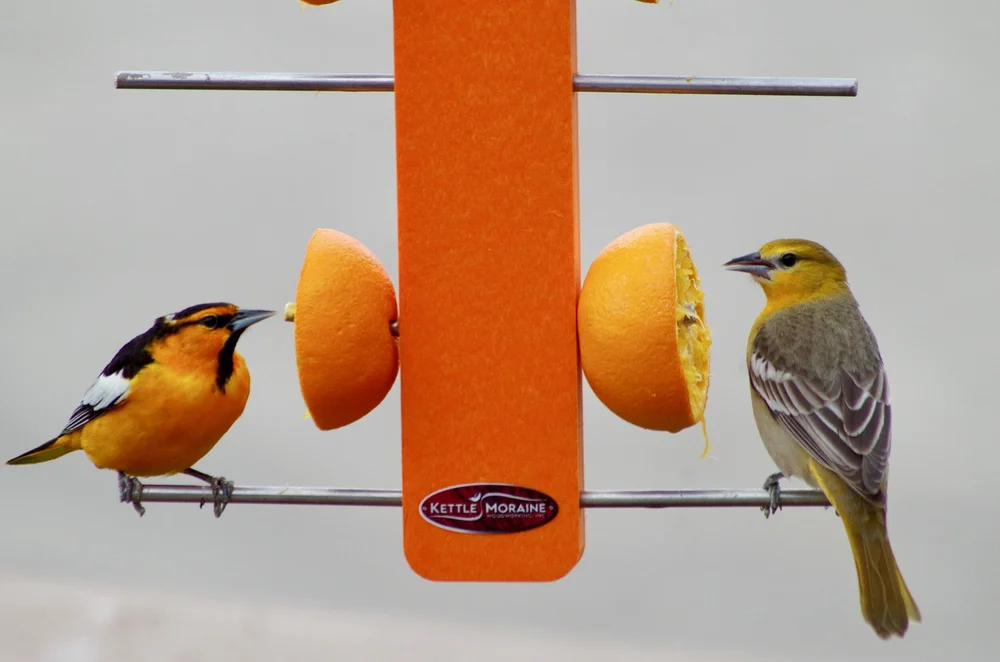
Northern Orioles are famous for their love of grape jelly. Their bright orange feathers make them easy to spot. They prefer feeders with jelly or fruit nectar. Orioles often visit in spring and summer.
Tanagers
Tanagers enjoy sweet foods like grape jelly. Their vibrant red and yellow colors brighten any backyard. These birds are active and love to explore feeders. They often feed in pairs or small groups.
Mockingbirds
Mockingbirds are curious and bold visitors to jelly feeders. They like sweet treats and will quickly find your feeder. Their gray feathers contrast well with the jelly’s bright color. Mockingbirds often sing near feeders too.
Catbirds
Catbirds have a soft gray color and a unique call. They love fruit and jelly, making feeders a favorite spot. These birds are shy but will come close for food. They often visit during warm months.
Woodpeckers
Woodpeckers enjoy a variety of foods, including grape jelly. Their strong beaks help them access feeders easily. These birds add excitement with their tapping sounds. They visit feeders mostly in spring and summer.
Feeder Setup Tips
Setting up your grape jelly bird feeder the right way can make all the difference in attracting the birds you want to see. Small details in feeder choice, placement, and cleanliness affect which species visit and how often. Let’s look at some practical tips to help you create an inviting spot that keeps birds coming back.
Choosing The Right Feeder
Opt for a feeder designed specifically for jelly or fruit. These usually have shallow dishes or trays that make it easy for birds to perch and access the jelly.
A plastic or glass feeder with a wide opening works best. It prevents the jelly from drying out too quickly and allows you to refill easily.
Keep in mind that a sturdy feeder helps deter squirrels and larger animals from stealing the jelly. Have you noticed how some feeders attract more birds just because they’re easier to use?
Placement Strategies
Place your feeder where birds feel safe but you can still enjoy watching them. Near shrubs or trees is ideal, as these provide quick cover and perching spots.
Keep the feeder away from busy footpaths or areas with heavy pet traffic to avoid scaring birds away. A quiet corner of your yard often works best.
Think about sun and shade too. Placing the feeder in partial shade slows down jelly spoilage and keeps it fresh longer.
Maintaining Cleanliness
Clean your feeder regularly to prevent mold and bacteria build-up. Old jelly residue can harm birds or deter them from returning.
Use warm water and a mild soap, then rinse thoroughly before refilling. How often you clean depends on weather and feeder use, but aim for once a week at minimum.
Watch for ants or wasps, which can invade jelly feeders. Keeping the area tidy and checking the feeder daily helps you spot problems early.
Seasonal Variations In Bird Visits
Bird visits to your grape jelly feeder won’t stay the same throughout the year. The variety and number of birds change with the seasons, influenced by factors like migration, food availability, and breeding habits. Understanding these seasonal shifts can help you attract a wider range of feathered friends and keep your feeder lively all year.
Spring And Summer Patterns
During spring and summer, many fruit-eating birds become more active around grape jelly feeders. Orioles are a common sight, drawn by the sweet jelly that mimics ripe fruit. You might also see tanagers and grosbeaks stopping by, especially as they prepare to feed their young.
These months bring increased competition among birds for food. You may notice hummingbirds occasionally sampling the jelly, even though they prefer nectar. Keeping your feeder clean and full can encourage repeat visits from these colorful guests.
Fall And Winter Changes
As temperatures drop, the types of birds visiting your feeder shift noticeably. Orioles and tanagers migrate south, so you’ll see fewer of them. Instead, woodpeckers and jays often show up, taking advantage of the jelly as an easy energy source.
During winter, birds need more calories to stay warm. You might even spot some unexpected visitors like nuthatches or chickadees trying the jelly. Have you noticed how a simple feeder can turn your backyard into a winter bird hotspot?
Common Challenges And Solutions
Setting up a grape jelly bird feeder can bring joy as you watch colorful birds flock to your yard. However, you might face some challenges that can affect the feeder’s success. Understanding common problems and practical solutions will help keep your feeder inviting and your feathered visitors happy.
Dealing With Ants And Insects
Ants and other insects are naturally attracted to the sweet jelly. It’s frustrating to see your feeder overrun by tiny invaders before birds get a chance to enjoy it.
Try placing the feeder on a pole with a wide, smooth baffle to block ants from climbing up. You can also use a shallow dish filled with water around the base to create a moat barrier. Keep the feeder clean and wipe away any spilled jelly regularly to reduce insect attraction.
Preventing Jelly Spoilage
Grape jelly left out in the sun can spoil quickly, making it unsafe for birds and wasting your effort. Warm weather accelerates fermentation and mold growth, which you want to avoid.
Refill your feeder often, ideally every day or two, especially during hot days. Place the feeder in a shaded spot to slow down spoilage. If you notice mold or an off smell, clean the feeder thoroughly before adding fresh jelly.
Avoiding Aggressive Birds
Some birds, like starlings and grackles, can dominate the feeder, scaring away smaller species. This can reduce the variety of birds that visit your jelly feeder.
To encourage a peaceful feeding environment, try offering jelly in multiple feeders spaced apart. Using feeders with smaller perches can also discourage larger, aggressive birds. Have you observed which birds tend to take over your feeder? Adjusting your setup based on these observations can make a big difference.

Credit: www.youtube.com

Credit: www.shutterstock.com
Frequently Asked Questions
What Birds Are Attracted To Grape Jelly Feeders?
Birds like orioles, tanagers, and woodpeckers love grape jelly feeders. These birds enjoy the sweet taste and vibrant color of grape jelly. Feeding grape jelly attracts diverse species, especially in spring and summer. It’s a great way to observe colorful and unique birds in your garden.
How Does Grape Jelly Benefit Wild Birds?
Grape jelly provides a quick energy source for birds due to its natural sugars. It helps birds during migration and breeding seasons when they need extra calories. Jelly feeders also attract birds that prefer fruits over seeds. This supplement supports bird health and encourages visits to your feeder.
Can Grape Jelly Feeders Attract Rare Bird Species?
Yes, grape jelly feeders can attract rare birds like Baltimore Orioles and Cedar Waxwings. These birds are drawn to sweet, fruity flavors that jelly offers. Rare bird sightings increase when you maintain fresh jelly and keep feeders clean. This makes jelly feeders exciting for bird watchers.
How Often Should I Refill A Grape Jelly Feeder?
Refill grape jelly feeders every 2 to 3 days to keep jelly fresh and safe. Clean feeders regularly to prevent mold and bacteria growth. Frequent refills ensure birds have constant access to fresh food. This keeps birds healthy and encourages regular visits.
Conclusion
Grape jelly feeders bring colorful birds to your garden. Orioles love the sweet treat. Catbirds and tanagers also enjoy it. Watch them flutter around with joy. Keep feeders clean and jelly fresh. Attract more birds with water sources nearby. Birds need water to drink and bathe.
Enjoy the lively bird activity in your backyard. A simple grape jelly feeder can create delightful birdwatching moments. Embrace nature’s beauty and sounds. It’s a peaceful escape right at home. Try it and see the magic unfold.