
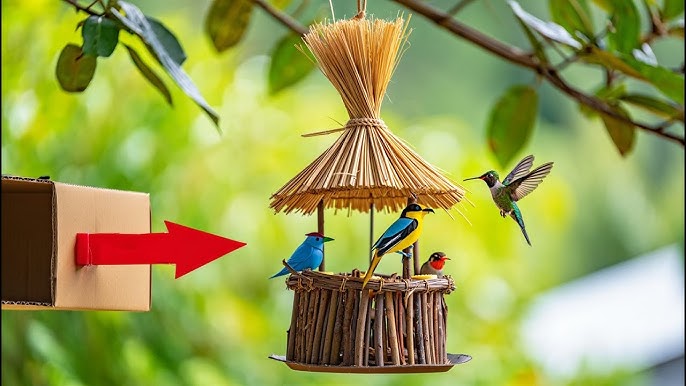
Are you looking for a fun and simple way to bring nature closer to your kids? Making a homemade bird feeder is a perfect activity that you and your children can enjoy together.
Not only will it spark their curiosity about birds, but it also teaches them about caring for wildlife. Imagine watching colorful birds visit your backyard, all because of something you built with your own hands. Ready to create a bird feeder that’s easy, safe, and exciting for your kids?
Let’s dive into the step-by-step guide that will make this project a memorable experience for your whole family.
Choosing Safe Materials
Choosing safe materials is key for making a bird feeder with kids. The materials must not harm birds or children. Use items that are gentle and free from harmful chemicals. This keeps the activity safe and fun. Focus on simple, natural, or recycled materials. These are best for both health and the environment.
Non-toxic Options
Pick materials that do not contain poisons or strong chemicals. Wood, untreated cotton rope, and natural twine work well. Avoid painted or treated wood, as paint can be toxic. Use natural peanut butter or birdseed as food. Steer clear of plastics with harmful additives. Check labels for any warnings before use.
Recycled Household Items
Recycling items saves money and helps the planet. Use empty toilet paper rolls, clean milk cartons, or old jars. Make sure these items are clean and free from sharp edges. Cut safely with adult help. These objects can be transformed into creative bird feeders. This teaches kids about reuse and caring for nature.
Simple Bird Feeder Designs
Simple bird feeder designs make it easy and fun for kids to connect with nature right in your backyard. These feeders use everyday materials you probably already have, so you can start building without a trip to the store. Plus, they’re safe and straightforward, perfect for little hands and curious minds.
Pinecone Feeder
The pinecone feeder is a classic and super easy to make. Just find a clean pinecone, spread peanut butter or a similar sticky spread all over it, and then roll it in birdseed. Hang it outside with a string where birds can easily reach it.
This project is great because it teaches kids about textures and how animals find food. Have you noticed how different birds prefer different seeds? This feeder lets you observe those preferences up close.
Milk Carton Feeder
Using an empty milk carton turns trash into treasure. Cut windows on each side to create openings for birds to enter and perch. Fill the carton with seeds, then hang it in a tree or on a hook.
This design is sturdy and can hold lots of seeds, making it perfect for attracting bigger birds. It also offers a chance to talk about recycling and how we can help the environment with simple actions.
Jar Feeder
An old jar can become a charming bird feeder with just a few tweaks. Attach a wooden spoon or small stick through the jar’s neck for a perch. Fill the jar with seeds and hang it upside down, making sure the seeds slowly drop near the perch.
This feeder lets kids see the seed level inside the jar, so they know when to refill it. It’s a neat way to teach responsibility and the joy of watching birds come back day after day.
Step-by-step Building Guide
Creating a homemade bird feeder with your kids can be a rewarding experience that combines fun and learning. This step-by-step building guide will help you turn simple materials into a charming feeder that attracts local birds. Let’s dive into the process and make it easy and enjoyable for everyone involved.
Gathering Supplies
Start by collecting all the materials you will need. You can use items already available at home to keep it simple and eco-friendly.
- Empty plastic bottle or milk carton
- String or twine for hanging
- Wooden spoons or small sticks for perches
- Scissors and a hole punch
- Birdseed mix suitable for your local birds
- Non-toxic glue or tape
Having everything ready before you begin saves frustration and keeps kids engaged. What household items do you think could be repurposed into a feeder?
Assembly Instructions
Carefully cut openings on the sides of the bottle or carton, big enough for birds to access the seeds but small enough to keep them inside. Use a hole punch or scissors to create two small holes near the top for hanging.
- Insert wooden spoons or sticks through the bottle so they stick out on both sides. These will serve as perches.
- Fill the feeder with birdseed through the top opening.
- Thread the string through the holes and tie a secure knot for hanging.
Ask your kids which birds they hope to see visiting. This adds excitement and encourages observation once the feeder is up.
Decorating Tips
Make the feeder more inviting and personalized by decorating it together. Use markers, stickers, or paint that is safe for outdoor use.
- Encourage your kids to draw simple bird shapes or patterns.
- Add bright colors to make the feeder visible and attractive.
- Consider attaching small pinecones or leaves for a natural look.
Decorating also teaches kids about creativity and care for nature. Which colors do you think will attract the most birds?

Credit: www.firefliesandmudpies.com
Selecting Bird-friendly Seeds
Choosing the right seeds is key to attracting birds safely and happily to your homemade feeder. Not all seeds are good for every bird, so understanding what birds prefer can make your feeder a favorite spot. You want to provide food that nourishes without causing harm.
Popular Seed Choices
Black oil sunflower seeds top the list for attracting many bird species. Their thin shells are easy for small beaks to crack, and they offer high energy from fat content.
Another great option is millet, which draws ground-feeding birds like sparrows and doves. Nyjer (thistle) seeds are perfect if you want to invite finches, as these tiny seeds suit their fine beaks well.
- Safflower seeds attract cardinals and grosbeaks, and they’re less favored by squirrels, which can be a plus.
- Cracked corn appeals to larger birds like jays and pigeons, though it can spoil quickly if left out in damp conditions.
Think about the birds you want to see most in your yard and choose seeds accordingly. Have you noticed certain birds visiting your area more often? That’s a great clue for your seed selection.
Avoiding Harmful Foods
Some foods can look tempting but might actually harm birds. For instance, bread offers little nutrition and can cause digestive problems when fed regularly.
Avoid salted or flavored seeds and nuts, as salt can be toxic to birds. Also, stay away from seeds treated with pesticides or chemicals.
- Raisins and dried fruit might seem safe but can mold quickly and cause illness.
- Chocolate and avocado are toxic and should never be included in bird feed.
Remember, your goal is to support birds’ health, not just fill their bellies. What would you want if you were a bird looking for a safe meal?
Placing Your Feeder
Placing your homemade bird feeder in the right spot is just as important as building it. The location affects how many birds visit and how safe they feel while eating. Choosing carefully can turn your backyard into a lively bird-watching spot that’s fun and educational for kids.
Best Locations
Look for a spot that is visible from inside your home. This lets you watch the birds without disturbing them. A window near your feeder can turn everyday bird visits into exciting moments for children.
Choose a location with some natural cover nearby, like bushes or small trees. Birds feel safer if they have a quick escape route if needed. But don’t place the feeder too close to the cover—about 3 to 6 feet away is perfect to prevent predators from hiding too close.
Think about the sun and wind, too. Placing the feeder where it gets morning sun helps warm up the birds early in the day. Avoid very windy spots where seeds can blow away or where birds might find it uncomfortable.
Safety From Predators
Keeping your feathered visitors safe from predators is key. Cats and squirrels are common threats around feeders. Make sure the feeder is high enough—at least 5 feet off the ground—to keep cats from easily reaching it.
Use a baffle or place the feeder on a pole that squirrels cannot climb. You can add a smooth metal sheet around the pole to stop squirrels from climbing up. This keeps the food for birds only and protects your feeder from damage.
Check the area regularly for any signs of predators. If you notice unwanted visitors, try moving the feeder to a new spot. Have you ever watched a bird quickly flee a feeder? That’s a clear sign to rethink your placement.

Credit: happygardens.com
Maintaining The Feeder
Keeping your homemade bird feeder in good shape is key to attracting happy, healthy birds. Regular care not only extends the feeder’s life but also protects the birds from potential harm. Let’s look at simple ways to keep your feeder clean and stocked, so your feathered friends keep coming back.
Cleaning Routines
Cleaning your bird feeder regularly is crucial to prevent mold and bacteria build-up. Aim to clean it at least once every two weeks, or more often if you notice dirt or old seeds piling up.
Use warm water and mild soap to scrub the feeder, then rinse it thoroughly. Avoid harsh chemicals that could harm the birds. Let the feeder dry completely before refilling it.
Have you noticed birds avoiding your feeder? A dirty feeder might be the reason. Keeping it clean ensures a safe feeding spot and helps stop the spread of disease among birds.
Refilling Tips
Refilling your feeder with fresh seeds regularly keeps birds interested and coming back. Check the seed level daily during peak feeding times, especially in colder months when birds rely more on feeders.
Choose high-quality seeds suited for the local birds you want to attract. Mixing different seed types can bring a variety of species to your feeder.
Try not to overfill the feeder to avoid waste and mold growth. Instead, add small amounts more often. This keeps the seed fresh and the birds happy.
Engaging Kids In Bird Watching
Getting kids involved in bird watching can turn a simple activity like building a homemade bird feeder into a rich learning experience. It sparks curiosity and helps them connect with nature in a hands-on way. When children start noticing different birds, their interest grows, making the whole process more meaningful and fun.
Identifying Common Birds
Help your kids spot birds they can easily find around your area. Common backyard birds like sparrows, robins, and blue jays are great starters because they have distinct colors and patterns. You can create a simple chart with pictures and names to make identification easier and more interactive.
Ask your children questions like, “What colors do you see on this bird?” or “How is this bird different from the one we saw yesterday?” This encourages observation and helps them remember details better. Watching birds regularly will make your kids more confident in recognizing new species over time.
Keeping A Bird Journal
A bird journal is a perfect tool for kids to track their sightings and feelings about bird watching. Encourage them to draw pictures, write down bird names, or note behaviors they observe. This practice not only improves writing and drawing skills but also deepens their connection to nature.
Try setting a routine where your child updates their journal after each bird watching session. Ask them to describe the bird’s colors, size, sounds, and actions. This simple habit turns bird watching into a creative and reflective activity that your kids will look forward to.

Credit: www.moonbow.world
Frequently Asked Questions
What Materials Are Needed For A Homemade Bird Feeder?
You need simple materials like pine cones, peanut butter, birdseed, string, and paper cups. Most are easy to find at home or stores. Kids can safely handle these items with adult supervision.
How Do Kids Safely Make A Bird Feeder At Home?
Ensure adult supervision during cutting or handling sticky ingredients. Use child-friendly tools and non-toxic materials. Teach kids to wash hands before and after the activity for safety.
Which Birdseed Is Best For Homemade Feeders?
Choose a mix with sunflower seeds, millet, and cracked corn. These attract various bird species. Avoid seeds with fillers that birds rarely eat to keep the feeder clean.
Where Should I Hang The Homemade Bird Feeder?
Place it in a visible, shaded spot away from predators. Hanging near windows allows kids to watch birds safely. Ensure it’s reachable for refilling and cleaning.
Conclusion
Creating a homemade bird feeder is fun and educational for kids. This activity connects them with nature and nurtures creativity. Kids learn about birds while crafting their unique feeders. It’s a hands-on project that encourages family bonding. Plus, watching birds visit the feeder can be exciting.
Encourage your child to observe and identify different bird species. Simple materials make it accessible for everyone. Enjoy this rewarding experience and bring nature closer to home. Remember, small actions can make a big difference for local wildlife. Get started today and see the joy it brings.