
Are you wondering what to feed garden birds in South Africa to attract more feathered friends to your backyard? Feeding birds is a simple way to bring nature closer to you and enjoy their beautiful songs every day.
But not all foods are good for them, and offering the right choices can make a big difference. You’ll discover the best foods that will keep your garden birds healthy, happy, and visiting your garden again and again. Ready to become your local birds’ favorite host?
Let’s dive in!
Popular Garden Birds In South Africa
South Africa’s gardens host many colorful and lively bird species. These birds bring beauty and joy to outdoor spaces. Feeding garden birds helps them stay healthy, especially during dry seasons. Knowing the popular birds makes feeding easier and more effective.
Common Species To Attract
- Red Bishop – bright red and black feathers, loves seeds and grains
- Cape Robin-Chat – small, with a lovely song, enjoys fruit and insects
- Sunbird – tiny and colorful, feeds mainly on nectar
- Bulbul – medium-sized, feeds on fruit and insects
- Weaver Bird – builds intricate nests, eats seeds and insects
- Mousebird – greyish with a long tail, eats berries and seeds
- Laughing Dove – small, soft cooing, prefers seeds
Bird Habits And Preferences
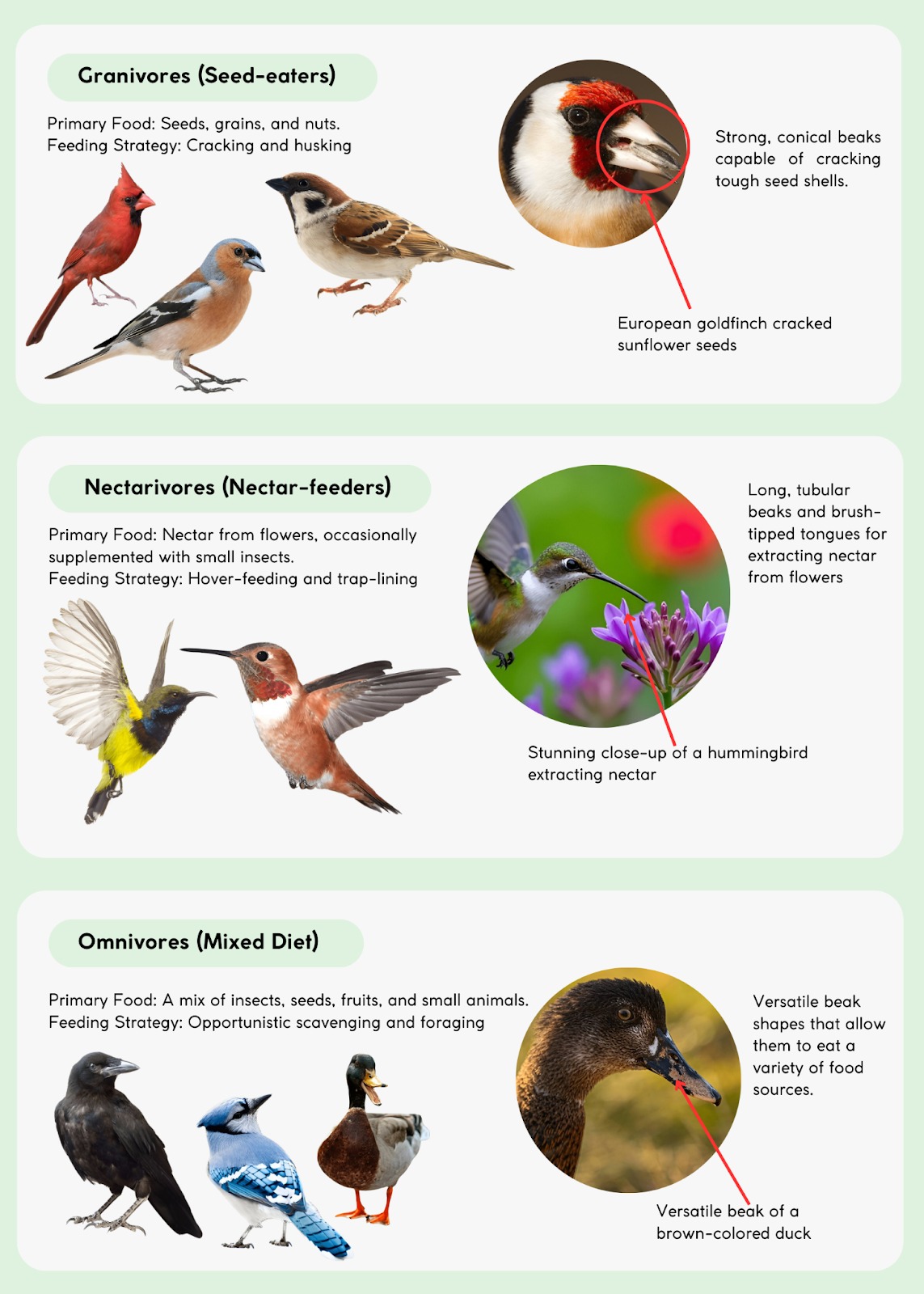
Most garden birds prefer a variety of foods. Seed-eaters like sunflower and millet seeds. Nectar feeders enjoy flowers and sugar water. Insectivores hunt bugs and small insects. Fruit lovers eat berries and soft fruits.
Birds feed at different heights. Some prefer the ground, others stay in bushes or trees. Providing feeders at various levels helps attract more birds. Fresh water is also important for drinking and bathing.
Best Foods For South African Birds
Feeding garden birds in South Africa means offering foods that match their natural diet. Birds need a variety of nutrients to stay healthy and active. Different bird species prefer different foods. Providing a mix of seeds, fruits, and protein sources helps attract many types of birds. This variety supports their energy and growth throughout the year.
Seeds And Grains
Many South African birds enjoy seeds and grains. Sunflower seeds are a favorite for species like sparrows and finches. Millet and sorghum offer good energy and are easy to find. Mixed birdseed blends often work well for various birds. Avoid salted or flavored seeds, as they can harm birds.
- Sunflower seeds
- Millet
- Sorghum
- Mixed birdseed
Fruits And Berries
Fruit-eating birds thrive on fresh and dried fruits. South African birds like waxbills and bulbuls enjoy berries. Offer small pieces of apple, pear, or grapes. Avoid citrus fruits, which can be too acidic. Berries such as mulberries and wild berries provide natural sugars and vitamins.
- Apples
- Pears
- Grapes
- Mulberries
- Wild berries
Insects And Protein Sources
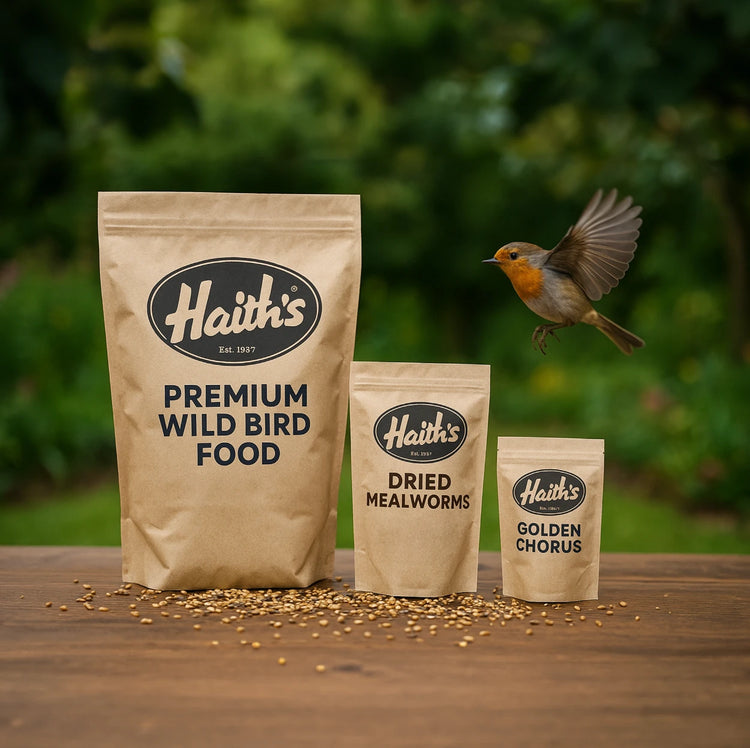
Protein is essential for birds, especially during breeding seasons. Many birds eat insects naturally. Mealworms and crickets are excellent protein sources. Boiled egg pieces provide extra nutrients. Avoid processed or salted meat products. Fresh protein helps birds stay strong and healthy.
- Mealworms
- Crickets
- Boiled egg pieces
Seasonal Feeding Tips
Feeding garden birds in South Africa changes with the seasons. Birds have different needs in summer and winter. Offering the right food keeps them healthy and active. Understanding seasonal feeding helps you support local birdlife year-round.
Summer Feeding Strategies
Summer brings heat and dry conditions. Birds need extra water to stay hydrated. Fresh water is as important as food. Offer water in shallow dishes and keep them clean. Insects become more available, so birds eat less seed.
Provide energy-rich foods like:
- Sunflower seeds
- Mealworms
- Soft fruits such as melon and berries
Place feeders in shaded spots to prevent food spoilage. Refill food and water regularly. Avoid moldy or stale feed during hot months.
Winter Nutrition Needs
Winter is cooler and food is scarce. Birds need more calories to keep warm. Offer high-fat foods to boost their energy. Seeds with fat content help birds survive cold nights.
- Peanuts (unsalted and shelled)
- Sunflower seeds
- Suet cakes or fat balls
Keep water unfrozen by changing it often. Avoid sugary foods. Focus on natural, nutritious options. Regular feeding supports birds during tough winter days.
Credit: haiths.com
Safe Feeding Practices
Feeding garden birds in South Africa can be a joyful and rewarding experience, but it requires careful attention to their safety. Birds are sensitive to what they eat and how their food is presented. By following safe feeding practices, you ensure that your feathered visitors stay healthy and keep returning to your garden.
Avoiding Harmful Foods
Not all foods are safe for garden birds. Avoid giving them bread, salty snacks, or processed foods as these can cause malnutrition or even poisoning. Some fruits like avocado and citrus should be skipped because they are toxic to many bird species.
Instead, offer natural foods such as sunflower seeds, millet, and mealworms. These provide essential nutrients and energy. Have you ever noticed how quickly birds flock to sunflower seeds? It’s their favorite for a reason.
Maintaining Clean Feeding Areas
Keeping your bird feeding area clean is crucial to prevent disease. Old or moldy food can harm birds and spread infections. Clean feeders regularly with warm water and a mild detergent, then rinse well to remove any residue.
Place feeders in locations that stay dry and avoid overcrowding. This reduces the risk of droppings accumulating and keeps birds comfortable. How often do you check your feeding spots for cleanliness? Making it a routine helps protect your garden visitors.
Setting Up Bird Feeders
Setting up bird feeders invites a variety of garden birds to visit and feed safely. Proper feeders help birds find food easily while protecting it from weather and pests. Thoughtful setup increases bird visits and enjoyment.
Types Of Feeders Suitable For South African Birds
- Tube feeders:Great for small seeds like millet and sunflower seeds.
- Platform feeders:Open trays that attract doves and weavers.
- Niger seed feeders:Designed for tiny seeds, loved by sunbirds and sparrows.
- Suet feeders:Hold fat balls or cakes, good for insect-eating birds.
- Fruit feeders:Suitable for babblers and bulbuls, offering fresh or dried fruit pieces.
Placement Tips For Maximum Visits
- Place feeders near natural cover like shrubs or trees for safety.
- Keep feeders at least 1.5 meters off the ground to avoid predators.
- Position feeders away from busy human activity to reduce disturbance.
- Use multiple feeders with different food to attract diverse bird species.
- Ensure feeders are visible from open spaces for easy bird access.
Encouraging Nesting And Shelter
Encouraging garden birds to nest and find shelter in your South African backyard creates a lively and vibrant environment. Birds need safe, comfortable places to raise their young and escape harsh weather. By providing these essentials, you invite more feathered visitors to stay and thrive around your home.
Natural Shelter Options
Think about adding native trees and shrubs that offer thick foliage. Plants like wild olive (Olea europaea) and Cape honeysuckle (Tecoma capensis) provide excellent cover. Birds prefer spots where they feel hidden from predators but still have easy access to food.
Leaving some areas of your garden a bit wild helps too. Dense bushes, tall grasses, and even prickly plants create natural barriers. Have you noticed how birds often choose thorny branches for their nests? This gives them extra protection.
Providing Nesting Materials
You can make a big difference by offering materials birds can use to build their nests. Simple items like dry grass, small twigs, feathers, and even pet hair work well. Scatter these around your garden or place them in a small container.
A personal tip: I once noticed more birds visiting after I left out shredded paper and cotton wool. They seemed to enjoy the soft texture for their nests. What unusual materials might birds in your area prefer? Try experimenting with different options to see what attracts the most activity.
Common Challenges And Solutions
Feeding garden birds in South Africa can be rewarding but comes with challenges. These obstacles may affect bird health and feeding success. Simple solutions help create a safe and efficient feeding environment. Understanding common issues improves your bird-feeding experience.
Dealing With Pests
Pests like ants, rats, and squirrels often invade bird feeders. They eat seeds meant for birds and cause damage. Use feeders designed to keep pests out. Install baffles to block climbing pests. Clean feeders regularly to avoid attracting unwanted visitors. Place feeders away from trees and fences where pests hide. These steps help protect bird food and keep pests away.
Preventing Seed Waste
Birds can scatter seeds, leading to waste and mess. Choose feeders that limit seed spillage. Tube feeders with small holes control seed flow. Use trays with raised edges to catch dropped seeds. Refill feeders in small amounts to reduce waste. Clean spilled seeds to avoid attracting pests. Managing seed waste saves money and keeps the garden tidy.

Credit: www.youtube.com
Credit: jungleaquatics.com
Frequently Asked Questions
What Types Of Seeds Attract South African Garden Birds?
Sunflower seeds, millet, and sorghum are popular choices. These seeds appeal to many local bird species and provide essential nutrients.
Can I Feed Fruit To Garden Birds In South Africa?
Yes, fruits like apples, pears, and berries are excellent. They offer natural sugars and vitamins for a healthy bird diet.
Are Mealworms Good For Attracting Insect-eating Birds?
Mealworms are highly nutritious and attract insectivorous birds. They provide protein, especially during breeding seasons and colder months.
How Often Should I Refill Bird Feeders In My Garden?
Refill feeders every 2-3 days to keep food fresh. Regular refilling encourages consistent visits from birds and supports their energy needs.
Conclusion
Feeding garden birds in South Africa is simple and rewarding. Offer seeds, fruits, and insects. Birds will flock to your garden. Enjoy watching their vibrant colors and lively songs. Provide clean water for drinking and bathing. Keep feeders clean to prevent disease.
Choose local food sources to support native species. Your garden can become a bird haven. Attracting birds helps nature and adds joy to your life. Start today and see the difference. Happy bird watching!