
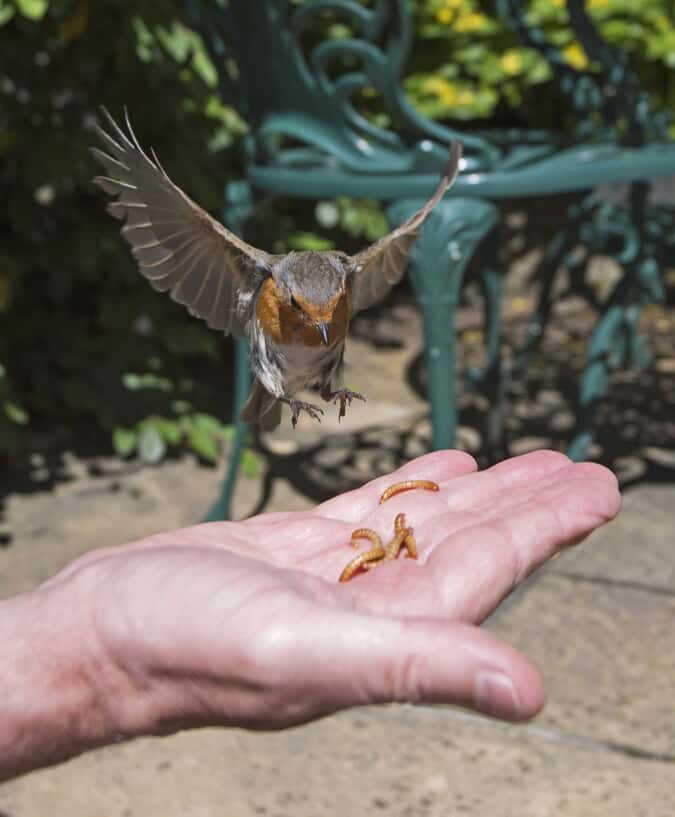
Are you looking for a simple and healthy way to boost your birds’ diet? Feeding mealworms to birds is a fantastic choice that can make your feathered friends happier and healthier.
But you might wonder, how do you do it right? In this guide, you’ll discover easy tips and tricks to safely offer mealworms to your birds, making sure they get the nutrition they need without any hassle. Keep reading, and you’ll learn everything you need to know to make mealtime exciting for your birds!
Benefits Of Feeding Mealworms
Feeding mealworms to birds offers many benefits. These tiny insects provide a rich source of nutrition. Birds enjoy them as a natural, tasty treat. Mealworms can support bird health and attract various species to your garden.
Nutritional Value For Birds
Mealworms are high in protein, essential for bird energy. They contain important fats that help with feather growth. Vitamins and minerals in mealworms support overall bird health. This makes mealworms a balanced food choice for many birds.
Attracting Diverse Bird Species
Mealworms attract a wide range of birds. Bluebirds, robins, and wrens love mealworms. Birds visiting your feeder will increase in variety and number. This creates a lively and interesting bird-watching experience.
Supporting Bird Health And Growth
Mealworms help young birds grow strong and healthy. The protein aids in muscle and tissue development. Healthy fats improve feather quality and shine. Feeding mealworms regularly supports birds through breeding and molting seasons.

Credit: www.livingwithbirds.com
Choosing The Right Mealworms
Choosing the right mealworms is key to keeping your backyard birds healthy and happy. Not all mealworms are created equal, and your choice affects how well the birds enjoy and digest their treat. Understanding the differences and knowing where to find safe options helps you make the best decision.
Live Vs. Dried Mealworms
Live mealworms offer fresh protein and trigger natural hunting instincts in birds. They tend to be more attractive to species like bluebirds and robins, who prefer moving prey. However, live mealworms require proper care and quick feeding to avoid spoilage.
Dried mealworms are convenient and have a longer shelf life. They don’t need refrigeration and are less messy, making them ideal if you want an easy, no-fuss option. But some birds might find them less appealing since they lack movement and moisture.
Sourcing Safe Mealworms
Where you get your mealworms matters a lot. Avoid those from unknown sources or pet stores that don’t guarantee quality. Look for suppliers that raise mealworms specifically for bird feeding or human consumption to minimize pesticide exposure and contamination.
Have you checked if the mealworms are free from harmful chemicals or additives? Buying from reputable breeders or local farms can reduce risks. You want to offer your feathered friends a safe, nutritious snack, not one that could make them sick.
Storage Tips For Freshness
Proper storage keeps mealworms fresh and nutritious longer. For live mealworms, store them in a cool place (around 40°F or 4°C) in a ventilated container with some bran or oats to eat. Avoid moisture buildup, which can cause mold and kill your mealworms.
Dried mealworms should be kept in an airtight container in a dry, dark spot. This prevents them from becoming stale or attracting pests. Do you know that freezing dried mealworms can extend their shelf life even further without losing nutrients?
Preparing Mealworms For Birds
Preparing mealworms for birds ensures they get safe and nutritious treats. Proper preparation helps avoid health risks and makes mealworms more appealing. Follow simple steps to clean, measure, and combine mealworms with other foods.
Cleaning And Handling
Rinse live mealworms gently under cool water to remove dirt. Avoid using soap or chemicals. Pat them dry with a clean cloth or paper towel. Use clean hands or gloves to handle mealworms and prevent contamination. Store mealworms in a cool, dry place before feeding.
Portion Size Recommendations
Feed mealworms in small amounts to avoid overfeeding. Start with 5 to 10 mealworms per bird per day. Adjust portions based on bird size and appetite. Too many mealworms can cause digestive issues. Use mealworms as treats, not main food.
Mixing With Other Foods
Combine mealworms with seeds, fruits, or vegetables to balance nutrition. Birds enjoy variety in their diet. Mixing helps prevent boredom and encourages natural foraging. Offer mealworms alongside regular bird food for a healthy mix.

Credit: avibirds.com
Feeding Techniques
Feeding mealworms to birds can be a rewarding experience, but how you present the mealworms plays a big role in attracting a variety of feathered visitors. Using the right feeding techniques not only ensures the birds get the nutrition they need but also keeps your backyard lively. Let’s look at practical ways to offer mealworms effectively to your avian friends.
Using Feeders And Platforms
Offering mealworms in the right container makes a difference. Shallow feeders or small dishes work best, allowing birds to easily access the mealworms without competition or crowding.
Platforms placed at different heights can attract various bird species. Ground platforms appeal to birds that feed low, while hanging feeders draw those comfortable at higher spots.
Keep the feeding area clean by regularly removing uneaten mealworms. This prevents mold and keeps birds coming back for fresh treats.
Feeding Frequency And Timing
Mealworms are best offered during early morning or late afternoon when birds are most active. This timing increases the chances of your offerings being noticed and eaten quickly.
Feeding daily or every other day maintains a reliable food source. But avoid overfeeding to prevent dependency or waste.
Watch how your local birds respond and adjust the frequency based on their activity. Sometimes less is more to keep them interested.
Encouraging Shy Birds To Feed
Shy birds often hesitate to approach new food sources. Start by placing mealworms near natural cover like bushes or trees to provide a sense of security.
You can also scatter a few mealworms on the ground before filling the feeder. This gentle introduction can build trust over time.
Are you patient enough to let the birds discover your offerings at their own pace? Giving them space and time can lead to regular visits from even the most cautious species.
Safety Considerations
Feeding mealworms to birds can be a rewarding experience, but safety should always come first. You want to keep your feathered friends healthy and happy while offering this nutritious treat. Paying attention to a few key safety considerations ensures that mealworms remain a beneficial addition to their diet.
Avoiding Overfeeding
Mealworms are high in protein and fat, which means they should be fed in moderation. Too many can upset a bird’s digestive system or lead to weight gain. Try offering mealworms as a special treat rather than a daily meal to keep your birds balanced.
Think about how often you snack between meals. Birds need variety just like you do. Overfeeding mealworms can crowd out other essential nutrients in their diet.
Preventing Contamination
Mealworms must be fresh and clean to avoid spreading bacteria or parasites. Always source them from reputable suppliers and store them properly in a cool, dry place. Wash your hands before and after handling mealworms to prevent cross-contamination.
Discard any mealworms that look discolored, dry, or have an unusual smell. These signs indicate spoilage or contamination, which can harm your birds. Keeping feeders clean also helps reduce risk.
Monitoring Bird Health
After introducing mealworms, watch your birds closely for any changes in behavior or digestion. Signs like diarrhea, lethargy, or reduced appetite may mean the mealworms aren’t agreeing with them. Adjust the feeding amount or frequency accordingly.
Have you noticed how your birds react to new foods? Keeping a simple journal can help track what works best. This practice makes feeding safer and more enjoyable for both you and your birds.
Common Challenges And Solutions
Feeding mealworms to birds has its challenges. These issues can affect the birds’ health and your feeding success. Knowing common problems and their easy fixes helps create a better feeding experience. Below are common challenges you may face and simple solutions.
Dealing With Pest Problems
Mealworms can attract unwanted pests like ants, flies, or rodents. These pests can scare away birds and spoil the food. To keep pests away:
- Use feeders with small openings to block pests.
- Place feeders away from the ground to reduce rodent access.
- Clean feeding areas often to remove spilled mealworms and waste.
- Use natural deterrents like peppermint oil around feeding spots.
Keeping Mealworms Fresh
Mealworms spoil quickly in heat and moisture. Fresh mealworms are more appealing to birds. To keep them fresh longer:
- Store mealworms in a cool, dry place before feeding.
- Use a shallow dish with good drainage to avoid soggy worms.
- Feed small amounts at a time to prevent leftovers.
- Refrigerate extra mealworms to extend their shelf life.
Attracting Specific Bird Species
Different birds prefer different mealworm types and feeding setups. Some birds like live mealworms, others prefer dried. To attract certain species:
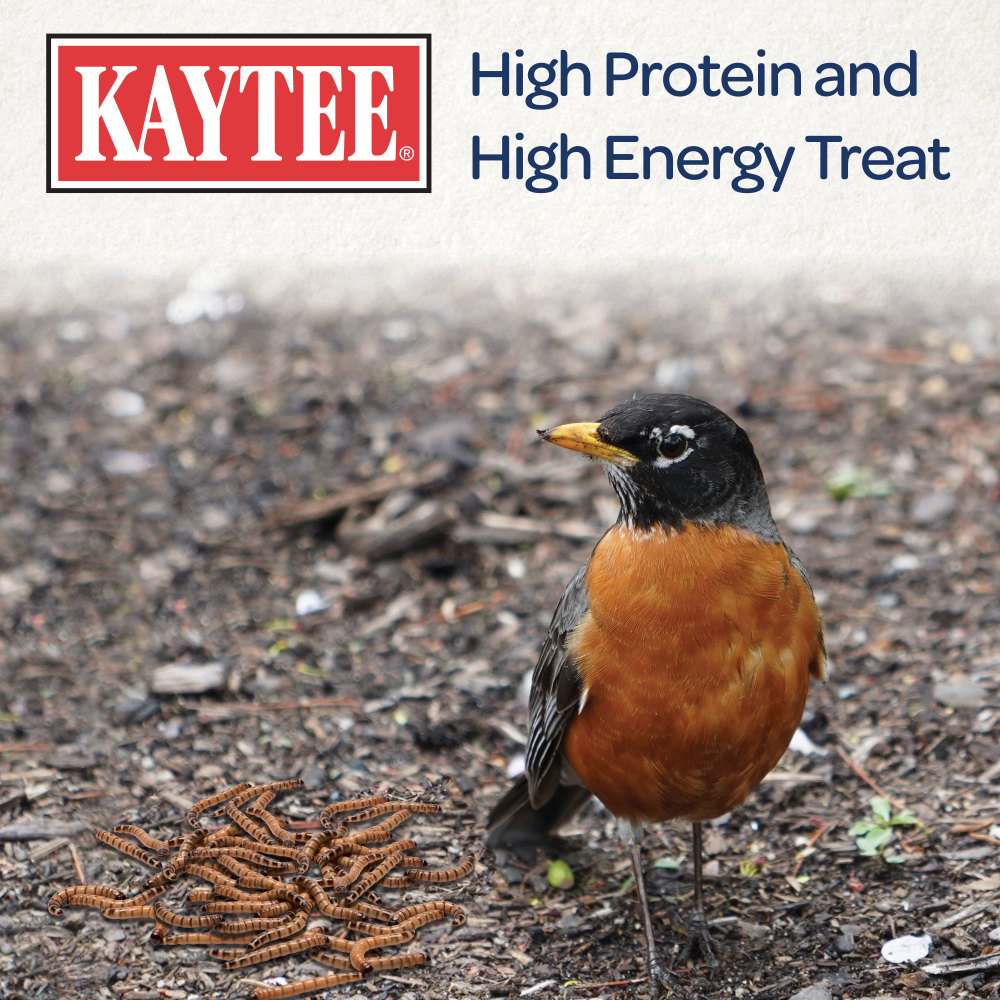
- Offer live mealworms on open trays to attract robins and bluebirds.
- Use mesh feeders for smaller birds like chickadees and wrens.
- Place feeders in quiet, sheltered areas to make birds feel safe.
- Combine mealworms with other foods to attract a variety of birds.
Credit: www.kaytee.com
Frequently Asked Questions
What Are The Benefits Of Feeding Mealworms To Birds?
Mealworms are rich in protein and fat, essential for birds’ energy and growth. They attract many wild birds and improve their health. Feeding mealworms supports birds during breeding and molting seasons when nutrition needs rise.
How Should I Offer Mealworms To Wild Birds?
Place mealworms in shallow dishes or feeders at ground level or on platforms. Keep the feeding spot clean and dry. Fresh mealworms should be offered daily to prevent spoilage and attract more birds.
Can I Feed Mealworms To All Bird Species?
Most insect-eating birds enjoy mealworms, including robins, bluebirds, and wrens. However, seed-eating birds may not prefer them. It’s best to observe which birds visit and adjust feeding accordingly.
Should Mealworms Be Live Or Dried For Birds?
Both live and dried mealworms are suitable. Live mealworms stimulate natural hunting behavior. Dried mealworms are convenient, last longer, and reduce mess. Offering a mix can appeal to more bird species.
Conclusion
Feeding mealworms to birds is easy and rewarding. Birds love them. Start with small amounts. Gradually increase as needed. Always choose high-quality mealworms. Fresh or dried, both work well. Ensure a clean feeding area. This keeps birds healthy. Watch the birds enjoy their treat.
It’s a delightful experience for everyone. Mealworms provide essential nutrients. They help birds grow strong. Try different feeding spots. Observe which works best. Keep a routine for feeding. This builds trust with the birds. Enjoy the beauty of nature. Happy bird feeding!