
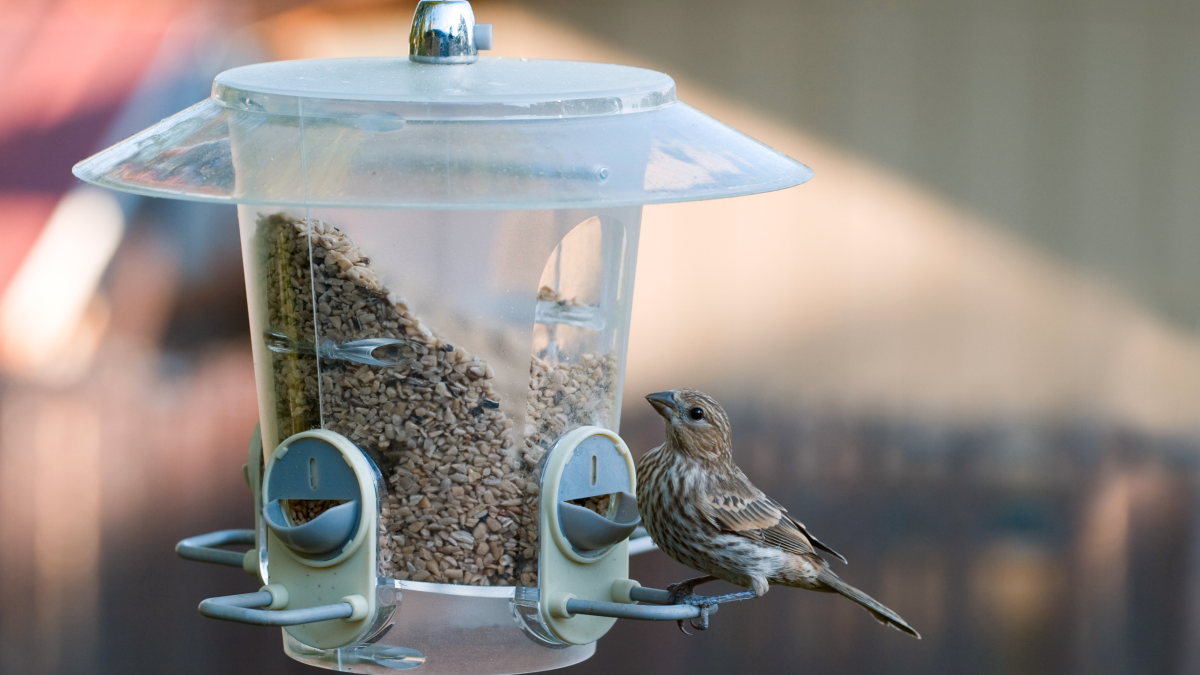
As the leaves turn golden and the air grows crisp, you might notice more wild birds visiting your garden. But do you know what to feed wild birds in autumn to keep them healthy and happy?
Choosing the right food can make a big difference for these feathered friends as they prepare for colder months. You’ll discover simple, effective ways to attract and nourish wild birds during autumn. Keep reading to learn how you can make your outdoor space a vital stop for them this season.
Best Seeds For Autumn Birds
Choosing the best seeds for autumn birds can transform your backyard into a lively haven. As the seasons change, birds need energy-rich foods to prepare for colder days. Providing the right seeds helps them stay strong and healthy.
Sunflower Seeds
Sunflower seeds are a top favorite among many bird species. Their high fat content gives birds the energy boost they need during chilly autumn mornings. Black oil sunflower seeds are especially popular because their thin shells are easy for birds to crack open.
If you want to attract a variety of birds like chickadees, nuthatches, and finches, sunflower seeds are a must-have. Have you noticed how squirrels often go after these seeds too? Using a feeder designed to deter squirrels can help keep your bird supply safe.
Millet And Sorghum
Small birds such as sparrows and juncos love millet and sorghum. These tiny seeds are easy for smaller birds to handle and digest. Millet, in particular, is excellent for ground-feeding birds, so scattering some on the ground can encourage more visitors.
Offering a mix of millet and sorghum adds variety and ensures you’re feeding different bird species. Have you thought about how seed size influences which birds come to your feeder? Adjusting seed types can help you attract the birds you want to see.
Safflower Seeds
Safflower seeds are a bit less common but highly beneficial for autumn birds. They have a tough shell that many squirrels and larger birds avoid, making them ideal if you want to minimize seed theft. Cardinals, grosbeaks, and titmice particularly enjoy safflower seeds.
Adding safflower seeds to your feeding mix can reduce waste and attract unique bird visitors. Have you tried mixing safflower seeds with other types to see which birds prefer them? This simple experiment can make your birdfeeding routine more interesting.
Nut Choices For Wild Birds
Nuts are a rich food source for wild birds in autumn. They provide essential fats and proteins. These nutrients help birds build energy for colder days. Choosing the right nuts can attract many bird species to your garden. It also supports their health through the changing season.
Peanuts And Their Benefits
Peanuts are a favorite among many wild birds. They contain high fat content and protein. These nutrients help birds stay warm and active. Peanuts are easy for birds to crack open with their strong beaks. They also support growth and feather health.
Offer peanuts in shell or shelled form. Avoid peanut butter, as it can be sticky and harmful. Use feeders designed for nuts to keep peanuts fresh.
Walnuts And Almonds
Walnuts provide birds with healthy fats and vitamins. Their hard shells protect the nut inside, keeping it fresh longer. Some birds enjoy cracking open walnuts for the tasty kernel.
Almonds offer similar benefits. They are rich in nutrients and energy. Birds with strong beaks, like jays and woodpeckers, favor almonds. Chop large nuts into smaller pieces for easier eating.
Avoiding Salted Or Roasted Nuts
Salted or roasted nuts can harm wild birds. Salt disrupts their water balance and causes dehydration. Roasting often adds oils and flavors that are unhealthy. Always provide raw, unsalted nuts for feeding.
Check labels before buying nuts. Choose natural, untreated varieties to keep birds safe and healthy.
Fruits To Attract Autumn Birds
Fruits play a key role in attracting birds during autumn. Their natural sweetness and moisture provide essential energy as birds prepare for colder months. Offering the right fruits can turn your garden into a lively bird hotspot filled with vibrant colors and cheerful chirps.
Berries And Their Appeal
Berries like blackberries, blueberries, and elderberries are a favorite snack for many autumn birds. They are rich in antioxidants and sugars, giving birds a quick energy boost. You might notice increased visits from robins, thrushes, and waxwings when you provide a variety of berries.
Planting berry bushes or placing fresh berries in feeders can make a big difference. Have you ever watched a group of birds excitedly picking at ripe berries? It’s a simple way to support their diet and enjoy their activity up close.
Apples And Pears
Apples and pears offer a juicy treat that many birds appreciate. Cut them into slices or chunks to make it easier for smaller birds to eat. These fruits are packed with vitamins and water, helping birds stay hydrated as the air grows drier.
Try placing apple and pear pieces on a platform feeder or scatter them on the ground to attract different species. You might find woodpeckers and jays eagerly pecking at these tasty morsels. Have you ever considered how such common fruits can brighten your backyard’s wildlife scene?
Avoiding Overripe Or Moldy Fruits
It’s important to keep the fruit fresh to protect birds from harmful bacteria or mold. Overripe or moldy fruits can cause illness, so always check and replace them regularly. Remove any uneaten fruit at the end of the day to maintain a clean feeding area.
Keeping an eye on the fruit’s condition shows respect for the birds’ health and keeps them coming back. When was the last time you inspected your bird feeder for freshness? Small habits like this can make a big difference in the wellbeing of your feathered visitors.

Credit: dengarden.com
Supplemental Foods For Energy
Wild birds need extra energy in autumn to stay warm and active. Supplemental foods help them build fat reserves for cold days. These foods provide essential nutrients and calories.
Energy-rich foods support birds’ survival during shorter days. Feeding the right types helps maintain their health and strength.
Suet And Fat Balls
Suet is a high-energy food made from animal fat. It offers birds a dense calorie source. Fat balls combine suet with seeds and grains. These balls attract many bird species.
Suet and fat balls are ideal in cold weather. They provide warmth and stamina. Hang them in mesh bags or feeders.
Mealworms And Insects
Mealworms and insects are natural protein sources. Birds need protein for muscle and feather growth. Live or dried mealworms work well. They mimic birds’ natural diet in autumn.
Insects give energy and vital nutrients. Offer them in small dishes or feeders. They attract insect-eating birds like robins and blue tits.
Avoiding Bread And Junk Food
Bread and junk food offer little nutrition for birds. They fill stomachs but lack energy and vitamins. Feeding these foods can harm birds’ health.
Stay away from salty, sugary, or processed snacks. Use natural and nutritious options instead. Birds thrive on foods that match their needs.
Setting Up A Bird Feeding Station
Setting up a bird feeding station in autumn invites colorful visitors to your yard. Birds need energy to stay warm as temperatures drop. A well-prepared feeding spot offers food and shelter. It also creates a safe place for birds to rest. The right setup encourages birds to return often. Here’s how to create a welcoming feeding station.
Choosing The Right Feeder
Select feeders that suit the types of birds in your area. Tube feeders attract small songbirds like finches and chickadees. Platform feeders work well for larger birds such as jays and doves. Suet feeders provide high-energy food for woodpeckers and nuthatches. Use feeders made from durable, weather-resistant materials. Avoid feeders with sharp edges or loose parts. Clean feeders with simple designs to make maintenance easier.
Placement For Safety And Visibility
Place feeders where birds feel safe from predators. Position feeders at least 5 feet away from bushes or trees where cats may hide. Keep feeders visible from windows so you can enjoy birdwatching. Avoid placing feeders too close to busy walkways. A clear view helps birds spot food and watch for danger. Consider hanging feeders near natural cover like shrubs or evergreens. This gives birds quick shelter if needed.
Maintaining Cleanliness
Clean feeders regularly to prevent disease spread among birds. Use warm water and mild soap for washing. Rinse feeders thoroughly and dry before refilling. Remove old or moldy food daily. Spread seed on trays or ground only in small amounts. Avoid overcrowding feeding areas to reduce waste. Keep the ground below feeders free from droppings and husks. Proper hygiene keeps birds healthy and visiting often.

Credit: www.amazon.ae

Credit: www.housebeautiful.com
Frequently Asked Questions
What Types Of Seeds Attract Autumn Wild Birds?
Sunflower seeds, safflower, and millet attract many autumn wild birds. These seeds provide essential fats and energy for migration and cold weather.
Can I Feed Wild Birds Fruits In Autumn?
Yes, wild birds enjoy fruits like apples, berries, and raisins in autumn. These fruits provide natural sugars and vitamins to boost their health.
How Often Should I Refill Bird Feeders In Autumn?
Refill bird feeders every two to three days in autumn. This ensures a steady food supply as natural resources dwindle during colder months.
Are Suet Cakes Good For Wild Birds In Autumn?
Suet cakes are excellent for wild birds in autumn. They offer high energy and fat, vital for birds preparing for winter.
Conclusion
Feeding wild birds in autumn is essential for their well-being. Offer seeds, nuts, and berries for a varied diet. Keep feeders clean to prevent diseases. Choose foods rich in fats and proteins. These help birds stay warm during cold nights.
Avoid processed foods; they harm birds. Fresh water is also crucial for hydration. Monitor the feeders regularly. Refill them as needed. By supporting birds, you enrich your autumn experience. Enjoy watching them visit your garden. Their presence brings joy and life.