
Finding an injured baby bird can be upsetting, and you might wonder, “What can I feed an injured baby bird?” You want to help, but feeding the wrong food can harm the little creature.
You’ll discover simple, safe options that can keep the baby bird alive and healthy until it gets professional care. Keep reading to learn exactly what your new feathered friend needs right now.
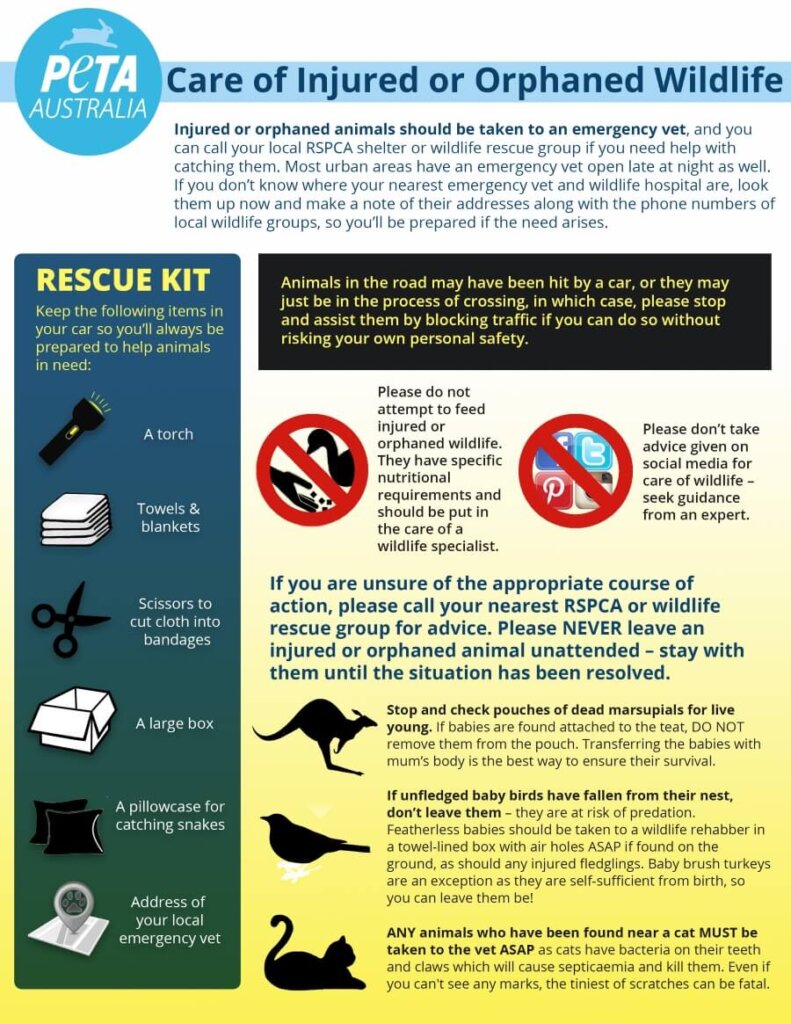
Credit: www.peta.org.au
Identifying The Baby Bird’s Needs
Identifying the needs of an injured baby bird is the first crucial step before you decide what to feed it. Each bird has unique requirements based on its age, species, and condition. Understanding these factors helps you provide the right care and improves the bird’s chances of recovery.
Determining Age And Species
Knowing the baby bird’s age guides you on what type of food and feeding technique to use. Nestlings—very young birds with closed eyes or little feather development—need soft, frequent meals. Fledglings, which have some feathers and can hop or flutter, require different feeding approaches and diets.
Species also matter a lot. Some birds eat insects, while others prefer seeds or fruit. If you can identify the species, research its natural diet to avoid feeding harmful or unsuitable food. Have you ever tried feeding a seed to a baby insectivore? It often leads to more harm than good.
Signs Of Injury And Distress
Look closely for any visible injuries like bleeding, broken wings, or swollen body parts. These signs indicate the bird needs immediate veterinary care beyond just food. Also, watch for behavioral signs such as lethargy, unresponsiveness, or difficulty breathing.
Stress can worsen a baby bird’s condition. If the bird is shaking or panting, it might be scared or in shock. Your role is to keep it calm and safe while you figure out its needs. How can you tell if the bird’s distress is due to injury or just fear? Observing subtle body language can give you clues.
Credit: besgroup.org
Safe Feeding Practices
Feeding an injured baby bird requires careful attention to safety. Proper feeding helps the bird heal and gain strength. Avoid causing stress or harm during feeding. Use gentle, clean methods to ensure the baby bird stays healthy.
Proper Feeding Frequency
Baby birds need food often. Feeding too much or too little can cause harm. Offer small amounts every 15 to 20 minutes during daylight hours. Younger birds need more frequent feeding than older ones. Watch the bird’s crop to avoid overfeeding. Never feed late at night as the bird needs rest.
Choosing The Right Feeding Tools
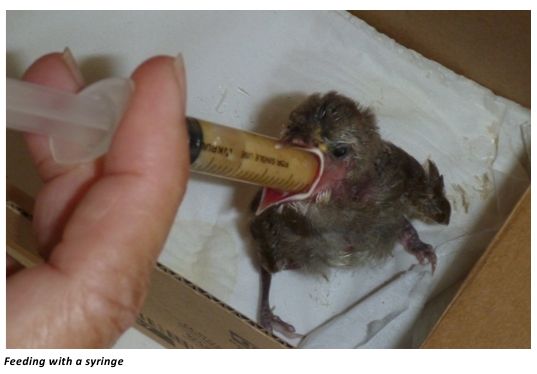
Select tools that are safe and easy to use. A small syringe or eyedropper works well for tiny birds. Use soft-tipped tools to prevent injury to the mouth. Avoid using forks or spoons that can hurt the bird. Always clean tools before and after use to stop germs. Warm the food to room temperature before feeding.
Suitable Food Options
Feeding an injured baby bird requires care and the right food choices. The bird’s diet should be easy to digest and full of nutrients. Proper nutrition helps the bird heal and gain strength fast. Choosing suitable food ensures the bird stays healthy during recovery.
Homemade Food Recipes
Simple homemade foods work well for baby birds. You can prepare soft, nutritious meals with common ingredients. Avoid anything hard or too dry.
- Mix soaked dog or cat kibble with water until soft.
- Blend boiled eggs with a little water for protein.
- Use finely crushed mealworms for extra nutrients.
- Cooked rice or oatmeal can provide energy.
- Mix small pieces of soft fruits like banana or apple.
Always mash food finely to avoid choking. Keep portions small and feed frequently.
Avoiding Harmful Foods
Many foods harm baby birds and slow recovery. Stay away from salt, sugar, and processed foods. Do not feed milk or bread. These can upset their stomach or cause illness.
- No chocolate or caffeine.
- Do not give raw meat or fish.
- Avoid citrus fruits that may irritate.
- Never feed spicy or salty snacks.
- Do not offer honey or syrup, which can be harmful.
Always provide fresh water alongside food. Clean feeding tools to prevent infection.

Credit: www.youtube.com
Hydration Tips For Baby Birds
Hydration is vital for the health of an injured baby bird. Water helps keep their body functions working well. It also aids healing and supports their energy levels. Providing water safely is important to avoid harm. Watch closely for signs of dehydration to act quickly.
How To Provide Water Safely
Use a small dropper or syringe to give water. Avoid forcing water into the bird’s mouth. Let the bird drink slowly to prevent choking. Offer water in tiny amounts at a time. Use clean, room temperature water only. Never give water mixed with salt, sugar, or milk. Keep the bird calm during hydration to reduce stress.
Recognizing Dehydration
Look for dry or sticky mouth and tongue. Check if the bird’s skin feels loose or wrinkled. Notice if the bird is weak or lethargic. Eyes may appear dull or sunken. The bird might refuse to eat or drink. Dehydration can worsen quickly, so watch these signs closely. Prompt hydration can make a big difference.
Handling And Care Precautions
Handling an injured baby bird needs care and patience. Gentle touch and calm movements help avoid more harm. Careful handling also prevents stress that can slow healing. Every action should focus on the bird’s comfort and safety. Understanding simple care steps can improve the bird’s chance to recover.
Minimizing Stress During Feeding
Stress can harm a fragile baby bird’s health. Keep feeding times quiet and calm. Speak softly or stay silent. Use slow, gentle motions to feed. Avoid sudden movements that may scare the bird. Offer food in small, easy bites. Watch the bird’s reaction and stop if it struggles. Give breaks between feeding to help it relax. Holding the bird firmly but gently supports feeding without causing fear.
Keeping The Bird Warm And Comfortable
Baby birds cannot control their body temperature well. Warmth helps them feel safe and heal faster. Use a soft cloth or small towel as bedding. Place a heat source nearby, like a warm water bottle wrapped in cloth. Keep the temperature steady, not too hot or cold. Avoid direct heat that can burn. Check the warmth often to keep it just right. A cozy environment makes the bird less stressed and more ready to eat.
When To Seek Professional Help
Knowing when to seek professional help is crucial for the well-being of an injured baby bird. While it might be tempting to care for the bird yourself, some situations require expert attention to ensure the best chance of survival and recovery. Recognizing these moments can prevent further harm and provide the bird with the specialized care it needs.
Signs That Require Veterinary Attention
Not all injuries are easy to spot, but some signs clearly indicate a baby bird needs a vet. Look for:
- Visible wounds or bleedingthat won’t stop after gentle pressure.
- Broken or drooping wings or legsthat the bird cannot move properly.
- Unusual lethargy or unresponsiveness, such as the bird not reacting to touch or sound.
- Difficulty breathingor persistent gasping.
- Discharge from eyes, beak, or vent, which might signal infection.
If you notice any of these signs, don’t delay. The bird’s condition can worsen quickly without proper treatment.
Contacting Wildlife Rehabilitation Centers
Professional wildlife rehabilitators have the skills and resources to care for injured baby birds. They understand the specific dietary and environmental needs that a recovering bird requires.
Before you bring a bird to a rehab center, call ahead. Explain the bird’s condition and follow their advice carefully. They may give you instructions on how to safely transport the bird or offer immediate care tips.
Have you ever wondered if a local rehab center could be your best option? Many communities have dedicated professionals ready to help, and finding them could be a lifeline for the injured bird in your care.
Frequently Asked Questions
What Is The Best Food For An Injured Baby Bird?
The best food is soft, protein-rich insects like mealworms or crickets. Avoid bread or milk, as these harm baby birds. Use a syringe or tweezers for feeding small amounts carefully.
How Often Should I Feed An Injured Baby Bird?
Feed every 20 to 30 minutes from dawn to dusk. Young birds need frequent meals for energy and healing. Avoid overfeeding to prevent choking or digestive issues.
Can I Feed Water To An Injured Baby Bird?
Do not give water directly; it can cause choking. Baby birds get hydration from their food. If necessary, moisten food slightly to provide fluids safely.
Should I Use Special Supplements For Injured Baby Birds?
Supplements are usually unnecessary if feeding natural insects and soft foods. Consult a wildlife rehabilitator before using vitamins to avoid overdosing or harm.
Conclusion
Feeding an injured baby bird requires care and patience. Use simple foods like soaked dog kibble, cooked eggs, and mealworms. Always ensure food is soft and easy to digest. Keep feeding intervals consistent. Watch the bird closely for any signs of distress.
Gently encourage eating without forcing. Consult a wildlife expert if unsure. Proper nutrition helps recovery. Your efforts could save a life. Remember, each small action matters. Providing the right care helps the bird heal. Always prioritize the bird’s safety and health.
Your compassion makes a difference.