
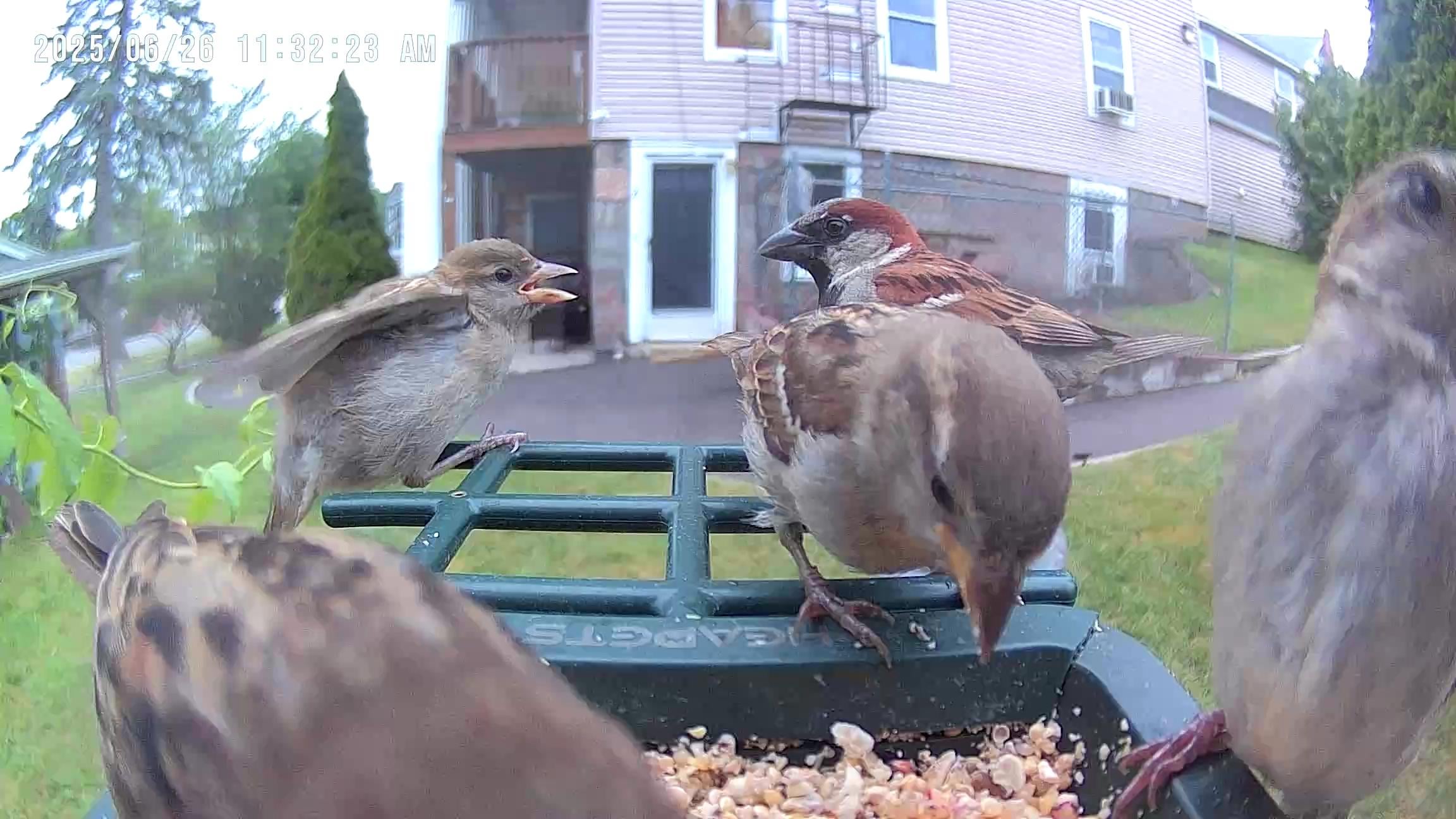
Are you wondering why your bird feeder sits empty while other feeders nearby are full of lively visitors? It can be frustrating to put out food and wait, only to see no birds at all.
You might be missing a few simple but important details that make all the difference. You’ll discover the common reasons why birds avoid your feeder and what you can do right now to turn your yard into a buzzing bird hotspot.
Keep reading—your feathered friends are closer than you think!
Common Reasons Birds Avoid Feeders
Not seeing birds at your feeder can be frustrating, especially when you’re eager to enjoy their visits. Several common reasons might explain why birds are steering clear of your feeder. Understanding these factors can help you make simple adjustments that invite birds back quickly.
Placement Issues
Where you place your feeder matters a lot. If it’s too close to windows, birds might fear flying into glass. Placing feeders near dense shrubs or trees can offer birds a quick escape route from predators, making them feel safer.
Have you checked if your feeder is in a high-traffic or noisy area? Birds tend to avoid places with constant disturbance or human activity. Try moving your feeder to a quieter, more sheltered spot and watch if the visits increase.
Feeder Cleanliness
Dirty feeders repel birds more than you might expect. Old food and mold can make your feeder less attractive and even harmful. Regularly cleaning your feeder with warm water and mild soap can keep it inviting and safe for your feathered guests.
I once ignored this and noticed almost no visitors for weeks. After a thorough cleaning, birds returned within days. Cleanliness isn’t just about looks—it’s about health and trust.
Food Quality
Birds are picky eaters. Using stale or low-quality seed can turn them away. Fresh, high-quality seed tailored to the species in your area makes a big difference.
Have you tried mixing your seed types or adding favorites like sunflower seeds or suet? This can attract a wider variety of birds and keep them coming back regularly.
Predator Presence
Predators like cats, hawks, or even aggressive squirrels near your feeder create a sense of danger. Birds will avoid feeders where they feel threatened. Watch your feeder area at different times to spot any lurking predators.
Consider installing baffles or placing feeders in spots that reduce predator access. Giving birds a safe feeding zone encourages frequent visits.
Weather Conditions
Weather plays a surprising role in bird feeder visits. Extreme heat, cold, or heavy rain can reduce bird activity temporarily. During harsh weather, birds conserve energy and may avoid open feeders.
Have you noticed fewer birds during storms or heatwaves? Offering fresh water and food during mild weather can help them recover and return faster.
Credit: feederwatch.org
Choosing The Right Feeder Location
Choosing the right feeder location plays a big role in attracting birds. Birds feel safe and comfortable in spots that meet their needs. The feeder should be easy to see but also protect birds from predators. Placement affects how often birds visit and how long they stay.
Visibility And Safety
Birds need to see the feeder clearly to find food quickly. Place feeders in open areas where birds can spot them from a distance. At the same time, the spot must feel safe. Avoid places where cats or other predators can hide nearby. A clear line of sight helps birds watch for danger.
Proximity To Cover
Birds like to be near trees or shrubs. These provide shelter and a quick escape if a predator appears. Keep feeders close to natural cover but not too close to avoid predator ambushes. A good distance is about 10 to 15 feet from thick bushes or trees.
Avoiding High Traffic Areas
Busy places with many people or pets scare birds away. Loud noises and sudden movements make birds nervous. Choose quiet spots away from doors, windows, and walkways. This peaceful environment encourages birds to visit more often and feel relaxed while feeding.
Maintaining Feeder Hygiene
Maintaining feeder hygiene is key to attracting birds to your feeder. Dirty feeders can scare birds away and cause health problems. Keeping feeders clean creates a safe space for birds to eat and return often. Regular care also helps prevent spread of diseases among bird populations.
Cleaning Frequency
Clean your bird feeder at least once every two weeks. Increase cleaning during wet weather or heavy use. Remove old seeds and debris before adding fresh food. Rinse well with warm water to remove dirt and residue. Allow the feeder to dry fully before refilling to prevent mold growth.
Preventing Mold And Disease
Mold can grow quickly on leftover seeds and damp areas. Use a mixture of one part white vinegar to four parts water for deep cleaning. Scrub all surfaces with a brush to remove mold and bacteria. Avoid using harsh chemicals that can harm birds. Proper cleaning stops diseases like salmonella from spreading among birds.

Credit: www.reddit.com
Selecting Bird-friendly Food
Choosing the right food for your bird feeder is crucial if you want to attract a variety of birds to your yard. The type of seeds or snacks you offer can either invite a lively crowd or leave your feeder empty. Understanding what birds prefer helps you tailor your feeding strategy and see more feathered visitors.
Popular Seed Types
Black oil sunflower seeds are a top favorite among many bird species. Their thin shells make them easy to crack open, attracting cardinals, chickadees, and finches alike. Another good choice is nyjer seed, which is loved by finches and siskins but requires a special feeder to prevent waste.
Mixed seed blends might seem like a good idea, but some contain filler seeds that birds often ignore. Instead, choose blends with a high percentage of sunflower seeds or safflower seeds, which appeal to a broader range of birds. Suet and peanuts can also add variety and attract woodpeckers and nuthatches.
Avoiding Spoiled Food
Birds are sensitive to old or moldy seeds and will avoid feeders that offer spoiled food. Regularly cleaning your feeder and replacing seeds every few days can keep your feeding station fresh and inviting. Moisture is a common culprit for spoilage, so consider a feeder with good drainage to prevent seed rot.
Have you checked if your feeder is holding onto wet seeds after a rain? Wet seeds can clump and spoil quickly, turning birds away. Keeping an eye on your feeder’s condition can make a big difference in whether birds return or fly off to fresher options.
Reducing Predator Threats
Birds stay away from feeders when predators are near. Reducing threats can help birds feel safe. A secure feeding spot invites birds to visit often. Understanding common predators and how to deter them is key.
Common Predators
- Domestic cats often hunt birds near feeders.
- Birds of prey like hawks watch from above.
- Squirrels sometimes scare smaller birds away.
- Snakes can also pose a risk to birds.
Predators make birds nervous. They avoid areas with high risk. Knowing these threats helps create a safer feeding space.
Deterrent Strategies
- Place feeders away from places cats can hide.
- Use baffles on poles to block climbing animals.
- Hang feeders near shrubs for quick bird cover.
- Install decoys like fake owls to scare hawks.
- Keep the area clean to avoid attracting unwanted animals.
Small changes protect birds and encourage visits. Safe feeders make birds comfortable and confident.
Impact Of Seasonal Changes
Seasonal changes greatly affect bird activity around feeders. Birds respond to shifts in temperature, daylight, and food availability. These changes alter their behavior and presence in your yard. Understanding these effects helps explain why birds may disappear from feeders at certain times of the year.
Migration Patterns
Many birds migrate to warmer areas as seasons change. During fall and spring, bird populations near feeders drop sharply. Birds travel long distances to find better climates and food sources. Your feeder may see fewer visitors because they are on the move.
Migration timing depends on species and weather conditions. Some birds leave early, while others stay longer. This natural movement reduces bird activity at feeders during these periods.
Feeding Habits Shift
Birds change their feeding habits with the seasons. In warmer months, natural foods like insects and berries are plentiful. Birds prefer these fresh foods over feeder seeds. This reduces visits to feeders in spring and summer.
During colder months, natural food is scarce. Birds rely more on feeders for energy. Seeds, suet, and nectar become vital food sources. Your feeder becomes a hotspot again as birds seek easy meals.
Attracting More Birds
Attracting more birds to your feeder requires creating an inviting space. Birds need food, water, and shelter close by. A few simple changes can make a big difference in bird visits. Focus on variety and comfort to draw different bird species. Small efforts often bring the best results.
Using Multiple Feeders
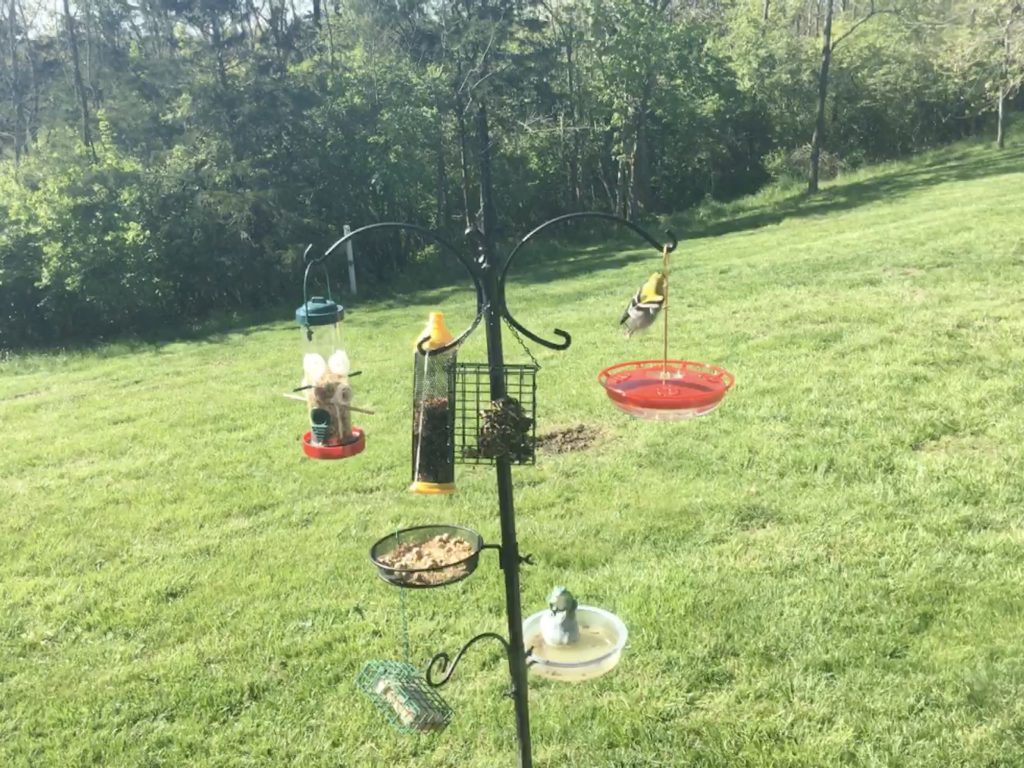
Place several feeders around your yard. Different feeders hold various seeds and attract diverse birds. Spreading feeders reduces crowding and competition. Offer sunflower seeds, nyjer, and millet for variety. Clean feeders regularly to keep birds healthy.
Adding Water Sources
Birds need water for drinking and bathing. A shallow birdbath works well. Keep water fresh and clean every day. Moving water, like a small fountain, attracts more birds. Place water near feeders but in a safe spot.
Incorporating Native Plants
Native plants provide natural food and shelter. They attract insects that birds eat. Use bushes, flowers, and trees local to your area. Native plants also offer safe nesting spots. Plant a mix for year-round bird support.
Credit: www.housedigest.com
Frequently Asked Questions
Why Are Birds Not Visiting My Feeder?
Birds may avoid feeders due to location, food type, or predators nearby. Ensure your feeder is clean, filled with fresh seed, and placed in a safe, quiet spot to attract birds.
How Can I Attract More Birds To My Feeder?
Use high-quality seeds like sunflower or nyjer. Place feeders near shrubs or trees for shelter. Regularly clean feeders and avoid sudden changes to keep birds coming back.
Could Feeder Placement Affect Bird Visits?
Yes, feeders placed too close to windows or in exposed areas may scare birds. Position feeders near natural cover and away from busy spots for better bird activity.
Does The Type Of Seed Impact Bird Visits?
Absolutely. Different birds prefer different seeds. Black oil sunflower seeds attract many species, while millet suits ground feeders. Offer a variety to attract diverse birds.
Conclusion
Birds might avoid your feeder for several reasons. Check the food quality first. Ensure it’s fresh and suitable for local birds. Placement is key too. Hang feeders in a safe, quiet spot. Away from predators and noise. Cleanliness matters. Regularly clean feeders to prevent mold and disease.
Also, consider seasonal changes. Some birds migrate or change feeding patterns. Be patient. Birds take time to discover new feeders. Observing these tips can attract feathered friends. Enjoy watching them visit and brighten your day.