
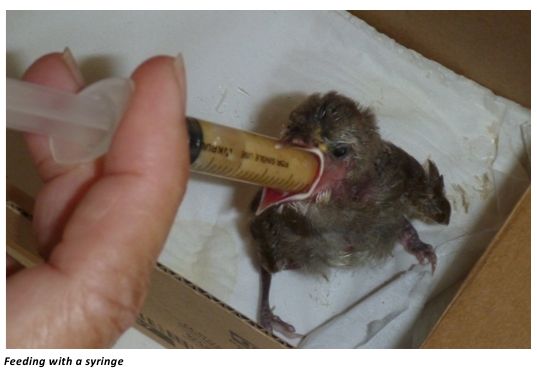
Have you ever found a tiny baby bird on the ground and wondered if you should feed it? It’s natural to want to help, but you might be surprised to learn there are rules about this.
Feeding a baby bird isn’t just about kindness—it can sometimes be illegal. If you care about protecting wildlife and want to do the right thing, you need to know what’s allowed and what isn’t. Keep reading to discover the important facts you must know before stepping in to help that little bird.
Legal Rules On Feeding Wildlife
Feeding baby birds might seem like a kind and harmless act, but it’s important to understand the legal landscape surrounding wildlife feeding. Laws exist to protect birds and other animals from harm and to maintain ecological balance. Knowing these rules helps you avoid unintended trouble and supports wildlife conservation efforts.
Federal Laws Impacting Bird Feeding
The Migratory Bird Treaty Act (MBTA)is the key federal law that protects most native bird species in the U.S. It prohibits feeding, capturing, or disturbing migratory birds without a special permit.
This means you can’t legally feed many wild birds, especially if your actions could affect their natural behavior or habitat. Have you ever wondered if feeding a baby bird might actually harm its chances of survival? This law aims to prevent such unintended consequences.
State And Local Regulations
States and local governments often have their own rules about feeding wildlife, which can vary widely. Some areas ban feeding certain species to reduce human-wildlife conflicts or disease spread.
Before you feed a bird in your backyard, check local ordinances. These regulations might require permits or restrict feeding during specific seasons. Ignoring local rules can lead to fines or other penalties.
Protected Bird Species
Not all birds are treated the same under the law. Species listed as endangered or threatened have extra protections that make feeding them illegal without authorization.
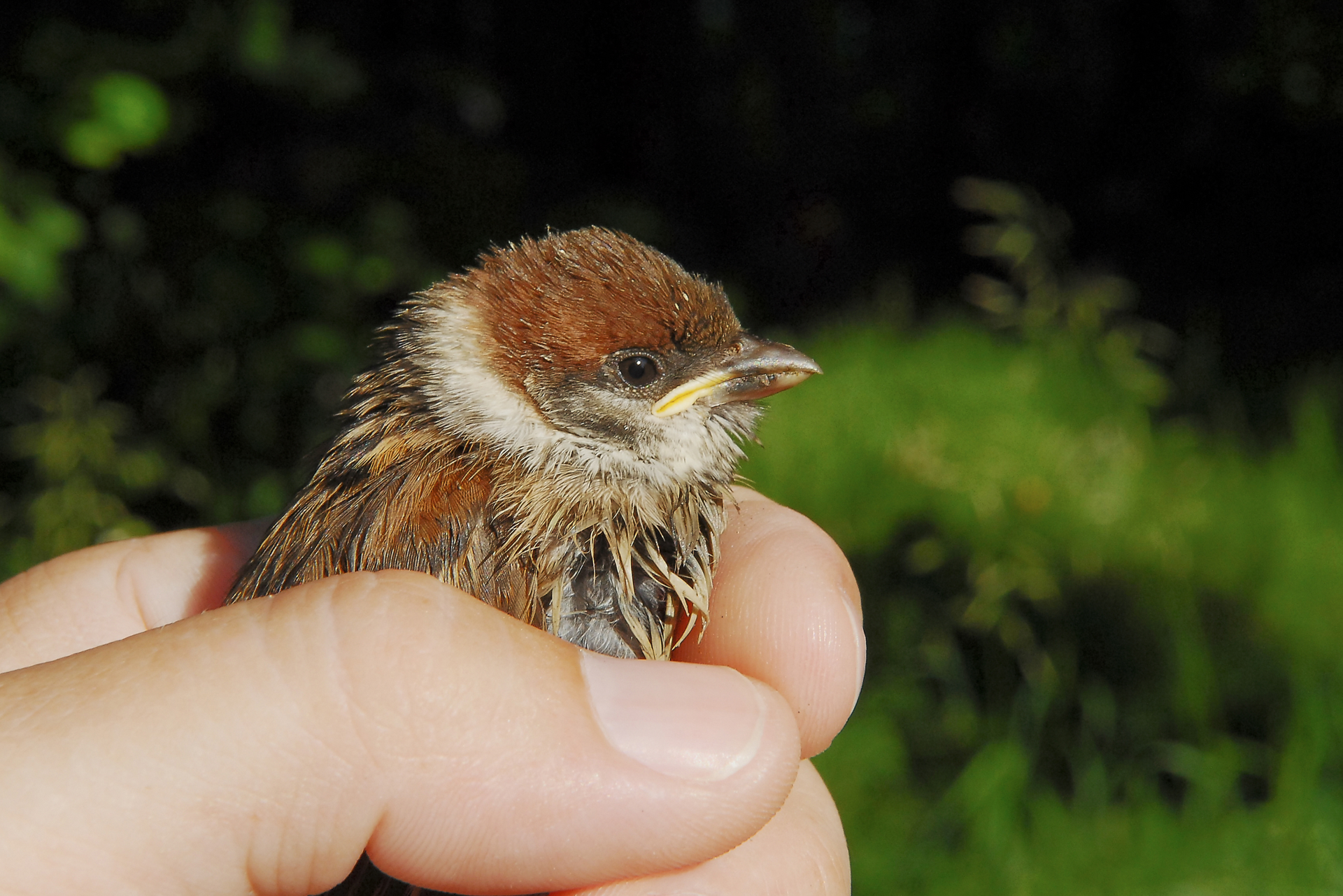
Even if a bird looks helpless, feeding a protected species could disrupt recovery efforts or expose it to dangers. Ask yourself: is your good intention helping or putting the bird at risk?
Credit: pethelpful.com
Risks Of Feeding Baby Birds
Feeding baby birds might seem like a kind and helpful act, but it comes with significant risks that many people don’t realize. Intervening in their natural development can cause serious harm, even if your intentions are good. Understanding these risks helps you decide the best way to support wildlife without causing unintended damage.
Health Dangers For Birds
Feeding baby birds the wrong food can lead to malnutrition or illness. Their digestive systems are delicate and require a very specific diet that varies by species. Human food or improper substitutes often lack the nutrients needed, causing stunted growth or even death.
In addition, handling baby birds can expose them to germs and diseases that they are not ready to fight. You might unintentionally introduce bacteria or viruses that harm their fragile immune systems.
Dependency On Humans
Feeding baby birds can make them dependent on human care, reducing their ability to survive in the wild. They might lose their natural fear of humans, putting them at risk of harm from pets, traffic, or other dangers. This dependency also interferes with their learning essential survival skills.
Have you ever wondered what happens when a bird raised by humans tries to fend for itself? Often, they struggle to find food or avoid predators, which can lead to early death or abandonment by their flock.
Disturbing Natural Behavior
Interfering with baby birds can disrupt their natural behavior and development. Feeding them can delay their instinct to forage, fly, and interact with their environment effectively. This disruption affects their ability to thrive once they leave the nest.
Moreover, disturbing a nest can cause parent birds to abandon their young, leaving the babies without proper care. You might think you’re helping, but your presence could be doing more harm than good.
When Feeding Might Be Allowed
Feeding a baby bird might seem like a kind and harmless act, but there are specific moments when it is actually allowed and even necessary. Understanding these exceptions helps you avoid legal trouble and ensures the bird’s well-being. Let’s look at when stepping in with food is appropriate and lawful.
Rescue And Rehabilitation Exceptions
If you find an injured or orphaned baby bird, feeding it could be part of a rescue effort. Licensed wildlife rehabilitators are trained to care for these birds, including providing the right food at the right time. Without proper care, the bird’s chances of survival drop significantly.
Have you ever come across a baby bird that seemed abandoned? Before feeding it yourself, check if a local wildlife rehab center can take over. They have the knowledge and tools to help the bird grow strong and healthy.
Permits And Licenses
Feeding wild baby birds usually requires official permission. Many places require you to have a permit or license to legally feed and care for wildlife. This ensures that those who intervene have the right training and follow regulations designed to protect the species.
Trying to help without a permit might actually cause more harm than good. Are you aware of the rules in your area? Contact local wildlife agencies to learn about permits and how you can get involved responsibly.
Situations Requiring Intervention
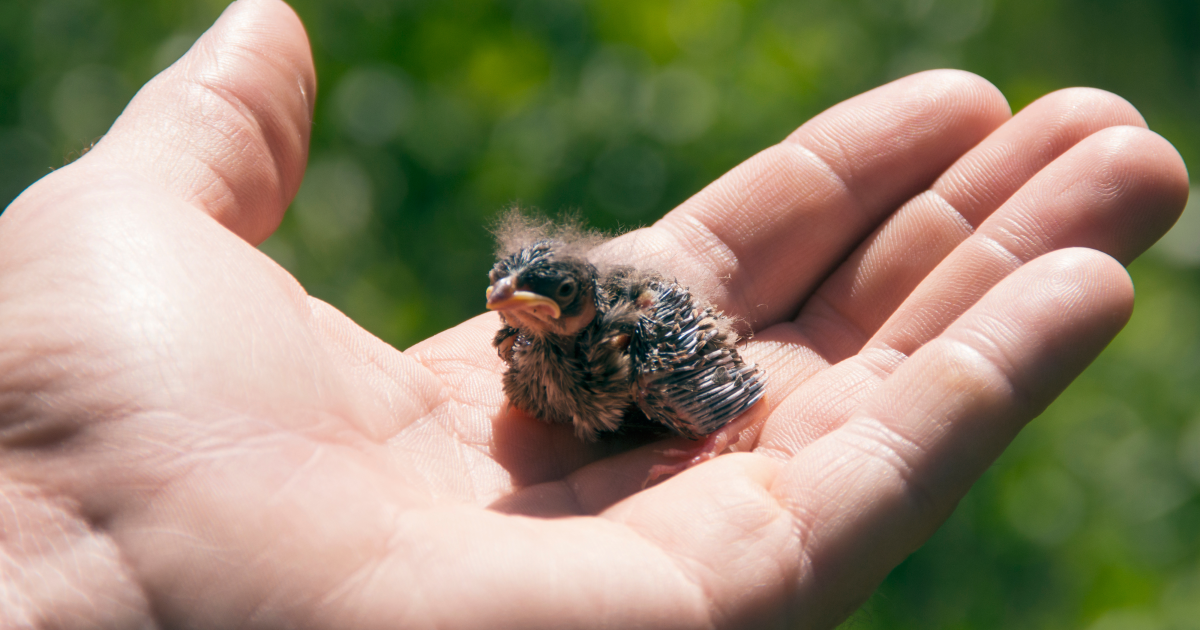
Some situations demand immediate action, such as when a baby bird is clearly injured or has fallen from its nest and is in danger. In these cases, feeding might be a temporary measure until professional help arrives.
However, feeding should not replace seeking expert care. Could you recognize when a bird truly needs your help? Knowing the signs can make the difference between saving a life and unintentionally causing harm.
Credit: pethelpful.com
Safe Alternatives To Feeding
Feeding a baby bird might seem like a kind gesture, but it can sometimes do more harm than good. Instead of risking the bird’s health or breaking local laws, there are safe alternatives you can try. These options help support baby birds without interfering with their natural development.
Providing Natural Habitats
Creating a bird-friendly environment encourages baby birds to thrive on their own. Plant native trees, shrubs, and flowers that provide food and shelter throughout the year. This not only helps baby birds find natural food but also attracts adult birds who can care for their young.
Have you noticed how birds flock to gardens with berry bushes or seed-producing plants? Adding these to your yard can make it a safe haven for wildlife, reducing the need for direct feeding.
Using Appropriate Bird Feeders
If you want to help birds, choose feeders designed for their specific needs. Use feeders that provide seeds, nectar, or suet suitable for the species in your area. Avoid feeding baby birds directly, as their diets differ from adults and improper food can harm them.
Keep feeders clean and place them in safe spots to protect birds from predators. Observing birds at feeders can be rewarding and helps you learn which species visit your area.
Contacting Wildlife Professionals
If you find a baby bird that seems abandoned or injured, the best action is to contact a licensed wildlife rehabilitator. These experts know how to care for young birds properly and can increase their chances of survival.
Resisting the urge to feed or handle the bird yourself can make a big difference. Professionals have the right tools and knowledge to provide the care that baby birds need.
Steps To Take If You Find A Baby Bird
Finding a baby bird can stir a mix of emotions—concern, curiosity, and a strong urge to help. But before you jump in, it’s important to know the right steps to take. Acting carefully can make a big difference in the bird’s chance of survival.
Identifying Orphaned Vs. Fledged Birds
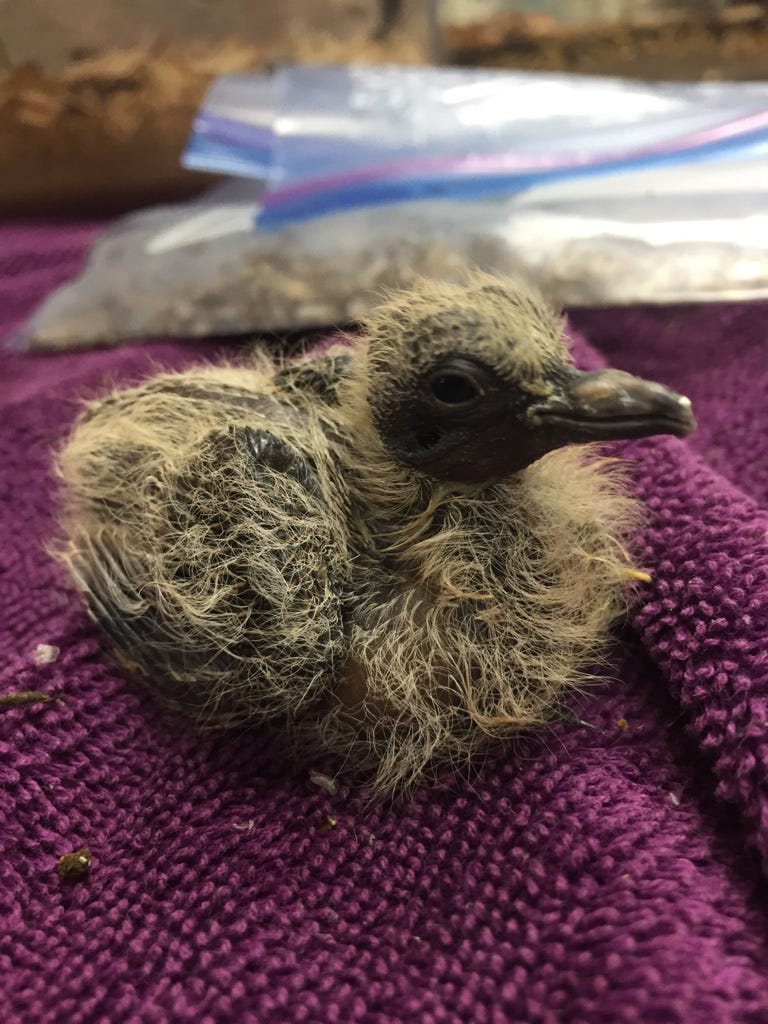
Not every baby bird you spot needs rescue. Fledged birds have feathers and are learning to fly; they often spend time on the ground but are still cared for by their parents. Orphaned birds, on the other hand, are usually featherless or have very few feathers and appear weak or injured.
Ask yourself:
- Does the bird have feathers and is it hopping or fluttering around?
- Is it crying persistently or looking helpless?
- Are there adult birds nearby watching over it?
Understanding these signs helps you decide whether to leave the bird alone or step in.
How To Handle Baby Birds Safely
If you determine the bird needs help, approach it gently. Use gloves or a soft cloth to avoid transferring your scent, which can sometimes cause the parents to reject it.
Place the bird in a warm, quiet box lined with soft material like a clean towel. Avoid feeding or giving water directly, as improper feeding can harm the bird.
Remember, your goal is to keep the bird safe and comfortable while you figure out the next move.
Seeking Expert Help
Contact local wildlife rehabilitators or animal rescue centers immediately. These professionals have the knowledge and resources to care for baby birds properly.
Many areas have hotlines or websites with quick access to experts. It might feel urgent to act fast, but reaching out to the right people improves the bird’s chances far more than trying to care for it on your own.
What resources are available in your community? Knowing this ahead of time can prepare you for unexpected encounters with wildlife.
Credit: medium.com
Frequently Asked Questions
Is It Illegal To Feed Wild Baby Birds?
Feeding wild baby birds is generally legal but can be discouraged. Laws vary by region and bird species. Some protected birds require permits for handling or feeding. Always check local wildlife regulations before intervening to avoid legal issues and harm to the bird.
Can Feeding Baby Birds Harm Them?
Yes, feeding baby birds improper food can cause harm. They need specific diets for healthy growth. Human food or incorrect feeding methods can cause injury or death. It’s best to contact a wildlife rehabilitator for guidance on caring for baby birds.
When Should You Feed A Baby Bird?
Only feed a baby bird if it’s orphaned or injured. Observe from a distance to confirm abandonment. Feeding healthy fledglings can interfere with natural development. Contact wildlife experts before intervening to ensure the bird’s best chance of survival.
What Is The Best Food For Baby Birds?
Baby birds require specialized diets depending on their species. Generally, soft insects or commercial formula designed for birds are best. Avoid bread, milk, or human food as they lack proper nutrients and can be harmful.
Conclusion
Feeding baby birds might seem kind. But, it can be illegal. Laws protect wildlife. Understanding these laws is important. Always check local regulations first. Missteps can lead to fines or harm the bird. Contact wildlife experts for guidance. They know the best practices.
Safe for birds. Safe for you. Nature has its own rules. Respecting them helps birds thrive. Be informed. Act responsibly. Observing from a distance can be rewarding. Enjoy nature’s wonders. But do it legally. Protecting wildlife is a shared responsibility.
Let’s cherish and care for our feathered friends wisely.