
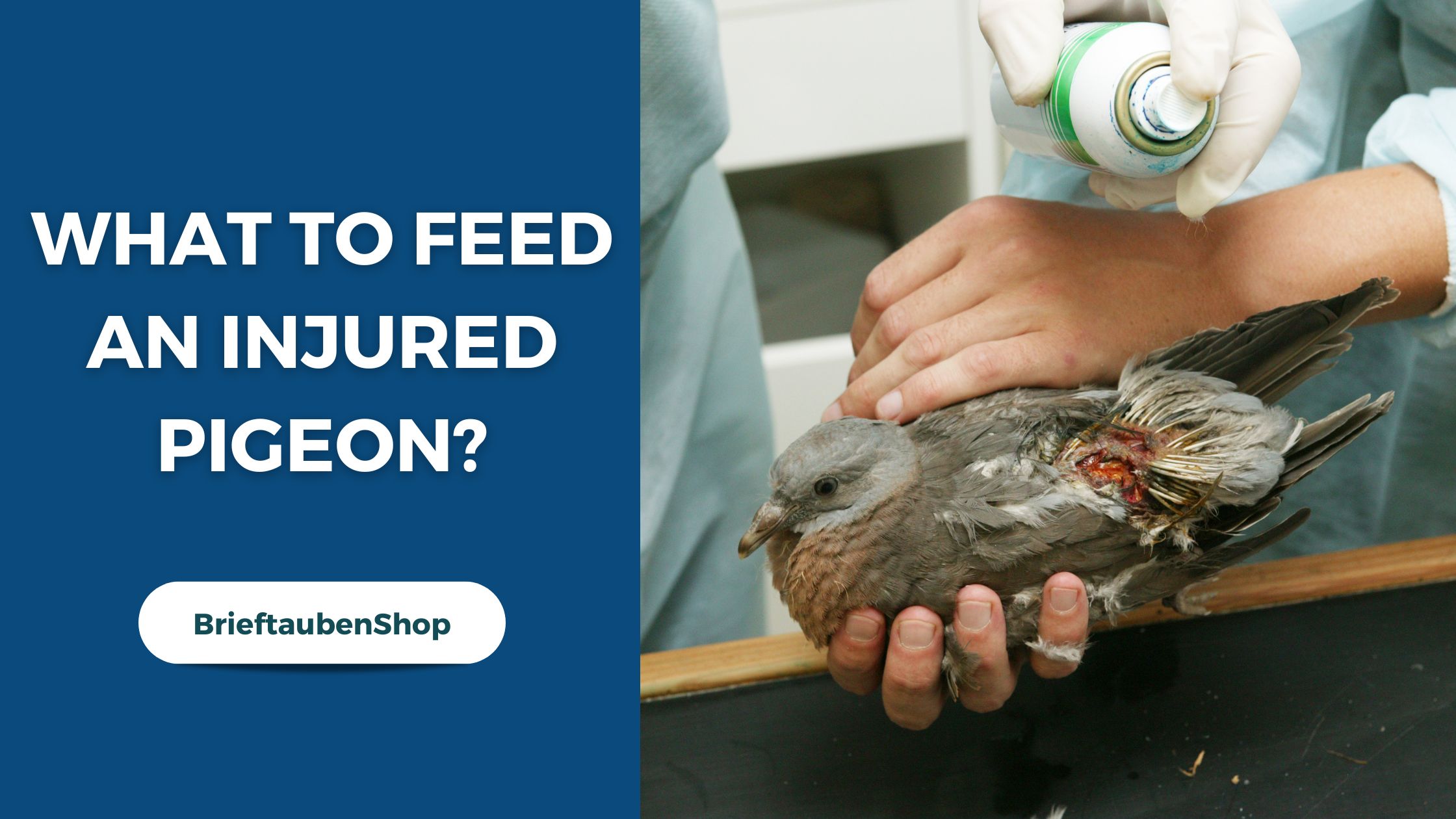
Finding an injured bird can be upsetting, and you might wonder how to help it right away. What should you feed an injured bird to give it the best chance of recovery?
Giving the wrong food could do more harm than good, so knowing exactly what to offer is crucial. You’ll discover simple, safe feeding tips that can make a real difference for the bird in your care. Keep reading to learn how to support your feathered friend and help it heal faster.

Credit: www.youtube.com
Signs Of Injury In Birds
Recognizing the signs of injury in birds is crucial when you want to help an injured feathered friend. Birds often hide pain, so spotting subtle clues can make all the difference. Knowing what to look for will guide you in providing the right care or deciding if professional help is needed.
Common Injuries To Look For
- Visible wounds or bleeding:Cuts, scrapes, or any bleeding are clear signs of injury.
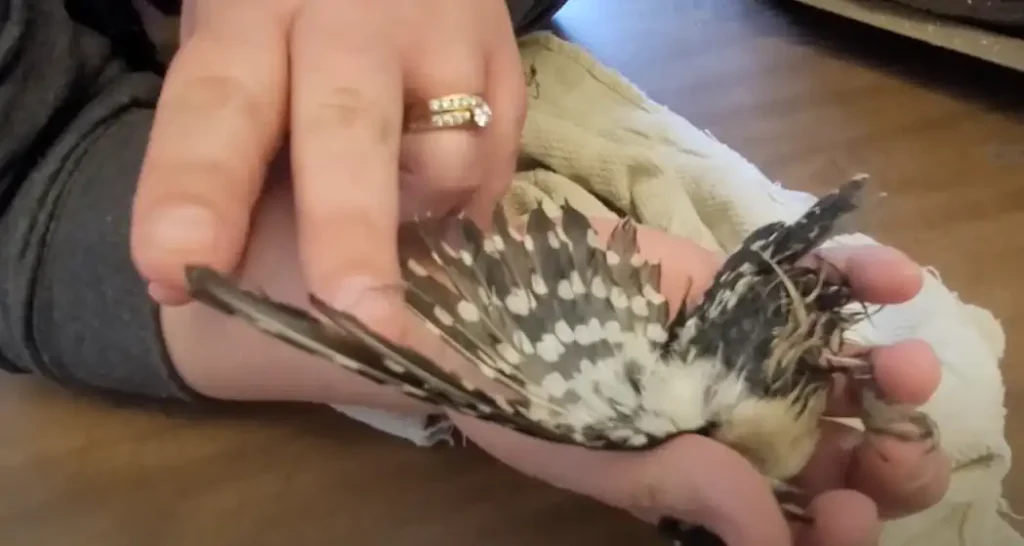
- Broken or drooping wings:A wing that hangs awkwardly or doesn’t move properly often indicates a fracture or dislocation.
- Swollen or misshapen body parts:Swelling around joints or the body can signal trauma or infection.
- Difficulty standing or walking:Limping or inability to perch normally is a red flag.
- Labored breathing or open-mouth breathing:This can point to internal injury or shock.
- Unusual behavior:Excessive lethargy, trembling, or sitting still for long periods may mean the bird is hurt.
I once found a small sparrow that looked fine at first glance but kept fluttering weakly on the ground. A closer look showed a subtle wing droop and a small puncture wound. That small detail helped me realize it needed immediate help.
When To Seek Professional Help
If you spot any serious injuries like heavy bleeding, broken bones, or the bird is unresponsive, don’t delay in contacting a wildlife rehabilitator or vet. Birds are fragile, and untreated injuries can worsen quickly.
Even if the injury seems minor, professional evaluation is often best. Some internal injuries or infections aren’t visible but can be deadly without treatment.
Ask yourself: Can you safely handle the bird without causing more stress? If not, leave it to the experts and call for advice. Your quick decision can save a life.
Credit: www.earthofbirds.com
Basic Needs For Injured Birds
Injured birds need special care to heal properly. Meeting their basic needs helps them recover faster. Providing a calm and safe space is essential. They also need clean water to stay hydrated. Food should be gentle on their systems. Understanding these basics aids in giving the right support to injured birds.
Safe And Quiet Environment
Injured birds feel scared and stressed easily. A calm, quiet place helps them relax. Keep the bird away from loud noises and pets. Use a small box or cage with soft bedding. Place it in a warm, shaded area inside your home. Avoid too much handling to reduce stress.
Proper Hydration Tips
Water is vital for an injured bird’s health. Offer fresh, clean water daily. Use a shallow dish to prevent drowning risks. Some birds prefer dripping water or soaked cotton balls. Watch if the bird drinks; dehydration slows healing. Never force water into the bird’s beak.
Suitable Foods For Injured Birds
Knowing what to feed an injured bird can make a huge difference in its recovery. The right foods provide essential nutrients without causing additional stress on their healing bodies. Let’s look at some suitable options that are gentle and nourishing for your feathered friend.
Soft And Easy-to-digest Options
Soft foods are crucial because injured birds often struggle with hard or dry food. These options reduce the effort required to eat and help prevent choking.
- Cooked rice or oatmeal:These provide energy and are gentle on the digestive system.
- Mashed fruits and vegetables:Soft bananas, cooked carrots, or peas supply vitamins and hydration.
- Boiled eggs:Rich in protein and easy to digest, eggs support tissue repair.
- Insect larvae or mealworms:If your bird is insectivorous, these are natural and nutritious.
- Moistened birdseed:Soaking seeds in water softens them, making eating easier.
I once cared for a small robin with a wing injury. Offering softened berries and scrambled eggs helped it regain strength quickly. What small change can you make to the bird’s diet today to ease its recovery?
Foods To Avoid
Not all bird foods are safe during recovery. Some can worsen injuries or cause digestive issues.
- Hard seeds and nuts:These are difficult to chew and may cause choking.
- Processed human food:Avoid bread, crackers, or salty snacks as they lack necessary nutrients.
- Dairy products:Birds often can’t digest milk or cheese properly.
- Avocado and chocolate:Both are toxic to birds and must be kept away.
- Uncooked beans and raw potatoes:These contain harmful compounds that affect birds.
Have you considered how some common foods might harm rather than help your injured bird? Avoiding these can prevent setbacks and support healing.
Feeding Techniques For Injured Birds
Feeding an injured bird requires care and patience. Proper feeding helps the bird heal and regain strength. The feeding method depends on the bird’s condition and size. Gentle techniques reduce stress and prevent further injury.
Hand-feeding Tips
Use clean hands before feeding the bird. Offer small amounts of food at a time. Keep the bird calm and still during feeding. Hold the bird gently to avoid hurting it. Feed slowly to prevent choking or aspiration. Watch the bird’s reaction and stop if it shows distress.
Using Feeding Tools Safely
Feeding tools like syringes or droppers help feed injured birds. Always clean tools before and after use. Use soft, small tools to avoid mouth injuries. Fill tools with appropriate food or liquid. Insert tools carefully to avoid the bird’s throat or windpipe. Feed slowly and steadily to prevent choking. Dispose of or sterilize tools after feeding sessions.
Monitoring Recovery Through Diet
Monitoring an injured bird’s recovery through its diet is key to helping it regain strength and health. What your bird eats reflects directly on its healing progress. By paying close attention to changes in appetite and food preferences, you can gauge how well your bird is bouncing back.
Signs Of Improvement
Look for a steady increase in your bird’s appetite as a clear sign of recovery. A bird that starts eating more eagerly is likely feeling stronger. Notice if it begins choosing a wider variety of foods, such as fresh fruits and vegetables, over just seeds or pellets.
Energy levels also matter. If your bird shows more activity and interest in food, that’s a positive sign. Are you seeing it perch comfortably while eating or even trying to feed itself? These behaviors suggest it’s on the mend.
Adjusting Diet As Bird Heals
As your bird’s condition improves, gradually shift its diet to support ongoing health. Start adding nutrient-rich foods like leafy greens, small pieces of cooked egg, or mashed sweet potato. These help rebuild muscles and boost the immune system.
Be mindful not to overwhelm your bird with sudden diet changes. Introduce new foods slowly and watch for any digestive upset. If your bird’s energy increases, you might reduce high-calorie supplements given during the most critical phase of healing.
Have you noticed your bird’s favorite foods changing as it recovers? Adjusting the diet based on these preferences can encourage better eating habits and faster healing. What small tweaks could you make today to support your bird’s comeback?

Credit: www.brieftaubenshop.de
When To Contact A Wildlife Expert
Knowing when to reach out to a wildlife expert is crucial for the injured bird’s survival. Some injuries or illnesses need professional care beyond basic feeding. Acting at the right time can save the bird from worsening conditions.
Indicators Of Serious Conditions
- Bird is bleeding heavily or has deep wounds.
- Fractured or clearly broken wings or legs.
- Bird is unconscious or not responsive.
- Severe difficulty in breathing or gasping.
- Signs of poisoning such as vomiting or seizures.
- Bird is extremely weak and cannot stand.
- Unusual behavior like constant shaking or disorientation.
These symptoms often require urgent medical help. Delaying care might reduce the bird’s chance of recovery.
Finding Local Wildlife Rehabilitation Centers
Contacting local wildlife centers ensures the bird gets expert treatment. These centers have trained staff and proper facilities. They understand how to handle injured wild birds safely.
Use online searches or call animal control to find nearby centers. Many wildlife centers operate hotlines for emergencies. Keep their contact numbers handy for quick action.
Transport the bird gently in a secure box with ventilation. Avoid feeding or giving water unless advised by experts. Let professionals provide the right care and diet for healing.
Frequently Asked Questions
What Food Is Best For Feeding An Injured Bird?
Soft, easy-to-digest foods like soaked seeds, mealworms, or finely chopped fruits are best for injured birds. Avoid hard or dry foods that can harm their fragile condition. Fresh water should always be available to aid their recovery.
Can I Feed An Injured Bird Bread Or Milk?
No, bread and milk are harmful to birds. Bread lacks nutrients and can cause digestive issues. Milk can upset their stomach since birds are lactose intolerant. Stick to bird-appropriate foods for proper nutrition and healing.
How Often Should I Feed An Injured Bird?
Feed small amounts every 2-3 hours during daylight. Frequent feeding supports energy needs and speeds recovery. Avoid overfeeding to prevent choking or stress. Always monitor the bird’s condition and adjust feeding accordingly.
Should I Give Water To An Injured Bird?
Yes, always provide clean, fresh water. Birds need hydration to recover quickly. Use a shallow dish to prevent drowning risks. If unsure, consult a wildlife rehabilitator for proper care guidance.
Conclusion
Caring for an injured bird requires patience and the right food choices. Soft foods like mashed fruits or soaked pet food can help. Always ensure food is fresh and easy to digest. Hydration is crucial, so provide clean water. Be gentle and observe the bird’s reactions to different foods.
If unsure, consult with a wildlife expert for guidance. Remember, the goal is to aid recovery without causing stress. A little care goes a long way. Helping a bird heal can be a rewarding experience. Your efforts can make a big difference in its recovery.