
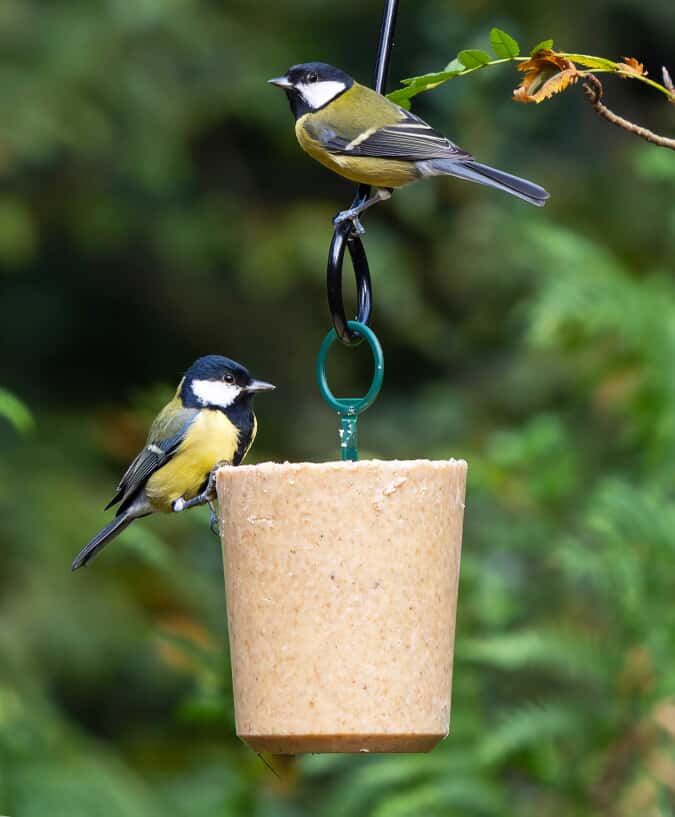
Have you ever wondered if sharing a piece of your cake with the birds in your garden is a good idea? You might think it’s a sweet treat for them, but is cake really safe for birds to eat?
Before you toss that leftover slice outside, it’s important to know what could happen to your feathered friends. Keep reading to discover the surprising facts about feeding cake to birds and learn how to care for them the right way.
Your birds’ health depends on what you offer them, so don’t miss this!

Credit: www.wildlifenomads.com
Are Birds Safe To Eat Cake
Feeding cake to birds is a common question among bird lovers. Birds seem curious and may peck at cake crumbs. But is cake safe for their health? Many cakes contain ingredients that can harm birds. Understanding these ingredients helps keep birds safe.
Common Cake Ingredients Harmful To Birds
Cakes often have ingredients that birds cannot digest well. Some of these are:
- Chocolate – toxic to birds and can cause severe illness.
- Raisins and nuts – may cause choking or allergic reactions.
- Food coloring and preservatives – may irritate birds’ digestive systems.
- Coffee and tea flavors – contain caffeine, harmful to birds.
These ingredients make most cakes unsafe for birds to eat.
Sugar And Artificial Sweeteners Effects
Most cakes contain a lot of sugar. Birds cannot process large amounts of sugar. Eating sugary foods can lead to obesity and diabetes in birds.
Artificial sweeteners like xylitol are very dangerous. They can cause rapid poisoning and death in birds. Always avoid giving birds any sweeteners.
Dairy And Fat Content Concerns
Cakes often have butter, cream, or milk. Birds lack the enzymes to digest dairy well. This can cause stomach upset or diarrhea.
High fat content in cakes can also harm birds. Fat can lead to obesity and liver problems. Birds need a balanced diet, not rich, fatty foods.
Types Of Cake Birds Can Occasionally Eat
Not all cakes are harmful to birds, but it’s important to know which types can be shared safely and which should be avoided. Birds can enjoy certain cakes occasionally as treats, but only if these cakes are free from harmful ingredients. Understanding the types of cake that are generally safe helps you avoid health risks for your feathered friends while still offering them a little sweetness.
Plain Sponge Or Angel Food Cake
Plain sponge or angel food cake is often the safest choice for birds. These cakes contain basic ingredients like flour, eggs, and sugar without rich additives. Because they are light and less sugary, a small piece can be a rare treat without upsetting their digestion.
When I offered a tiny crumb of plain sponge cake to the local sparrows, they eagerly pecked at it without any issues. This confirms that simple cakes without extra fats or artificial flavors can be acceptable in moderation.
Small Amounts Of Fruit-based Cake
Cakes that include real fruit, such as banana or apple cake, may be safe for birds if given in very small amounts. The natural fruit content provides some nutrients, but you must check for added sugars or preservatives. Always cut a tiny piece first to see how your birds react.
Think about the last time you tried a new food—your birds have preferences too. Offering small bits lets you gauge their interest and tolerance without risking their health.
Avoiding Frosting And Additives
Frostings, especially those containing chocolate, artificial colors, or heavy sugar, should never be fed to birds. These ingredients can be toxic or cause digestive problems. Even seemingly harmless toppings like nuts or candy pieces may pose choking hazards or allergies.
If you want to treat your birds, focus on the cake base and avoid any decorations. This approach keeps treats safe and enjoyable for your feathered visitors while preventing unnecessary risks.
Why Cake Is Not Ideal Bird Food
Cake may seem like a fun treat to share with birds, but it is far from ideal for their health. Birds have very specific dietary needs that cake does not meet. Feeding cake to birds can cause more harm than good, affecting their nutrition and behavior.
Nutritional Needs Of Birds
Birds need a balanced diet full of seeds, fruits, and insects. Cake contains high sugar and fat but lacks essential vitamins and minerals. This imbalance can lead to malnutrition and weak immune systems.
Risks Of Obesity And Health Issues
Cakes are rich in sugars and fats, which can quickly lead to obesity in birds. Obesity causes problems like heart disease, liver damage, and difficulty flying. Birds are not built to process sugary or fatty foods.
Behavioral Changes From Unhealthy Treats
Unhealthy treats like cake can change bird behavior. Birds may become less active and lose interest in natural foods. This can affect their survival skills and social interactions with other birds.
Safe Treat Alternatives For Wild Birds
Feeding wild birds requires care and knowledge. Many common human foods, like cake, can harm birds. Choosing safe treats helps keep them healthy and happy. Birds need natural, nutritious foods that support their energy and growth.
Providing the right treats can attract a variety of bird species. Safe alternatives offer essential vitamins and minerals. These options promote natural feeding habits and avoid health problems.
Seeds And Nuts
Seeds and nuts are favorites among many wild birds. Black oil sunflower seeds provide high energy and are easy to eat. Peanuts offer protein but should be unsalted and shelled. Millet and safflower seeds attract smaller birds like finches and sparrows.
- Sunflower seeds (black oil preferred)
- Peanuts (unsalted, shelled)
- Millet
- Safflower seeds
Fresh Fruits And Vegetables
Birds enjoy many fruits and vegetables that are safe and healthy. Apples, berries, and grapes provide natural sugars and nutrients. Carrots, peas, and leafy greens offer vitamins and hydration. Avoid citrus fruits and avocados, as they can be harmful.
- Apples (seedless, chopped)
- Berries (blueberries, raspberries)
- Grapes (halved)
- Carrots (chopped or shredded)
- Peas
- Leafy greens (spinach, kale)
Specialized Bird Treats
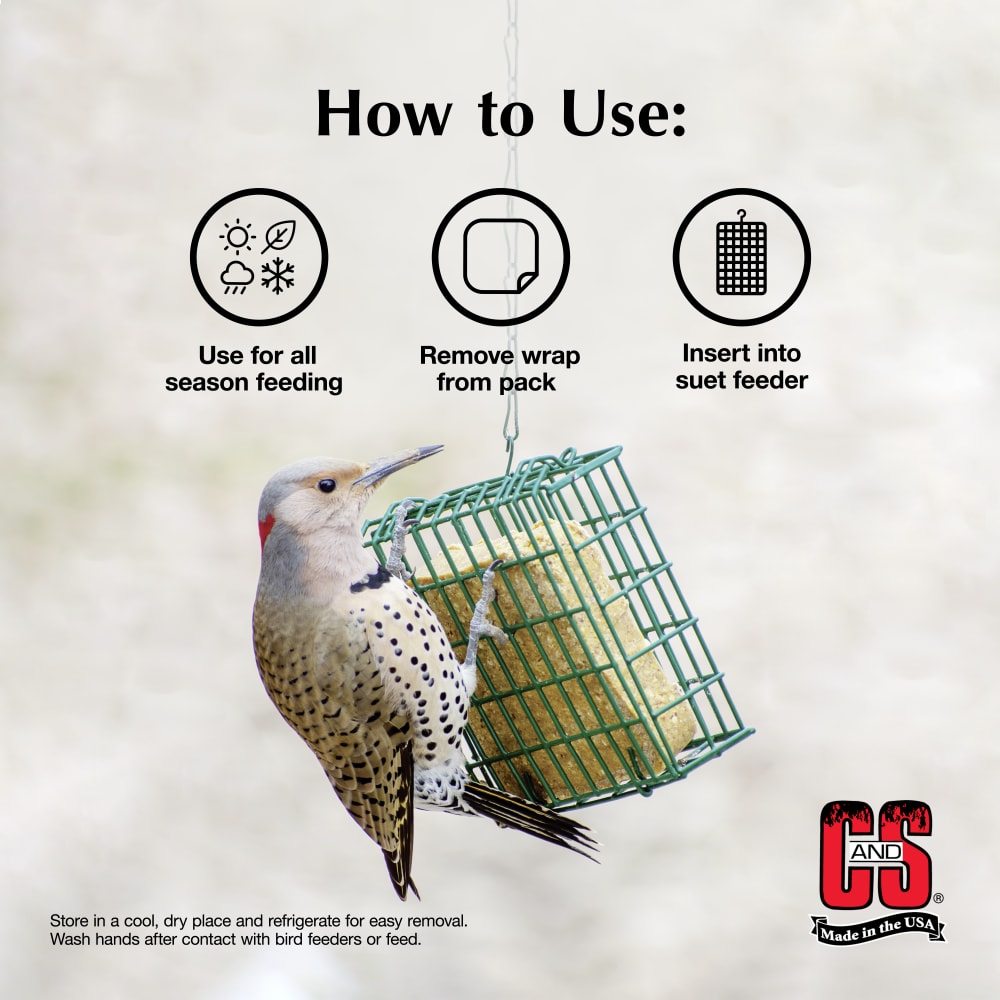
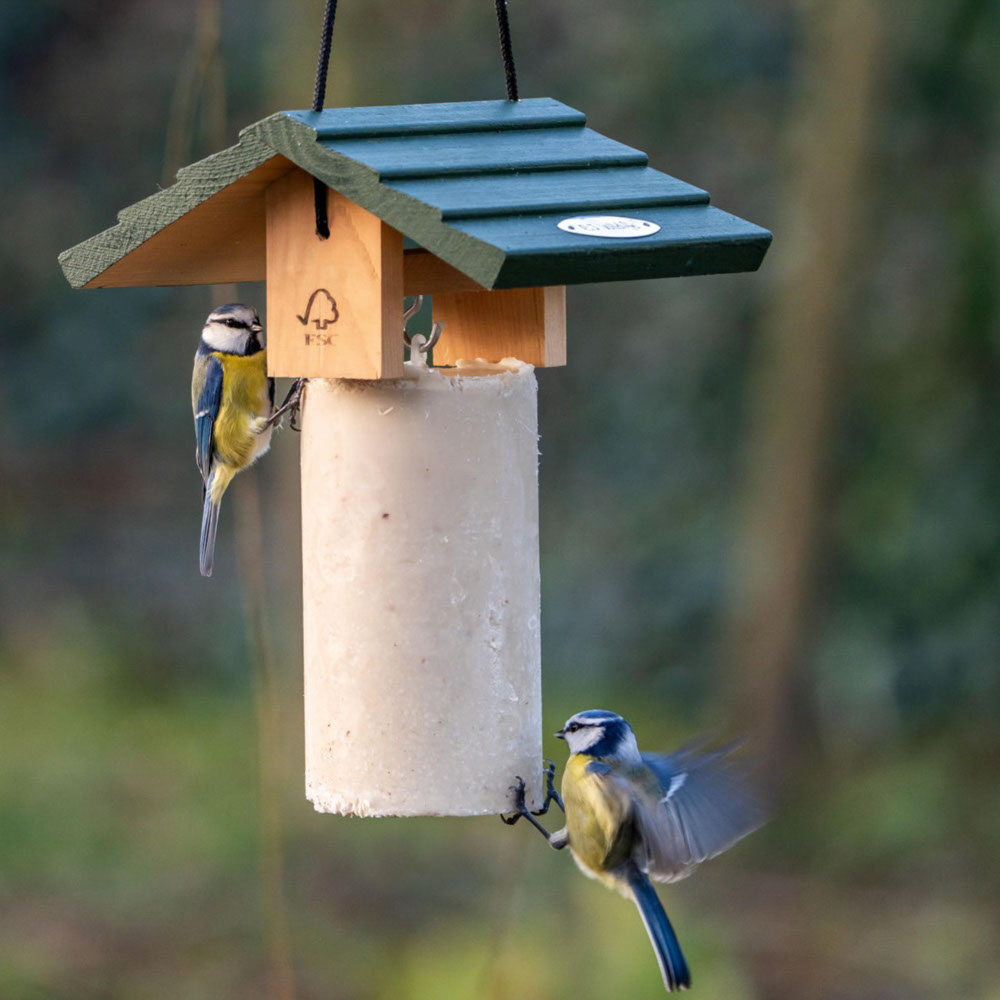
Specialized bird treats are designed to meet wild birds’ dietary needs. These include suet cakes, nectar, and commercial bird food mixes. Suet cakes provide fats and energy during cold months. Nectar feeds hummingbirds and orioles. Always choose high-quality products without additives or chemicals.
- Suet cakes (plain or with seeds)
- Hummingbird nectar (sugar and water mix)
- Commercial bird food blends
How To Feed Birds Responsibly
Feeding birds can be a delightful activity that brings nature closer to your home. Doing it responsibly ensures birds stay healthy and enjoy the treats safely. It also helps keep their natural habits intact and avoids harm to the environment.
Best Feeding Practices
- Offer natural foods like seeds, nuts, and fruits over processed items.
- Choose bird-friendly foods without added sugar, salt, or chocolate.
- Provide fresh water daily for drinking and bathing.
- Feed birds in small amounts to prevent waste and spoilage.
- Use feeders designed to protect food from rain and pests.
Avoiding Overfeeding
- Limit food quantity to what birds can eat in a day.
- Remove leftover food to prevent mold and bacteria growth.
- Offer food at regular times to create a healthy feeding routine.
- Monitor bird activity to adjust feeding amounts as needed.
- Never rely on feeding alone; birds need natural foraging too.
Maintaining Clean Feeding Areas
- Clean feeders weekly with warm, soapy water to remove germs.
- Clear fallen seeds and debris from the ground regularly.
- Keep feeding spots dry to avoid mold and disease.
- Place feeders away from windows to prevent bird collisions.
- Inspect feeding areas for signs of pests or predators.
Credit: www.wildbirdsuets.com
Signs Of Bird Distress From Unhealthy Food
Feeding birds might seem like a kind gesture, but offering them unhealthy food like cake can lead to serious distress. Birds react to poor diet in ways that might not be obvious at first. Recognizing these signs early can help you protect your feathered friends before their health worsens.
Behavioral Symptoms
Birds fed unhealthy food may act strangely. You might notice them becoming unusually lethargic or restless, unable to settle as they normally do.
Some birds may stop singing or calling, which is a red flag since vocalization is a sign of well-being. Others might avoid food or water, indicating discomfort or sickness.
Have you ever seen a bird repeatedly trying to clean its beak or shake its head? This can be a sign of irritation caused by unsuitable food particles.
Physical Warning Signs
Physical changes can be more visible and alarming. Watch for ruffled feathers that stay fluffed up for long periods—this often means the bird is cold or unwell.
Swollen eyes, unusual discharge, or pale combs and wattles in certain species can also suggest health problems.
Sudden weight loss or difficulty flying might appear if the bird’s digestive system struggles with poor nutrition. These signs demand immediate attention.
When To Contact A Wildlife Expert
If you spot these symptoms, don’t wait to get help. Contact a local wildlife rehabilitator or veterinarian experienced with birds as soon as possible.
Early intervention can save lives and prevent permanent damage. You can also ask experts about safe food options to offer in the future.
Remember, your care directly impacts their survival. Would you want to risk the health of a bird with something as tempting as cake?
Credit: www.birdfood.co.uk
Frequently Asked Questions
Can Birds Safely Eat Cake?
Birds should not eat cake regularly. Cake contains sugar and fats harmful to birds. Occasional small crumbs may not harm, but avoid feeding cake often.
What Ingredients In Cake Harm Birds?
Sugar, chocolate, and artificial sweeteners in cake are toxic to birds. These ingredients can cause digestive issues and poisoning. Always avoid feeding birds any cake containing these harmful substances.
Are Homemade Cakes Better For Birds?
Homemade cakes may lack harmful additives but still contain sugar and fats. These are unhealthy for birds. It’s best to offer natural foods like seeds and fruits instead.
What Are Safe Treats For Feeding Birds?
Safe treats include unsalted nuts, fresh fruits, and seeds. These provide essential nutrients and energy. Avoid processed human foods to keep birds healthy and safe.
Conclusion
Feeding cake to birds seems tempting. Yet, it poses risks. Birds’ digestive systems can’t handle processed foods well. High sugar and fat content harm them. Instead, offer seeds or fruits. These provide essential nutrients. Watching birds enjoy healthy treats is rewarding.
Plus, it keeps them safe. Always prioritize their health and well-being. Observe their natural diet in the wild. This ensures they thrive and stay healthy. Enjoy birdwatching, knowing you’re helping them. A little care makes a big difference.