
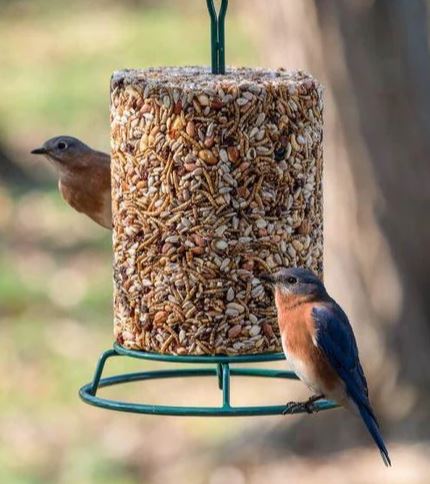
Are you eager to attract beautiful bluebirds to your yard? Choosing the right bird feeder can make all the difference in welcoming these charming visitors.
But what kind of bird feeder do bluebirds actually like? If you’ve been wondering how to bring these colorful birds closer, you’re in the right place. Keep reading, and you’ll discover simple tips that will have bluebirds flocking to your garden in no time.
Your perfect bluebird feeder is just a few steps away!
Bluebird Habitat Needs
Bluebirds need specific habitat features for comfort and safety. Their ideal environment offers food, shelter, and nesting spots. Understanding these needs helps create a welcoming space for bluebirds in your yard or garden.
Preferred Environment
Bluebirds thrive in open spaces with scattered trees or shrubs. They prefer areas near fields, meadows, and parks. These spots provide clear flight paths and easy access to insects. Bluebirds avoid dense forests or heavily shaded areas. They also need safe places to build nests, like tree cavities or birdhouses.
Feeding Behavior
Bluebirds mainly eat insects and small fruits. They hunt low to the ground or catch flying insects. They visit feeders that offer mealworms or suet. Bluebirds prefer feeders without perches to reduce competition. A clean feeder near open grassy areas attracts them quickly.
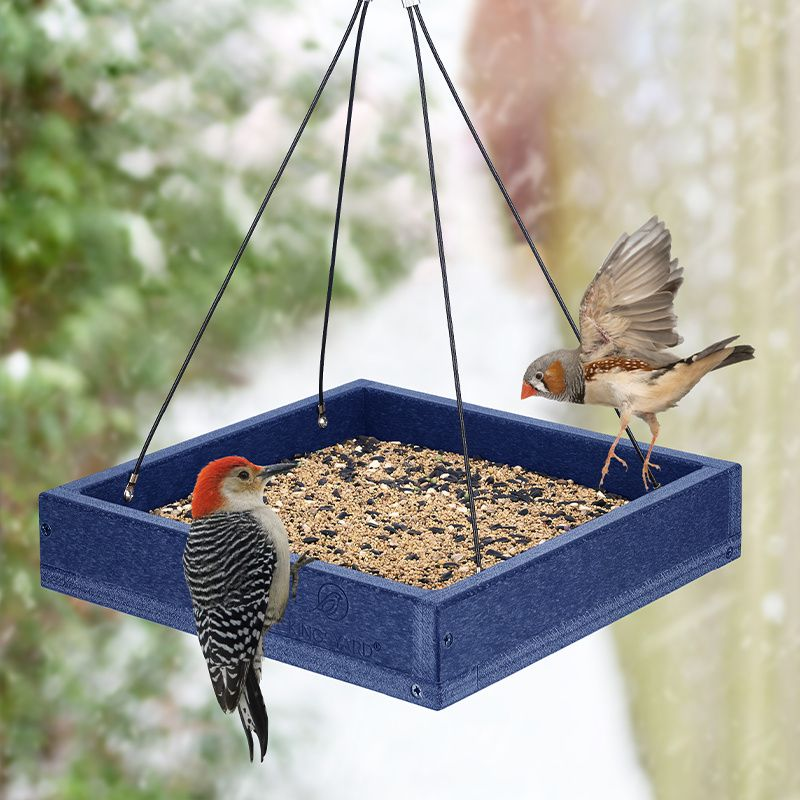
Credit: www.kingsyard.com
Types Of Bird Feeders
Choosing the right bird feeder can make all the difference in attracting bluebirds to your yard. Different feeders offer various ways to present food, and bluebirds tend to prefer some types over others. Understanding these options helps you create a welcoming space where bluebirds feel safe and eager to visit.
Platform Feeders
Platform feeders are flat, open trays that provide plenty of space for bluebirds to perch and eat comfortably. They allow bluebirds to spot nearby predators easily, which makes them feel safer. You can place mealworms, berries, or chopped fruits on these feeders—foods bluebirds love.
Because of their open design, platform feeders require regular cleaning to prevent mold or bacteria buildup. If you want to attract multiple species, these feeders work well because they accommodate birds of various sizes. Have you noticed how bluebirds prefer open spaces to avoid feeling trapped? That’s why platform feeders often win their favor.
Tube Feeders
Tube feeders are cylindrical with several small feeding ports and perches. They are great for seeds, but bluebirds usually don’t prefer them since bluebirds favor insects and fruits over seeds. However, tube feeders can attract other backyard birds, creating a lively environment that might also draw bluebirds in out of curiosity.
If you decide to use a tube feeder, try filling it with small fruits or mealworms around the base to entice bluebirds. Placement matters—put it in an open area where bluebirds can easily access it without feeling threatened. Have you tried mixing feeder types to see what your local bluebirds prefer?
Suet Feeders
Suet feeders hold blocks of suet, which is a high-energy food made from animal fat mixed with seeds or insects. Bluebirds enjoy suet, especially during colder months when insects are scarce. These feeders usually have cages or baskets, allowing birds to cling while they feed.
Suet feeders attract insect-eating birds, including bluebirds, providing a valuable food source when natural insects are hard to find. Place suet feeders in shaded or sheltered spots to prevent the suet from melting too quickly. Have you ever noticed how bluebirds’ visits increase when you offer suet during winter?
Specialized Bluebird Feeders
Specialized bluebird feeders are designed to cater specifically to bluebirds’ feeding habits. They often feature shallow dishes or trays elevated off the ground and protected from larger, aggressive birds. These feeders usually hold mealworms, a favorite treat for bluebirds.
Many bluebird enthusiasts swear by these feeders because they reduce competition and encourage bluebirds to visit consistently. You might find feeders with domed covers to keep out rain and squirrels, which helps maintain a clean feeding area. Have you tried a specialized feeder yet? It might be the key to seeing more bluebirds in your yard.
Best Feeder Features For Bluebirds
Choosing the right bird feeder can make a huge difference in attracting bluebirds to your yard. Bluebirds prefer feeders that meet their specific needs for comfort, safety, and access. Understanding these features helps you create a welcoming spot for these beautiful birds to visit regularly.
Material And Durability
Bluebirds are gentle but curious visitors. Feeders made from durable materials like wood or metal last longer and withstand weather changes better than plastic ones. Wood feeders also blend naturally into outdoor settings, making birds feel safer.
Look for feeders with smooth finishes to avoid injury to their delicate feet. You might notice that a feeder with rust-resistant metal parts stays in good shape much longer, especially if you live in a rainy or humid area.
Size And Accessibility
Bluebirds are medium-sized and prefer feeders that accommodate their size comfortably. Open trays or hopper feeders about 10 to 12 inches wide give them enough space to perch and feed without crowding.
Avoid tiny feeders meant for finches or hummingbirds; these won’t suit bluebirds well. Also, placing feeders at about 4 to 6 feet above ground makes access easy for bluebirds while keeping them visible to you.
Protection From Predators
Your feeder should offer bluebirds a safe feeding environment. Consider adding a baffle below the feeder to keep cats and squirrels at bay. This small addition can greatly reduce stress for your feathered guests.
Position feeders away from dense shrubbery where predators can hide. Have you noticed how birds hesitate to visit feeders where they feel exposed or vulnerable? Giving bluebirds a clear view of their surroundings helps them feel secure and eager to return.

Credit: www.allaboutbirds.org
Ideal Foods For Bluebirds
Bluebirds have specific food preferences that help them stay healthy and active. Knowing what to feed bluebirds makes your feeder more attractive to them. Feeding the right foods supports their natural diet and encourages regular visits.
Natural Diet Components
Bluebirds mostly eat insects and small fruits. Their natural diet includes:
- Beetles
- Grasshoppers
- Spiders
- Ants
- Small berries like dogwood and mulberries
These foods provide protein and energy for bluebirds, especially in warmer months.
Supplemental Feed Options
Feeding bluebirds at a feeder means offering foods similar to their natural diet. Good options include:
- Mealworms, live or dried
- Suet pellets made for insect-eating birds
- Fresh berries like blueberries and elderberries
Avoid sunflower seeds or bread, as bluebirds rarely eat these.
Seasonal Food Preferences
Bluebirds change their diet with the seasons. In spring and summer, they eat more insects for protein. In fall and winter, they rely on fruit to survive cold weather. Offering a mix of insects and berries year-round attracts bluebirds to your feeder consistently.
Feeder Placement Tips
Placing the bluebird feeder correctly helps attract more birds and keeps them safe. Birds notice small details like location and safety. Proper placement makes feeding easier for bluebirds and more enjoyable for watchers.
Location And Height
Choose a spot open to the sky and free from tall trees nearby. Bluebirds prefer feeders in quiet, sunny areas. Place feeders about 4 to 6 feet above the ground. This height helps birds feel safe and gives them a clear view of predators.
Safety Considerations
Keep feeders away from places where cats or squirrels can jump easily. Avoid areas near busy roads or noisy places. Use baffles or guards to stop squirrels or other animals from reaching the feeder. Clean feeders regularly to prevent disease.
Avoiding Competition
Place bluebird feeders away from feeders for larger birds. Bluebirds like less crowded spaces to feed calmly. Use feeders designed for bluebirds, with perches sized just for them. This reduces visits from aggressive birds like starlings or sparrows.
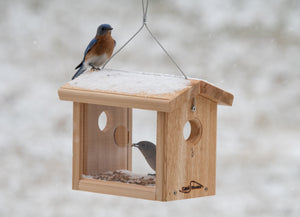
Credit: kmwoodworking.com
Maintaining Bluebird Feeders
Maintaining bluebird feeders is key to keeping these birds happy and healthy. Clean feeders attract bluebirds and prevent health problems. Proper upkeep ensures your feeder stays a safe place for feeding. Regular care also extends the feeder’s life and keeps food fresh.
Cleaning Frequency
Clean the feeder every two weeks during the feeding season. In wet or humid weather, clean it more often. Remove old food and debris to avoid mold growth. Use warm water and mild soap to wash the feeder. Rinse well to remove soap residue before refilling.
Preventing Disease
Diseases spread quickly in dirty feeders. Clean feeders help stop bacteria and fungus. Avoid overcrowding by placing several feeders in your yard. Remove uneaten food daily to reduce germs. Disinfect feeders monthly with a solution of one part bleach to nine parts water.
Refilling Guidelines
Refill feeders early in the morning for best results. Use fresh, high-quality food suited for bluebirds. Avoid wet or clumped food that birds reject. Fill the feeder only enough to last a few days. This prevents food spoilage and waste.
Attracting And Watching Bluebirds
Attracting and watching bluebirds brings joy and calm to any garden. These birds prefer open spaces and clear views. Creating a welcoming environment invites them to visit often. Observing their habits helps deepen appreciation for their beauty and behavior.
Encouraging Visits
Use bluebird-specific feeders or nesting boxes. Place them in quiet, open areas with low shrubbery nearby. Offer mealworms, berries, and native insects as food. Avoid feeders with seeds that bluebirds rarely eat. Clean feeders regularly to keep birds healthy and safe.
Behavioral Observations
Bluebirds are social but cautious. Watch how they perch and sing to communicate. Notice their feeding patterns and how they care for young. Males often show bright blue feathers while females have softer colors. These details reveal their natural habits and roles.
Photography Tips
- Use a zoom lens to avoid disturbing the birds.
- Choose early morning or late afternoon light for best colors.
- Focus on clear backgrounds to highlight the bluebird’s colors.
- Be patient and still to capture natural poses.
- Take multiple shots to increase chances of good photos.
Frequently Asked Questions
What Type Of Bird Feeder Attracts Bluebirds Best?
Bluebirds prefer open cup or hopper feeders. These feeders allow easy access and mimic natural feeding. Avoid tube feeders, as bluebirds find them difficult to use.
Which Food Do Bluebirds Like In Feeders?
Bluebirds enjoy mealworms, berries, and suet. Mealworms are especially attractive and provide essential protein. Avoid seed mixes that contain fillers or sunflower seeds.
Where Should I Place A Bluebird Feeder?
Place feeders in open areas near trees or shrubs. Bluebirds prefer feeders placed 4-6 feet above ground. Avoid placing feeders near dense bushes where predators hide.
How To Keep Bluebird Feeders Clean And Safe?
Clean feeders regularly with mild soap and water. This prevents mold and disease spread. Ensure feeders are dry before refilling to keep birds healthy.
Conclusion
Bluebirds love feeders that make them feel safe and welcome. A feeder with an open design works best. It allows easy access for these charming birds. Offer mealworms and berries to attract them. Keep the feeder clean to ensure their health.
Place it in a quiet spot, away from predators. This helps bluebirds feel secure while feeding. A little patience goes a long way. Soon, you’ll enjoy the beauty of bluebirds in your yard. Their visits will bring joy and color to your days.
So, set up the right feeder and enjoy nature’s spectacle.