
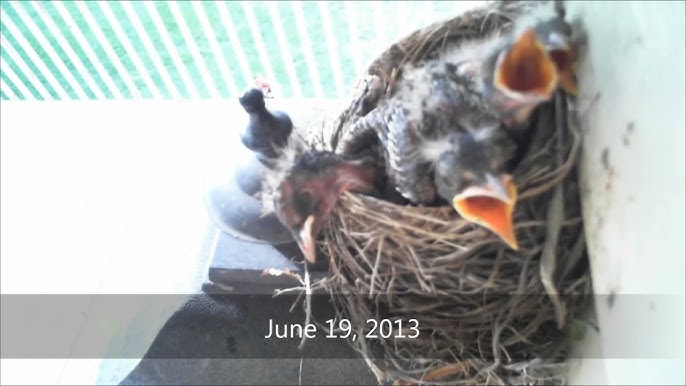
Finding a baby bird fallen from its nest can be a heart-wrenching moment. You want to help, but you might wonder, “What do I feed this tiny creature?” Feeding a baby bird isn’t as simple as giving it any food you have on hand.
If you want to give it the best chance to survive and grow strong, you need to know exactly what it needs. In this guide, you’ll discover the right foods, how often to feed, and important tips to care for the little bird safely.
Keep reading—your quick action and proper care could make all the difference.
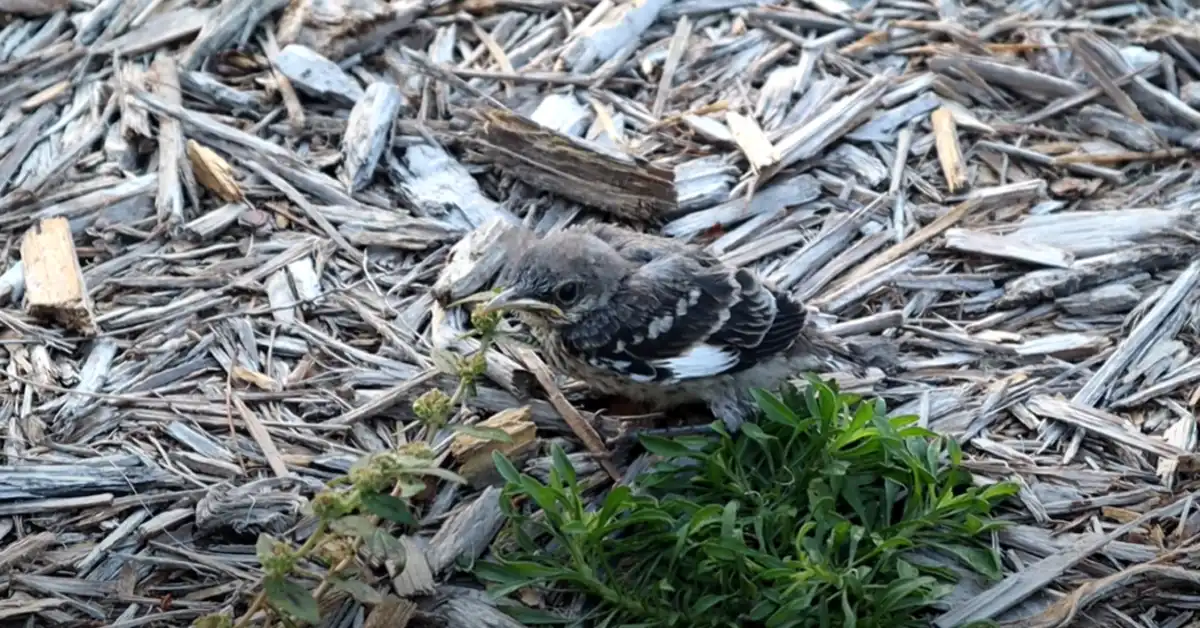
Credit: www.earthofbirds.com
Identifying Baby Bird Species
Identifying the species of a baby bird fallen from its nest is crucial before deciding what to feed it. Different birds have unique diets and nutritional needs, so guessing could harm the little one. By recognizing the bird, you improve its chances of survival and proper growth.
Common Nestlings And Fledglings
Baby birds come in two main stages: nestlings and fledglings. Nestlings are very young, often featherless or with down feathers, and are completely dependent on feeding. Fledglings have more feathers and can start exploring outside the nest but still need care.
Here are some common baby birds you might find:
- American Robin:Nestlings have pink skin and sparse down feathers; fledglings look like small adults with spotted chests.
- House Sparrow:Small, fluffy nestlings with closed eyes; fledglings have brown and grey feathers.
- Blue Jay:Nestlings are naked or lightly feathered; fledglings sport blue and white feathers but are still clumsy.
Notice the bird’s size, feather development, and coloring to help identify it. You can also take a photo and use apps or local wildlife guides to assist you.
Species-specific Dietary Needs
Once you know the bird species, match its diet carefully. Most baby birds eat insects and worms because they need high protein to grow. However, some species like finches or doves prefer seeds or soft fruits.
Here are some diet tips for common species:
| Species | Recommended Food |
|---|---|
| American Robin | Softened earthworms, small insects, mashed berries |
| House Sparrow | Small insects, soaked seeds, finely chopped vegetables |
| Blue Jay | Insects, nuts (crushed), small pieces of fruit |
Have you ever tried feeding a bird with the wrong food? It can cause serious digestive problems. Always research or ask a wildlife expert if you’re unsure. Your care can make a big difference in the baby bird’s survival and development.
Assessing Baby Bird Condition
Assessing the condition of a baby bird fallen from its nest is crucial before offering any help. Understanding its physical state guides the next actions and ensures the bird’s safety. Careful observation helps identify signs of injury or illness. This step is vital to decide if immediate intervention is needed or if professional help should be sought.
Signs Of Injury Or Illness
- Visible wounds or bleeding on the body
- Difficulty breathing or irregular breathing patterns
- Swollen or deformed limbs or body parts
- Weakness or inability to stand or move properly
- Closed or crusty eyes, or eyes that do not open
- Unusual quietness or lack of response to sounds
- Feathers missing or ruffled badly
- Excessive droppings or unusual color in droppings
When To Contact Wildlife Experts
Contact wildlife experts immediately if the bird shows any injury signs. Experts have the skills to provide proper care and treatment. Also, reach out if the bird appears weak or too young to survive alone. Avoid trying to feed or move the bird excessively. Experts can guide the safest steps for the bird’s recovery. Prompt action improves chances of survival and proper rehabilitation.
Safe Feeding Practices
Feeding a baby bird fallen from its nest requires care and attention. Safe feeding practices protect the bird’s health and support its growth. Using the right foods and feeding at proper times helps the bird thrive. Knowing what to avoid is equally important to prevent harm.
Suitable Food Options
Choose soft, easy-to-digest foods for the baby bird. Small insects like mealworms or crickets work well. You can also use soaked dog or cat food, mashed hard-boiled eggs, or baby bird formula from a pet store. Fresh fruits and vegetables can be added in small amounts. Always chop food into tiny pieces the bird can swallow easily.
Avoiding Harmful Foods
Do not feed milk, bread, or processed human foods. These can cause digestion problems. Avoid salty, sugary, or fried items. Never give whole seeds or nuts. They are hard to digest and may choke the bird. Avoid feeding wild berries or plants without knowing if they are safe.
Feeding Frequency And Amounts
Feed the baby bird every 15 to 20 minutes during daylight hours. Start with small amounts to avoid overfeeding. The bird’s crop should feel soft and slightly full after feeding. Watch for signs of hunger or fullness. As the bird grows, increase the amount and space out feedings. Always keep food fresh and clean.
Hydration Needs
Keeping a baby bird hydrated is one of the most crucial tasks after rescuing it from a fall. Without enough fluids, the little creature can quickly become weak or even face life-threatening complications. Understanding how to provide water safely and recognizing the signs of dehydration can make a real difference in your bird’s chances of survival.
Providing Water Safely
Never force water directly into a baby bird’s beak; this can cause choking or aspiration. Instead, use a small dropper or a clean cotton swab to offer tiny drops of water. Place the drop gently at the side of the beak and let the bird swallow naturally.
Avoid giving plain water if the bird is very young—adding a tiny pinch of electrolyte powder (available at pet stores) can help maintain proper hydration levels. Make sure the water is at room temperature, as too cold or too hot can shock the bird’s system.
Signs Of Dehydration
How can you tell if a baby bird is dehydrated? Look for sunken eyes, dry or wrinkled skin, and lethargy. If the bird’s crop (the pouch in its throat) feels empty or hard, it may not be getting enough fluids.
Another sign is when the bird is too weak to hold its head up or has irregular breathing. Catching dehydration early means you can act quickly to restore fluids and keep your little friend alive.
Creating A Temporary Nest
Creating a temporary nest is crucial for a baby bird found outside its original home. It offers safety and warmth while waiting for the parent bird or wildlife help. A well-made nest can reduce stress for the baby and improve chances of survival. Use gentle materials and place the nest in a secure spot.
Materials To Use
- Soft cloth or paper towels for cushioning
- Small basket or container to hold the lining
- Leaves or dry grass for insulation
- Clean cotton or wool for added warmth
- A shallow box with ventilation holes
Avoid materials that are rough, sticky, or could trap the baby bird.
Placement Tips
- Place the nest close to where the bird was found
- Keep it hidden from predators like cats and dogs
- Choose a shaded spot to avoid direct sunlight
- Secure the nest to prevent it from falling
- Keep the area quiet and free from disturbances
Check the nest often to ensure it stays clean and safe.

Credit: www.reddit.com
Handling And Hygiene
Handling a baby bird fallen from its nest requires a gentle touch and careful hygiene practices. These actions not only protect the fragile bird but also reduce risks of infection and stress. Knowing how to manage these aspects can make a big difference in the bird’s recovery and wellbeing.
Minimizing Stress
Every movement you make can cause stress to a tiny bird. Keep your voice soft and your hands steady when handling it. Avoid sudden or fast gestures that may frighten the bird.
Limit handling time as much as possible. If you need to feed or check the bird, prepare everything beforehand so you can act quickly. Consider wearing gloves to prevent transmitting your scent and to protect yourself.
Ask yourself: have you created a calm environment around the bird? A quiet, warm, and dimly lit space helps the baby bird feel safer and less anxious.
Cleaning Feeding Tools
Cleanliness is key to preventing infections in baby birds. After each feeding session, wash all tools like syringes, tweezers, or spoons thoroughly with warm water and mild soap. Rinse well to remove any soap residue.
Disinfect feeding tools regularly using a safe solution such as diluted vinegar or a bird-safe disinfectant. Avoid harsh chemicals that could harm the bird.
Dry the tools completely before the next use to prevent mold or bacteria growth. Have a dedicated feeding kit just for the bird to avoid cross-contamination with other household items.
When To Release Or Seek Help
Knowing when to release a baby bird back into the wild or seek professional help is crucial for its survival. Not every rescued chick is ready to fly or fend for itself immediately. Understanding the right signs and acting accordingly can make a big difference in the bird’s future.
Indicators Of Readiness For Release
Watch for signs that the baby bird can survive on its own. It should be fully feathered and able to perch without falling. Active movement and a strong response to external stimuli are good indicators.
Another sign is the bird’s ability to find food or eat independently. If it eagerly pecks at food and swallows without trouble, that’s promising. You might notice the bird practicing short flights inside a safe space—this shows growing strength.
Ask yourself: Does the bird seem alert and responsive? If yes, it might be time to consider release. But if it looks weak or unable to feed itself, it still needs care.
Finding Local Wildlife Rehabilitators
If you’re unsure about the bird’s condition, contacting a local wildlife rehabilitator is your best bet. These experts know exactly how to care for orphaned or injured birds. They can provide medical attention and socialization that increases the bird’s survival chances.
Many areas have organizations or individual rescuers listed online. Search for terms like “wildlife rehabilitator near me” or check with local animal shelters. Calling a rehabilitator quickly can prevent mistakes that might harm the bird.
Don’t hesitate to ask specific questions about the bird’s care and release plan. Their experience will guide you better than guesswork. Have you ever wondered how many rescued birds fail to thrive without expert help? That’s why reaching out matters.
Credit: www.petsradar.com
Frequently Asked Questions
What Is The Best Food For A Baby Bird Fallen From Nest?
The best food depends on the bird species. Generally, soft, protein-rich foods like soaked dog kibble or mealworms are suitable. Avoid bread or milk. Feeding should mimic natural diet to support healthy growth and development.
How Often Should I Feed A Baby Bird Out Of Nest?
Feed the baby bird every 15 to 20 minutes from sunrise to sunset. Young birds have high metabolism and need frequent feeding for survival and growth. Avoid overfeeding to prevent health issues.
Can I Give Water Directly To A Baby Bird?
Do not give water directly as it risks choking. Baby birds get hydration from their food. If necessary, moisten their food slightly but avoid forcing water into their mouths.
Should I Attempt To Raise A Baby Bird Myself?
Raising a baby bird requires expertise and time. It’s best to contact a local wildlife rehabilitator. Improper care can harm the bird or reduce survival chances.
Conclusion
Caring for a fallen baby bird requires knowledge and patience. Ensure safety first. Keep the bird warm and secure. Feeding should match its species needs. Use soft, easy-to-digest foods. Avoid giving milk or bread. Observe its reaction to food. Consult with wildlife experts when unsure.
Helping a baby bird can be rewarding. Every small effort counts. By understanding its needs, you can make a difference. Remember, a healthy bird thrives better. Always prioritize its well-being. With care, you guide it back to nature. Your actions can help it soar again.