
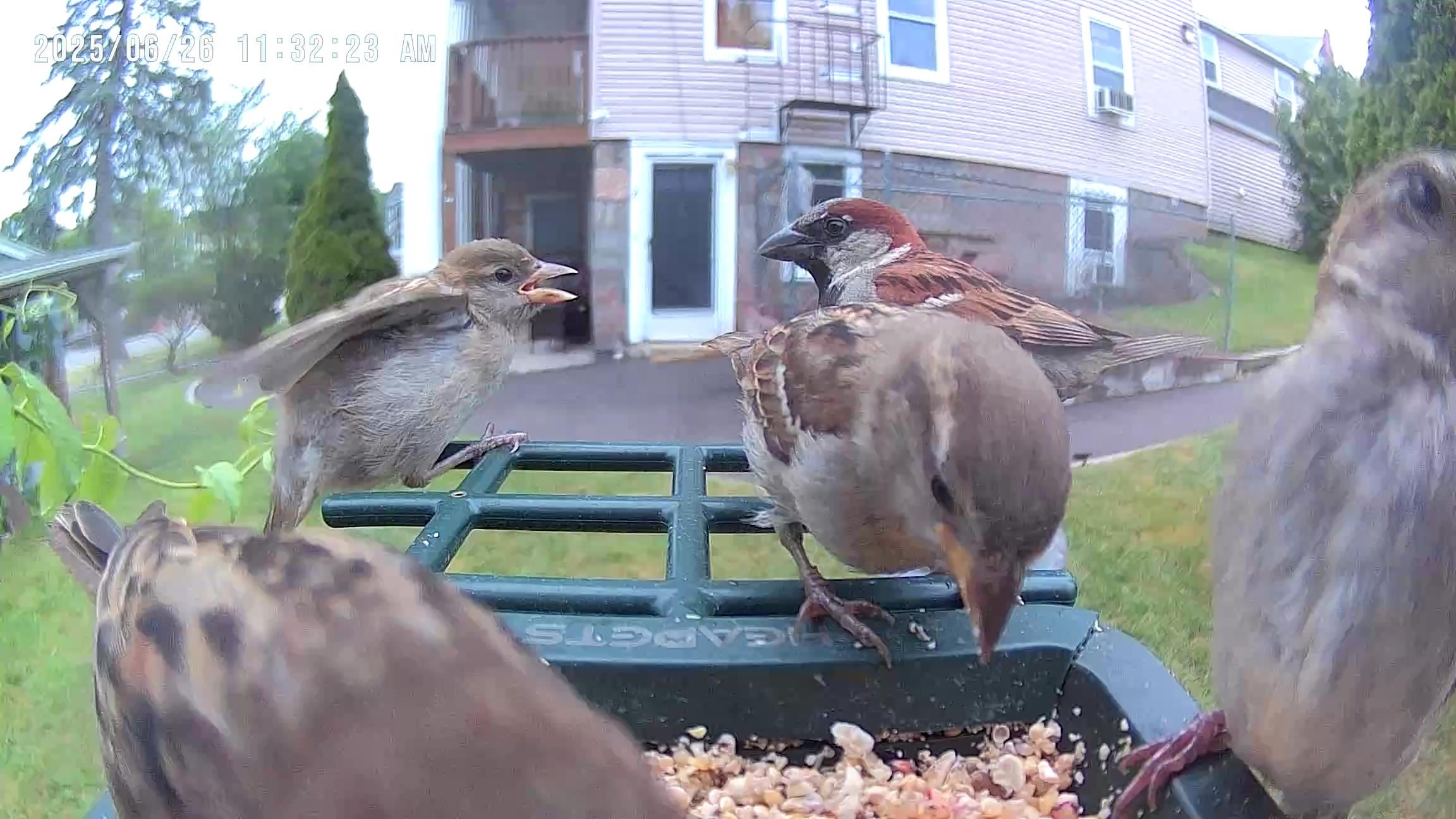
Have you noticed that the birds you used to see at your feeder have suddenly stopped coming? It can be frustrating and confusing when your feathered friends seem to lose interest.
You might be wondering what changed and what you can do to bring them back. Understanding why birds quit eating from your feeder is the first step to solving this mystery. Keep reading, and you’ll discover simple reasons behind their behavior and easy fixes that will have your garden buzzing with birdlife again.
Common Reasons Birds Avoid Feeders
Birds stop visiting feeders for various reasons. Understanding these reasons helps bring them back. Several common factors cause birds to avoid feeders. These include food quality, predators, weather, and feeder placement. Each plays a key role in bird behavior.
Changes In Food Quality
Birds prefer fresh, clean food. Old or moldy seeds repel them. Wet seeds can spoil quickly. Birds may ignore feeders if food looks bad. Regularly changing and cleaning the food attracts birds.
Presence Of Predators
Birds avoid feeders if predators are near. Cats, hawks, or snakes create fear. Even the sight of predators scares birds away. Safe, quiet locations help birds feel secure. Removing predator threats invites birds back.
Weather Conditions
Severe weather affects bird feeding habits. Heavy rain or strong winds keep birds hidden. Extreme heat or cold changes their routine. Birds may avoid feeders during storms. Calm, mild days see more bird visits.
Feeder Placement Issues
Where a feeder sits matters a lot. Feeders in busy or noisy spots discourage birds. Too close to windows may cause collisions. Lack of nearby cover makes birds feel unsafe. Proper placement encourages steady feeder visits.

Credit: www.allaboutbirds.org
Impact Of Feeder Cleanliness
Cleanliness plays a huge role in whether birds visit your feeder or not. A dirty feeder can quickly turn into a no-go zone for birds. You might wonder why the birds suddenly quit eating from your feeder—often, the answer lies in how clean it is.
Disease Risks
Dirty feeders can harbor bacteria, mold, and fungi that make birds sick. Sick birds avoid feeders or might not even survive to return. You don’t want to unknowingly spread diseases among your feathered friends.
Regular cleaning prevents harmful germs from building up. A simple rinse with hot, soapy water every week can make a big difference. Have you checked your feeder for grime or old, wet seeds lately?
Attracting Unwanted Pests
Leftover seeds and spills can attract pests like ants, rodents, and wasps. These pests scare birds away and create a messy environment. If you see more pests than birds, your feeder’s cleanliness is likely the issue.
Keeping the feeder clean also means fewer visits from these unwanted guests. Wiping spills promptly and cleaning feeder parts regularly helps keep pests in check. What small changes can you make today to keep your feeder inviting for birds?
Seasonal Feeding Patterns
Seasonal changes have a huge impact on bird feeding habits. As the environment shifts, birds adjust their diets and routines. Understanding these natural patterns helps explain why your feeder might suddenly be ignored.
Natural Food Availability
During spring and summer, nature offers plenty of fresh fruits, seeds, and insects. Birds are more likely to find their favorite foods nearby, so they may visit feeders less often.
In autumn, many trees drop seeds and berries, providing an easy meal. This abundance can reduce the need for feeder visits.
Have you noticed your feeder stays full during these seasons? It’s likely because birds prefer natural food when it’s easy to find.
Migration And Nesting Periods
Birds often change their feeding behavior during migration. They may stop at feeders briefly or skip them entirely to focus on long flights.
During nesting season, birds prioritize high-energy foods to feed their chicks. Sometimes, they seek out specific insects or fruits not found in feeders.
If your feeder seems deserted at certain times, consider the local bird migration calendar. Are the birds busy traveling or caring for young ones?

Credit: www.thesun.ie
Types Of Feeders And Food
Birds may stop visiting feeders due to issues with the types of feeders and food offered. Birds have specific tastes and preferences. Providing the right feeder and food can bring them back quickly.
Preferred Seed Types
Many birds prefer black oil sunflower seeds. These seeds have thin shells and high oil content. Peanuts and safflower seeds attract woodpeckers and cardinals. Millet and cracked corn appeal to sparrows and doves. Mixed seed blends sometimes contain unwanted fillers. Birds might avoid feeders with poor-quality seeds. Fresh, clean seeds always invite more visitors.
Feeder Design Preferences
Birds favor feeders that match their feeding style. Tube feeders work well for small songbirds. Platform feeders attract larger birds like jays and doves. Suet feeders draw woodpeckers and nuthatches. Some birds dislike crowded or hard-to-reach feeders. Easy access and shelter from weather encourage feeding. Keep feeders clean to prevent disease and odors.
Behavioral Changes In Birds
Birds don’t just stop eating from feeders randomly; their behavior often signals deeper shifts. Understanding these changes can help you identify why your feathered visitors might suddenly avoid the food you provide. Observing their habits closely reveals patterns that explain these unexpected pauses in feeding.
Dominance And Competition
Birds often establish a social order around feeders, where dominant individuals control access to food. If a more aggressive bird starts frequenting your feeder, others might be intimidated and stop coming altogether. Have you noticed some birds pushing others away or monopolizing the feeder? This behavior can cause less dominant birds to avoid the feeder until the dominant bird leaves.
Sometimes, adding multiple feeders or spreading out feeding spots can reduce this tension. You might see shy birds return once they feel safe from competition. Watching which birds show up and when can help you decide if dominance is the issue at play.
Habituation And Feeding Routine
Birds get used to their feeding spots and schedules. If your feeder’s food type or the timing of refills changes, birds might hesitate to return. Have you switched seed types recently or left the feeder empty for an unusual amount of time? Such changes can disrupt their routine, making them cautious.
Birds also respond to seasonal shifts in natural food availability. When natural sources are abundant, your feeder might become less attractive. Try keeping a consistent feeding routine and watch how the birds react over a few weeks. Patience often helps birds adapt back to your feeder.
Tips To Attract Birds Back
Attracting birds back to your feeder takes care and attention. Birds often stop visiting due to small issues you can fix. Use simple tips to make your feeder inviting again. Focus on cleanliness, location, and food choices to draw birds near. These steps help create a safe and tasty spot for birds.
Feeder Maintenance
Clean the feeder regularly to prevent mold and bacteria. Dirty feeders can scare birds away quickly. Check for damage and fix leaks or cracks. Remove old seeds that can spoil or attract pests. Fresh, clean feeders make birds feel safe and welcome.
Choosing The Right Location
Place feeders where birds feel protected from predators. Near shrubs or trees is ideal for quick shelter. Avoid busy or noisy spots that can startle birds. Make sure feeders get some sunlight but also offer shade. A calm, safe place encourages birds to visit often.
Offering Variety In Food
Different birds prefer different seeds and treats. Offer a mix like sunflower seeds, millet, and suet. Change food types to attract various bird species. Fresh fruits and nuts can also bring more birds. Variety keeps birds interested and coming back regularly.

Credit: uk.news.yahoo.com
Frequently Asked Questions
Why Have Birds Stopped Eating From My Feeder?
Birds may avoid feeders due to dirty seeds, predator presence, or feeder location changes. Regularly clean feeders and use fresh seeds to attract birds back.
Can Weather Changes Affect Bird Feeding Habits?
Yes, extreme weather can reduce bird visits. Birds seek natural food sources or shelter during harsh conditions, impacting feeder activity temporarily.
Does Feeder Placement Impact Bird Feeding?
Absolutely. Feeders placed near cover like trees attract more birds. Avoid noisy or heavily trafficked areas to ensure birds feel safe.
Could Seed Type Influence Bird Feeder Visits?
Different birds prefer specific seeds. Using mixed seeds or sunflower seeds often attracts more species. Avoid moldy or stale seeds to maintain interest.
Conclusion
Birds may avoid feeders for several reasons. Weather changes can affect feeding habits. Check if your feeder needs cleaning. Fresh seeds attract birds more. Predators might scare them away. Observe your garden environment. Make sure it’s safe and welcoming. Different birds prefer different seeds.
Try experimenting with seed types. Patience is key. Birds may return with time. Keep feeders clean and stocked. Enjoy watching them visit your garden. It’s a rewarding experience. Observing their habits can teach you much. Stay attentive and adjust as needed.
Happy birdwatching!